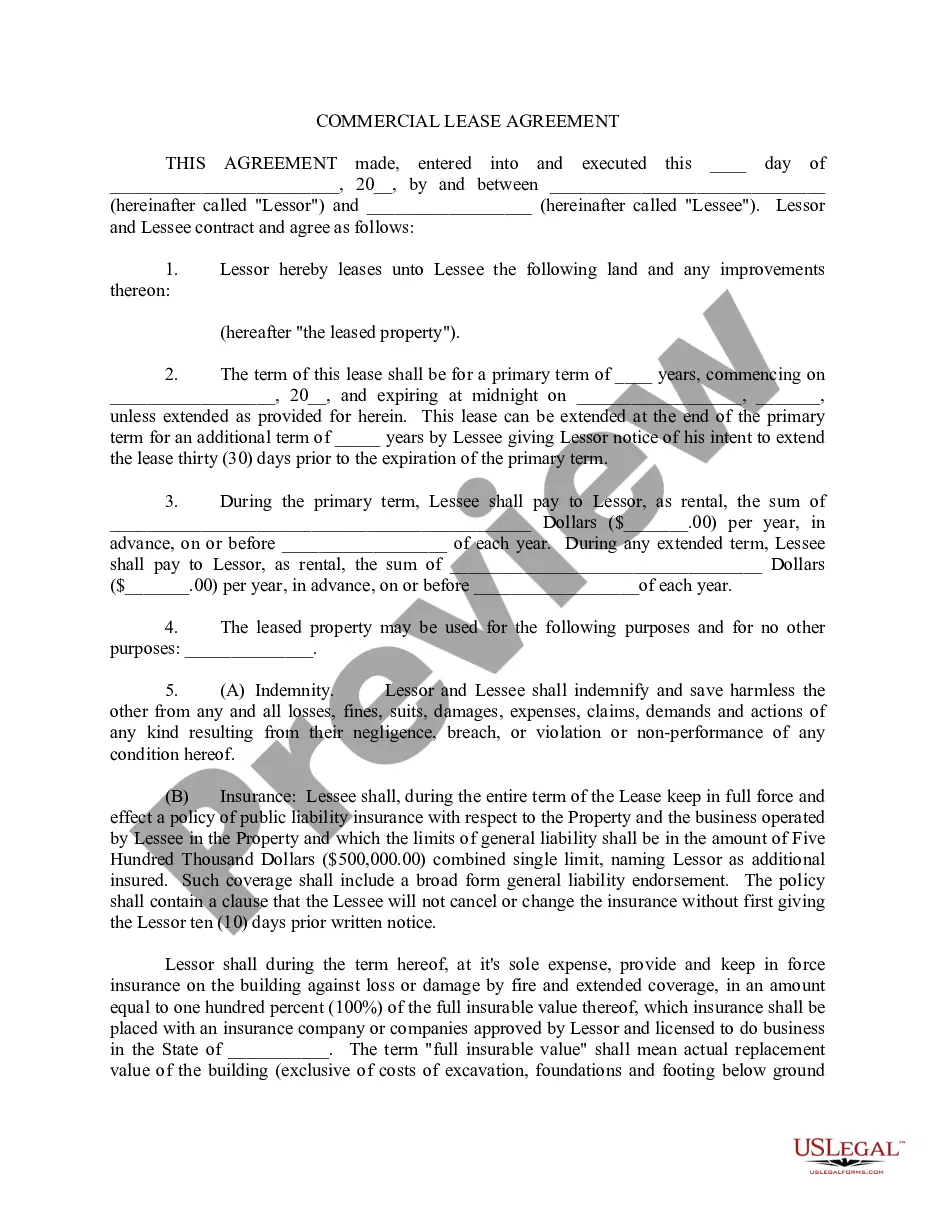
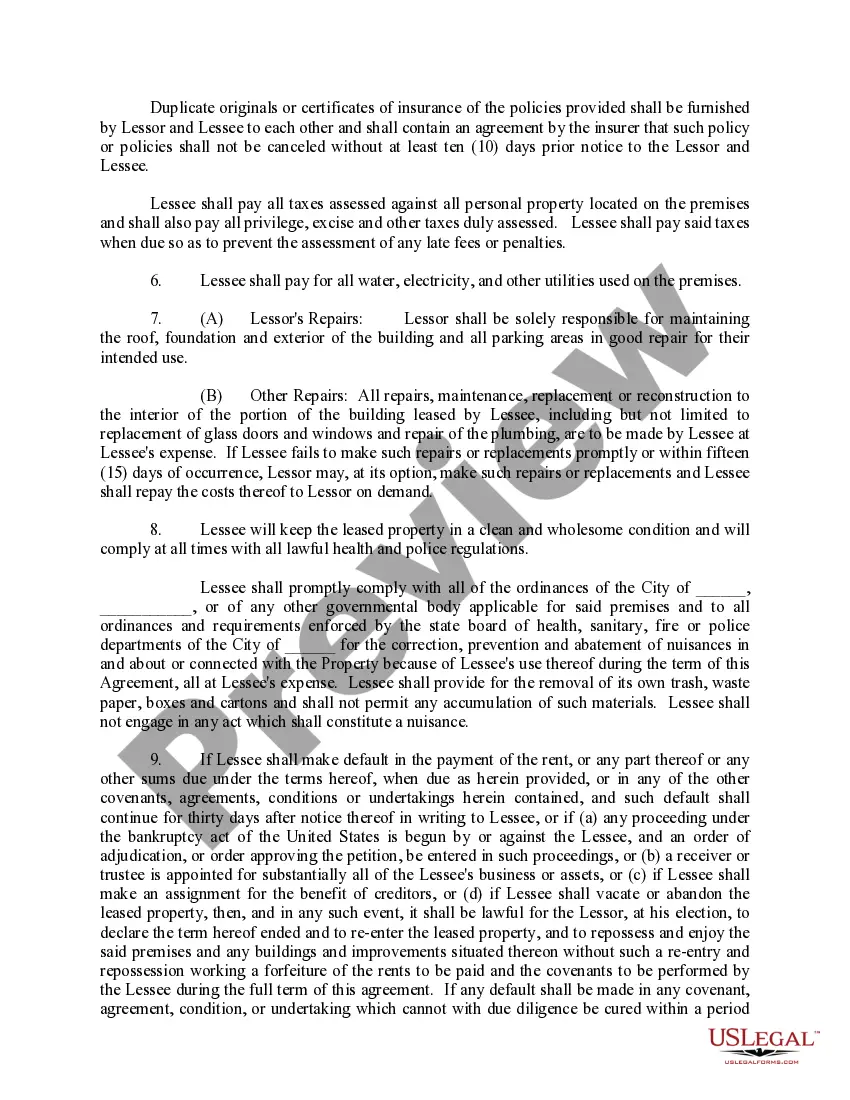
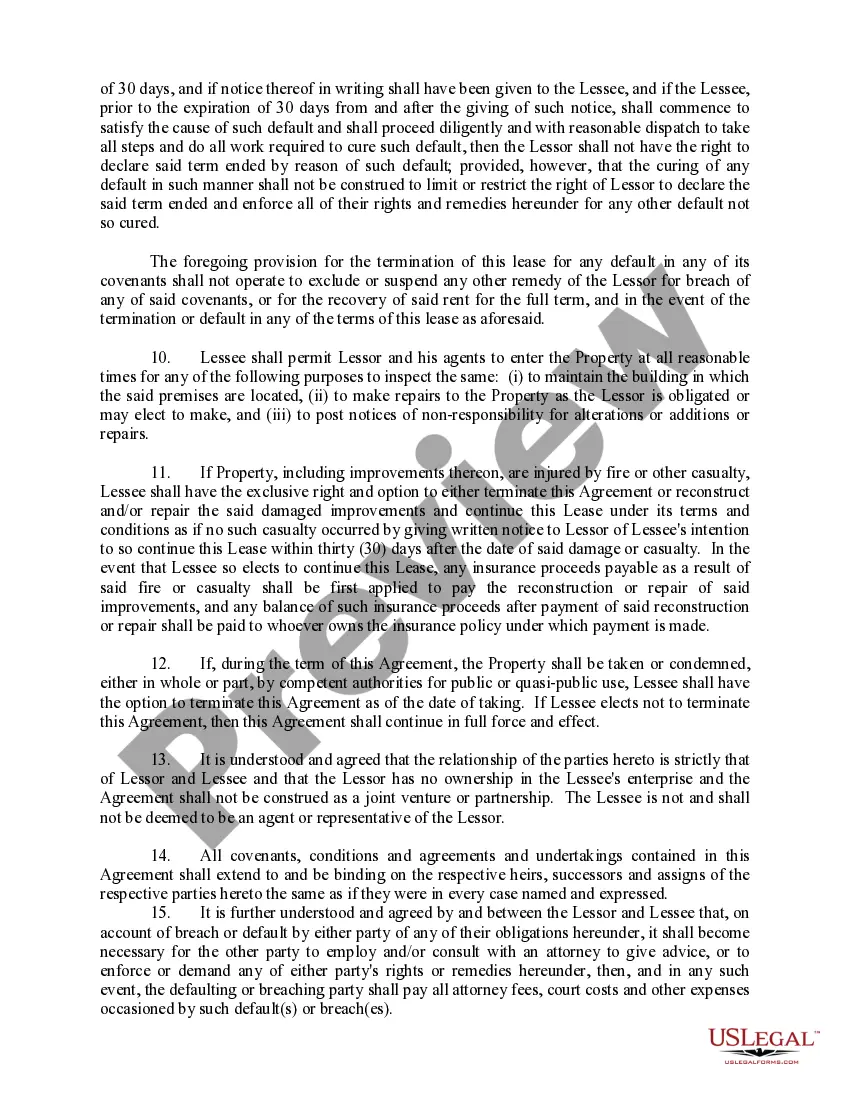
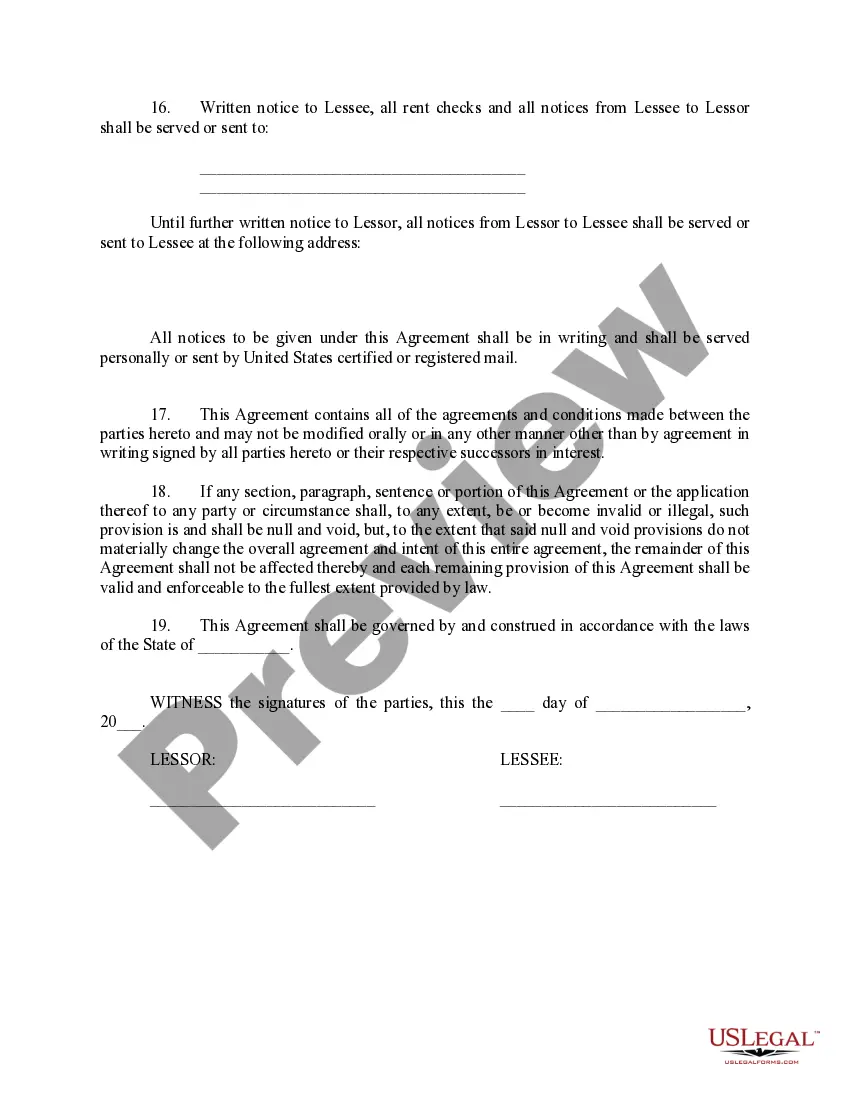
Commercial Lease Agreement Application For Lease In Suffolk
Description
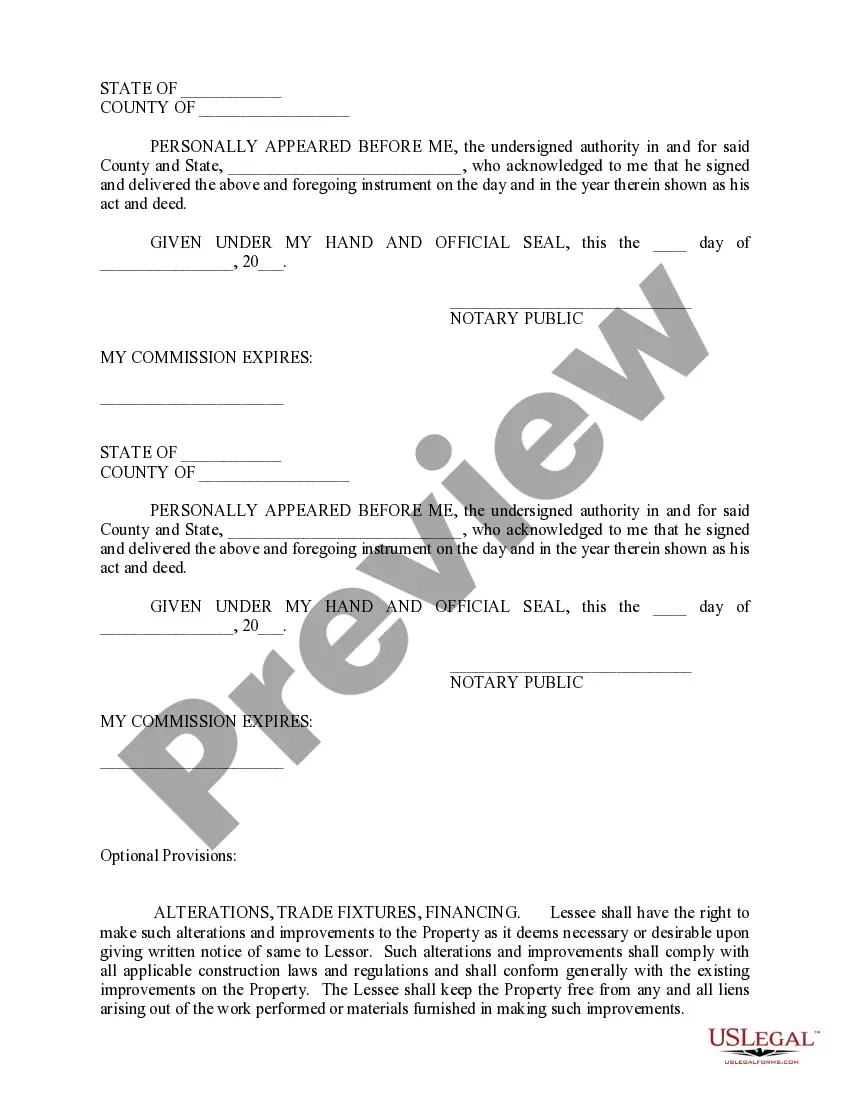

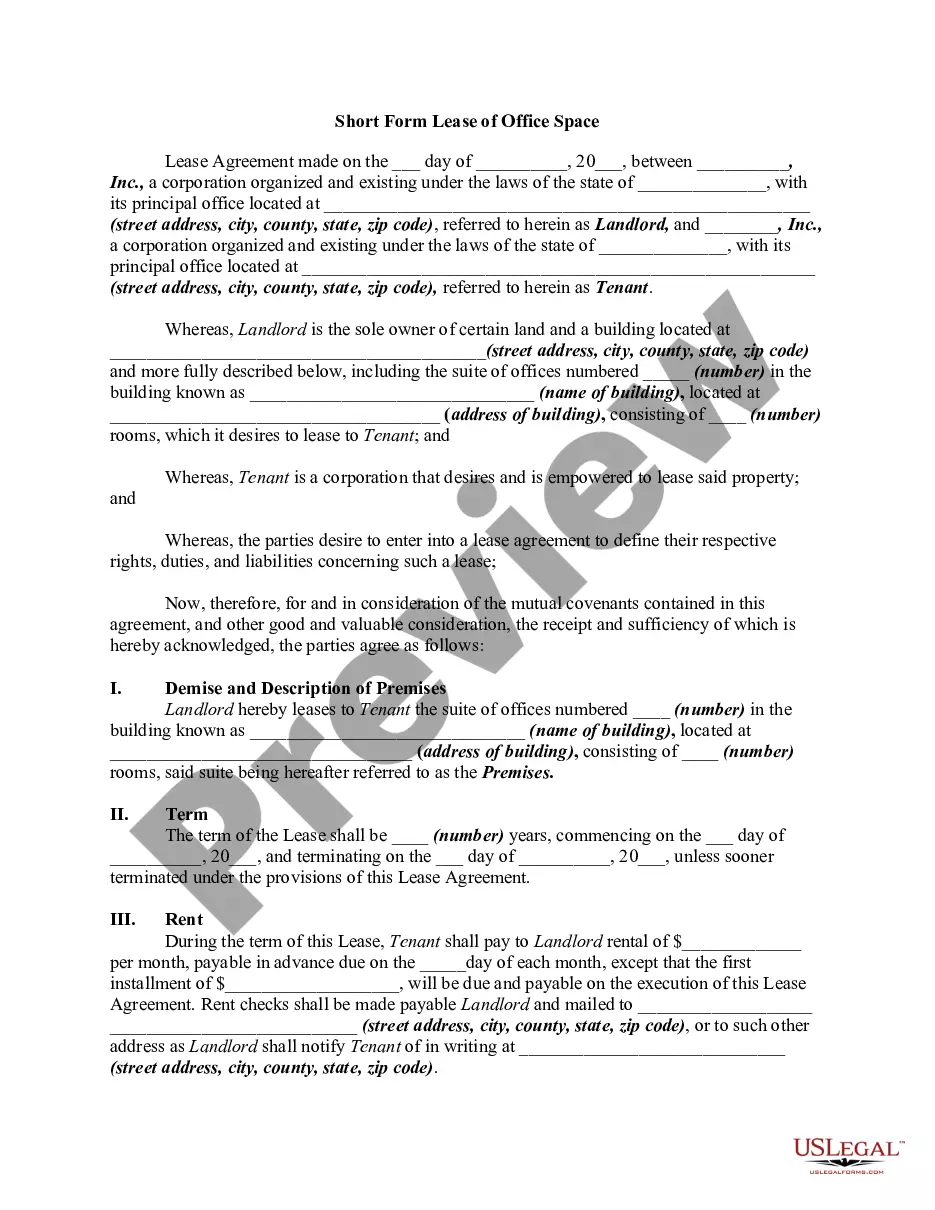
Get your form ready online
Our built-in tools help you complete, sign, share, and store your documents in one place.
Make edits, fill in missing information, and update formatting in US Legal Forms—just like you would in MS Word.
Download a copy, print it, send it by email, or mail it via USPS—whatever works best for your next step.
Sign and collect signatures with our SignNow integration. Send to multiple recipients, set reminders, and more. Go Premium to unlock E-Sign.
If this form requires notarization, complete it online through a secure video call—no need to meet a notary in person or wait for an appointment.
We protect your documents and personal data by following strict security and privacy standards.

Make edits, fill in missing information, and update formatting in US Legal Forms—just like you would in MS Word.

Download a copy, print it, send it by email, or mail it via USPS—whatever works best for your next step.

Sign and collect signatures with our SignNow integration. Send to multiple recipients, set reminders, and more. Go Premium to unlock E-Sign.

If this form requires notarization, complete it online through a secure video call—no need to meet a notary in person or wait for an appointment.

We protect your documents and personal data by following strict security and privacy standards.
Looking for another form?

Form popularity
FAQ
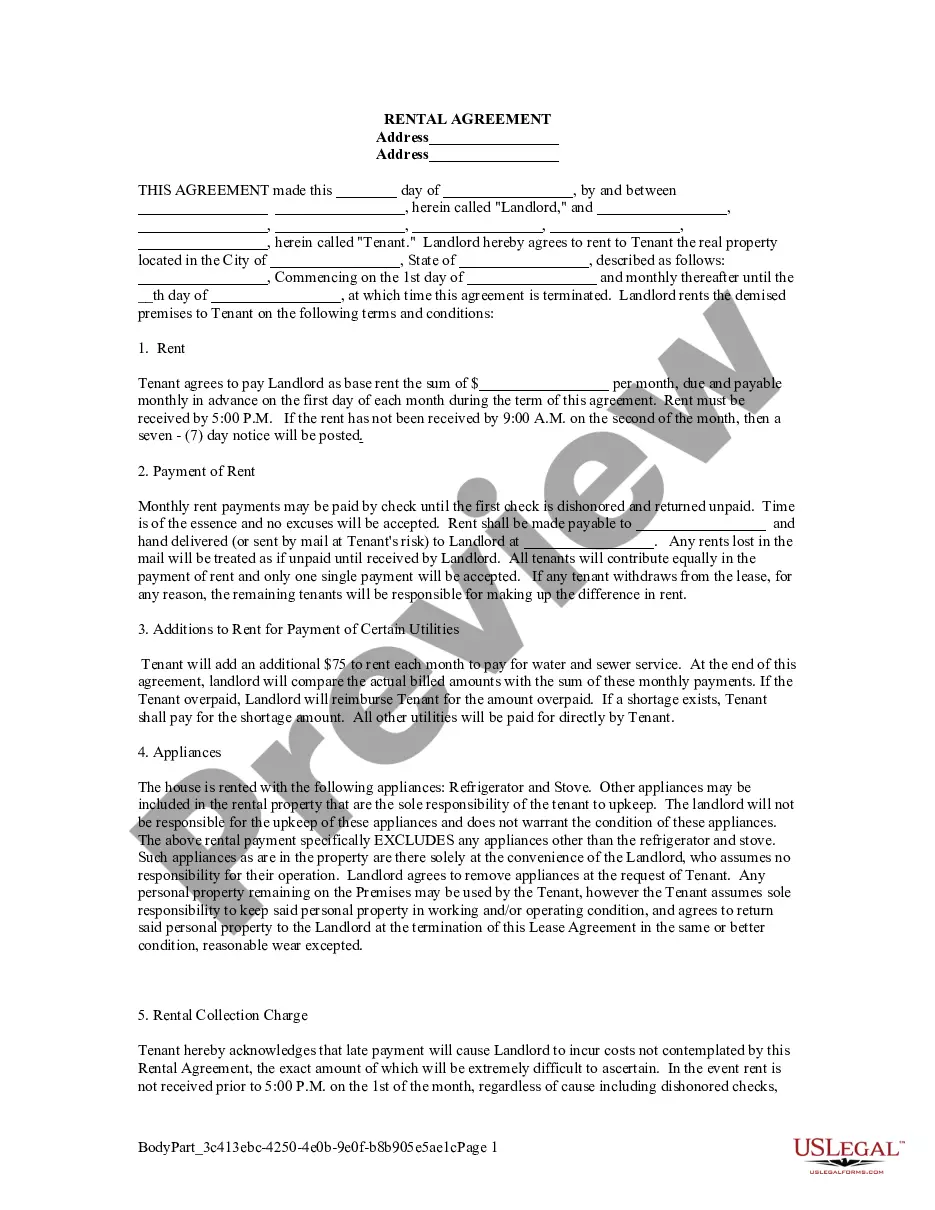
What are the most important steps for drafting a commercial lease agreement? Identify the parties and the property. Determine the rent and the term. Negotiate the improvements and the maintenance. Allocate the taxes and the insurance. Include the clauses and the contingencies. Review and sign the agreement.
Here's a list of standard fields that you should include in your lease agreement: Tenant information. Include each tenant's full name and contact information. Rental property description. Security deposit. Monthly rent amount. Utilities. Lease term. Policies. Late fees.
The key components of a lease proposal include a description of the property, the proposed lease terms, and the benefits of leasing that particular property. A lease proposal should also include the landlord's contact information and any additional supporting documentation.
Include all required information, such as your contact information, current address, employment information, rental history, and references. 4. Provide any additional documentation that might help your application, such as letters of recommendation, credit reports, etc.
written rental agreement is absolutely valid and enforceable. It doesn't need to be notarized, but must be signed by both parties to the lease. Essential terms must be present in the writing, however.
6 Things Every Commercial Lease Letter of Intent Should Include A Statement Declaring Your Interest in Leasing the Space. A Description of Your Company. An Outline of On-Site Employees, Equipment, and Machinery. Your Business Hours. An Overview of Your Current Space. Contact Details.
Here are our top 8 sections to include in your commercial property proposal: Lease Term or Lease Type. Rent Obligations. Security Deposit. Permitted Use or Exclusive Use Clauses. Maintenance and Utilities. Personal Guarantee. Amendments, Modifications, or Termination Clauses. Subleases:
This will be done using a Land Registry form known as a TR1. If the lease is for less than 7 years, then the lease can be assigned by using a deed of assignment. Both these documents have the same effect and will generally be executed by both you as the current tenant and the assignee.
