Commercial Property For Purchase In San Diego
Description
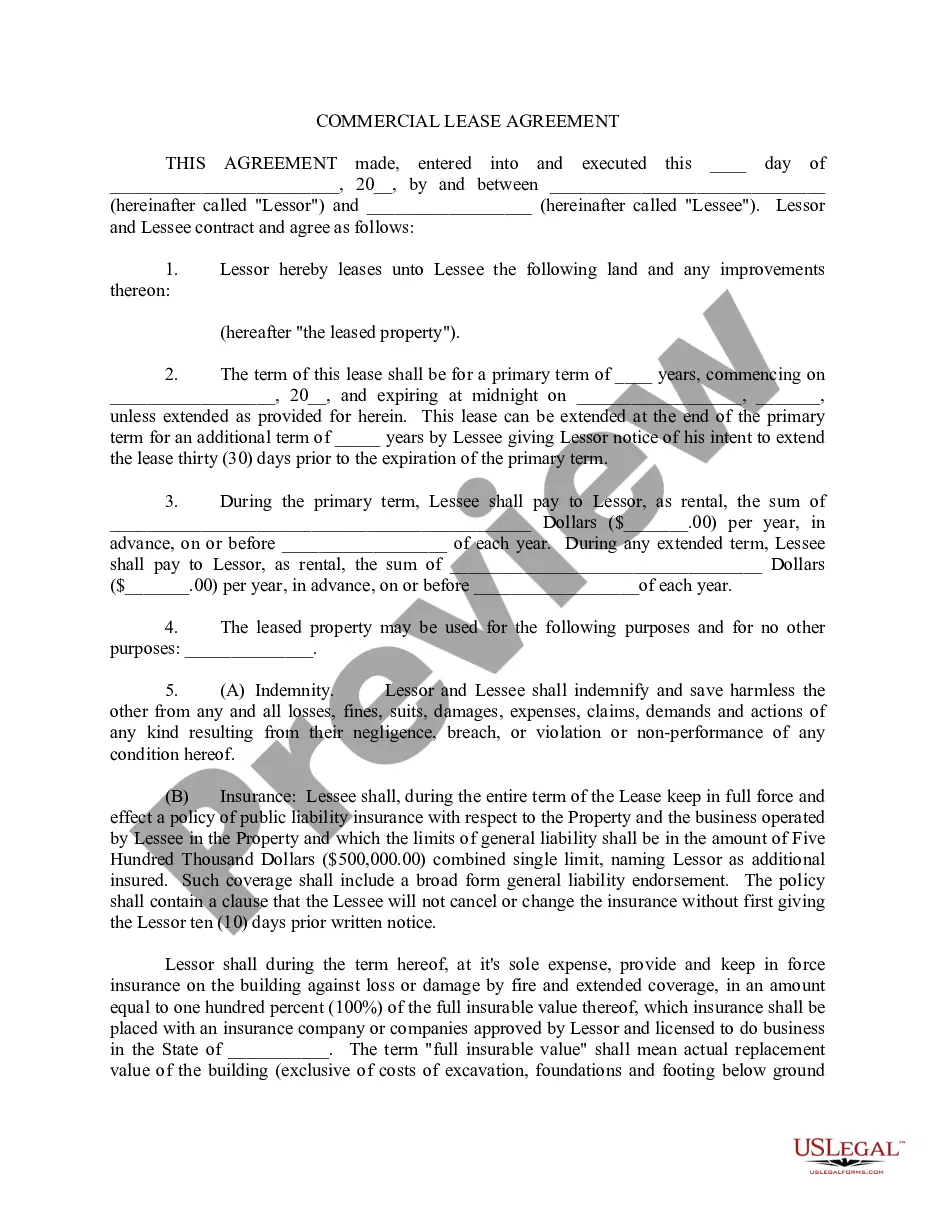
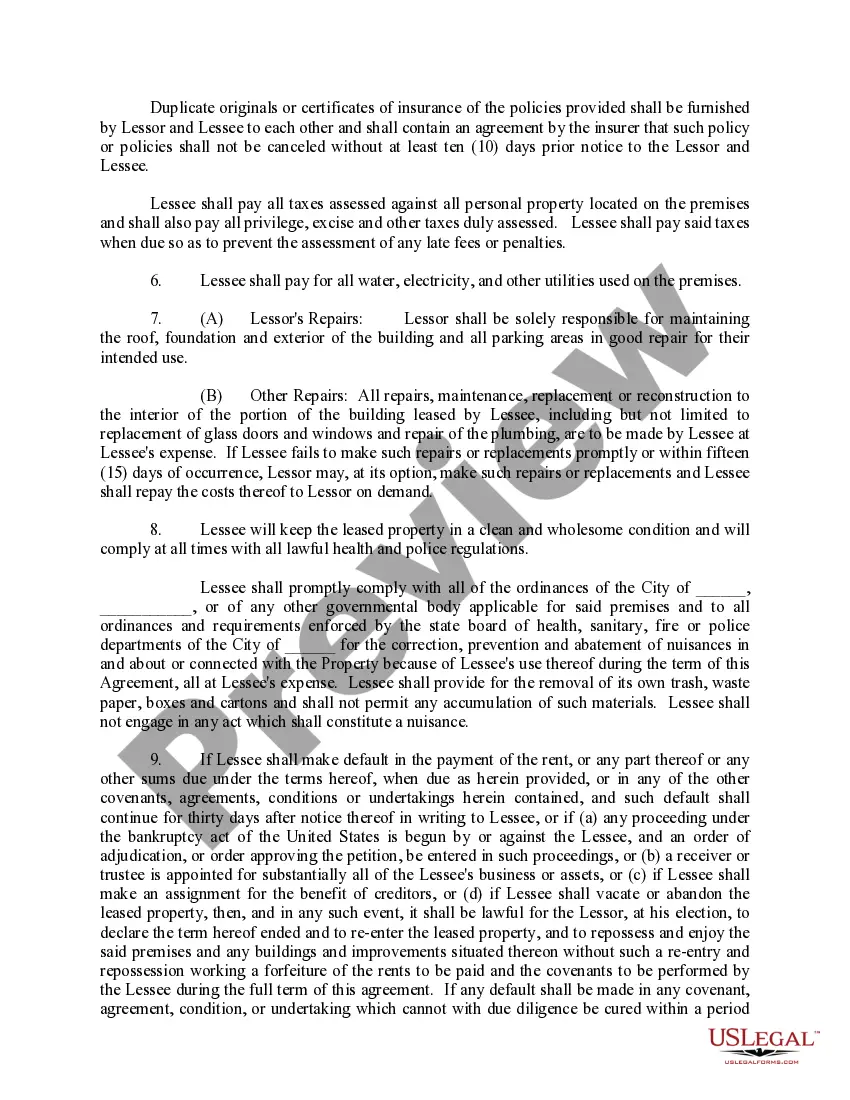
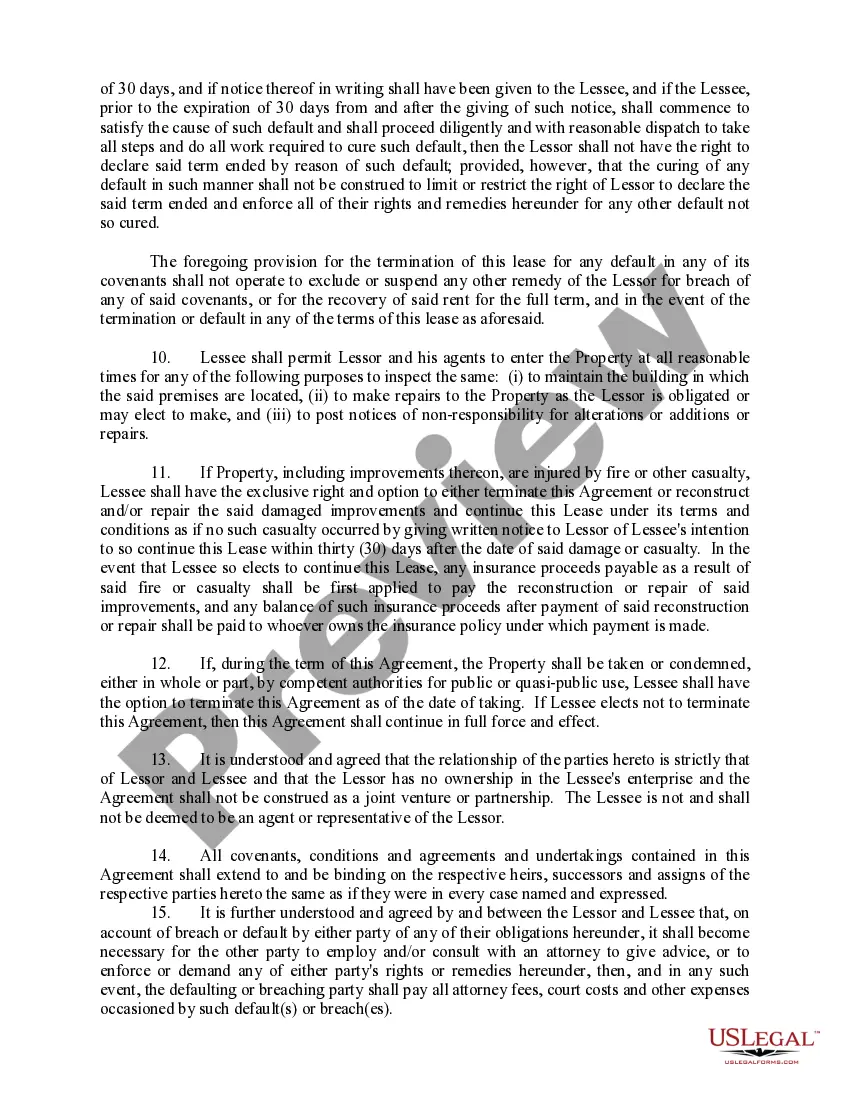
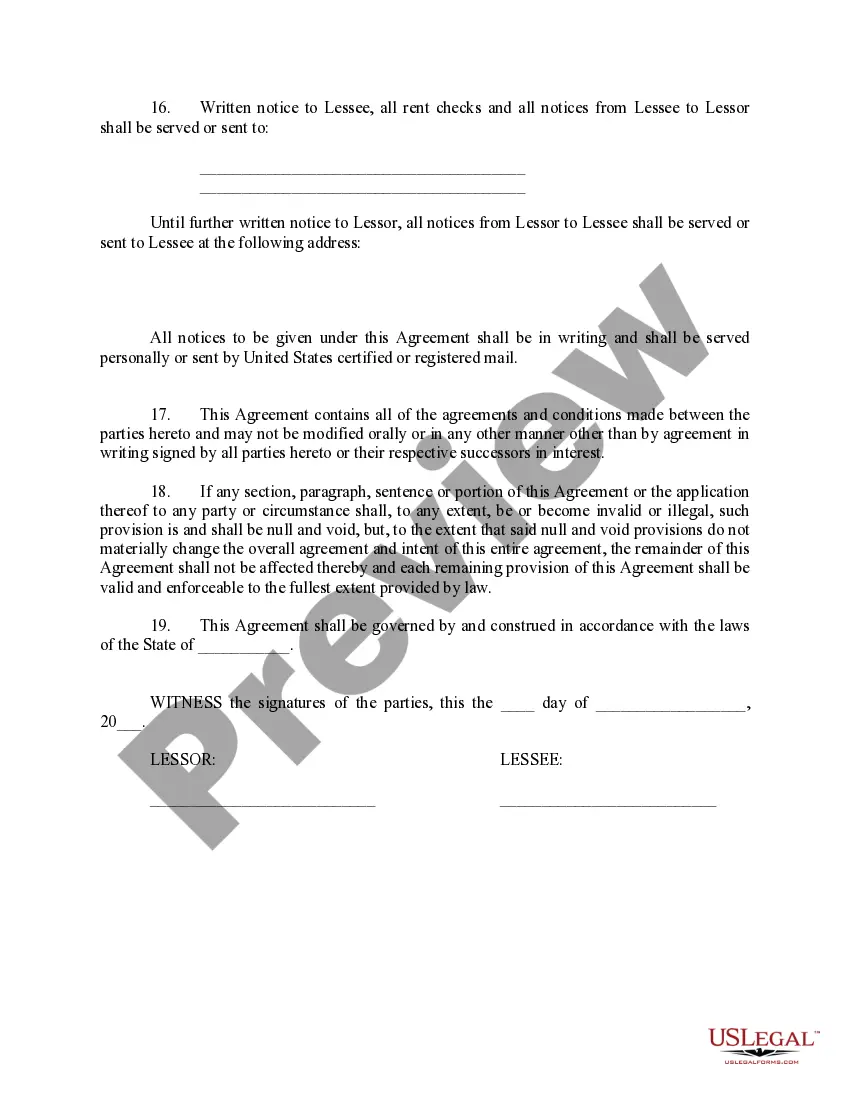

Get your form ready online
Our built-in tools help you complete, sign, share, and store your documents in one place.
Make edits, fill in missing information, and update formatting in US Legal Forms—just like you would in MS Word.
Download a copy, print it, send it by email, or mail it via USPS—whatever works best for your next step.
Sign and collect signatures with our SignNow integration. Send to multiple recipients, set reminders, and more. Go Premium to unlock E-Sign.
If this form requires notarization, complete it online through a secure video call—no need to meet a notary in person or wait for an appointment.
We protect your documents and personal data by following strict security and privacy standards.

Make edits, fill in missing information, and update formatting in US Legal Forms—just like you would in MS Word.

Download a copy, print it, send it by email, or mail it via USPS—whatever works best for your next step.

Sign and collect signatures with our SignNow integration. Send to multiple recipients, set reminders, and more. Go Premium to unlock E-Sign.

If this form requires notarization, complete it online through a secure video call—no need to meet a notary in person or wait for an appointment.

We protect your documents and personal data by following strict security and privacy standards.
Looking for another form?









Form popularity
FAQ
As it stands, commercial properties in California are primarily taxed at a foundational rate of 1% of their assessed value, thanks to the provisions set forth by Proposition 13. This means if a commercial property has an assessed value of $1 million, the base property tax owed would be $10,000.
Sellers of commercial real estate in California must disclose known material defects that could adversely affect the property's value or desirability. This includes structural issues, environmental hazards, or other conditions that might influence a buyer's decision.
Prop 13 applies to all taxable property, including residential and commercial properties.
Apply for a Business Tax Certificate Business Tax online applications may be submitted 24/7. You must register for a username and password prior to using this service. Click on the links below to download a Business Tax application. For questions, call 619-615-1500 or email btax@sandiego.
Governor Gavin Newsom has signed California Senate Bill 235, enacting significant changes to California's Discovery Act that will go into effect in 2024. California is adopting mandatory initial disclosures that are far broader than the requirements of Federal Rule of Civil Procedure 26 (FRCP 26).
Sellers of commercial real estate in California must disclose known material defects that could adversely affect the property's value or desirability. This includes structural issues, environmental hazards, or other conditions that might influence a buyer's decision.
California real estate law requires sellers to disclose all known material facts about a property that could impact its value, even in “as-is” sales. While most sellers must complete detailed forms like the Transfer Disclosure Statement (TDS), some may qualify for exemptions under specific circumstances.
With a stable job market and low unemployment rate, the city offers a solid foundation for businesses to grow. This economic stability translates into a favorable environment for commercial real estate investment.
Many of the issues confronting industry stakeholders in the new year are interrelated. High Financing Costs. Massive Commercial Real Estate Debt. High Cap Rates. Soaring Insurance Costs. Increasingly Unaffordable Housing. Rise in Artificial Intelligence. Impact of Extreme Weather. Lingering Office Vacancies.
