Commercial Lease With Purchase Option In Phoenix
Description
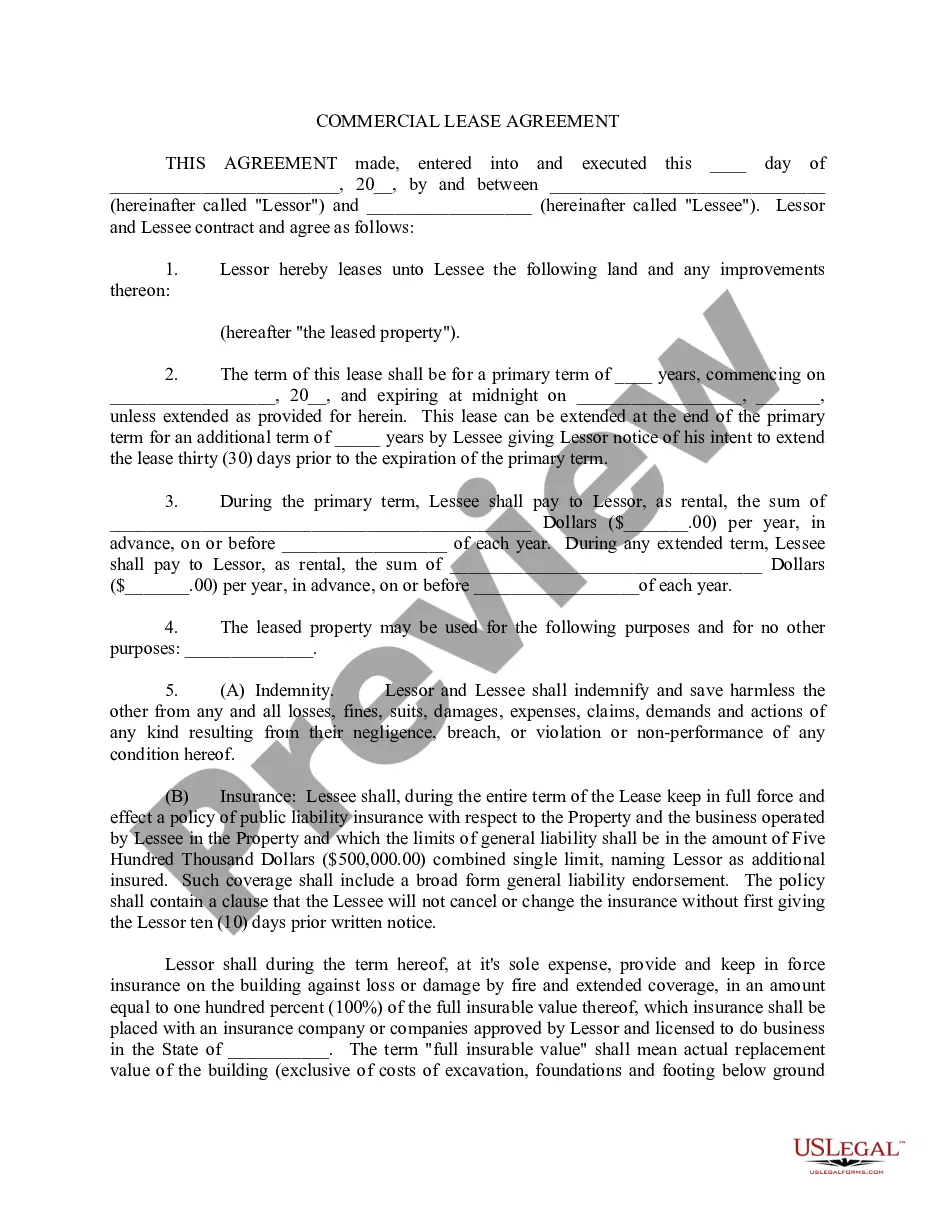
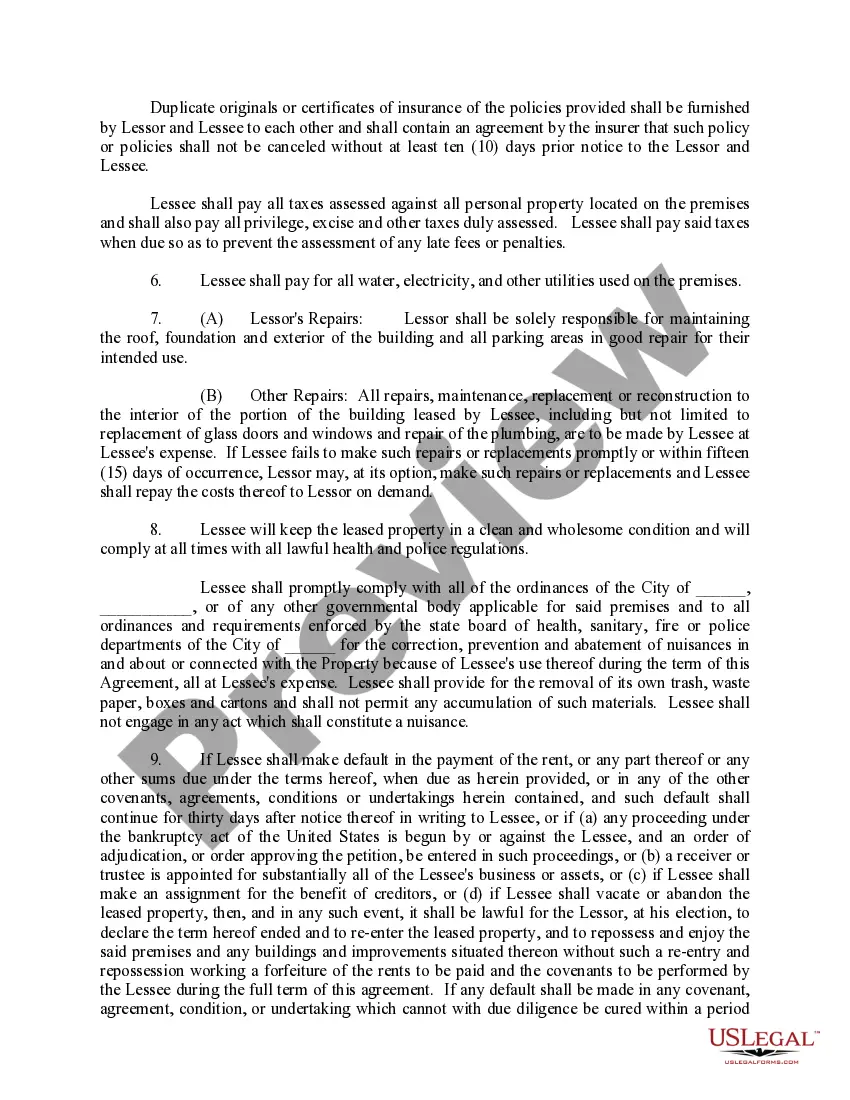
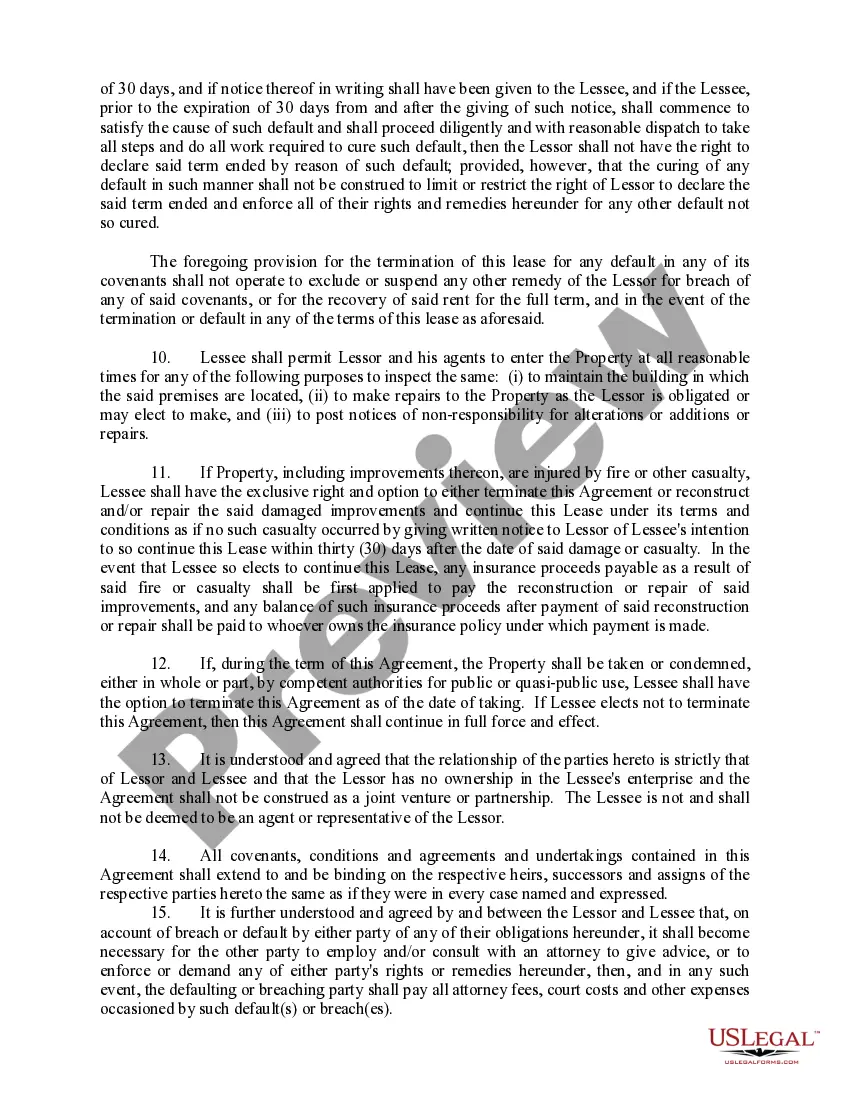
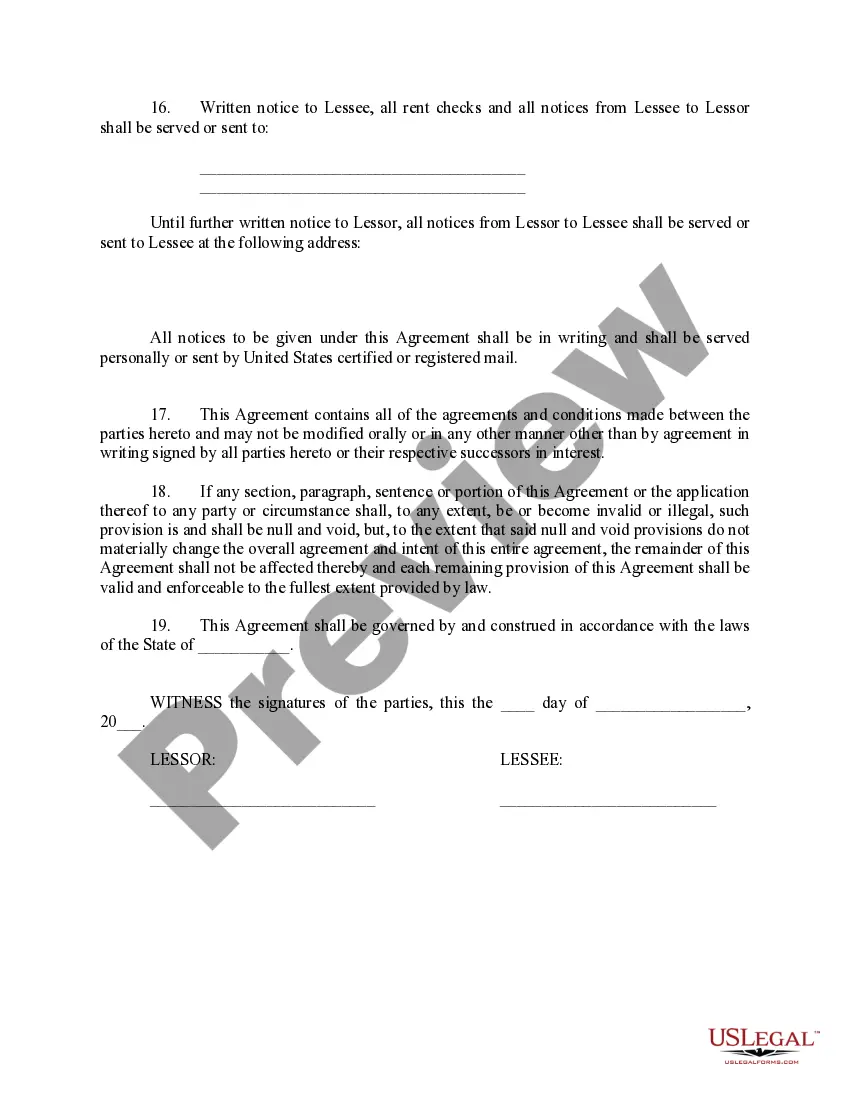

Get your form ready online
Our built-in tools help you complete, sign, share, and store your documents in one place.
Make edits, fill in missing information, and update formatting in US Legal Forms—just like you would in MS Word.
Download a copy, print it, send it by email, or mail it via USPS—whatever works best for your next step.
Sign and collect signatures with our SignNow integration. Send to multiple recipients, set reminders, and more. Go Premium to unlock E-Sign.
If this form requires notarization, complete it online through a secure video call—no need to meet a notary in person or wait for an appointment.
We protect your documents and personal data by following strict security and privacy standards.

Make edits, fill in missing information, and update formatting in US Legal Forms—just like you would in MS Word.

Download a copy, print it, send it by email, or mail it via USPS—whatever works best for your next step.

Sign and collect signatures with our SignNow integration. Send to multiple recipients, set reminders, and more. Go Premium to unlock E-Sign.

If this form requires notarization, complete it online through a secure video call—no need to meet a notary in person or wait for an appointment.

We protect your documents and personal data by following strict security and privacy standards.
Looking for another form?






Form popularity
FAQ
Flexible path to buying a home: A lease option could be a suitable alternative if you aspire to become a homeowner but can't quite afford it just yet. Using this type of contract, you get a little more time to potentially save toward the down payment or work to improve your credit.
If you value flexibility and lower initial costs, leasing may be a great choice. However, if you're looking for long-term stability and the ability to build equity, purchasing a home might be more beneficial. Consider your priorities and consult with a financial advisor if needed.
This will be done using a Land Registry form known as a TR1. If the lease is for less than 7 years, then the lease can be assigned by using a deed of assignment. Both these documents have the same effect and will generally be executed by both you as the current tenant and the assignee.
An assignment transfers one party's interest and obligations under a lease to another party. During these tenant transfers, the new tenant takes on the lease responsibilities, including paying rent and property maintenance of the leased premises, and the original tenant is released from most of their duties.
An assignment is a full transfer of the lease between the tenant and the assignee. Therefore, since the tenant no longer has any ownership interest in the property, there is no longer any relationship between the landlord and the tenant as far as the property ownership is concerned.
To grow or react to market conditions your business may need to quickly leave its current premises. If your business rents the premises but there is still time left to run on the lease, what can you do? A common solution is to transfer your lease to someone else. This process is called 'assigning a lease'.
There are many reasons why a Landlord and Tenant may choose to include an “option” in a commercial lease. The most common type of option is one that gives the Tenant the right to extend the lease term, usually for additional — sometimes two or more — terms of equal length to the original term.
There is no law regulating what kind of advance notice, if any, is required to stay on or vacate when the lease ends. On occasion a lease will state that it automatically renews unless either party gives notice otherwise. More frequently, a 30-day or 60-day notice must be provided by one party to the other.
The landlord tenant laws that allow you to break a lease are different from state to state. In many places, you can get out of your lease without penalty for a number of reasons, such as domestic violence, an unsafe environment, or if you've been called up for military service.
