Difference Between A Commercial And Retail Lease In Ohio
Description
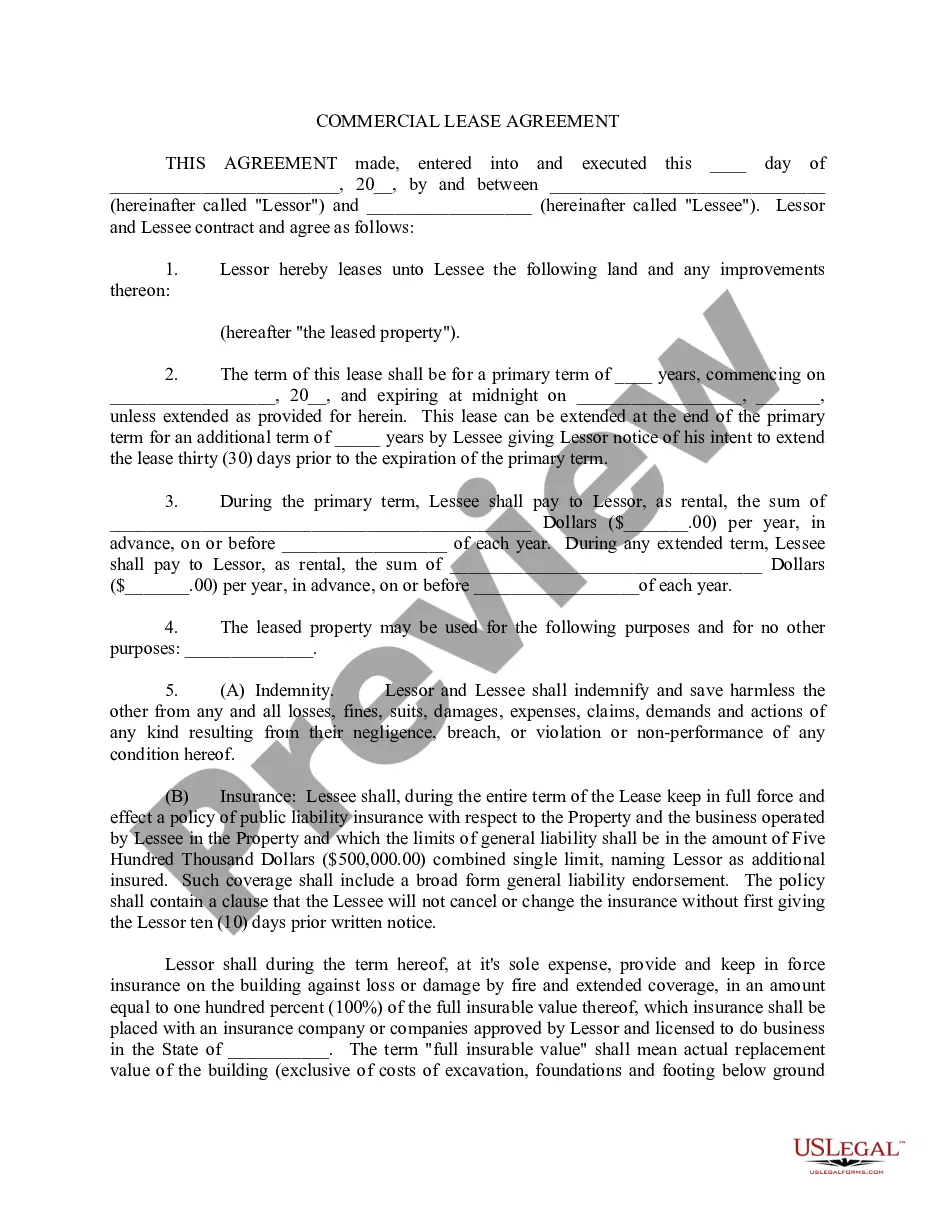
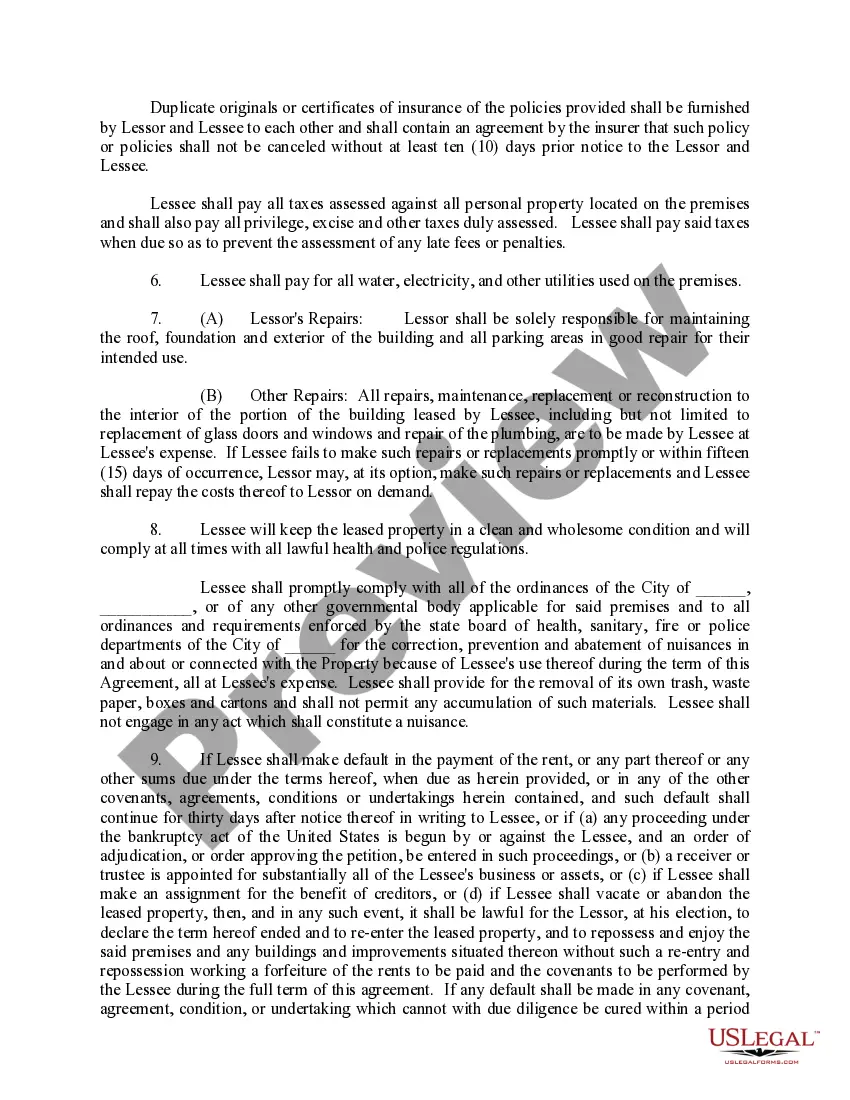
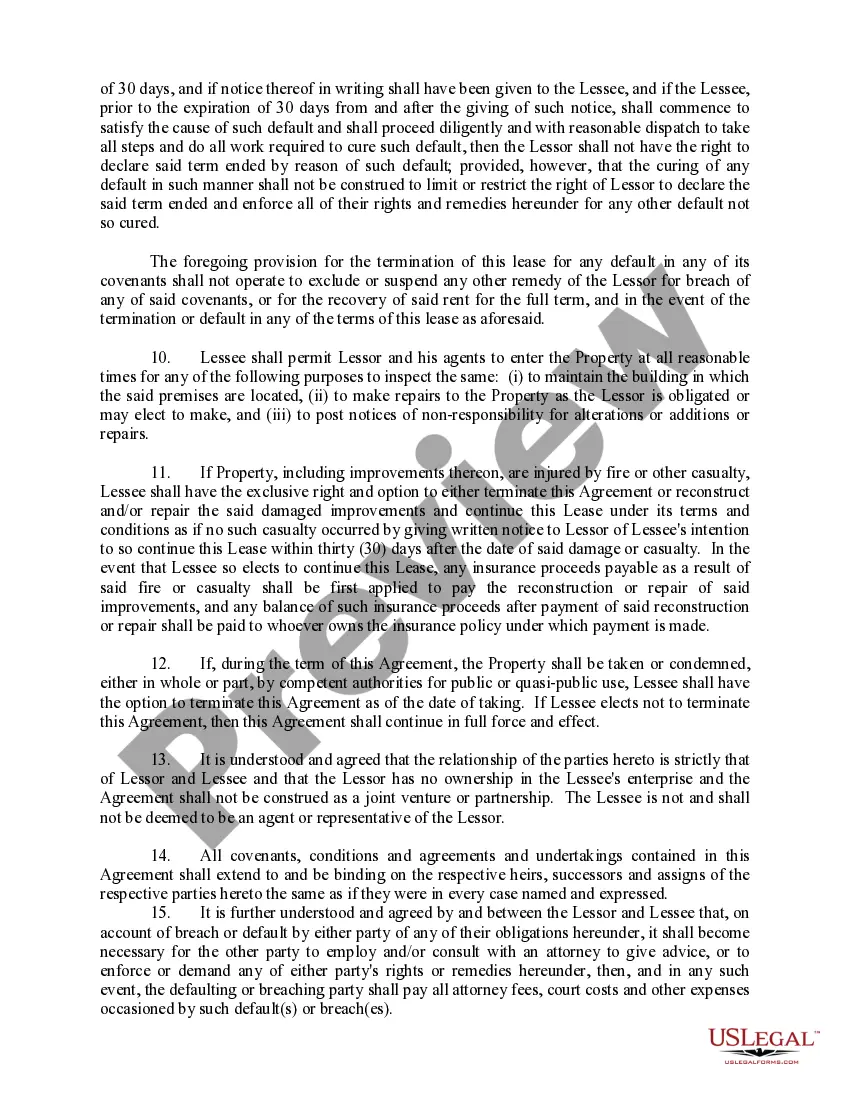
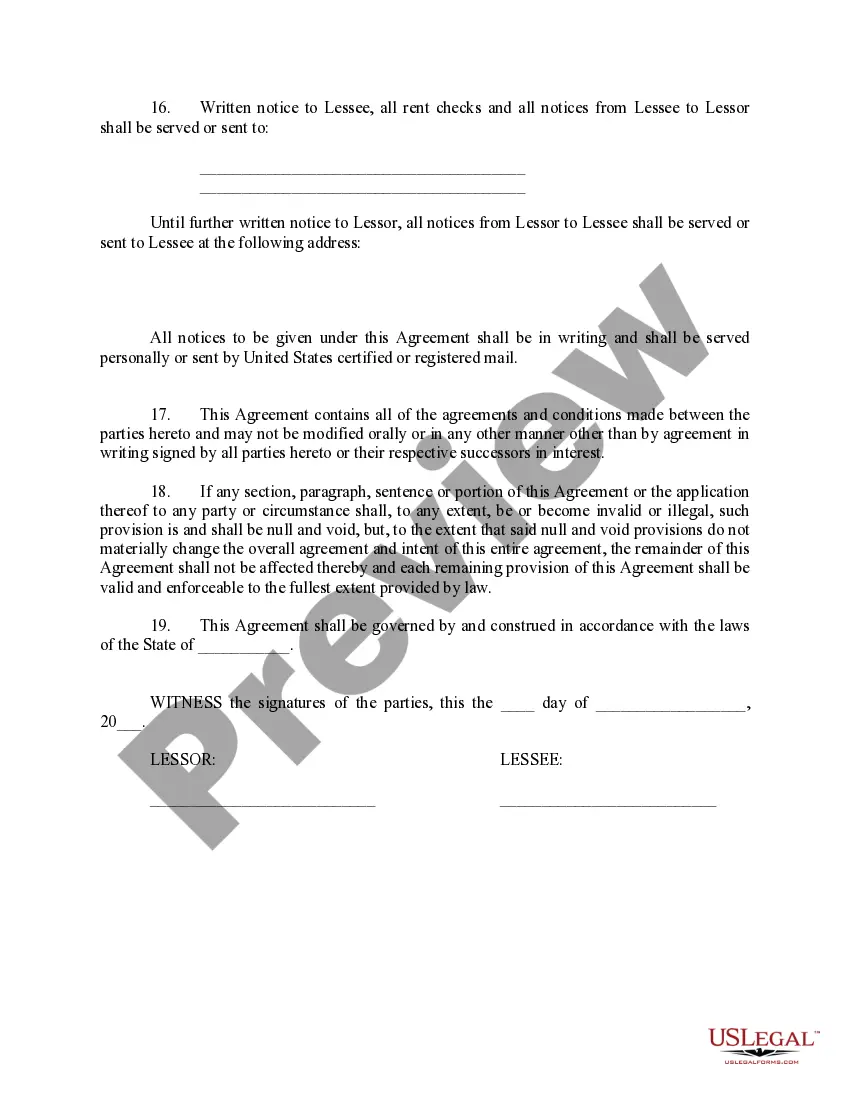

Get your form ready online
Our built-in tools help you complete, sign, share, and store your documents in one place.
Make edits, fill in missing information, and update formatting in US Legal Forms—just like you would in MS Word.
Download a copy, print it, send it by email, or mail it via USPS—whatever works best for your next step.
Sign and collect signatures with our SignNow integration. Send to multiple recipients, set reminders, and more. Go Premium to unlock E-Sign.
If this form requires notarization, complete it online through a secure video call—no need to meet a notary in person or wait for an appointment.
We protect your documents and personal data by following strict security and privacy standards.

Make edits, fill in missing information, and update formatting in US Legal Forms—just like you would in MS Word.

Download a copy, print it, send it by email, or mail it via USPS—whatever works best for your next step.

Sign and collect signatures with our SignNow integration. Send to multiple recipients, set reminders, and more. Go Premium to unlock E-Sign.

If this form requires notarization, complete it online through a secure video call—no need to meet a notary in person or wait for an appointment.

We protect your documents and personal data by following strict security and privacy standards.
Looking for another form?








Form popularity
FAQ
Carefully considering your business needs and financial situation when choosing a commercial lease type is important. Gross Lease. Often found in office buildings and retail spaces, gross leases provide a simple, all-inclusive rental arrangement. Net Lease. Modified Gross Lease. Percentage Lease.
Yes. Leases in this state must be notarized to comply with the law.
While it is indeed a broad term, to put it simply, commercial real estate is every single property short of a single-family residential home. If it's not a single-family detached residential home, condo, or town-home — you can place a safe bet on the fact that it's commercial.
Retail spaces are designed to sell products directly to customers. Think of stores where you buy clothes or groceries. Commercial spaces are used for a wider range of business activities, such as office work, manufacturing, product storage, and medical care.
Commercial property includes office buildings, medical centers, hotels, malls, retail stores, multifamily housing buildings, farm land, warehouses, and garages.
Retail spaces are designed to sell products directly to customers. Think of stores where you buy clothes or groceries. Commercial spaces are used for a wider range of business activities, such as office work, manufacturing, product storage, and medical care.
Retail leases are usually shorter, maybe three to five years. They often include rules about how the space can be used and decorated. Commercial leases tend to be longer, sometimes 10 years or more. They might have different terms about who's responsible for maintenance and improvements.
Commercial property is real estate that is used for business activities. Commercial property usually refers to buildings that house businesses, but can also refer to land used to generate a profit, as well as large residential rental properties.
Gross Lease Gross leases are most common for commercial properties such as offices and retail space. The tenant pays a single, flat amount that includes rent, taxes, utilities, and insurance.
This umbrella term can include storefronts, restaurants, office spaces, warehouses, hotels, malls, and any number of other buildings. Retail stores are a type of commercial construction that we see often here at DESCCO.
