Injury Lawyer Fort Worth In Ohio
Description

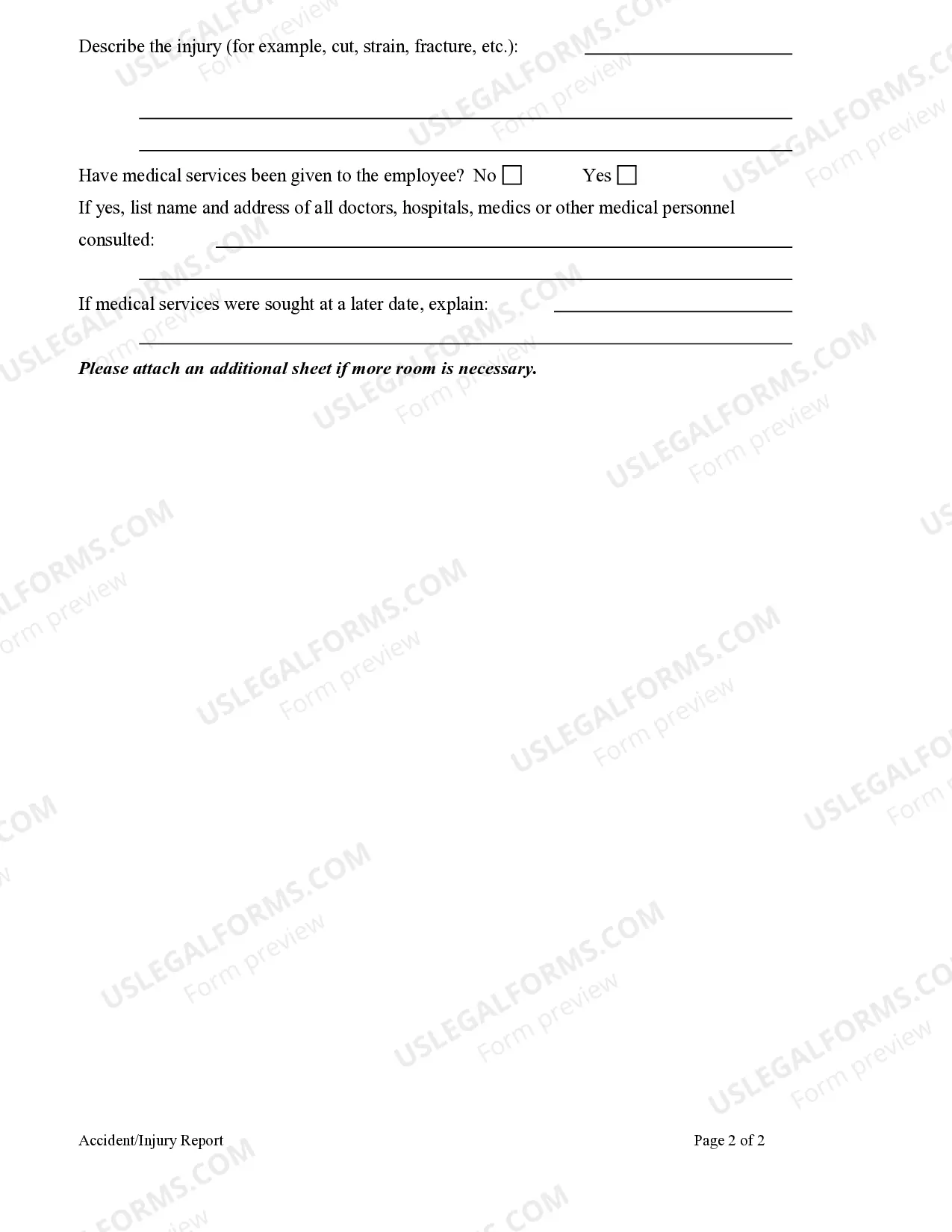
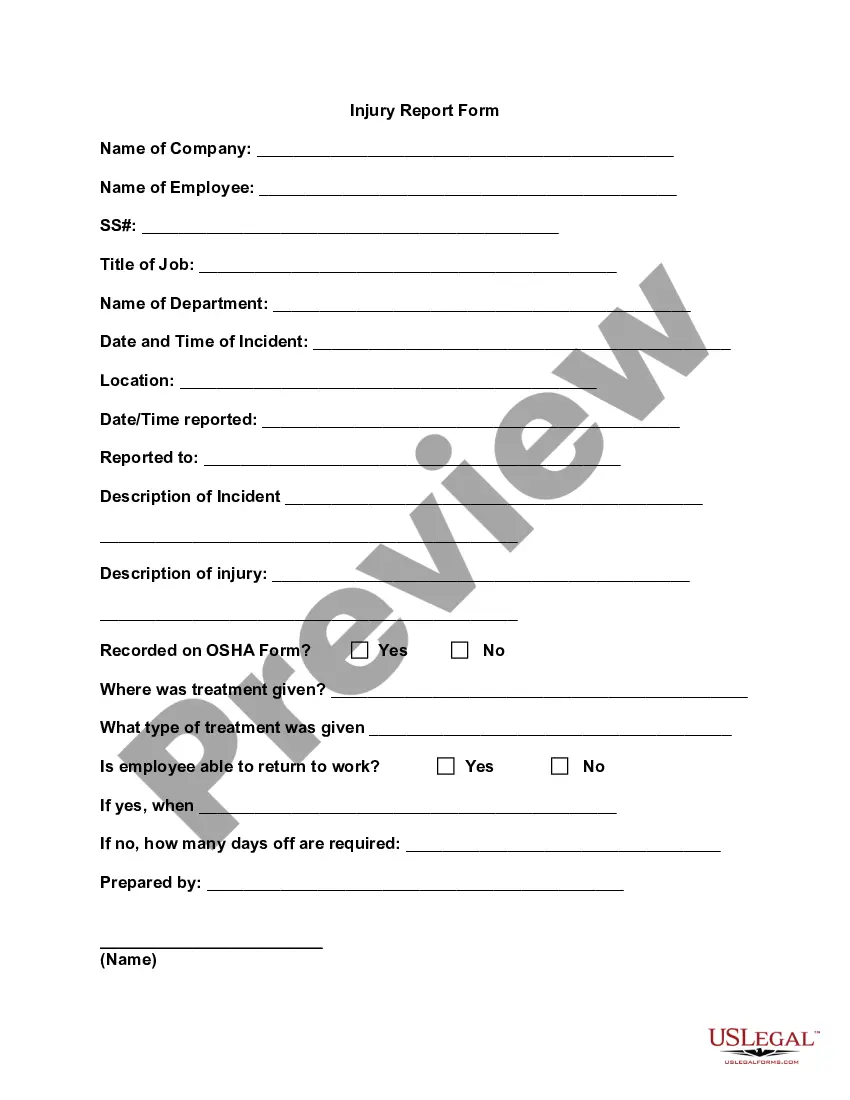
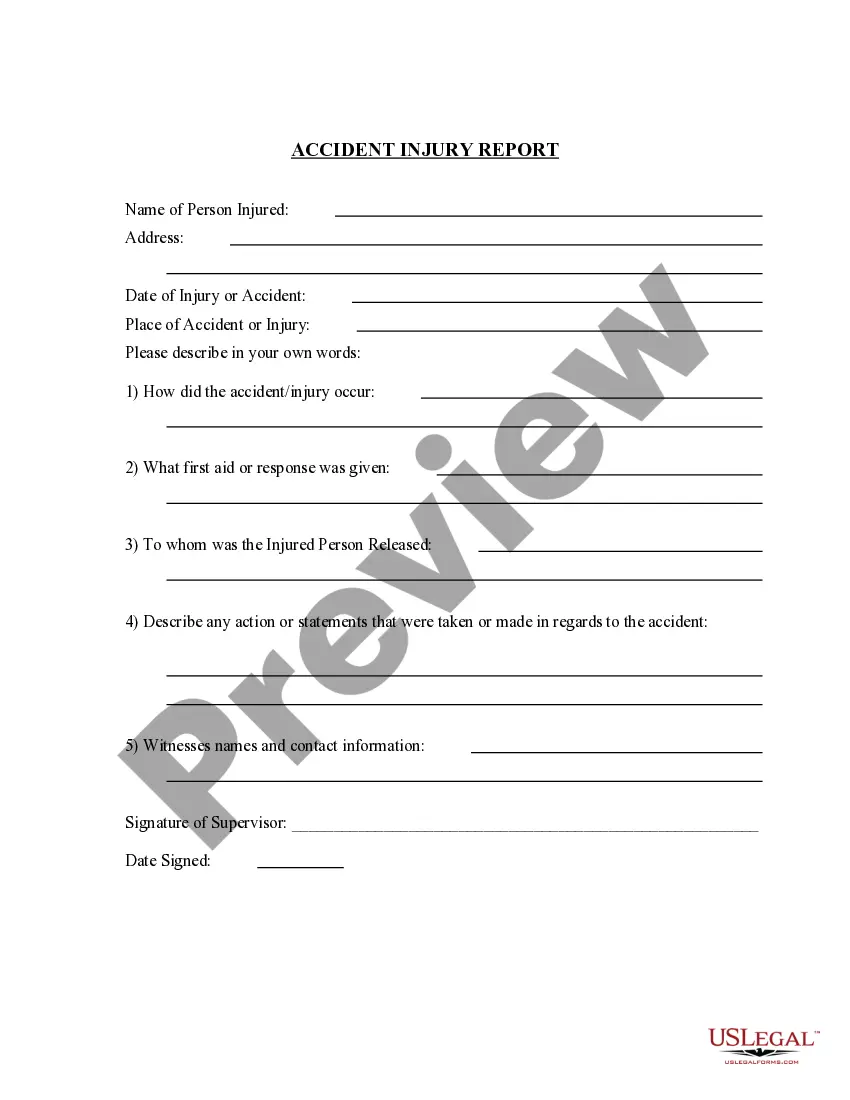
Get your form ready online
Our built-in tools help you complete, sign, share, and store your documents in one place.
Make edits, fill in missing information, and update formatting in US Legal Forms—just like you would in MS Word.
Download a copy, print it, send it by email, or mail it via USPS—whatever works best for your next step.
Sign and collect signatures with our SignNow integration. Send to multiple recipients, set reminders, and more. Go Premium to unlock E-Sign.
If this form requires notarization, complete it online through a secure video call—no need to meet a notary in person or wait for an appointment.
We protect your documents and personal data by following strict security and privacy standards.

Make edits, fill in missing information, and update formatting in US Legal Forms—just like you would in MS Word.

Download a copy, print it, send it by email, or mail it via USPS—whatever works best for your next step.

Sign and collect signatures with our SignNow integration. Send to multiple recipients, set reminders, and more. Go Premium to unlock E-Sign.

If this form requires notarization, complete it online through a secure video call—no need to meet a notary in person or wait for an appointment.

We protect your documents and personal data by following strict security and privacy standards.
Looking for another form?
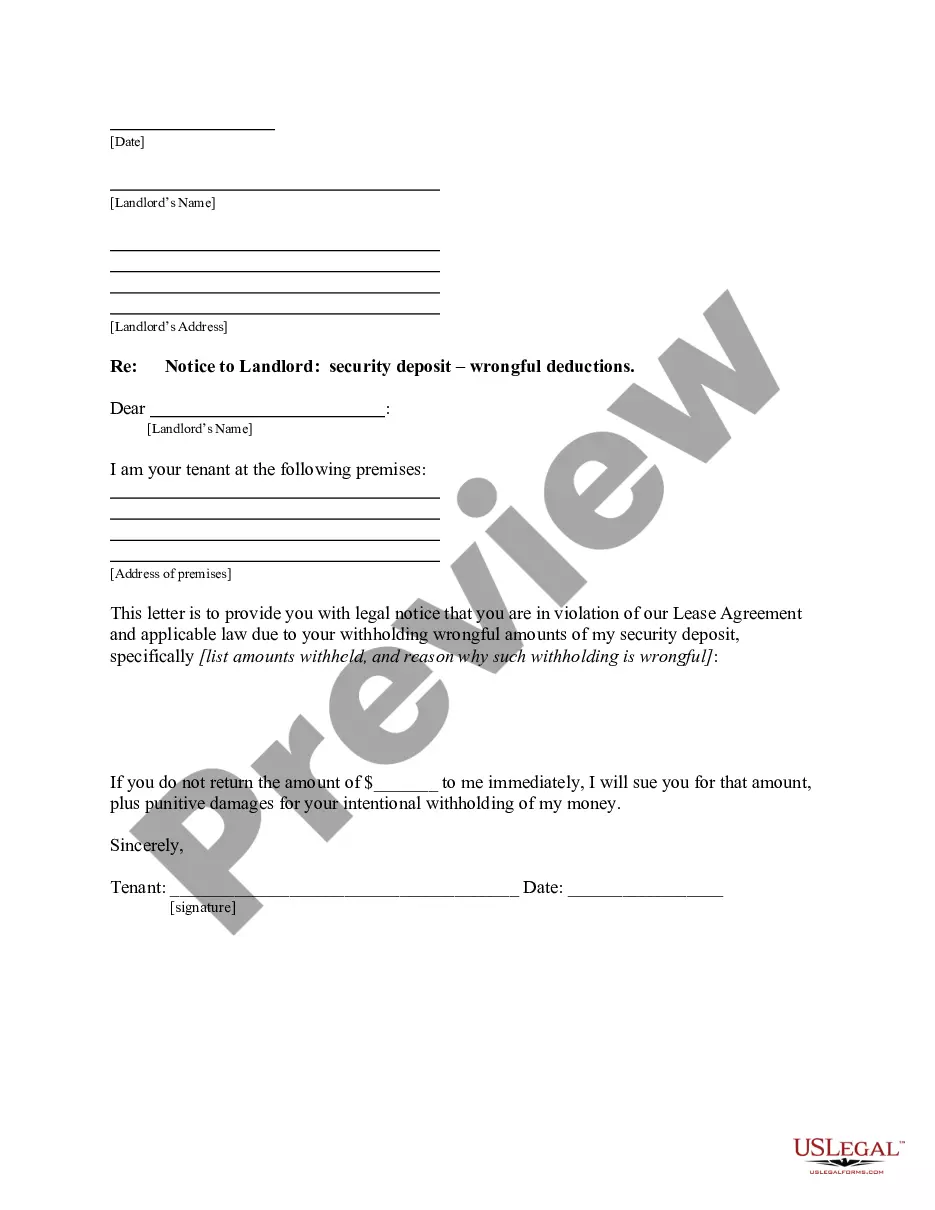


Form popularity
FAQ
In Ohio, the statute of limitations for filing a claim after a car accident is generally two years from the date of the accident. If you don't settle your case before the two year anniversary, it is critical that you file your lawsuit within this timeframe. There are only a few exceptions to this rule.
Ohio law, Ohio Revised Code § 2305.10 (A), states that most personal injury claims, including those arising from car accidents, must be filed within two years of the cause of action occurring. This means that the time frame starts from the date of negligence or discovery.
Ohio Jury Payout Statistics Jury Verdict Research published a recent study indicating that the average verdict in personal injury lawsuits in Ohio is $303,955. The median personal injury verdict in Ohio is only $13,000. Approximately three percent of Ohio personal injury verdicts exceed $1,000,000.
Ohio law gives you two years from the date of injury to file a personal injury lawsuit. Usually, this statute of limitations is very strict, meaning you will be unable to bring a legal action if these two years elapse.
Statutes of Limitations in Ohio Cause of ActionStatute Personal injury: 2 years Ohio Rev. Code § 2305.10(A) (2025) Product liability: 2 years Ohio Rev. Code § 2305.10(A) (2025) Property damage: 2 or 4 years Ohio Rev. Code § 2305.09(D) (2025); Ohio Rev. Code § 2305.10(A) (2025) Slander: 1 year Ohio Rev. Code § 2305.11(A) (2025)10 more rows •
Calculating Pain and Suffering Damages in Ohio Multiplying economic damages for medical expenses and lost wages by a factor of 3 to 5 that reflects the severity of pain and suffering; Setting a daily, or per diem, pain and suffering rate; or. Seeking the maximum pain and suffering award allowable under Ohio law.
Time limits The most common claim in a personal injury case is negligence and the time limit for this is 3 years. This means that court proceedings must be issued within 3 years of you first being aware that you have suffered an injury.
The percentage depends on the firm. Generally, it ranges from 25% to 40% of the total negotiated settlement or court award.
Be it expressly stated that this Power of Attorney is being granted in favour of the said Attorney(es) without any consideration and no right, title or interest is created in favour of the Attorney on the property, which is the subject matter of this Power of Attorney and that further the said Attorney(es) shall not ...
These steps are as follows: Determine the type of Power of Attorney to Get. Choose the Agent. Ascertain the Scope of the Agent's Authority. Draft or Complete a POA form. Print and sign the POA form. Retain and distribute copies of the POA. Agents Certification Form (Optional) ... Update as Circumstances Change.
