Commercial Lease Agreement Application With Kitchen In Ohio
Description
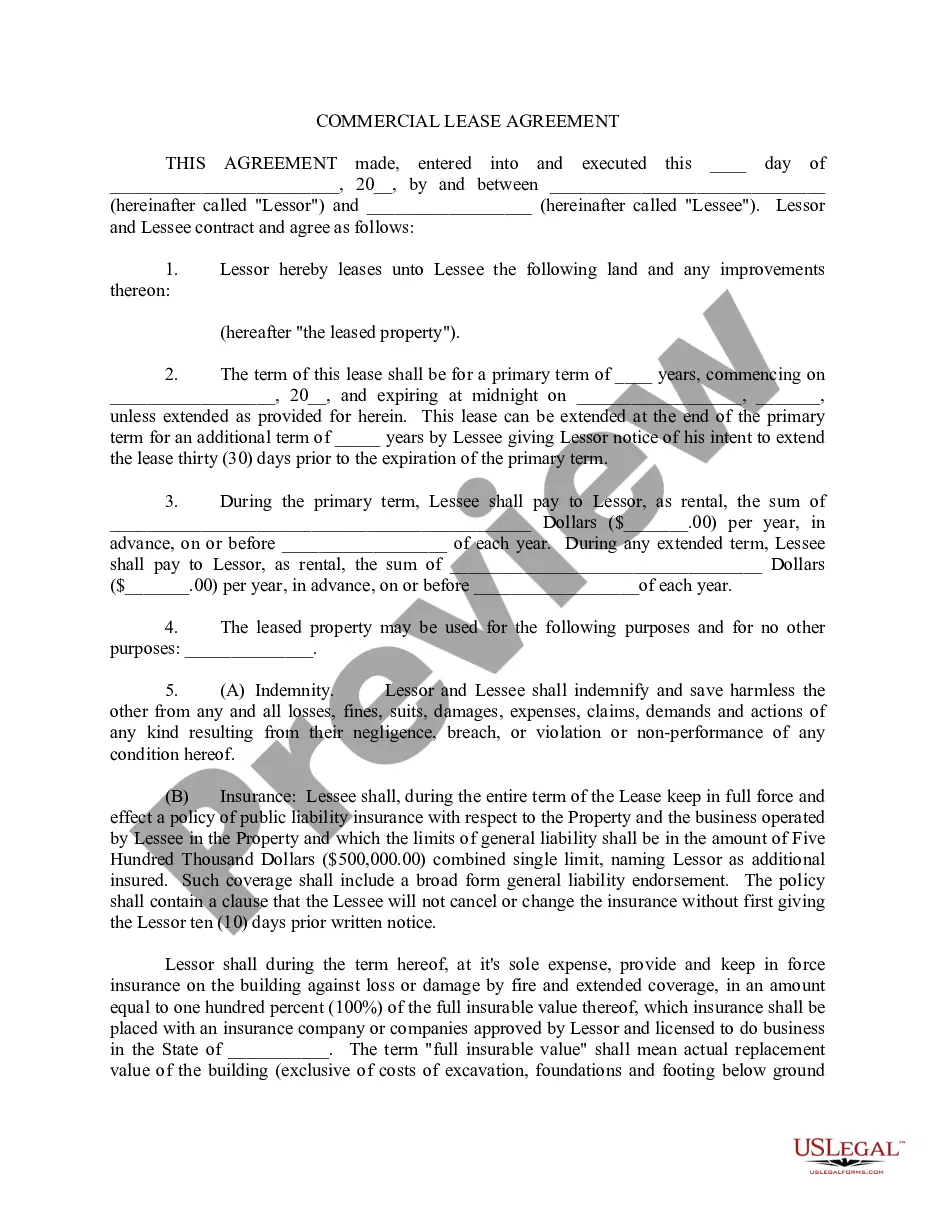
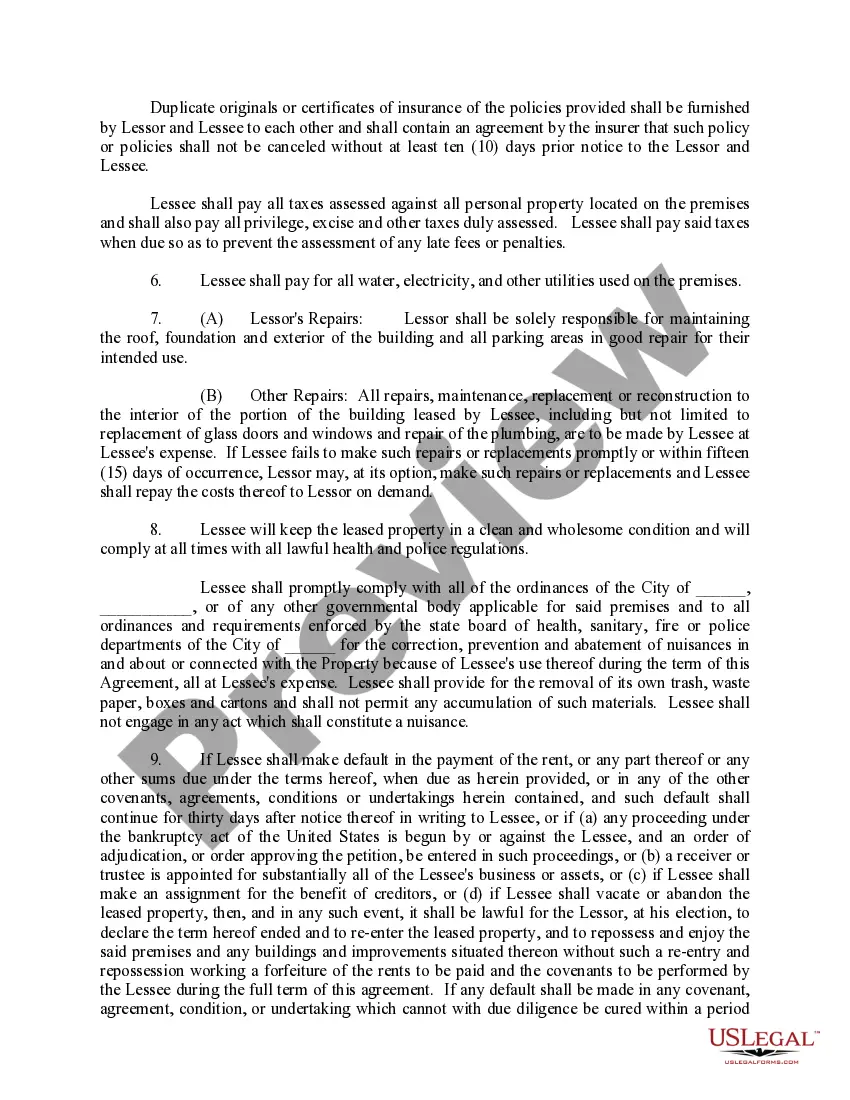
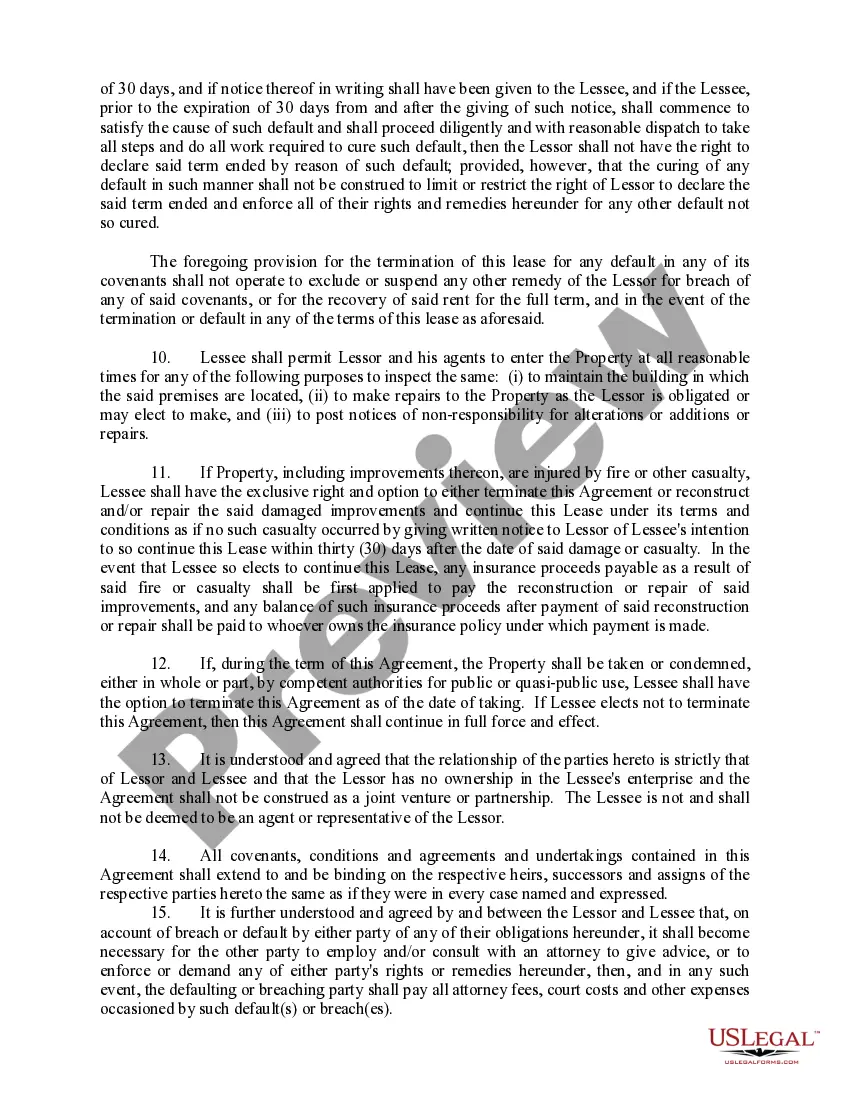
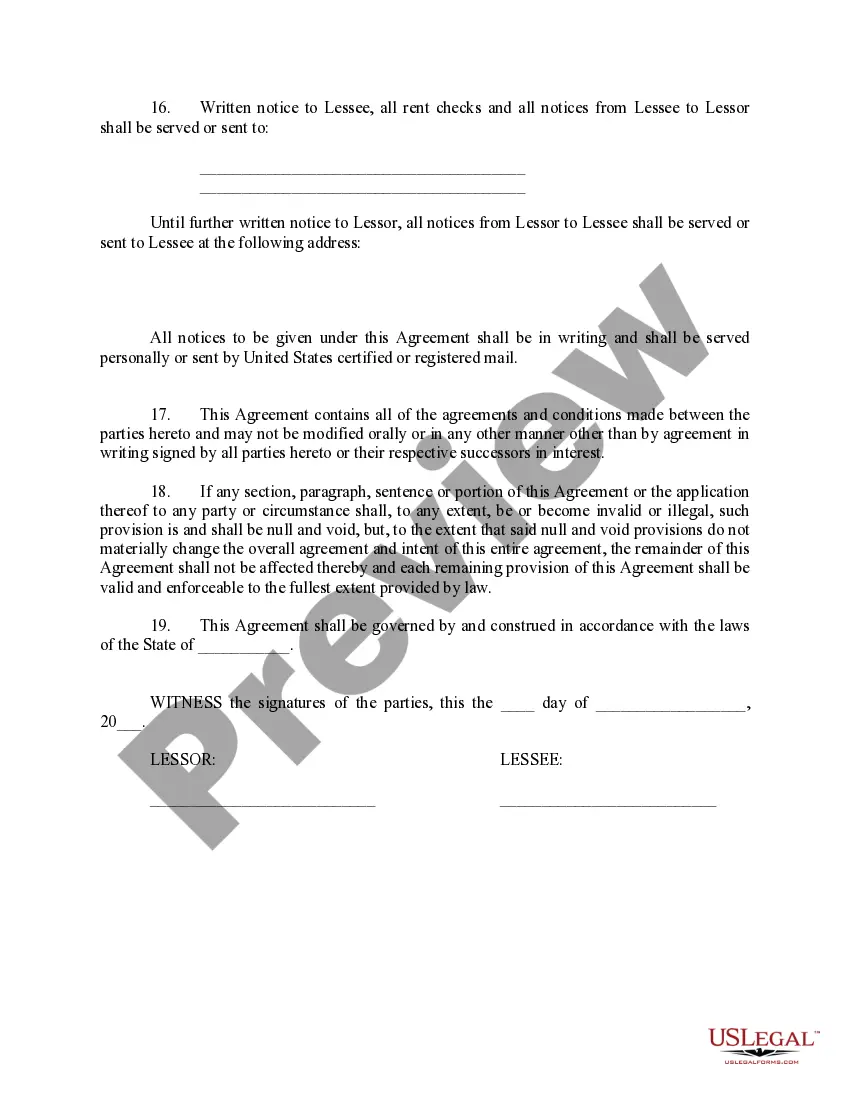
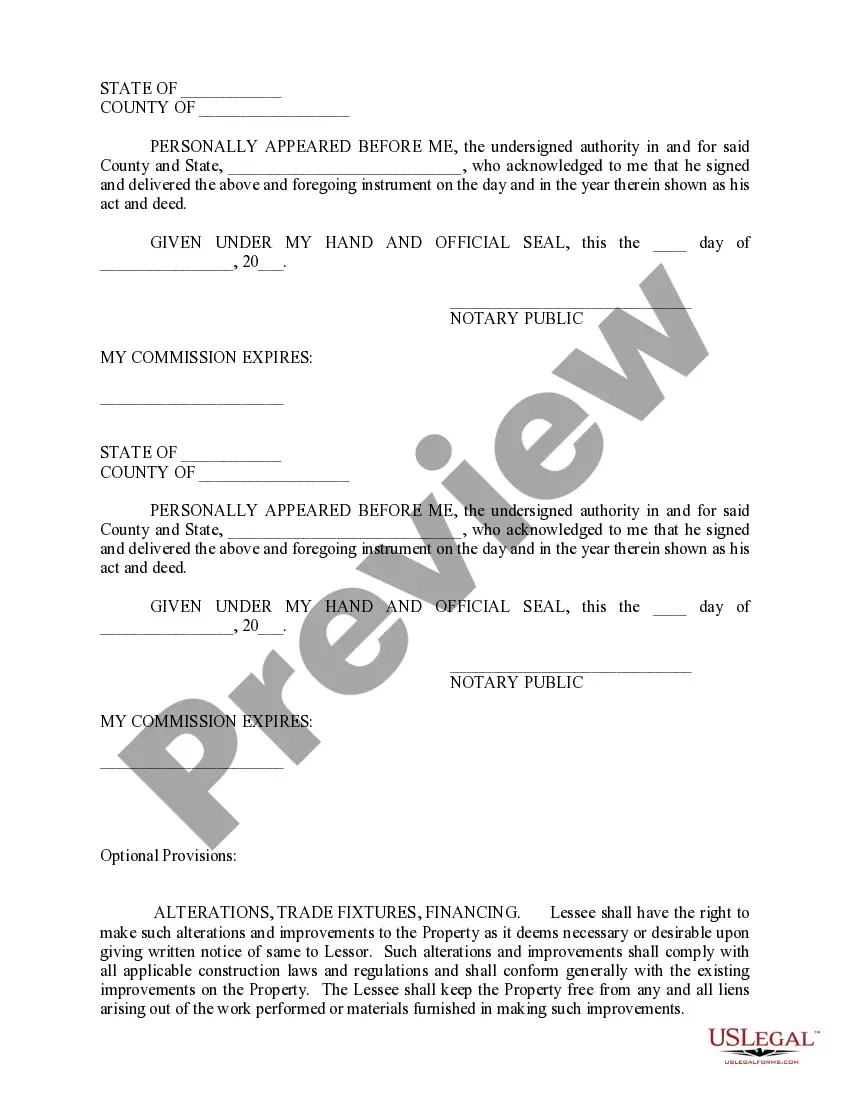

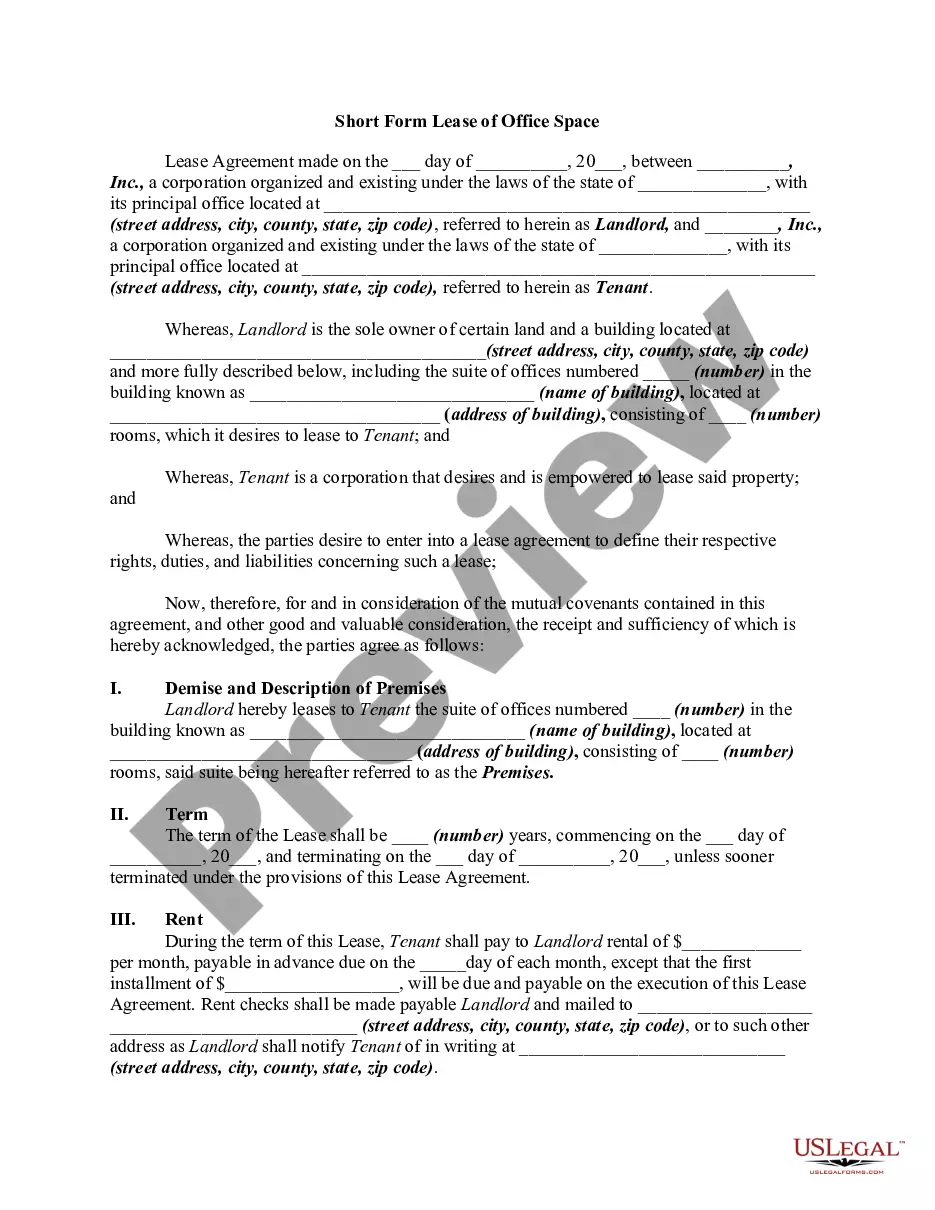
Get your form ready online
Our built-in tools help you complete, sign, share, and store your documents in one place.
Make edits, fill in missing information, and update formatting in US Legal Forms—just like you would in MS Word.
Download a copy, print it, send it by email, or mail it via USPS—whatever works best for your next step.
Sign and collect signatures with our SignNow integration. Send to multiple recipients, set reminders, and more. Go Premium to unlock E-Sign.
If this form requires notarization, complete it online through a secure video call—no need to meet a notary in person or wait for an appointment.
We protect your documents and personal data by following strict security and privacy standards.

Make edits, fill in missing information, and update formatting in US Legal Forms—just like you would in MS Word.

Download a copy, print it, send it by email, or mail it via USPS—whatever works best for your next step.

Sign and collect signatures with our SignNow integration. Send to multiple recipients, set reminders, and more. Go Premium to unlock E-Sign.

If this form requires notarization, complete it online through a secure video call—no need to meet a notary in person or wait for an appointment.

We protect your documents and personal data by following strict security and privacy standards.
Looking for another form?









Form popularity
FAQ
In most cases, a contract does not have to be notarized since the signed contract itself is enforceable and legally binding in state or federal courts. Many types of written contracts don't require a notary public to be valid.
Yes. Leases in this state must be notarized to comply with the law.
A lease agreement is a legally binding contract outlining the terms under which one party agrees to rent property, whether real or personal, from another party. This agreement includes important details such as the rent amount, duration, responsibilities of both parties, and conditions for terminating the agreement.
The parties should record the lease or record a short form of the lease. Ohio law requires that the lease be recorded in the office of the county recorder where the land exists or it will not be valid against a purchaser of the land who lacks knowledge of the lease.
Required Commercial Kitchen Licenses and Permits in Ohio Certificate of Occupancy. Food Handler's License, also known as Food Service License. Seller's Permit. Catering Business License. Food Facility Health Permit.
For kitchens, the requirements include: A minimum kitchen area of 50 square feet. Adequate countertop space for food preparation. Sufficient cabinetry for food storage. A sink with running water and a drain. A stove or stove hookup (microwaves and ovens cannot replace the stove).
The licenses and permits include a food license from the local health department, a Vendor's License from the Ohio Department of Taxation, a liquor license from the Ohio Department of Commerce/Division of Liquor Control, and specific licenses from the Ohio Department of Agriculture if your restaurant involves wholesale ...
The requirements may vary depending on the location and specific regulations, but here are some general guidelines: Health and Safety Regulations. Layout and Design. Ventilation and Exhaust Systems. Fire Safety. Flooring and Wall Materials. Commercial-Grade Appliances and Equipment. Handwashing Stations. Food Storage.
