Commercial Lease Agreement Application For Lease In Michigan
Description
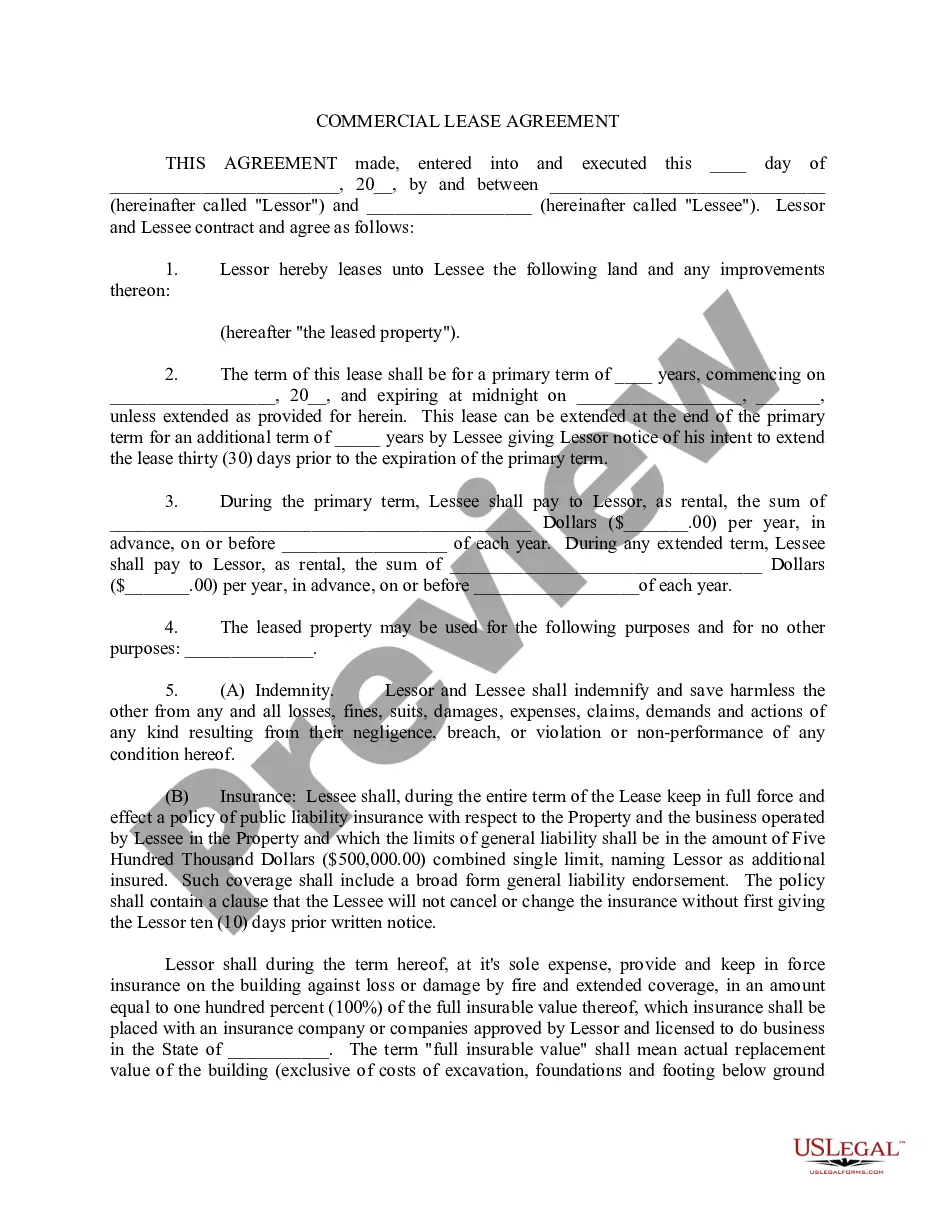
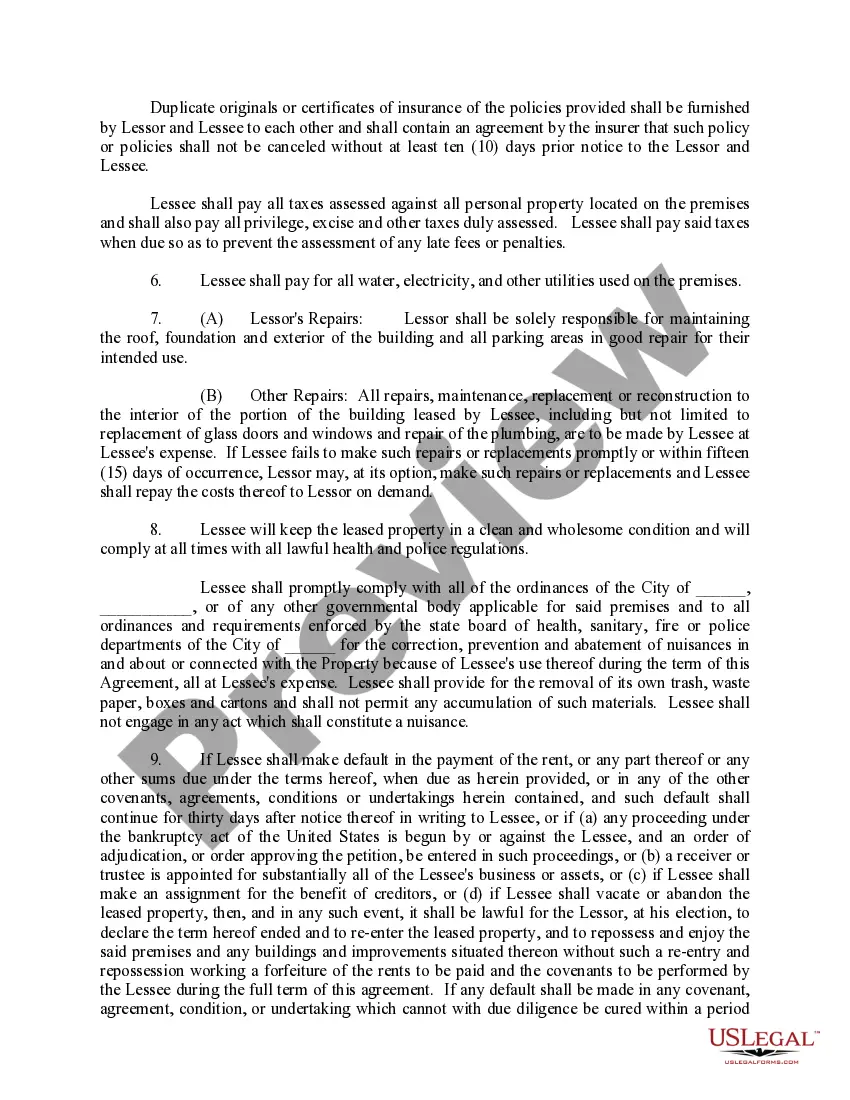
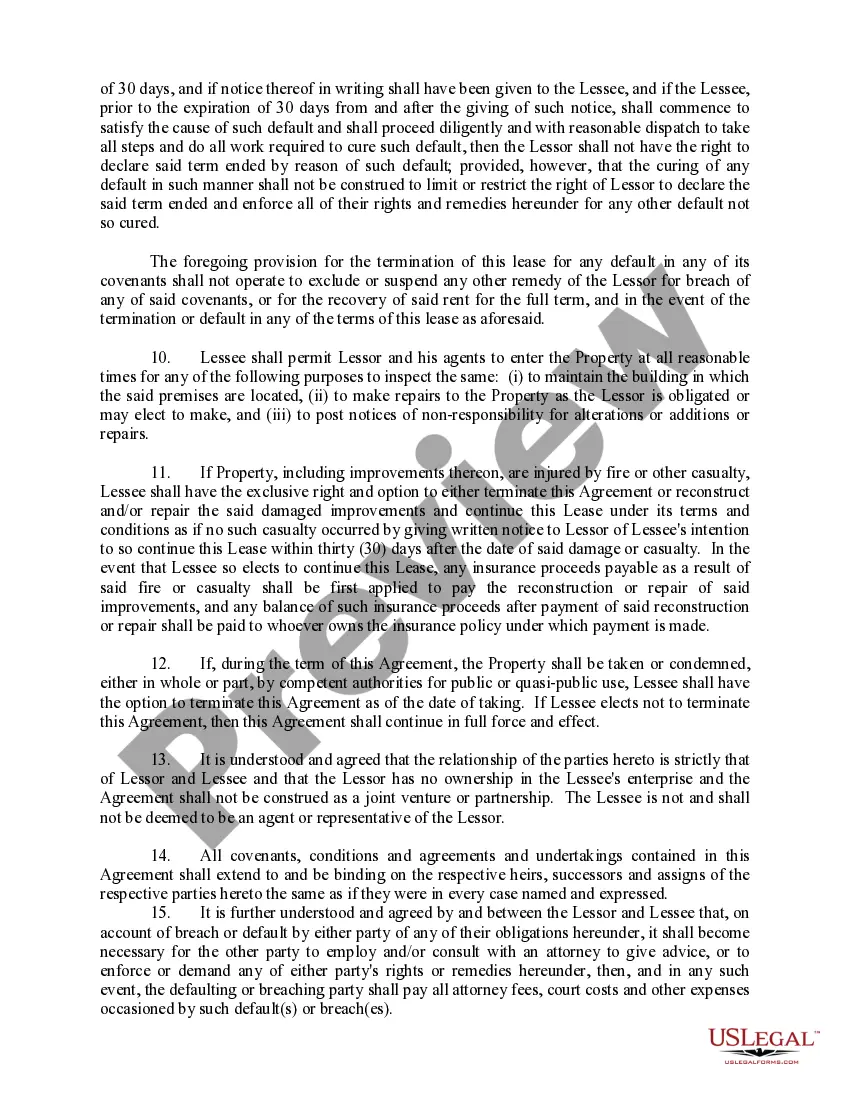
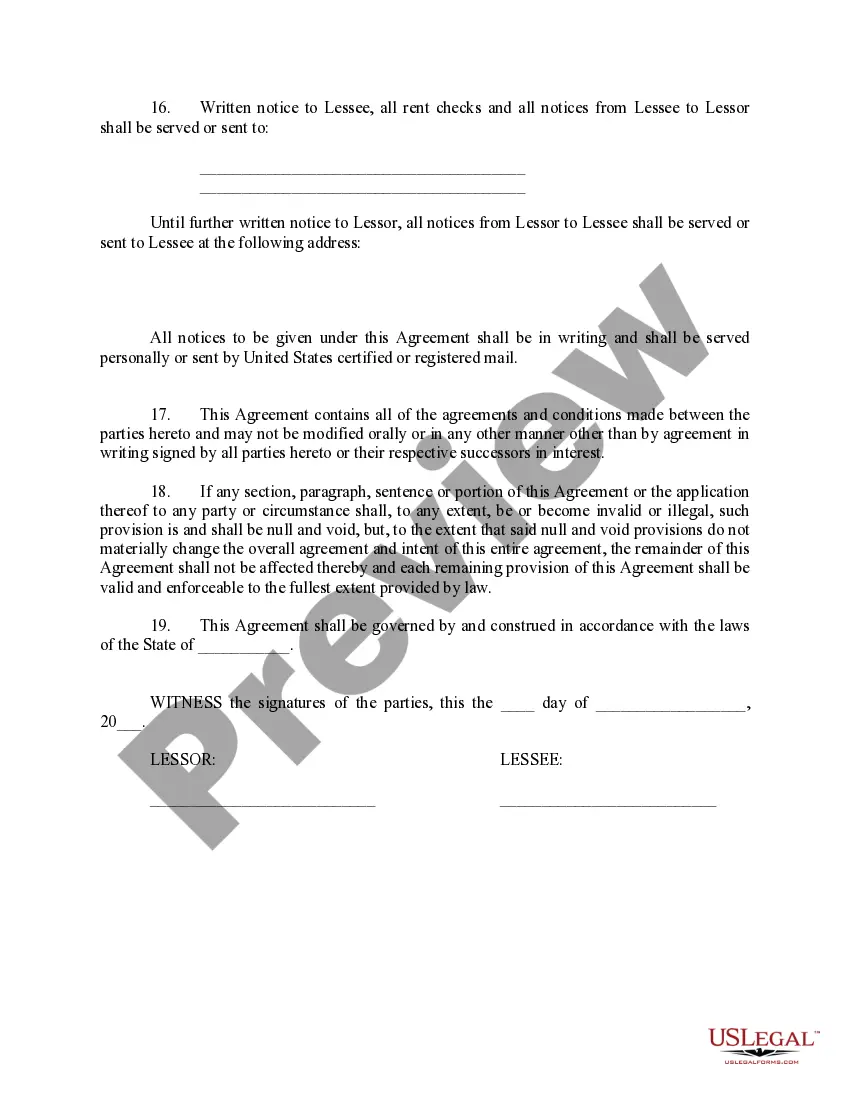
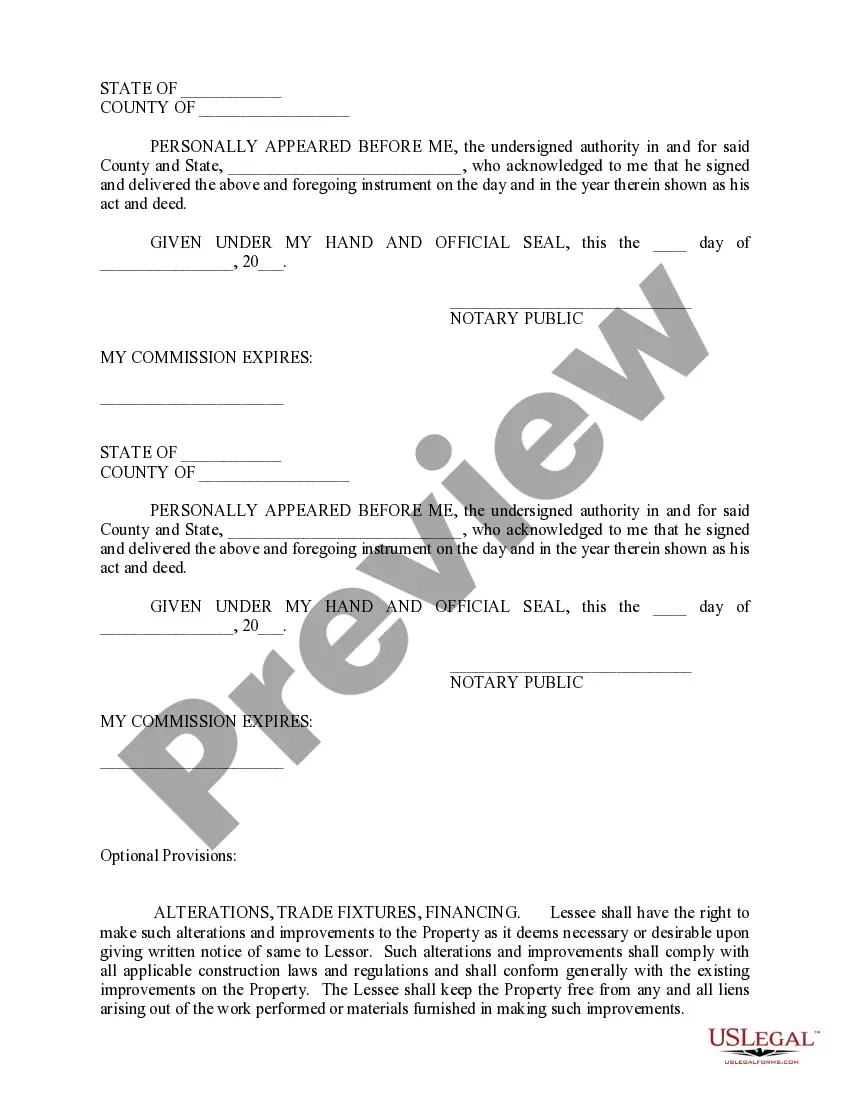

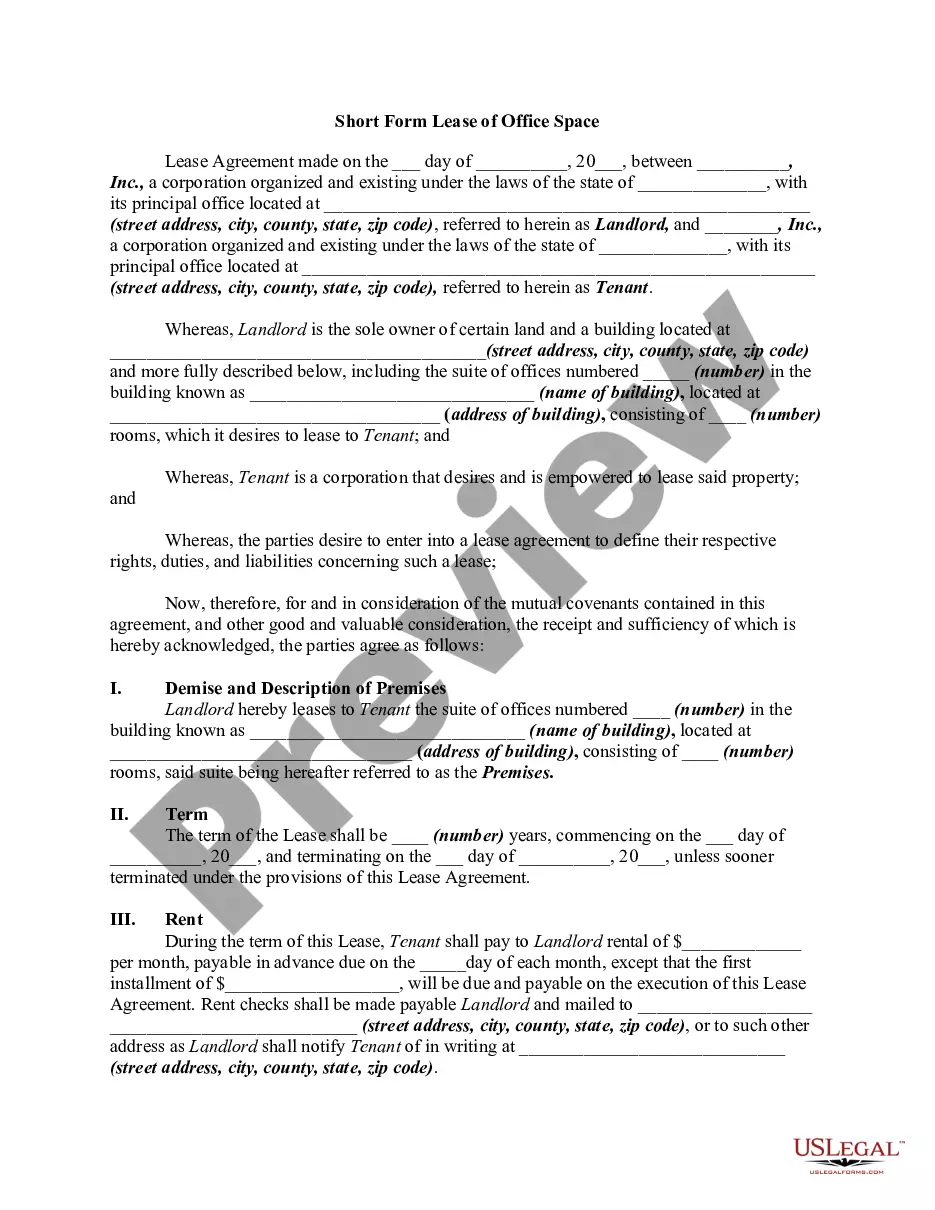
Get your form ready online
Our built-in tools help you complete, sign, share, and store your documents in one place.
Make edits, fill in missing information, and update formatting in US Legal Forms—just like you would in MS Word.
Download a copy, print it, send it by email, or mail it via USPS—whatever works best for your next step.
Sign and collect signatures with our SignNow integration. Send to multiple recipients, set reminders, and more. Go Premium to unlock E-Sign.
If this form requires notarization, complete it online through a secure video call—no need to meet a notary in person or wait for an appointment.
We protect your documents and personal data by following strict security and privacy standards.

Make edits, fill in missing information, and update formatting in US Legal Forms—just like you would in MS Word.

Download a copy, print it, send it by email, or mail it via USPS—whatever works best for your next step.

Sign and collect signatures with our SignNow integration. Send to multiple recipients, set reminders, and more. Go Premium to unlock E-Sign.

If this form requires notarization, complete it online through a secure video call—no need to meet a notary in person or wait for an appointment.

We protect your documents and personal data by following strict security and privacy standards.
Looking for another form?
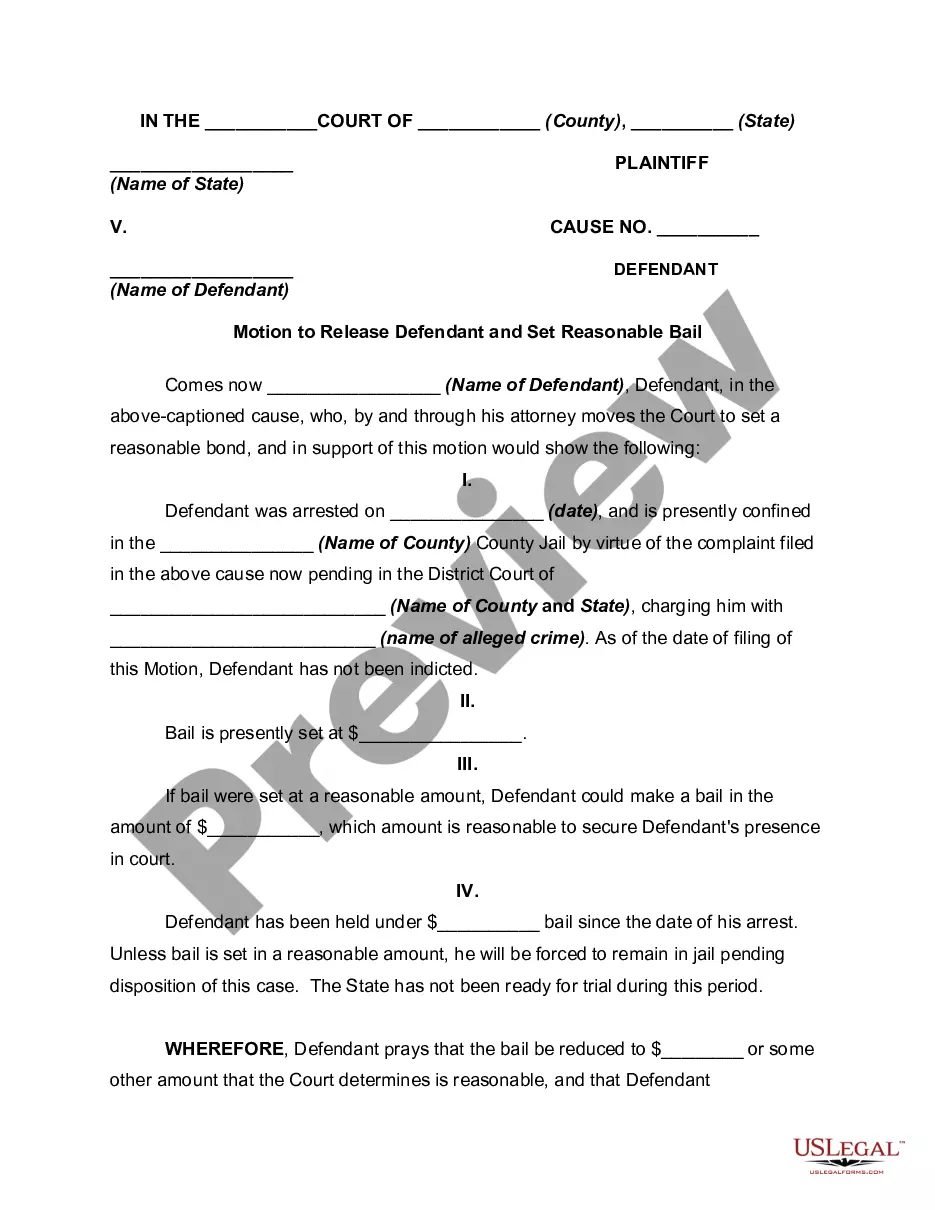

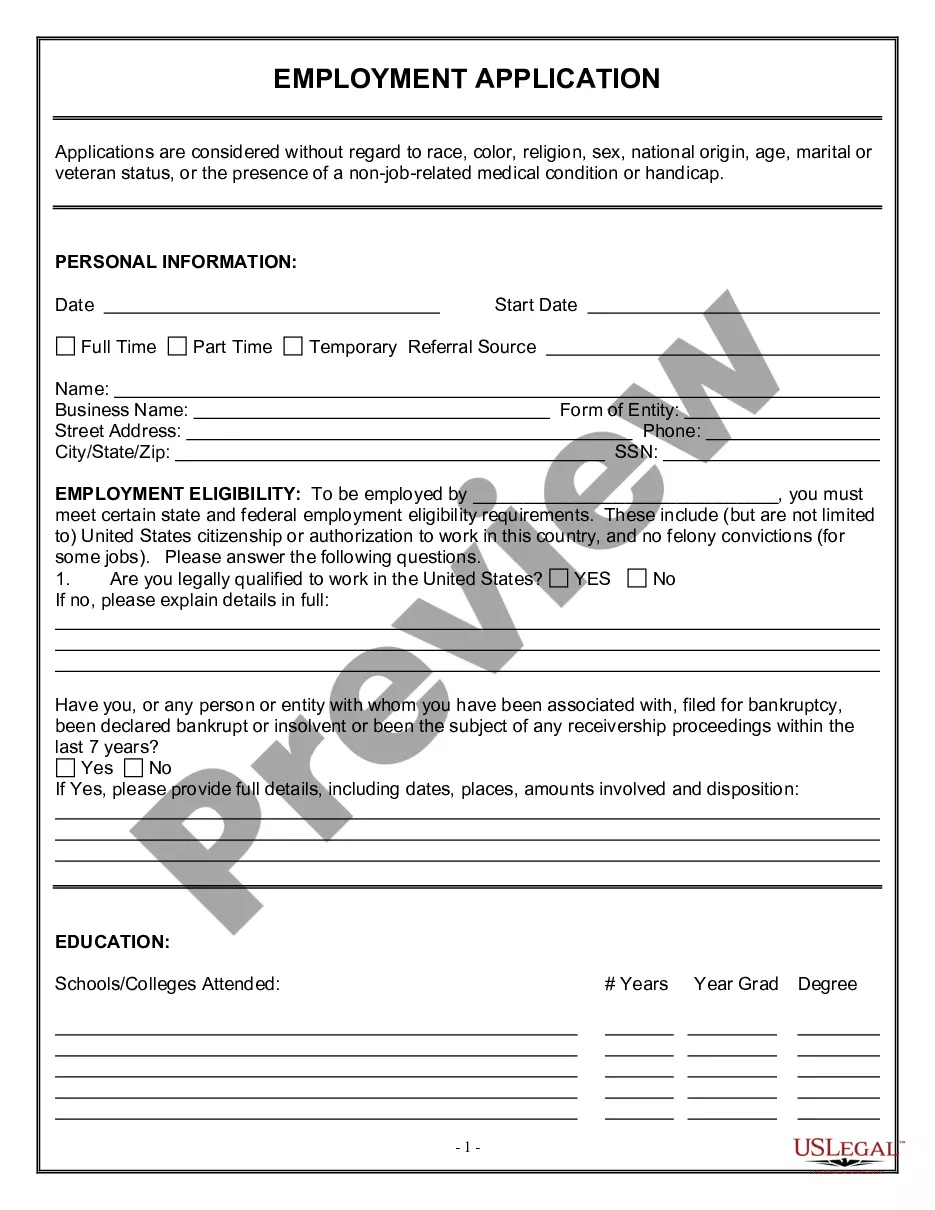





Form popularity
FAQ
No. Michigan Lease Agreements do not need to be notarized. The Rental Contract is legally binding as long as it's signed by both the Landlord, or the lessor, and the Tenant, or the lessee.
Leases don't have to be in writing. But if a lease is written, it must include the name and address where the landlord will notify the tenant of changes to the lease. The lease must tell tenants they must give the landlord a forwarding address in writing where they can be reached within four days after moving out.
Under Senate Bills 205, 206 and 207, landlords cannot deny a renter housing based on their source of income including Section 8 housing choice vouchers, public assistance, veterans' benefits, Social Security, supplemental security income or other retirement programs.
It's not necessary. Typically, one of the parties may request to have the document signed and notarized, but it's not required by Michigan laws.
Gross Lease: In gross leases, the landlord will be responsible for paying all of the expenses surrounding the property, including property taxes, area expenses, and insurance. On the other hand, the tenant will only be responsible for paying monthly rent.
Tenants in Michigan should provide their landlords with written notice if they want to break a lease for any reason. Here's an overview of the applicable lease terms: Weekly Lease - Seven days of notice. Monthly Lease - 30 days of notice.
