Commercial Lease Agreement Application With Kitchen In Florida
Description
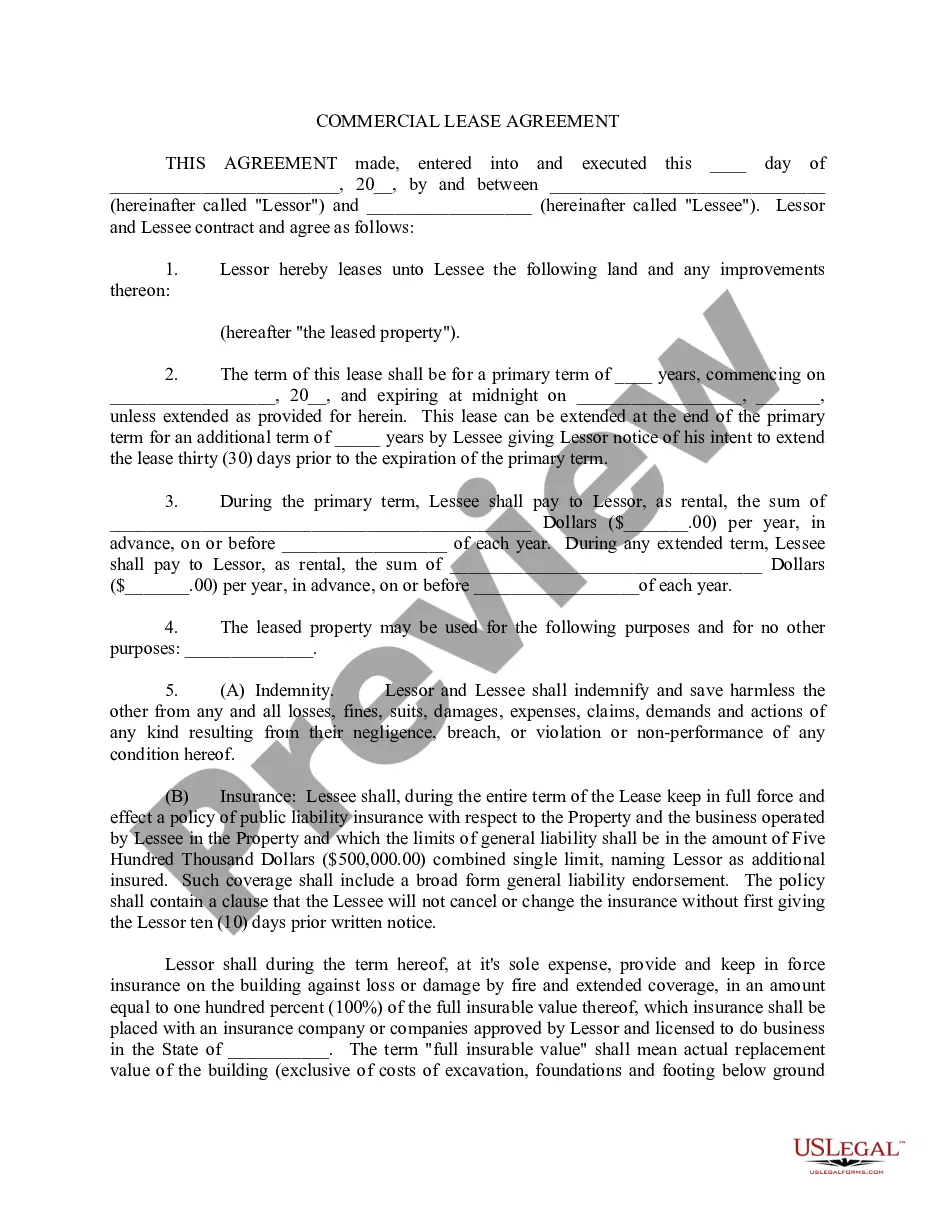
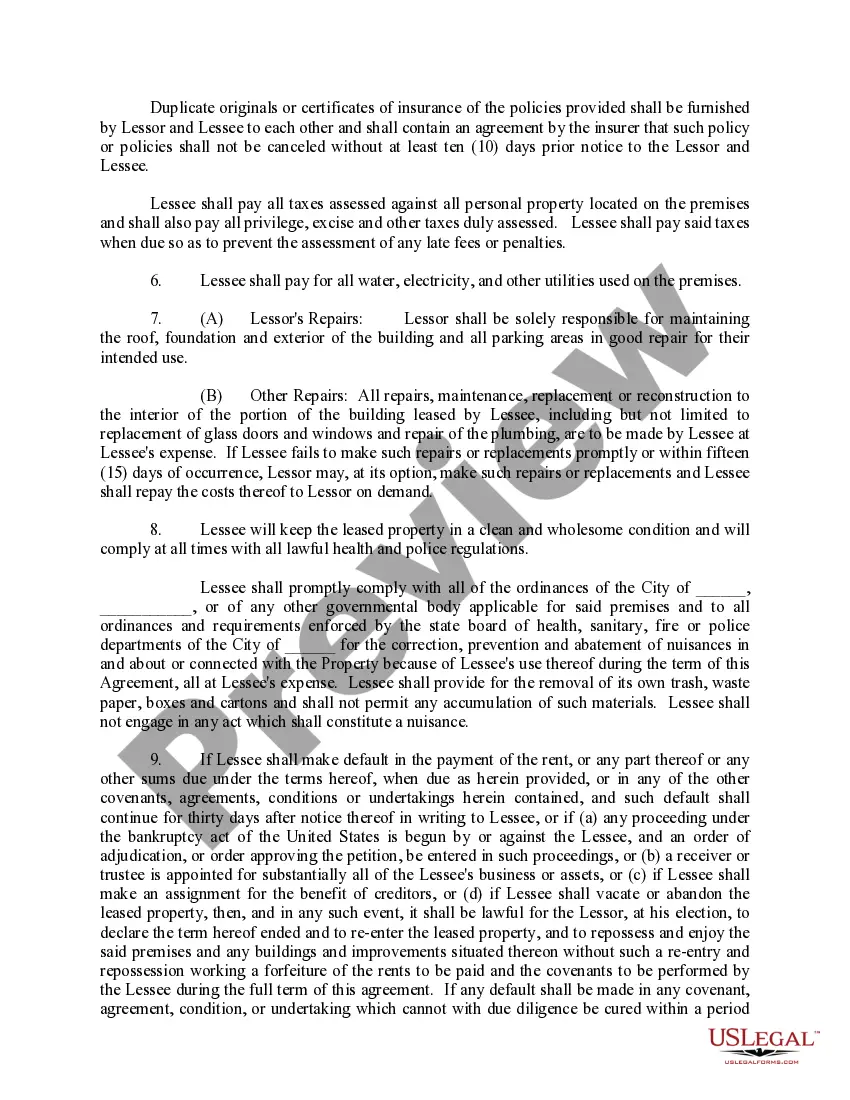
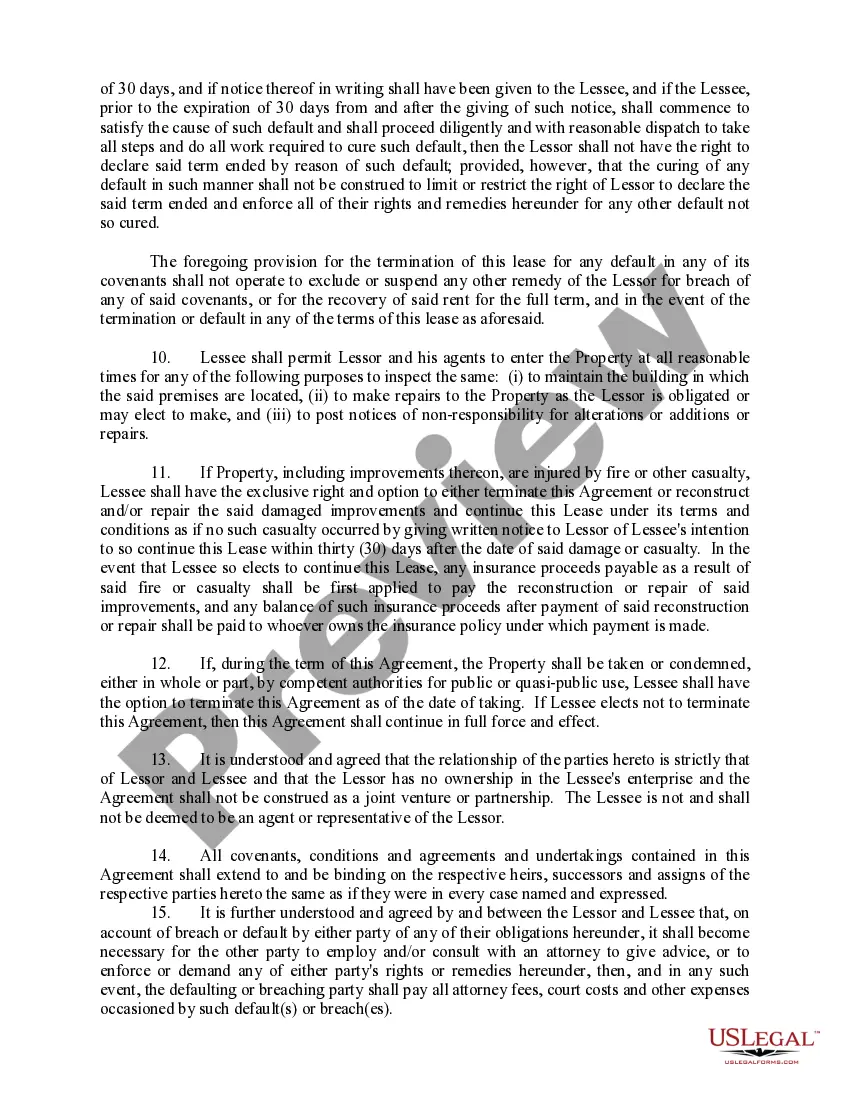
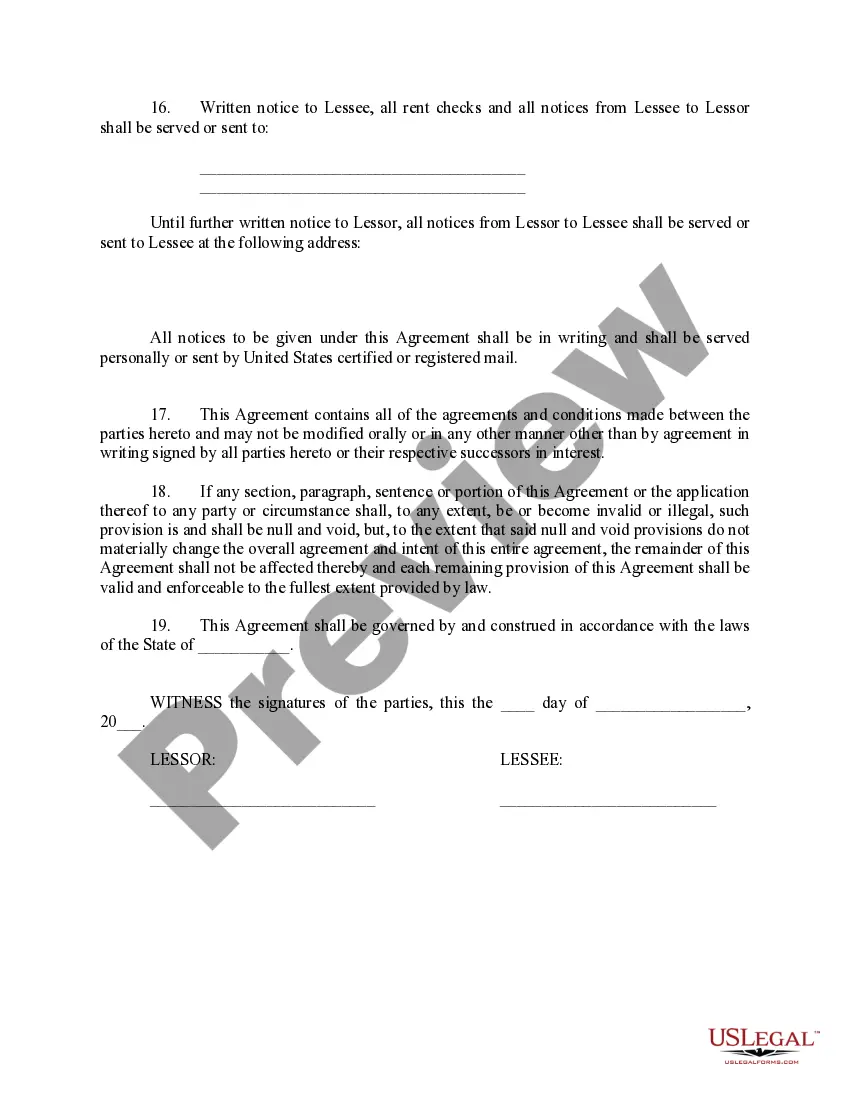

Get your form ready online
Our built-in tools help you complete, sign, share, and store your documents in one place.
Make edits, fill in missing information, and update formatting in US Legal Forms—just like you would in MS Word.
Download a copy, print it, send it by email, or mail it via USPS—whatever works best for your next step.
Sign and collect signatures with our SignNow integration. Send to multiple recipients, set reminders, and more. Go Premium to unlock E-Sign.
If this form requires notarization, complete it online through a secure video call—no need to meet a notary in person or wait for an appointment.
We protect your documents and personal data by following strict security and privacy standards.

Make edits, fill in missing information, and update formatting in US Legal Forms—just like you would in MS Word.

Download a copy, print it, send it by email, or mail it via USPS—whatever works best for your next step.

Sign and collect signatures with our SignNow integration. Send to multiple recipients, set reminders, and more. Go Premium to unlock E-Sign.

If this form requires notarization, complete it online through a secure video call—no need to meet a notary in person or wait for an appointment.

We protect your documents and personal data by following strict security and privacy standards.
Looking for another form?








Form popularity
FAQ
In conclusion, a net lease can be a great option for restaurants looking to lease a space. It provides predictable expenses, gives the tenant more control over building maintenance, and can provide tax benefits.
You have an opportunity to negotiate with the landlord or agent before entering a lease, to ensure it meets your needs. Before entering into a lease you will have an opportunity to negotiate with the landlord (or their agent) to reach an agreement that meets your business needs.
Negotiating a commercial lease can take anywhere from one day to a year or more. It all comes down to how close the parties are in terms of expectations at the beginning. Additionally, if neither party is willing to give much leeway, the process can take time. However, the average length is about three to nine months.
How to Renegotiate a Commercial Lease Ask for a partial rent abatement. Consider subleasing. Revisit the terms of your lease agreement. Consider a temporary income sharing arrangement. Hire someone to represent you during the renegotiation.
How to negotiate your restaurant lease (and the partners you need) Attorney. Designer & architect. General contractor. Listen to your lawyer. Check your renewal options. Make sure you can sublease. Look at the liquor license details. Avoid or minimize transfer premiums.
Contact Eko Law today to work with our business attorney in Clearwater. While you can legally write your own commercial lease agreement in Florida, the risks often outweigh the benefits. For most landlords and business owners, the expertise of a qualified attorney is invaluable in this process.
To ensure a Florida lease agreement is legally valid, certain requirements must be met. These include having a written agreement, disclosing necessary information, adhering to security deposit limits, and protecting tenant rights and protections.
Lease agreements are considered to be legally binding once the document is signed by both parties.
Once properly executed and signed, a Florida lease agreement does not require notarization as a validity requirement. While all documents recorded in public records are notarized, notarizing a commercial lease agreement will not affect its validity – neither positively nor negatively.
How to write a Florida lease agreement Begin with the basics. Include the names and addresses of both the landlord (lessor) and the tenant (lessee), along with the residential property's address. Specify the term of the lease. Address security deposits. Include maintenance responsibilities. Add additional provisions.
