Service Agreement Provider Contract With Medicare In San Antonio
Description

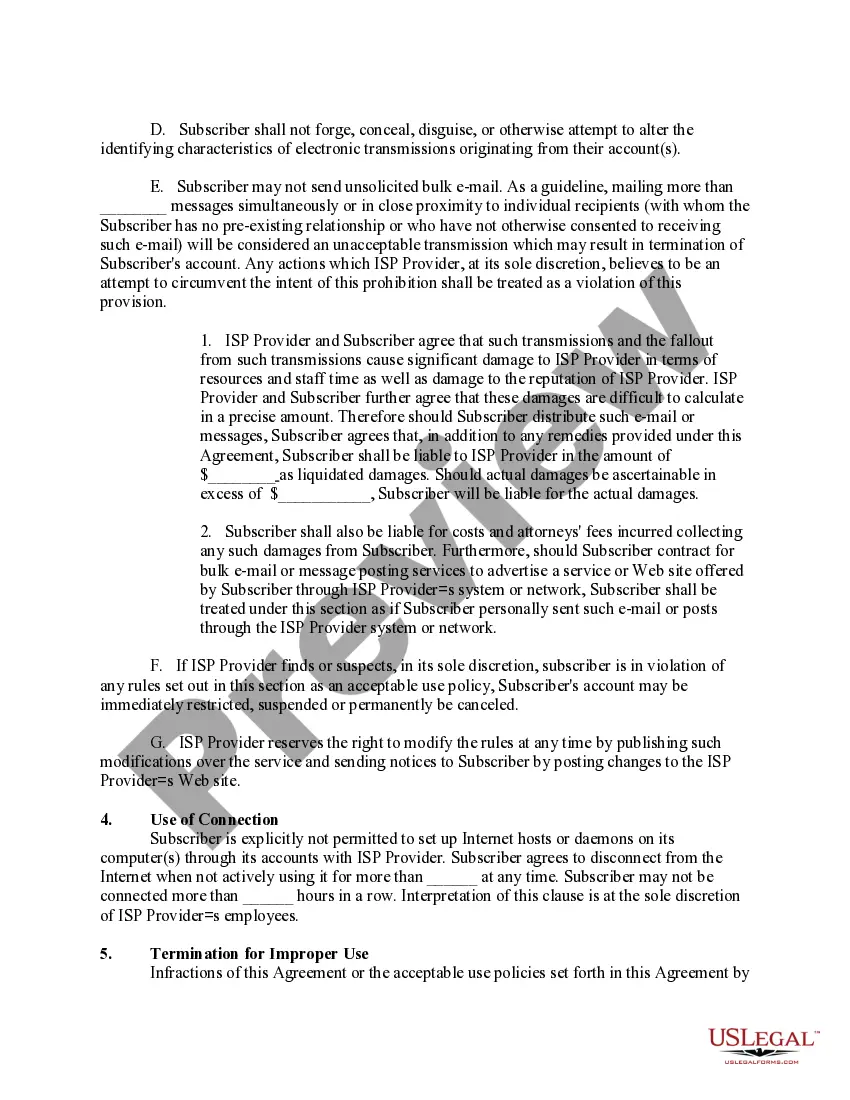
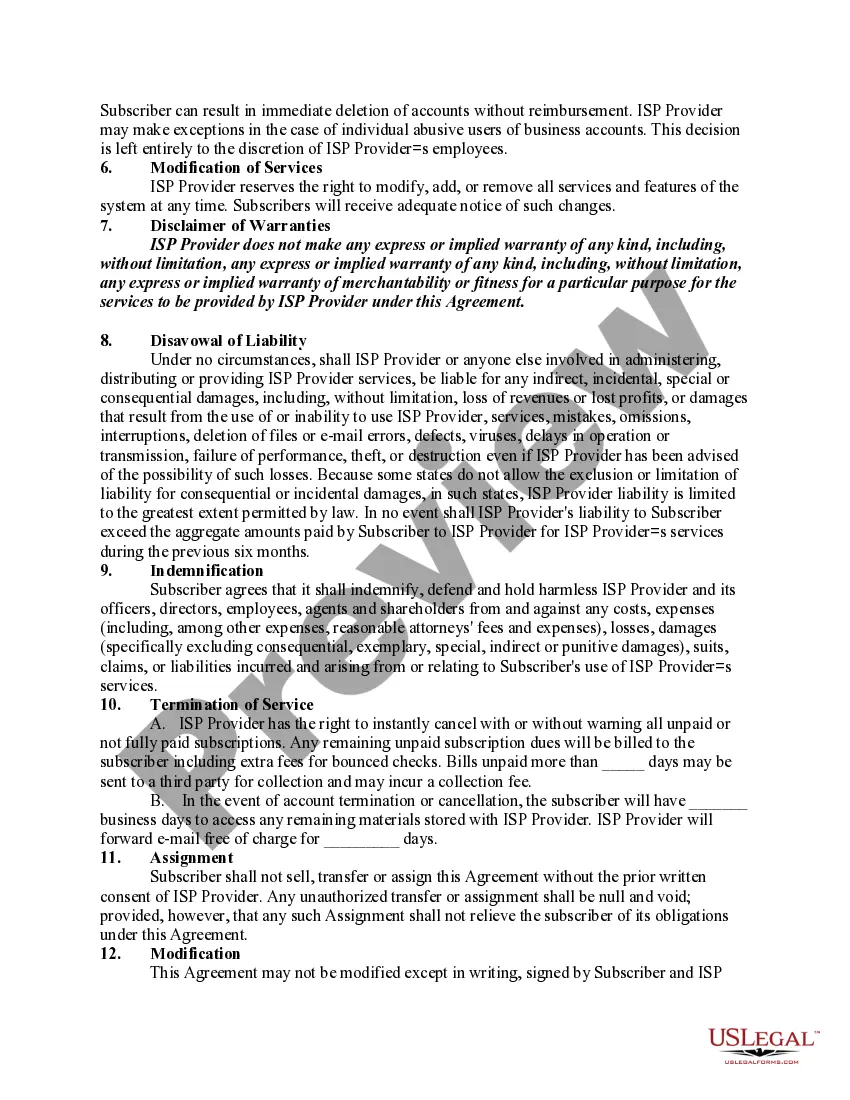
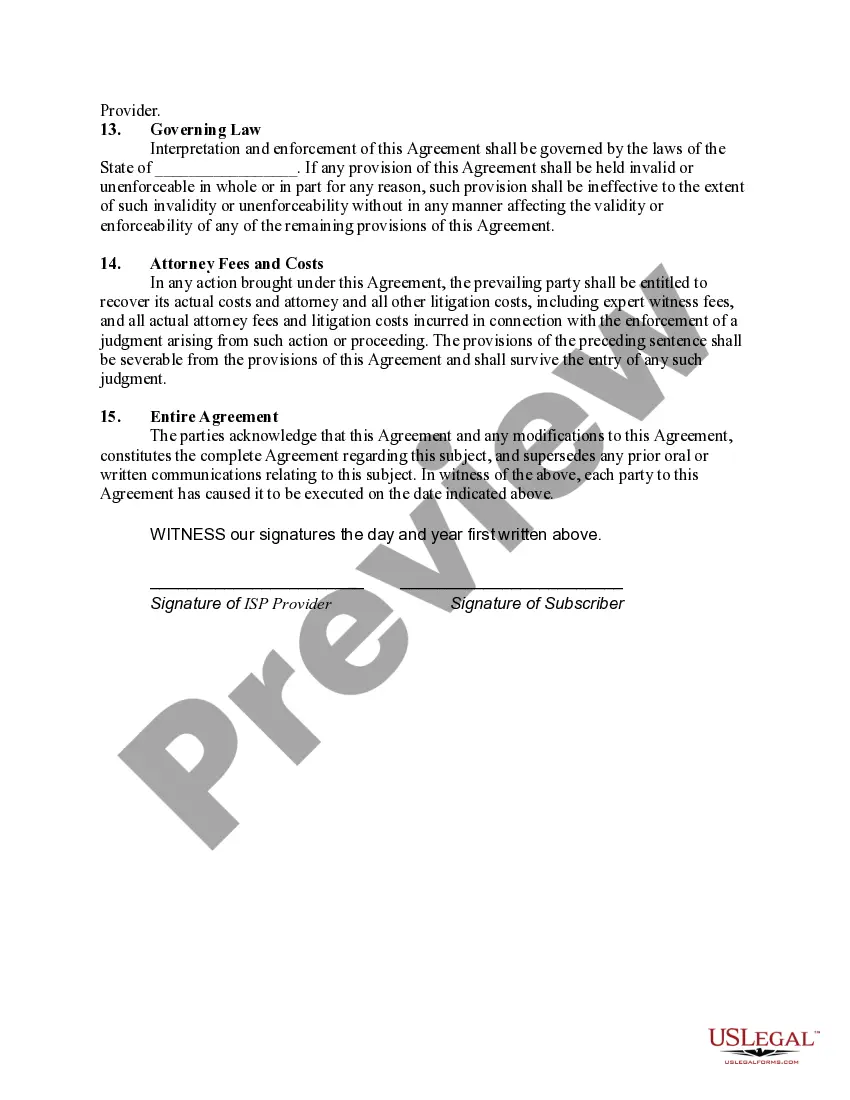
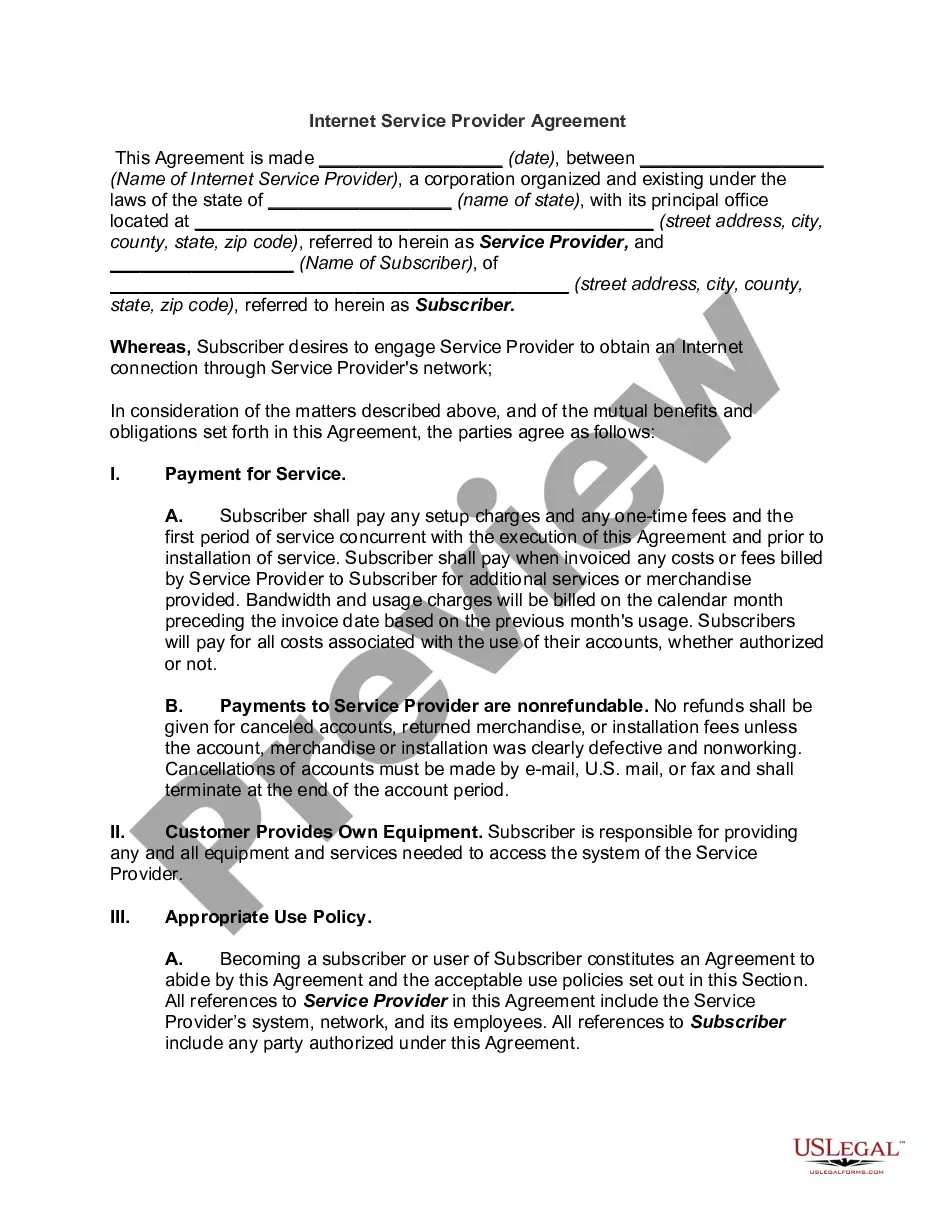
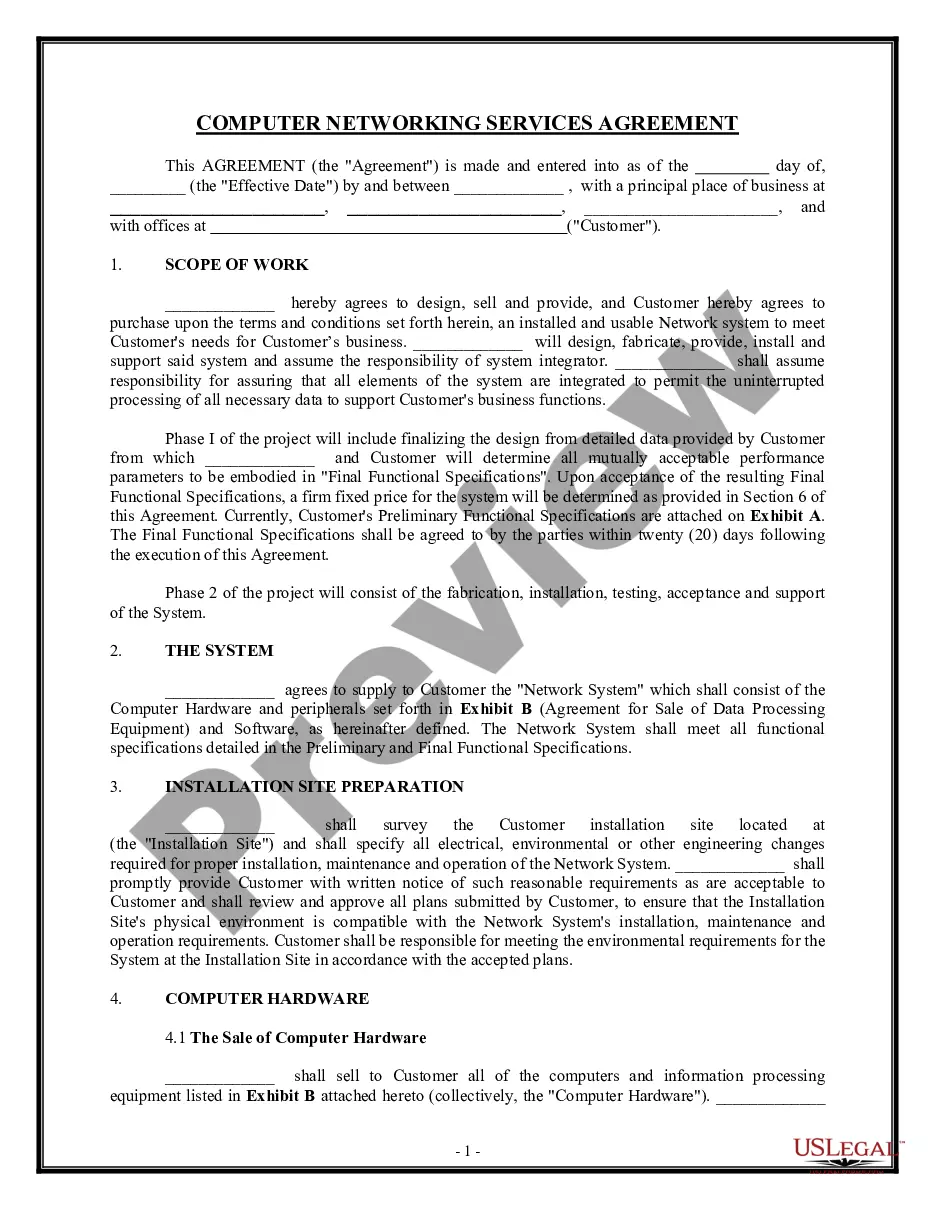
Get your form ready online
Our built-in tools help you complete, sign, share, and store your documents in one place.
Make edits, fill in missing information, and update formatting in US Legal Forms—just like you would in MS Word.
Download a copy, print it, send it by email, or mail it via USPS—whatever works best for your next step.
Sign and collect signatures with our SignNow integration. Send to multiple recipients, set reminders, and more. Go Premium to unlock E-Sign.
If this form requires notarization, complete it online through a secure video call—no need to meet a notary in person or wait for an appointment.
We protect your documents and personal data by following strict security and privacy standards.

Make edits, fill in missing information, and update formatting in US Legal Forms—just like you would in MS Word.

Download a copy, print it, send it by email, or mail it via USPS—whatever works best for your next step.

Sign and collect signatures with our SignNow integration. Send to multiple recipients, set reminders, and more. Go Premium to unlock E-Sign.

If this form requires notarization, complete it online through a secure video call—no need to meet a notary in person or wait for an appointment.

We protect your documents and personal data by following strict security and privacy standards.
Looking for another form?




Form popularity
FAQ
CMS Forms. The Centers for Medicare & Medicaid Services (CMS) is a Federal agency within the U.S. Department of Health and Human Services. Many CMS program related forms are available in Portable Document Format (pdf).
Provider agreement means an agreement between CMS and one of the providers specified in § 489.2(b) to provide services to Medicare beneficiaries and to comply with the requirements of section 1866 of the Act.
Medicare typically completes enrollment applications in 60 – 90 days. This varies widely by intermediary (by state). We see some applications turnaround in 15 days and others take as long as 3 months. Medicare will set the effective date as the date they receive the application.
This section is completed by the Medicare carrier or A/B MAC. Individual practitioners subject to mandatory assignment are not required to sign a CMS-460. Exception: CMS-460 is needed when practitioners are forming a group or are incorporated.
A service provider agreement, also known as a provision of services agreement, is a contract between at least two parties in which one party agrees to provide services in exchange for compensation. For example, a homeowner may execute a service provider agreement with a contractor for home repairs.
A service agreement is a legal document that outlines the terms and conditions of a specific service, while a contract is a more complex legal document that can cover a wider range of transactions. Services agreements are frequently less formal and might include a wide range of terms and conditions.
As amended by the CPRA, the CCPA defines a service provider as: A person that processes personal information on behalf of a business and that receives from or on behalf of the business a consumer's personal information for a business purpose pursuant to a written contract.
What is typically included in a contract for services. Description of services. This lays out what professional services you and your company will receive. Payment terms. Ownership rights. Confidentiality clause. Indemnification clause. Amendment. Termination. Dispute resolution.
A service agreement may not necessarily always be called a 'service agreement'. These agreements can have various names depending on the circumstances, such as: client agreement; consultancy agreement; or.
