Service Agreement Provider With Medicare In Queens
Description

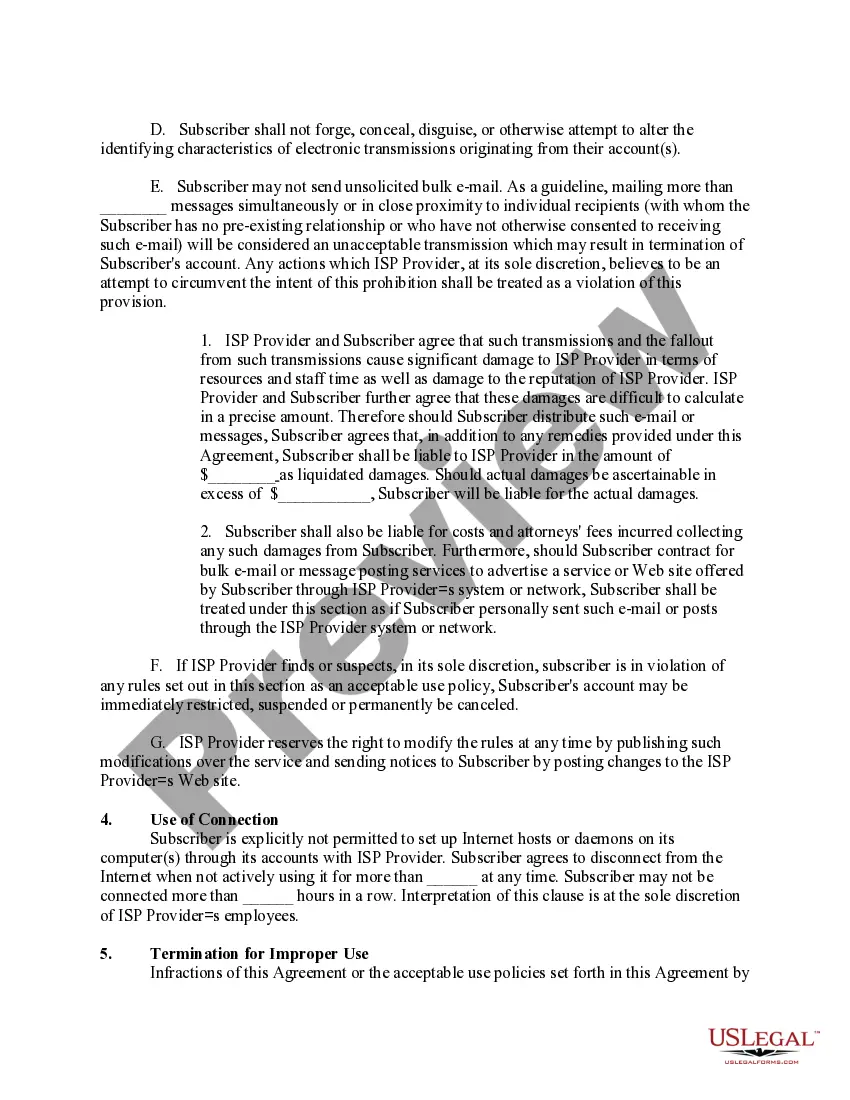
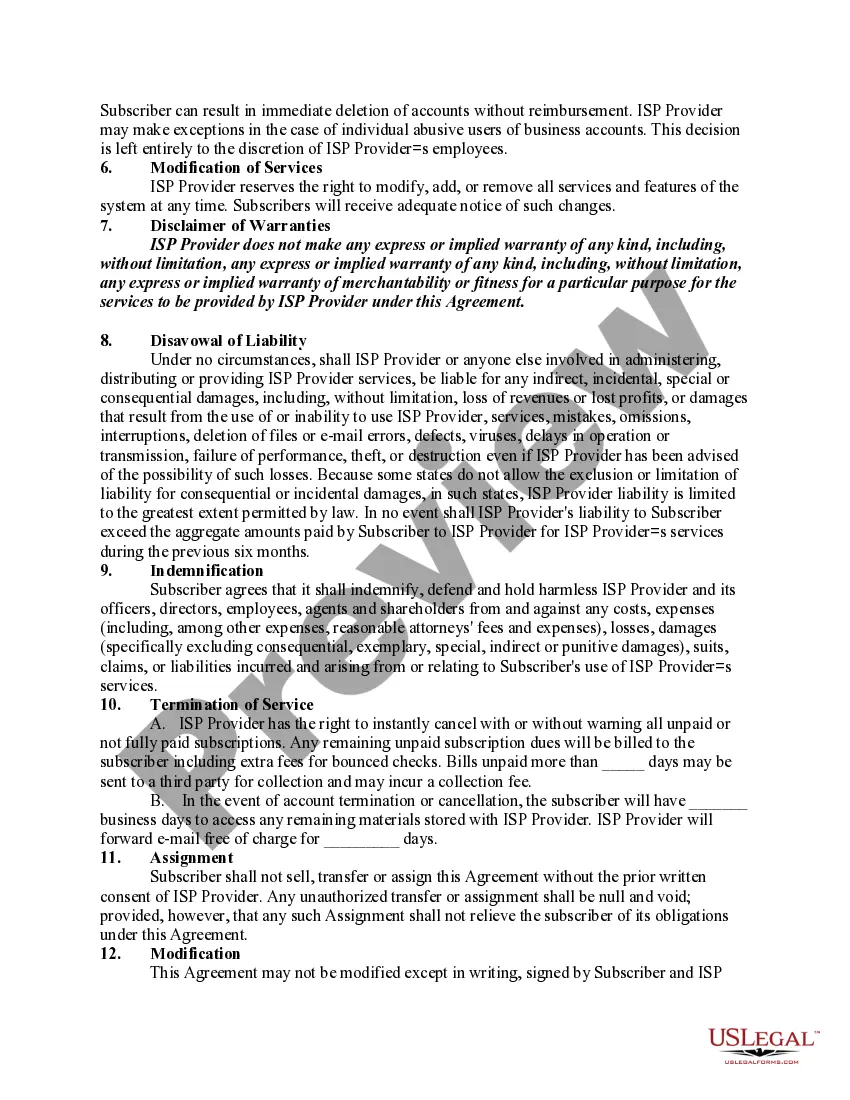
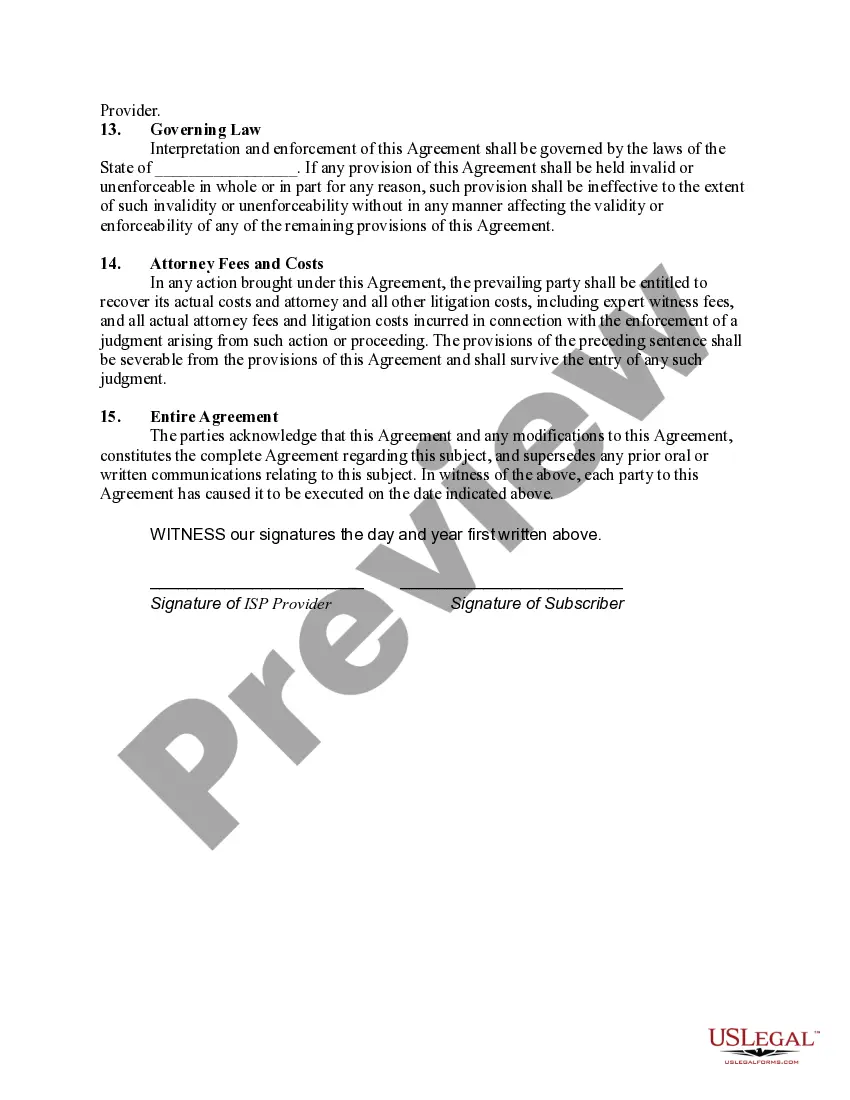
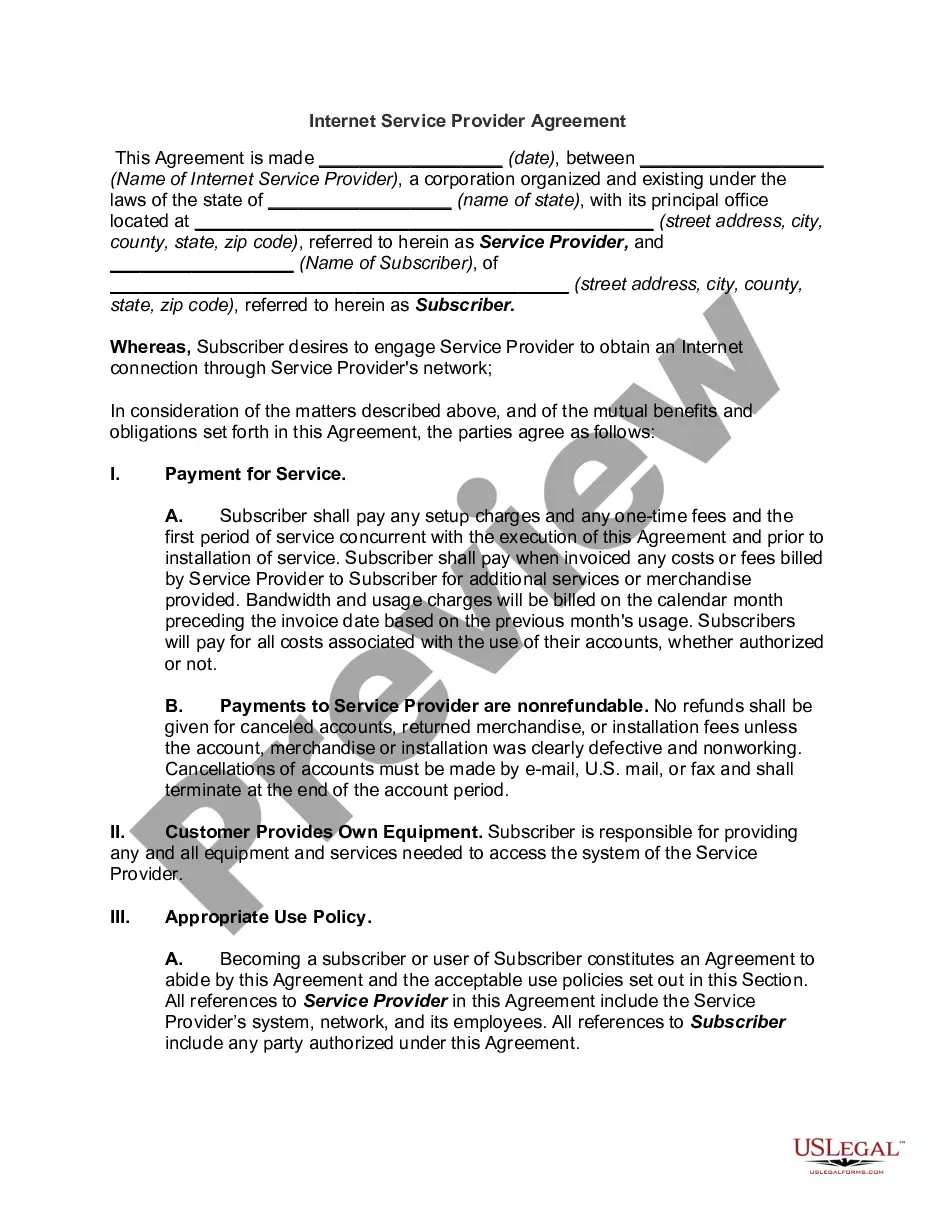
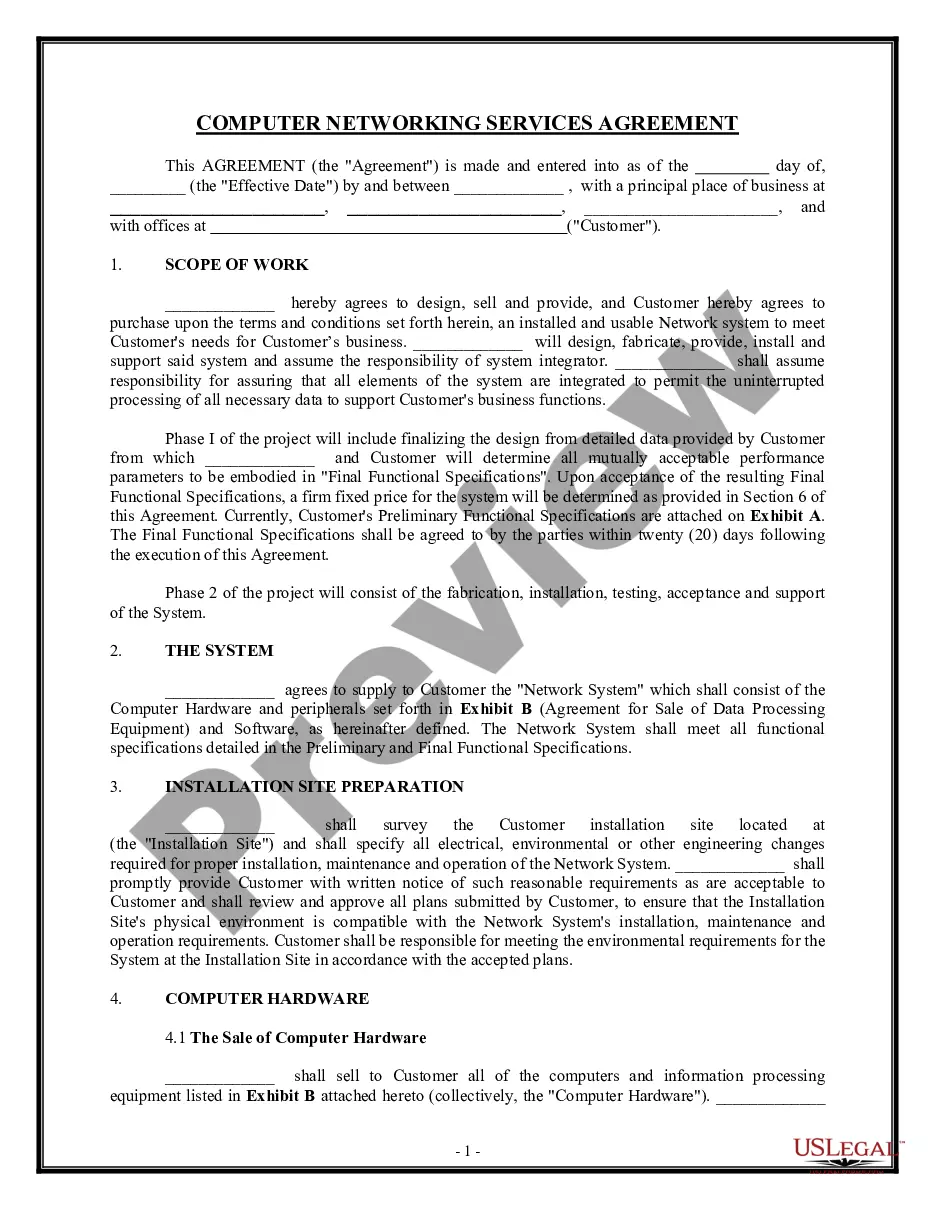
Get your form ready online
Our built-in tools help you complete, sign, share, and store your documents in one place.
Make edits, fill in missing information, and update formatting in US Legal Forms—just like you would in MS Word.
Download a copy, print it, send it by email, or mail it via USPS—whatever works best for your next step.
Sign and collect signatures with our SignNow integration. Send to multiple recipients, set reminders, and more. Go Premium to unlock E-Sign.
If this form requires notarization, complete it online through a secure video call—no need to meet a notary in person or wait for an appointment.
We protect your documents and personal data by following strict security and privacy standards.

Make edits, fill in missing information, and update formatting in US Legal Forms—just like you would in MS Word.

Download a copy, print it, send it by email, or mail it via USPS—whatever works best for your next step.

Sign and collect signatures with our SignNow integration. Send to multiple recipients, set reminders, and more. Go Premium to unlock E-Sign.

If this form requires notarization, complete it online through a secure video call—no need to meet a notary in person or wait for an appointment.

We protect your documents and personal data by following strict security and privacy standards.
Looking for another form?









Form popularity
FAQ
Beginning primarily in 2026, impacted payers (not including QHP issuers on the FFEs) will be required to send prior authorization decisions within 72 hours for expedited (i.e., urgent) requests and seven calendar days for standard (i.e., non-urgent) requests for medical items and services.
Medicare Advantage (MA) plans also often require prior authorization to see specialists, get out-of-network care, get non-emergency hospital care, and more. Each MA plan has different requirements, so MA enrollees should contact their plan to ask when/if prior authorization is needed.
This can differ depending on the Medicare you have. However, some general situations where Medicare prior authorization is likely required would be seeing a specialist, seeing an out-of-network physician, getting non-emergency care at a hospital, and getting prescriptions for certain kinds of medicines.
The Centers for Medicare & Medicaid Services (CMS) headquarters is located in Woodlawn, Maryland, a suburb of western Baltimore County, MD, outside of Baltimore City.
Providers sending professional and supplier claims to Medicare on paper must use Form CMS-1500 in a valid version. This form is maintained by the National Uniform Claim Committee (NUCC), an industry organization in which CMS participates.
Original Medicare benefits through Part A, hospital insurance and Part B, medical insurance, do not need their primary care physician to provide a referral in order to see a specialist. Complications with coverage can occur if you see a specialist who is not Medicare-approved or opts out of accepting Medicare payments.
Call us at 1-800-MEDICARE (1-800-633-4227). Help from Medicare is available 24 hours a day, 7 days a week, except some federal holidays.
Medicare is a federal health insurance program for people age 65 or older. People younger than age 65 with certain disabilities, permanent kidney failure, or amyotrophic lateral sclerosis (ALS, also known as Lou Gehrig's disease), may also be eligible for Medicare.
Call us at 1-800-MEDICARE (1-800-633-4227). Help from Medicare is available 24 hours a day, 7 days a week, except some federal holidays.
What's the difference between Medicare and Medicaid? Medicare is federal health insurance for anyone age 65 and older, and some people under 65 with certain disabilities or conditions. Medicaid is a joint federal and state program that gives health coverage to some people with limited income and resources.
