Service Agreement Provider With Laravel With Example In Nevada
Description
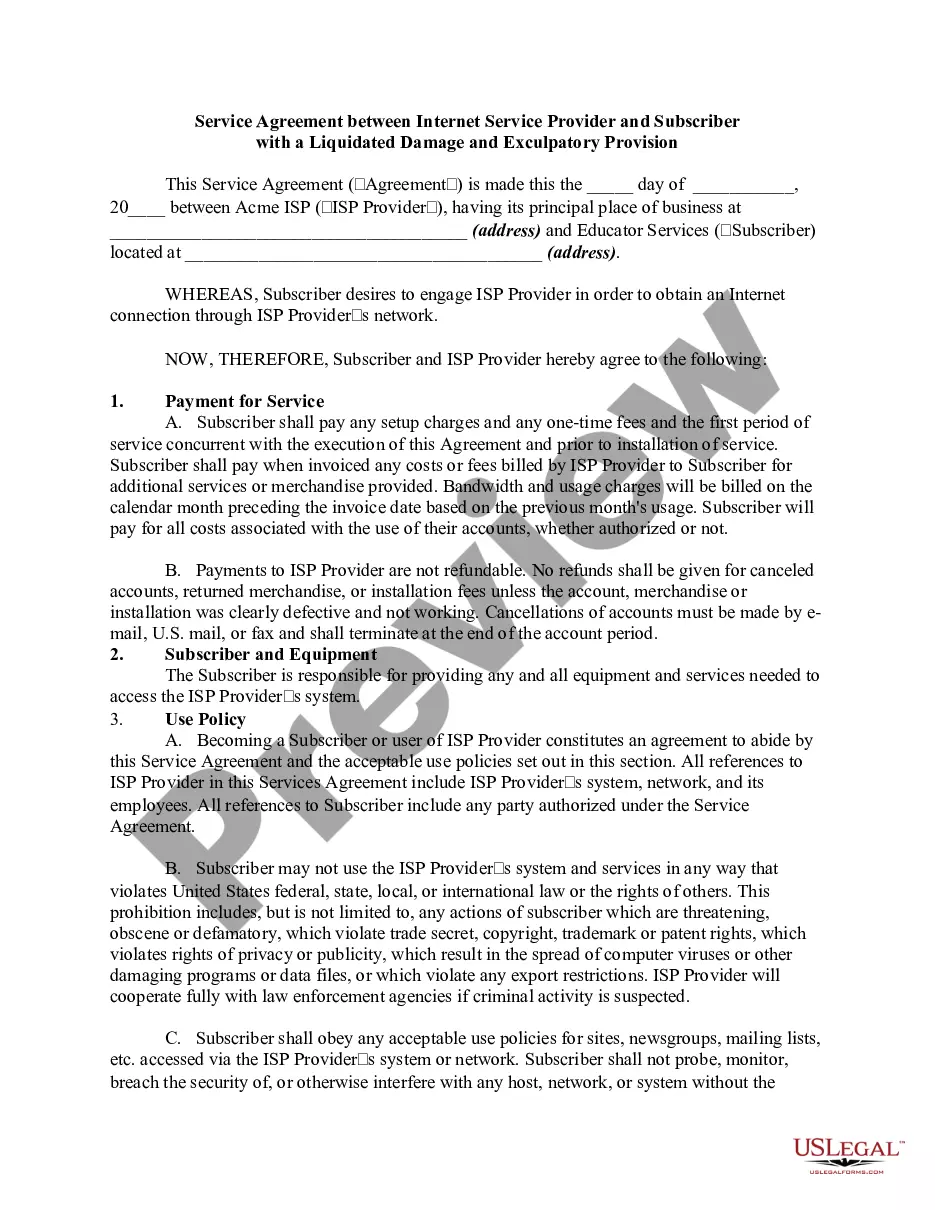
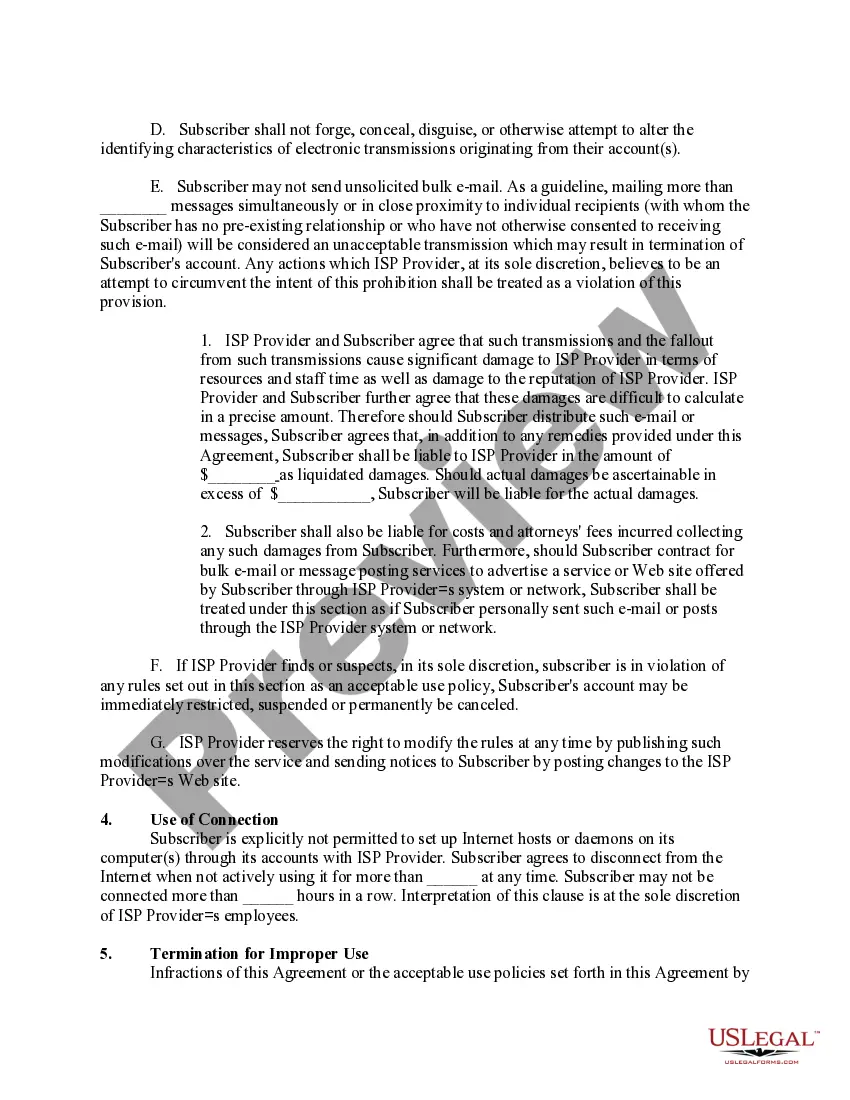
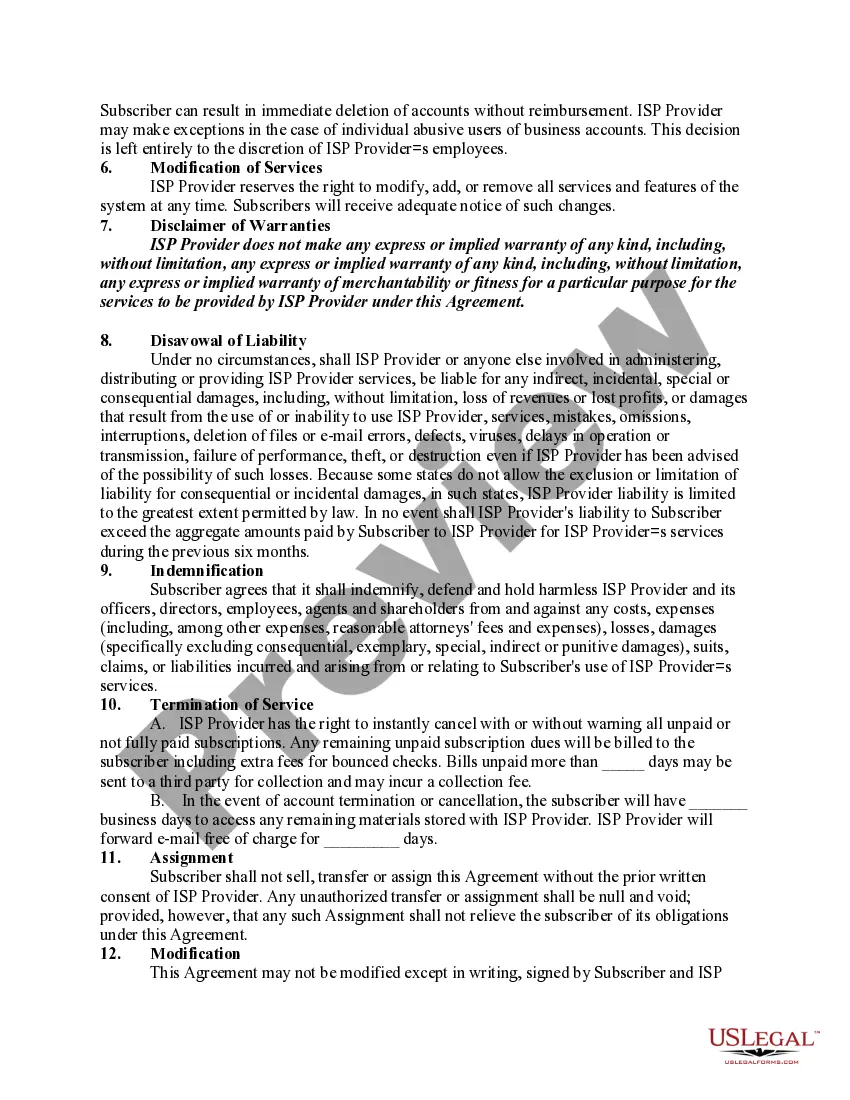

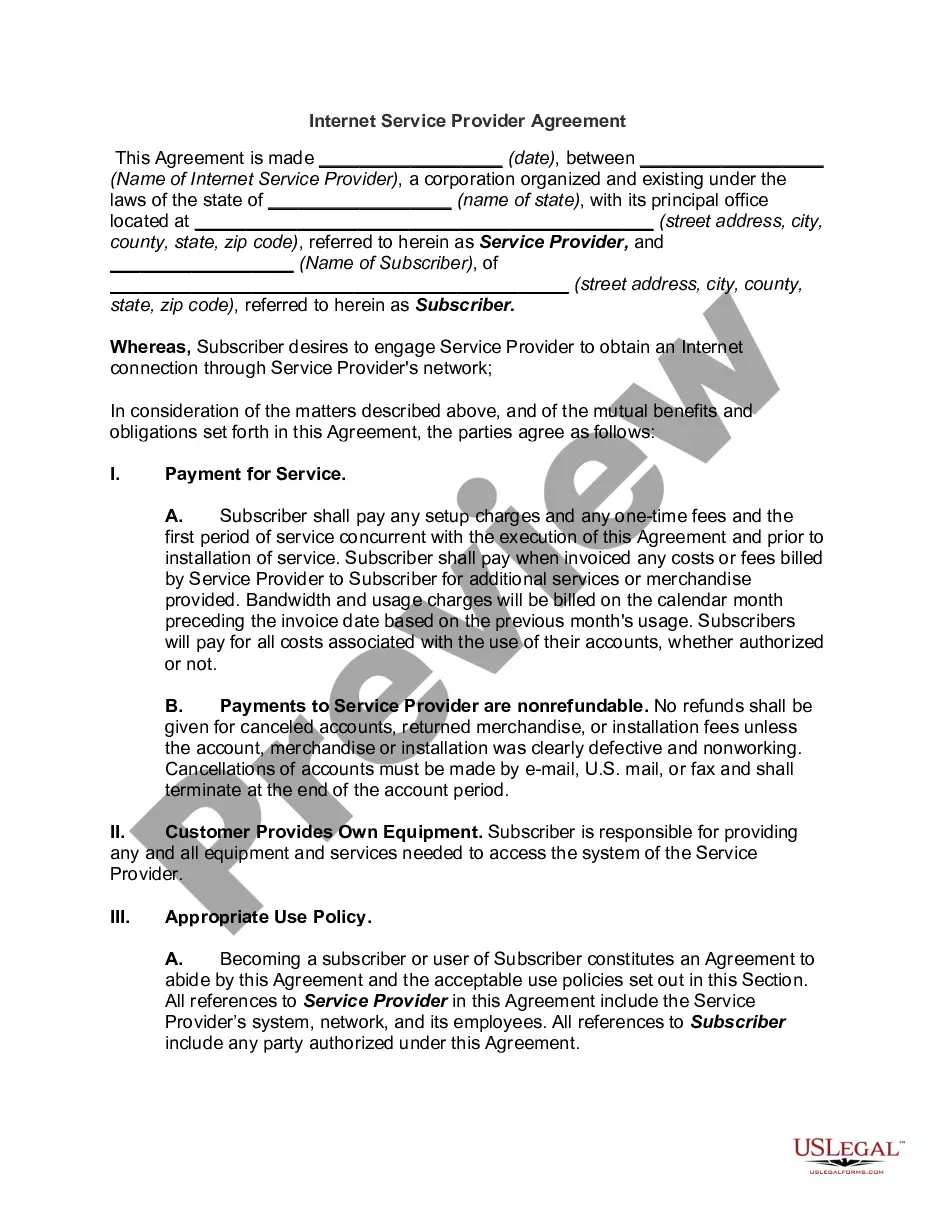

Get your form ready online
Our built-in tools help you complete, sign, share, and store your documents in one place.
Make edits, fill in missing information, and update formatting in US Legal Forms—just like you would in MS Word.
Download a copy, print it, send it by email, or mail it via USPS—whatever works best for your next step.
Sign and collect signatures with our SignNow integration. Send to multiple recipients, set reminders, and more. Go Premium to unlock E-Sign.
If this form requires notarization, complete it online through a secure video call—no need to meet a notary in person or wait for an appointment.
We protect your documents and personal data by following strict security and privacy standards.

Make edits, fill in missing information, and update formatting in US Legal Forms—just like you would in MS Word.

Download a copy, print it, send it by email, or mail it via USPS—whatever works best for your next step.

Sign and collect signatures with our SignNow integration. Send to multiple recipients, set reminders, and more. Go Premium to unlock E-Sign.

If this form requires notarization, complete it online through a secure video call—no need to meet a notary in person or wait for an appointment.

We protect your documents and personal data by following strict security and privacy standards.
Looking for another form?







Form popularity
FAQ
Registering Providers All service providers are registered in the config/app. php configuration file. This file contains a providers array where you can list the class names of your service providers. By default, a set of Laravel core service providers are listed in this array.
A service provider (SP) is an organization that provides services, such as consulting, legal, real estate, communications, storage, and processing services, to other organizations. Although a service provider can be a sub-unit of the organization that it serves, it is usually a third-party or outsourced supplier.
Use Illuminate\Support\ServiceProvider; Execution Order: The register method is called before the boot method. The register method is used for setting up bindings and services, while the boot method is used for tasks that require a fully constructed application.
In summary, Service Provider is a class that contains the logic on how to instantiate a Service in Laravel. Once we defined a Service Provider, the service will be registered into the Service Container. If we need an instance of the Service, we can just resolve it out from the Service Container.
Service providers are the central place to configure your application. If you open the config/app. php file included with Laravel, you will see a providers array. These are all of the service provider classes that will be loaded for your application.
It acts as a central registry, handling the creation, storage, and retrieval of these objects based on their definitions and dependencies. On the other hand, a service provider is a design pattern used to organize and encapsulate the registration of services and their configurations within a service container.
Generate a service for a model Add a --service or -S param to generate a service for the model. Use the -a or --all param to generate a service, migration, seeder, factory, policy, and resource controller for the model.
The provision of services between a service provider and a company is typically governed by a service agreement. Examples of potential service providers for a company are advisors, individual consultants, law firms, design shops and investment banks.
Step-by-Step Guide to Creating a Custom Service Provider Step 1: Ensure Your Laravel Project Is Running. Before creating a service provider, ensure your Laravel project is running. Step 2.2: Register the Service Provider. Step 3.2: Using the boot Method. Step 5: Testing the Service Provider.
Steps to create a user-defined service At an MS-DOS command prompt(running CMD.EXE), type the following command: Console Copy. Run Registry Editor (Regedt32.exe) and locate the following subkey. From the Edit menu, select Add Key. Select the Parameters key. From the Edit menu, select Add Value. Close Registry Editor.
