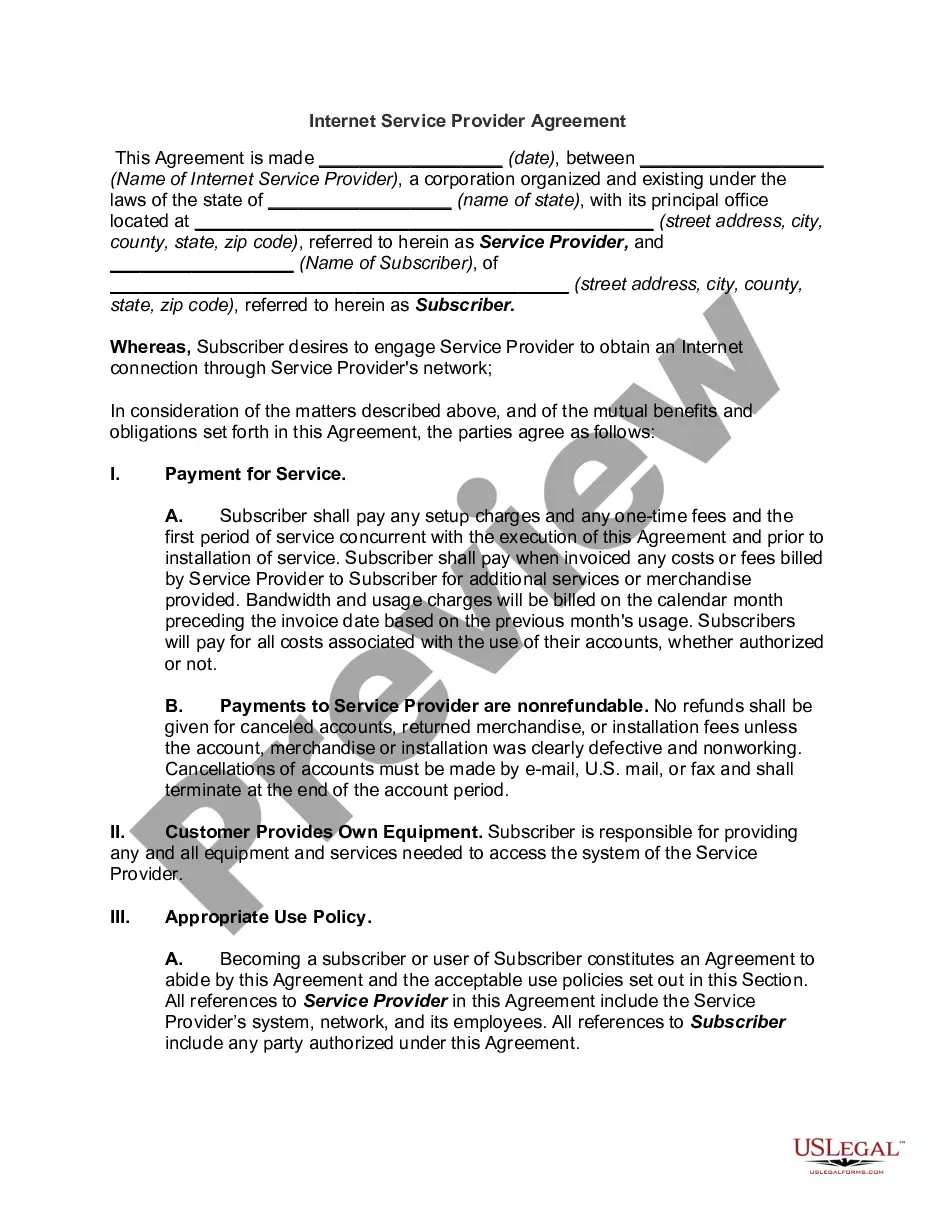
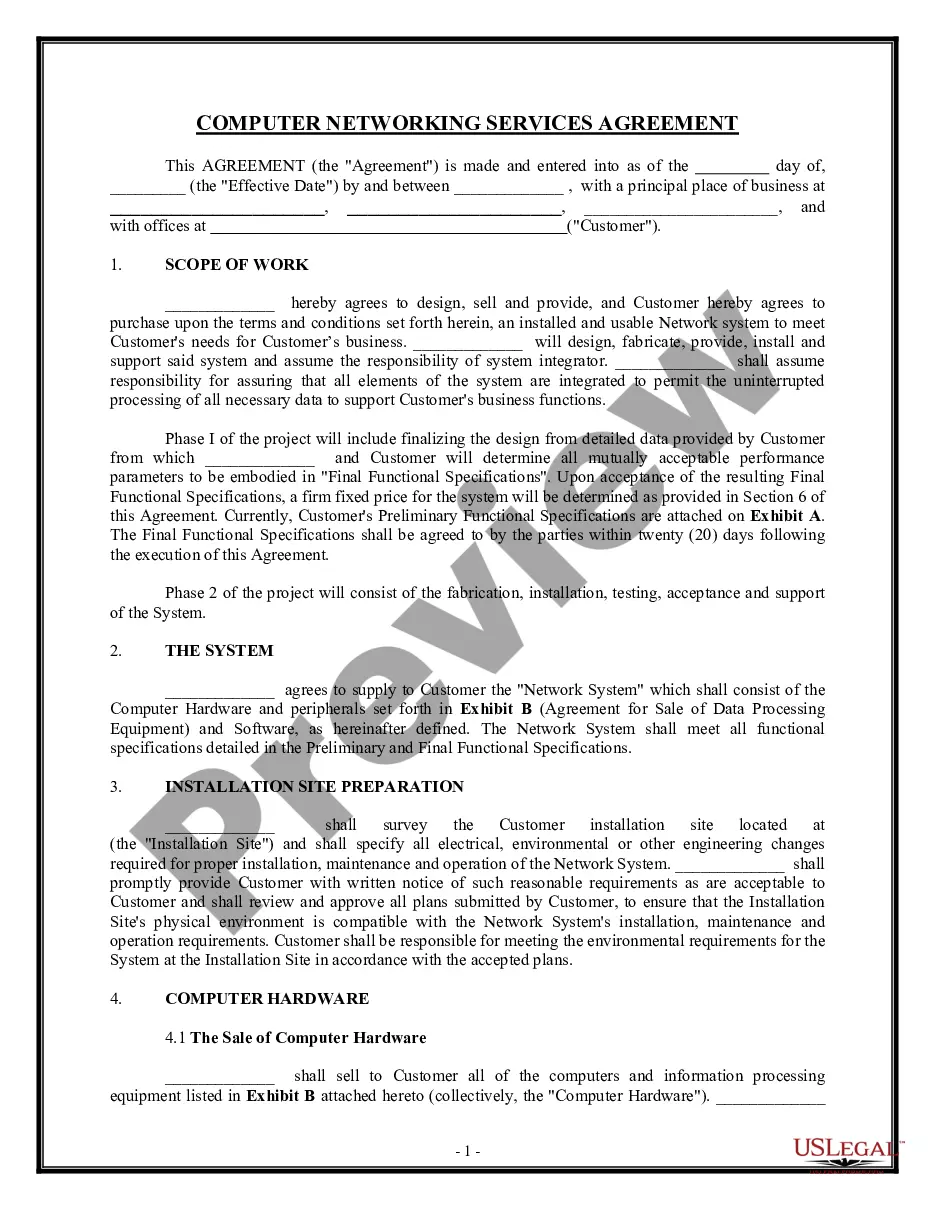
Service Agreement Provider Contract Format Canada In Contra Costa
Description
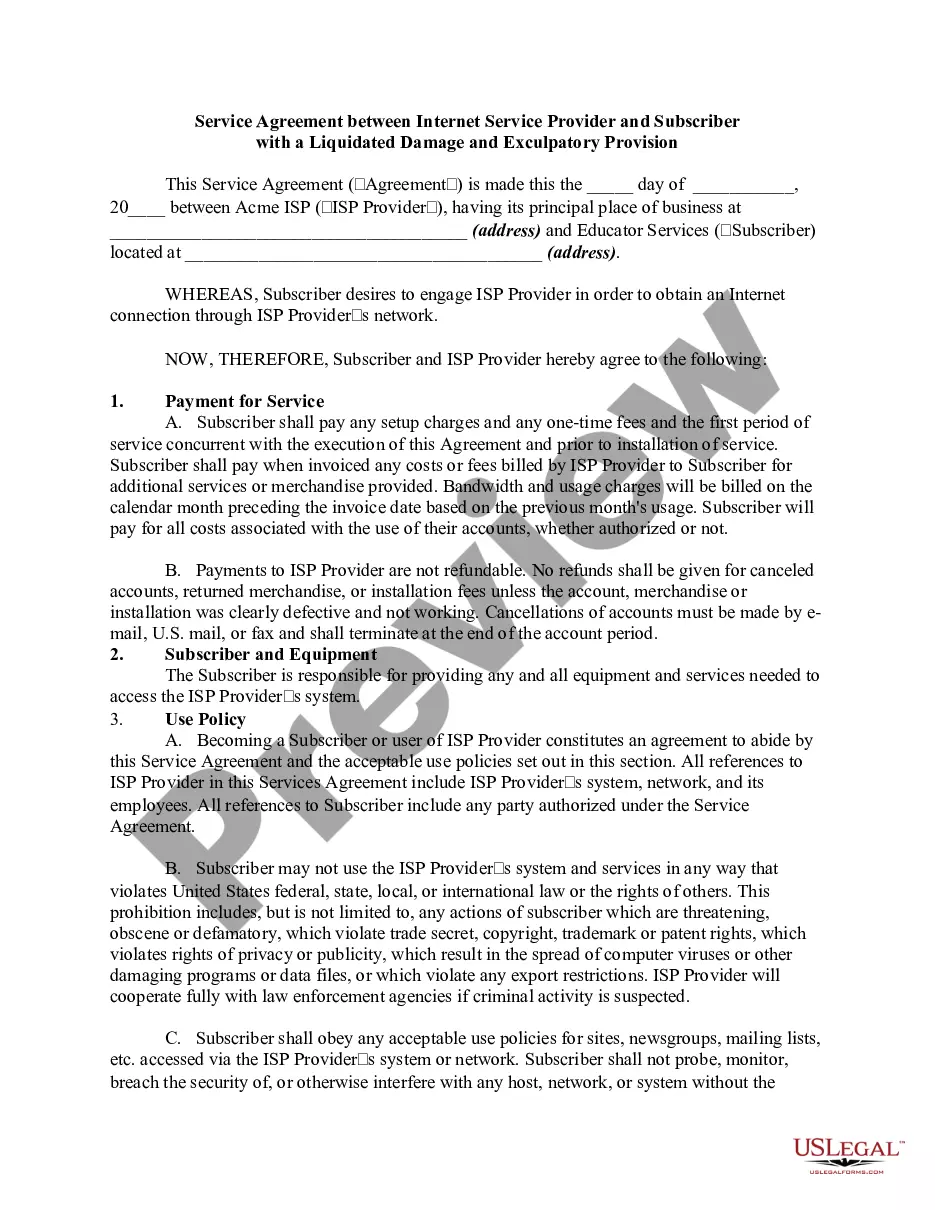
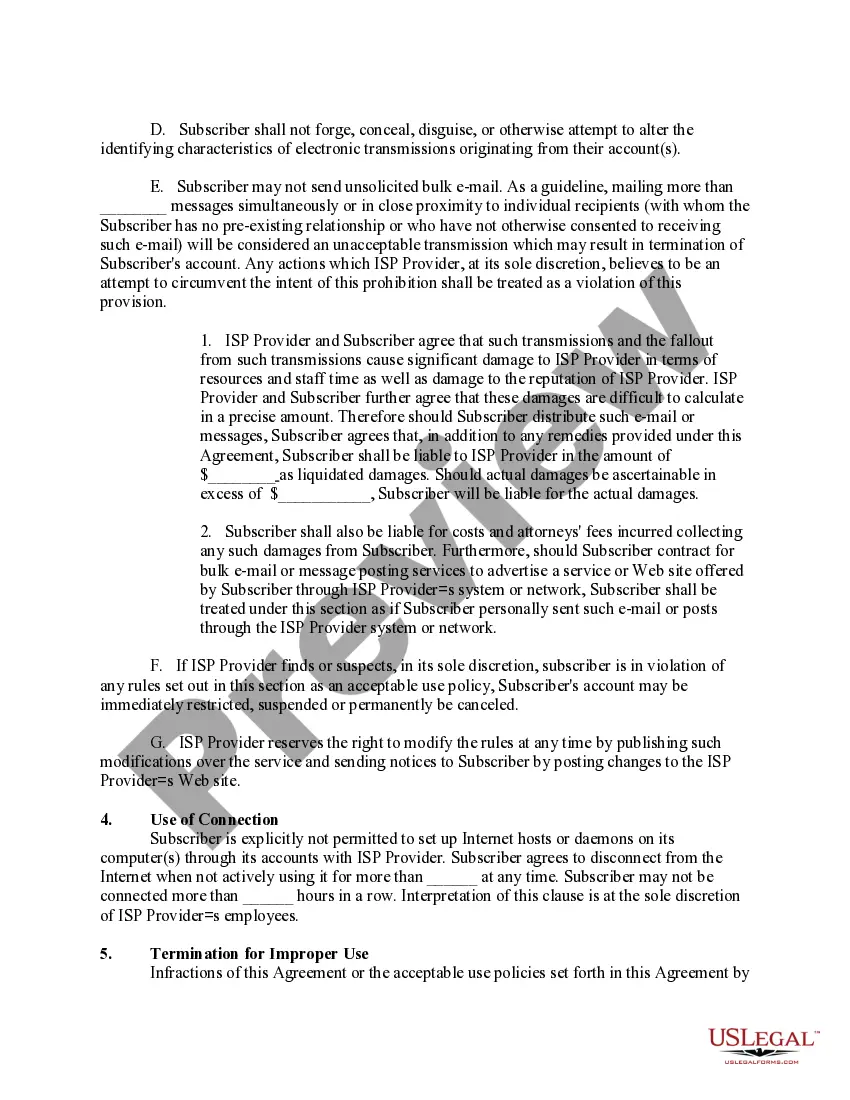
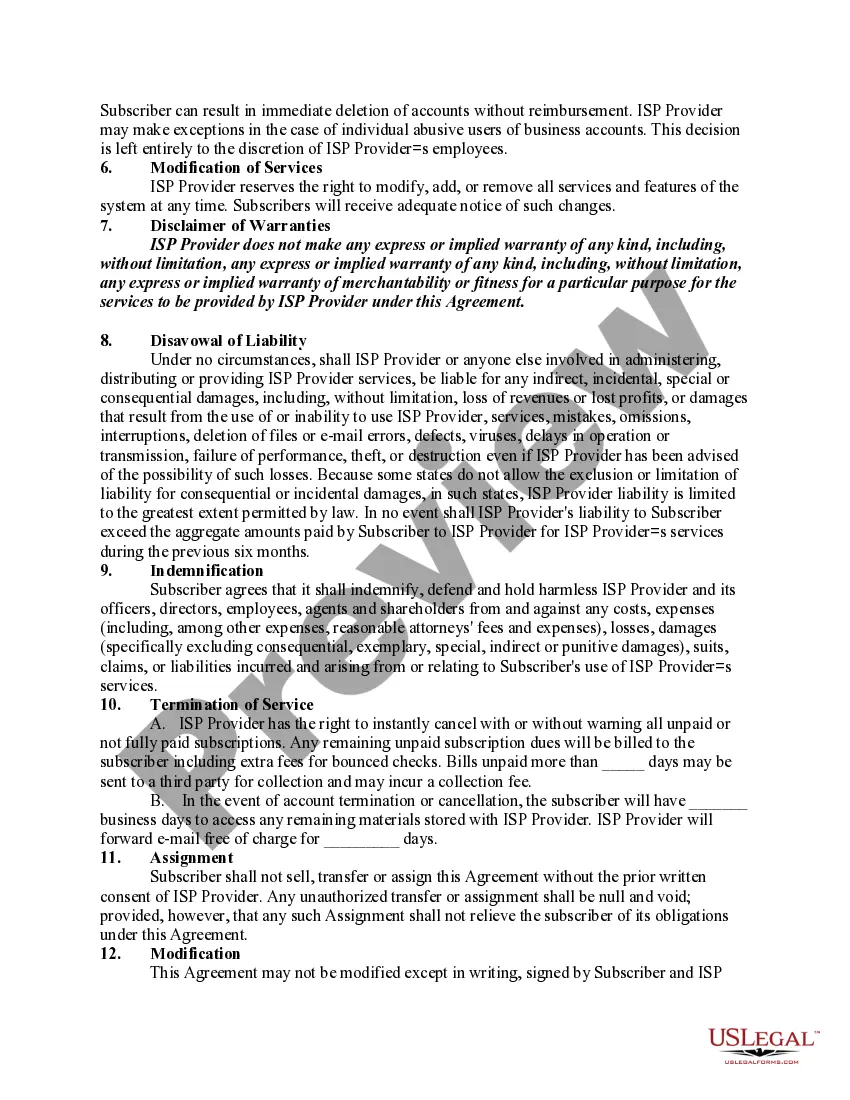
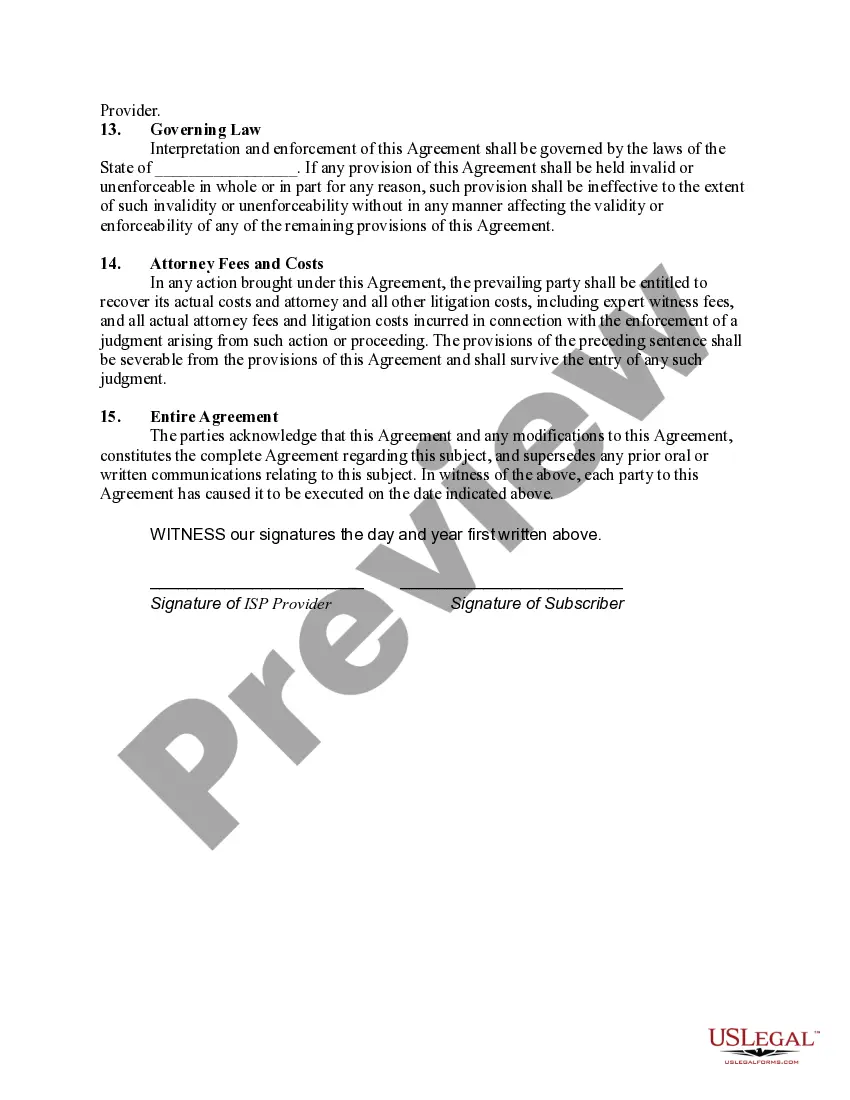
Get your form ready online
Our built-in tools help you complete, sign, share, and store your documents in one place.
Make edits, fill in missing information, and update formatting in US Legal Forms—just like you would in MS Word.
Download a copy, print it, send it by email, or mail it via USPS—whatever works best for your next step.
Sign and collect signatures with our SignNow integration. Send to multiple recipients, set reminders, and more. Go Premium to unlock E-Sign.
If this form requires notarization, complete it online through a secure video call—no need to meet a notary in person or wait for an appointment.
We protect your documents and personal data by following strict security and privacy standards.

Make edits, fill in missing information, and update formatting in US Legal Forms—just like you would in MS Word.

Download a copy, print it, send it by email, or mail it via USPS—whatever works best for your next step.

Sign and collect signatures with our SignNow integration. Send to multiple recipients, set reminders, and more. Go Premium to unlock E-Sign.

If this form requires notarization, complete it online through a secure video call—no need to meet a notary in person or wait for an appointment.

We protect your documents and personal data by following strict security and privacy standards.
Looking for another form?








Form popularity
FAQ
It is therefore a document which simply confirms an agreed level of service that is expected to be provided to meet the business needs of the customer. A SLA is not a contract. The SLA document should be seen as a list of targets, rather than a legal binding agreement.
How to draft a contract in 13 simple steps Start with a contract template. Understand the purpose and requirements. Identify all parties involved. Outline key terms and conditions. Define deliverables and milestones. Establish payment terms. Add termination conditions. Incorporate dispute resolution.
A data contract guarantees interface compatibility and includes terms of service and a service level agreement (SLA). Terms of service outline how data can be used, such as restricting its use to only development, testing, or production. SLAs describe the required quality of data delivery and interface.
SLAs can be binding contracts but are often used by public sector bodies to set out their relationship in a given project without the intention to create legal relations.
How to Write a Service Agreement Step 1: Identify the parties involved. Step 2: Define the scope of services. Step 3: Set payment terms. Step 4: Outline the responsibilities of each party. Step 5: Add termination, dispute resolution, and other essential clauses. Step 6: Review and finalize.
Write the contract in six steps Start with a contract template. Open with the basic information. Describe in detail what you have agreed to. Include a description of how the contract will be ended. Write into the contract which laws apply and how disputes will be resolved. Include space for signatures.
SLAs often commit organisations to targets or quality standards, while MoUs are often used for more informal relationships.
Unlike contracts that typically apply to a one-time transaction between two parties, a Master Service Agreement is intended to outline the rights and responsibility of the parties involved in an ongoing relationship, including those that pertain to: The ownership rights of a property.
Ing to Boundy (2012), typically, a written contract will include: Date of agreement. Names of parties to the agreement. Preliminary clauses. Defined terms. Main contract clauses. Schedules/appendices and signature provisions (para. 5).
Written service agreements inform clients about what they can and should expect from their relationship with their authorized industry professional by: describing the responsibilities and services of the real estate professional. outlining the obligations of the real estate professional and the client.
