Service Agreement Provider Contract With Medicare Beneficiary In Collin
Description

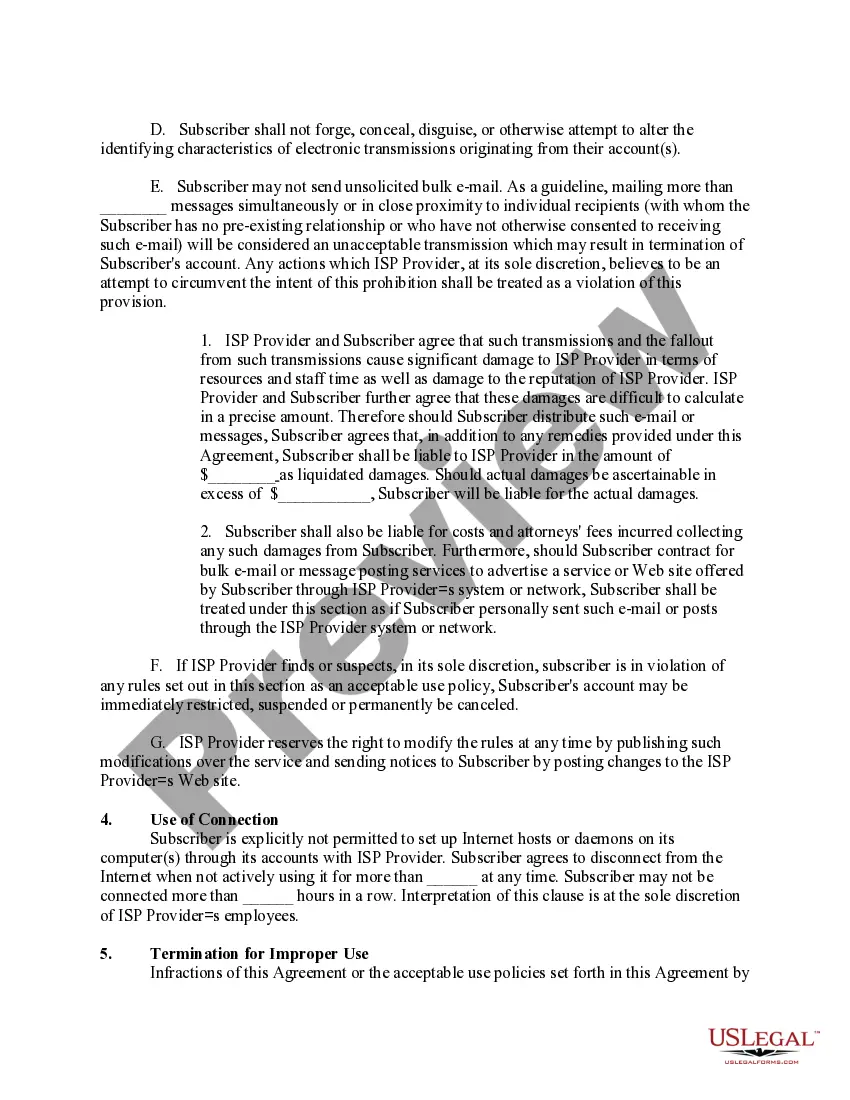
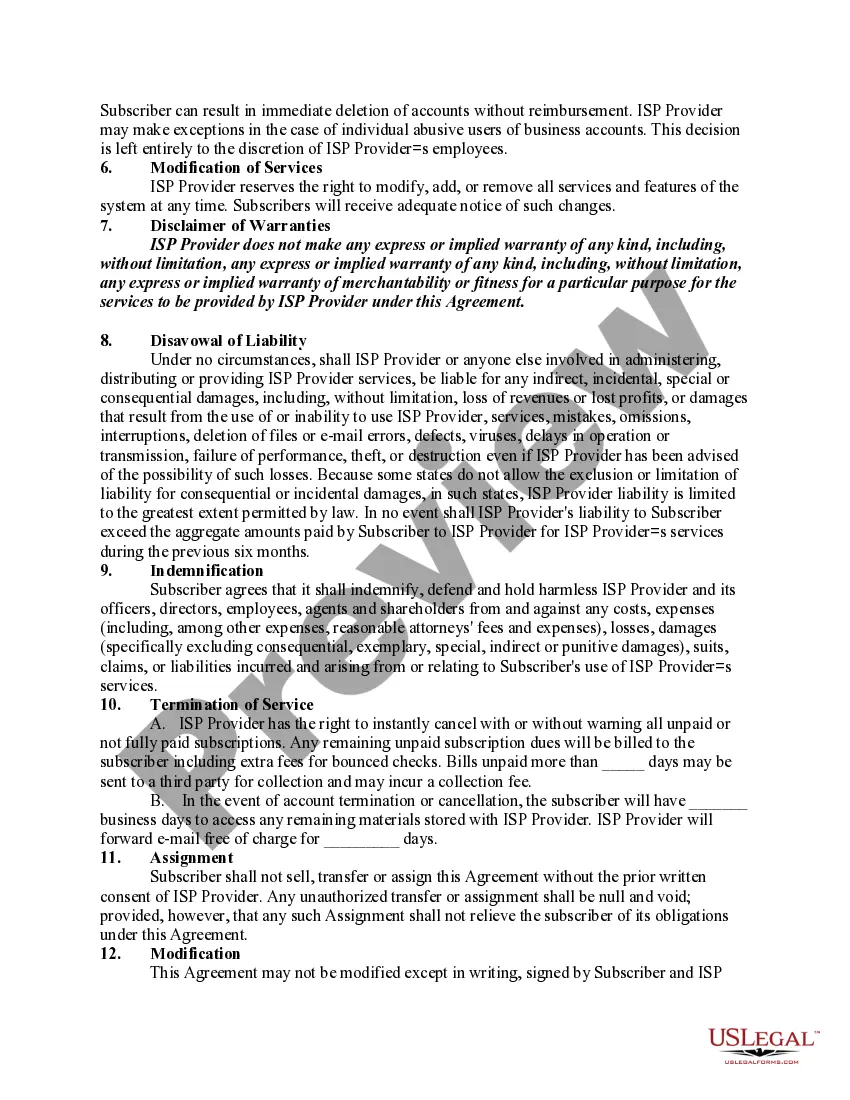
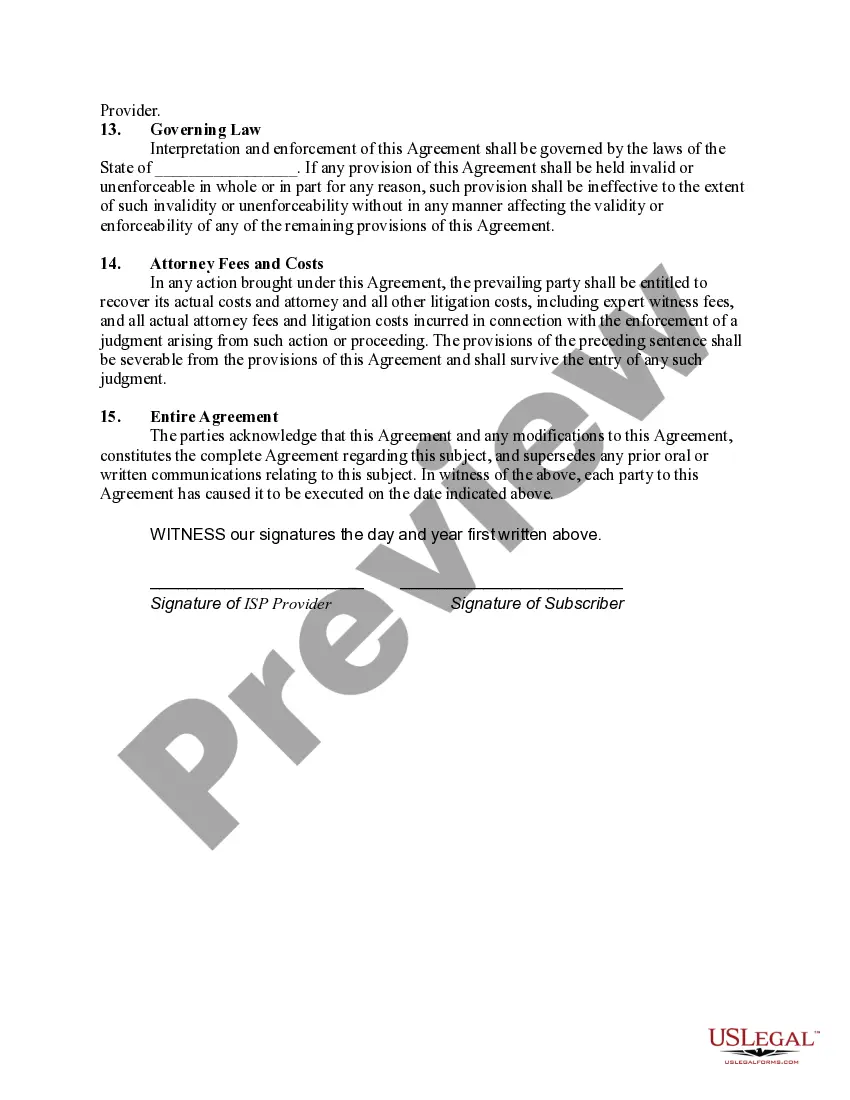
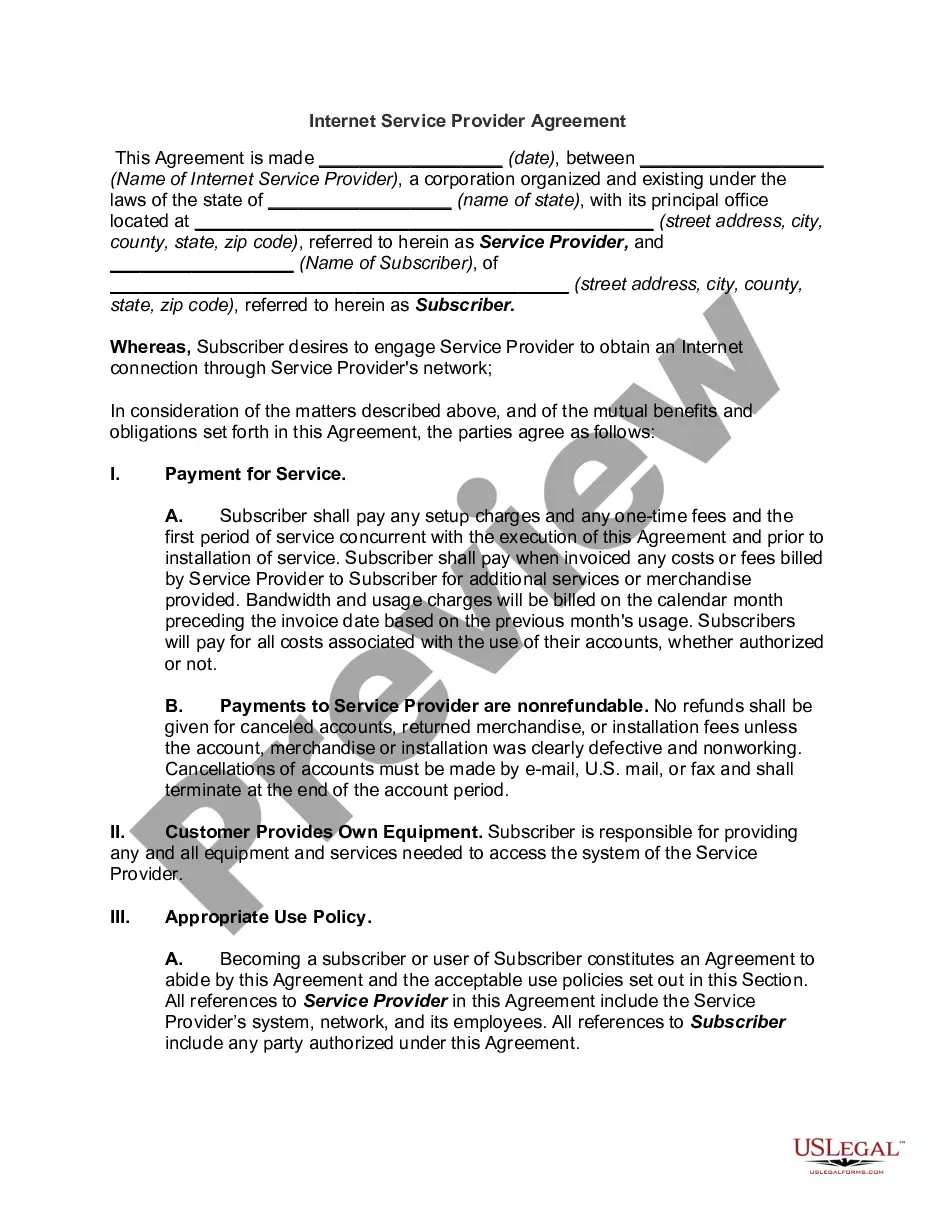
Get your form ready online
Our built-in tools help you complete, sign, share, and store your documents in one place.
Make edits, fill in missing information, and update formatting in US Legal Forms—just like you would in MS Word.
Download a copy, print it, send it by email, or mail it via USPS—whatever works best for your next step.
Sign and collect signatures with our SignNow integration. Send to multiple recipients, set reminders, and more. Go Premium to unlock E-Sign.
If this form requires notarization, complete it online through a secure video call—no need to meet a notary in person or wait for an appointment.
We protect your documents and personal data by following strict security and privacy standards.

Make edits, fill in missing information, and update formatting in US Legal Forms—just like you would in MS Word.

Download a copy, print it, send it by email, or mail it via USPS—whatever works best for your next step.

Sign and collect signatures with our SignNow integration. Send to multiple recipients, set reminders, and more. Go Premium to unlock E-Sign.

If this form requires notarization, complete it online through a secure video call—no need to meet a notary in person or wait for an appointment.

We protect your documents and personal data by following strict security and privacy standards.
Looking for another form?
Form popularity
FAQ
Each MAC serves a defined geographic area. To find the MAC in your region, call 1-800-MEDICARE.
One of the main Medicare credentialing requirements is obtaining an NPI. This designates that therapist as a recognized medical care provider in the United States. Therapists can apply directly through the National Plan & Provider Enumeration System website.
Medicare also covers services you get from other health care providers, like: Clinical nurse specialists. Clinical psychologists. Clinical social workers.
Medicare typically completes enrollment applications in 60 – 90 days. This varies widely by intermediary (by state). We see some applications turnaround in 15 days and others take as long as 3 months. Medicare will set the effective date as the date they receive the application.
Types of Agreements Allocation of Rights. Collaborative Research Agreement. Consortium Agreement. Data Use Agreement. Interagency Cooperation Contract. Material Transfer Agreement. Memorandum of Understanding. Non-Disclosure Agreement.
It is therefore a document which simply confirms an agreed level of service that is expected to be provided to meet the business needs of the customer. A SLA is not a contract. The SLA document should be seen as a list of targets, rather than a legal binding agreement.
10 Different Types of Contracts Type of ContractEveryday Use Implied Contracts Common in everyday transactions like dining out. Express Contracts Standard in formal business agreements. Simple Contracts Used for straightforward services or transactions. Unconscionable Contracts Often challenged in court for fairness.10 more rows •
A service agreement is a legal document that outlines the terms and conditions of a specific service, while a contract is a more complex legal document that can cover a wider range of transactions. Services agreements are frequently less formal and might include a wide range of terms and conditions.
Key Differences Between Agreement and Contract A contract is legally binding and enforceable, whereas an agreement may or may not be legally binding. Contracts create legal obligations that must be fulfilled by the parties, while agreements may not create any legal obligations.
A service-level agreement is a contract that a client and service provider can use to outline the expected standard of service. This type of agreement may outline quality standards, response times, delivery times, and more. This type of agreement is most relevant in commercial agreements.
