Long Term Lease For In Texas
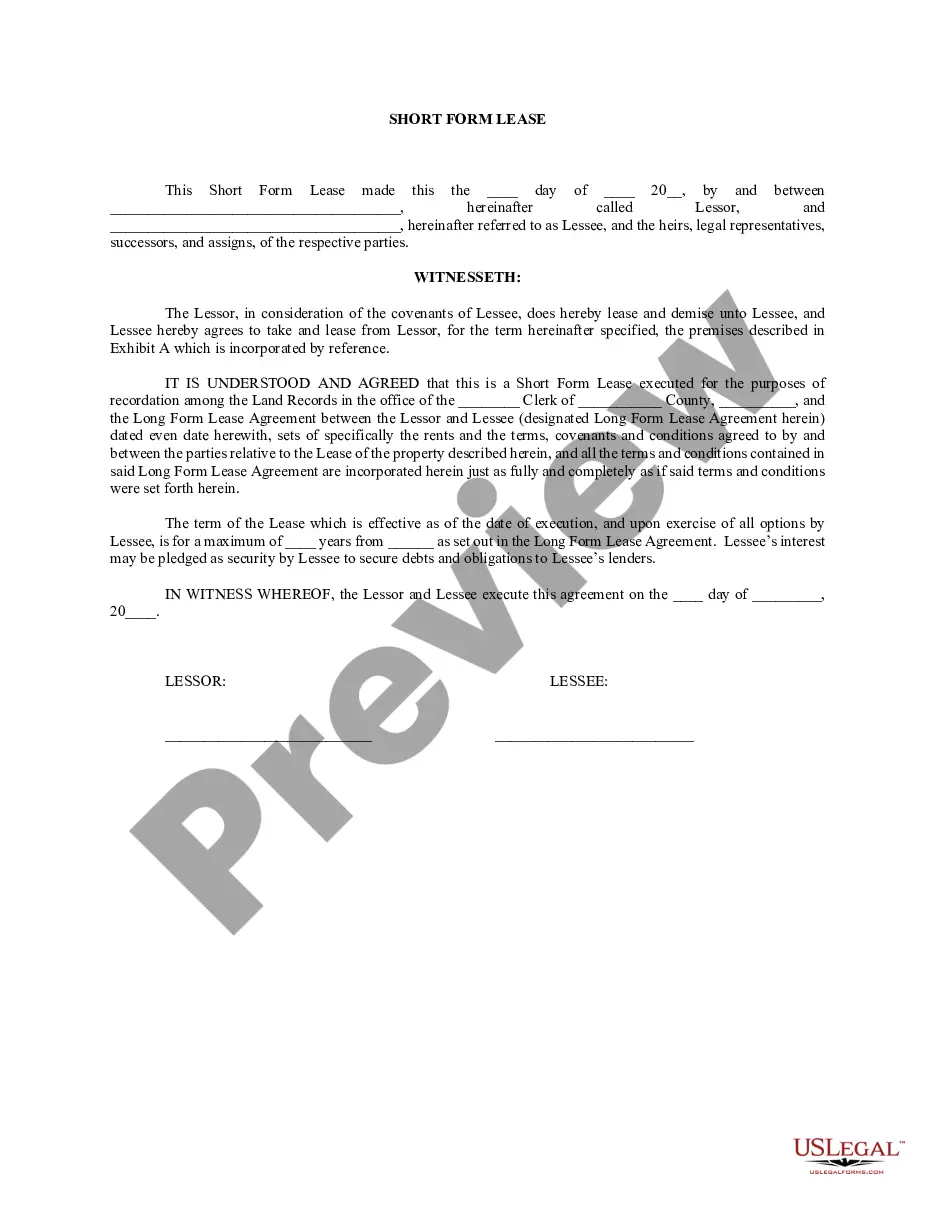
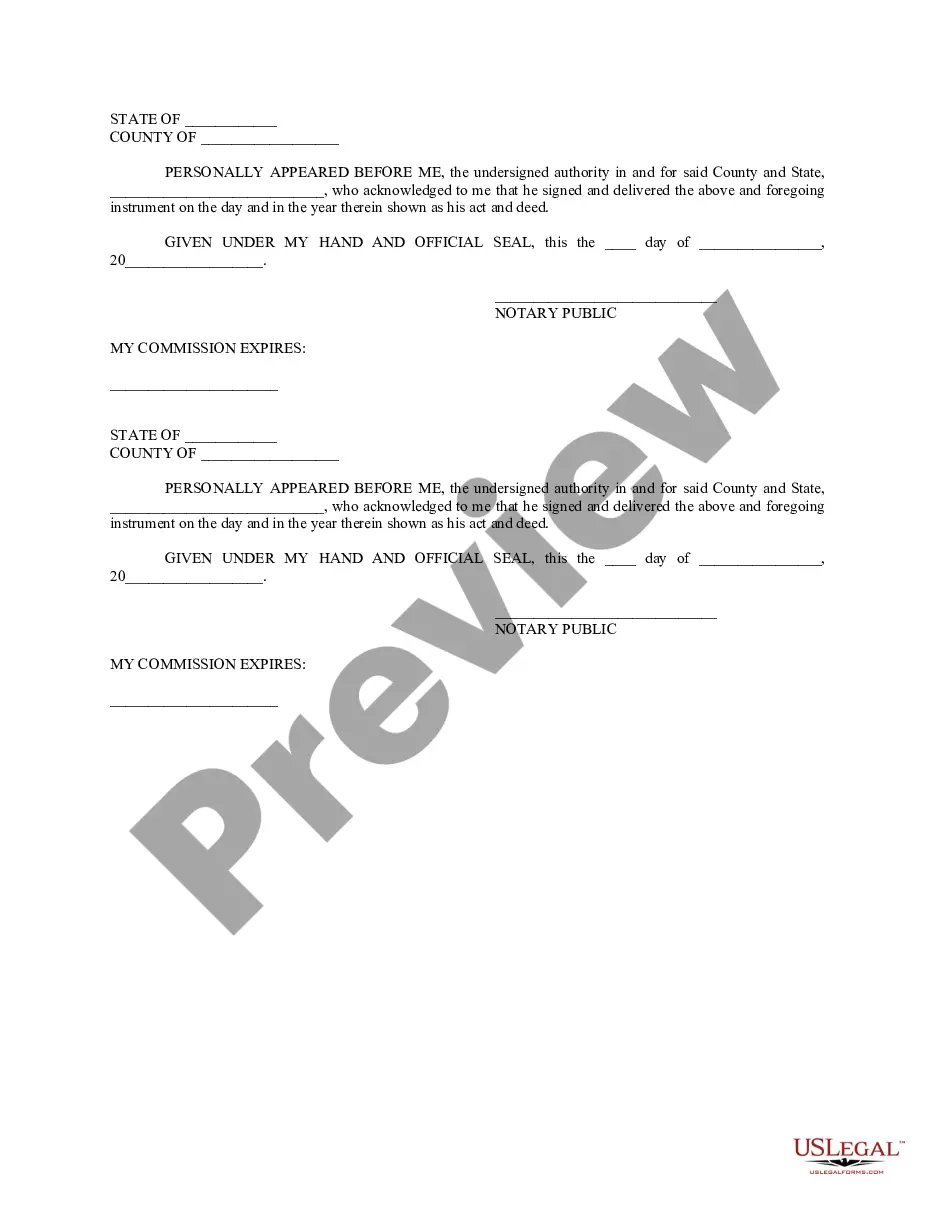
Description
Get your form ready online
Our built-in tools help you complete, sign, share, and store your documents in one place.
Make edits, fill in missing information, and update formatting in US Legal Forms—just like you would in MS Word.
Download a copy, print it, send it by email, or mail it via USPS—whatever works best for your next step.
Sign and collect signatures with our SignNow integration. Send to multiple recipients, set reminders, and more. Go Premium to unlock E-Sign.
If this form requires notarization, complete it online through a secure video call—no need to meet a notary in person or wait for an appointment.
We protect your documents and personal data by following strict security and privacy standards.

Make edits, fill in missing information, and update formatting in US Legal Forms—just like you would in MS Word.

Download a copy, print it, send it by email, or mail it via USPS—whatever works best for your next step.

Sign and collect signatures with our SignNow integration. Send to multiple recipients, set reminders, and more. Go Premium to unlock E-Sign.

If this form requires notarization, complete it online through a secure video call—no need to meet a notary in person or wait for an appointment.

We protect your documents and personal data by following strict security and privacy standards.
Looking for another form?







Form popularity
FAQ
Length of Tenancy It is common for a lease to be for a period of 12 months, but it can also be for many years.
Long-term apartment leases are commonly set for a year, but some properties are now exploring longer lease options, such as 13, 15, or 24 months. These extended lease terms offer benefits for both tenants and landlords, providing stability in housing arrangements.
What is leasehold? Leasehold means that you just have a lease from the freeholder (sometimes called the landlord) to use the home for a number of years. The leases are usually long term – often 90 years or 120 years and as high as 999 years – but can be short, such as 40 years.
So, how long is a long term tenancy agreement? In short, a long-term let is anywhere from 6 months onwards. While long term tenancies don't offer the same flexibility or increased rates as short term agreements, they do perform better in several ways.
One-year leases are by far and large the most popular length for leases. They're good if you have high-quality tenants and an effective tenant screening process in place.
Key Features of Long-Term Leases These leases typically extend beyond 5 years and can last up to 25 years or more. While these often require more front-end legal work, they offer tenants more certainty.
The proper real estate terminology depends on the state and local laws, but generally: Rental agreements are usually short-term or month-to-month. A standard lease is for more extended periods (six months or one year)
Drawbacks of long-term leases are locking yourself in a rental rate, risking having a less-than-desirable tenant, and giving yourself too little flexibility.
One can still do an executory contract (such as a long-term lease-option) but there are extensive requirements: the landlord-seller must provide the buyer with a recent survey or a current plat; copies of liens, restrictive covenants, and easements; a statutory disclosure; a disclosure for non-subdivision properties ...
Yes, lease options are still possible in Texas, but they come with significant legal obligations. The Texas Property Code imposes strict requirements on these agreements, and failure to comply can result in severe penalties.