Long Term Lease With Insurance In Minnesota
Description
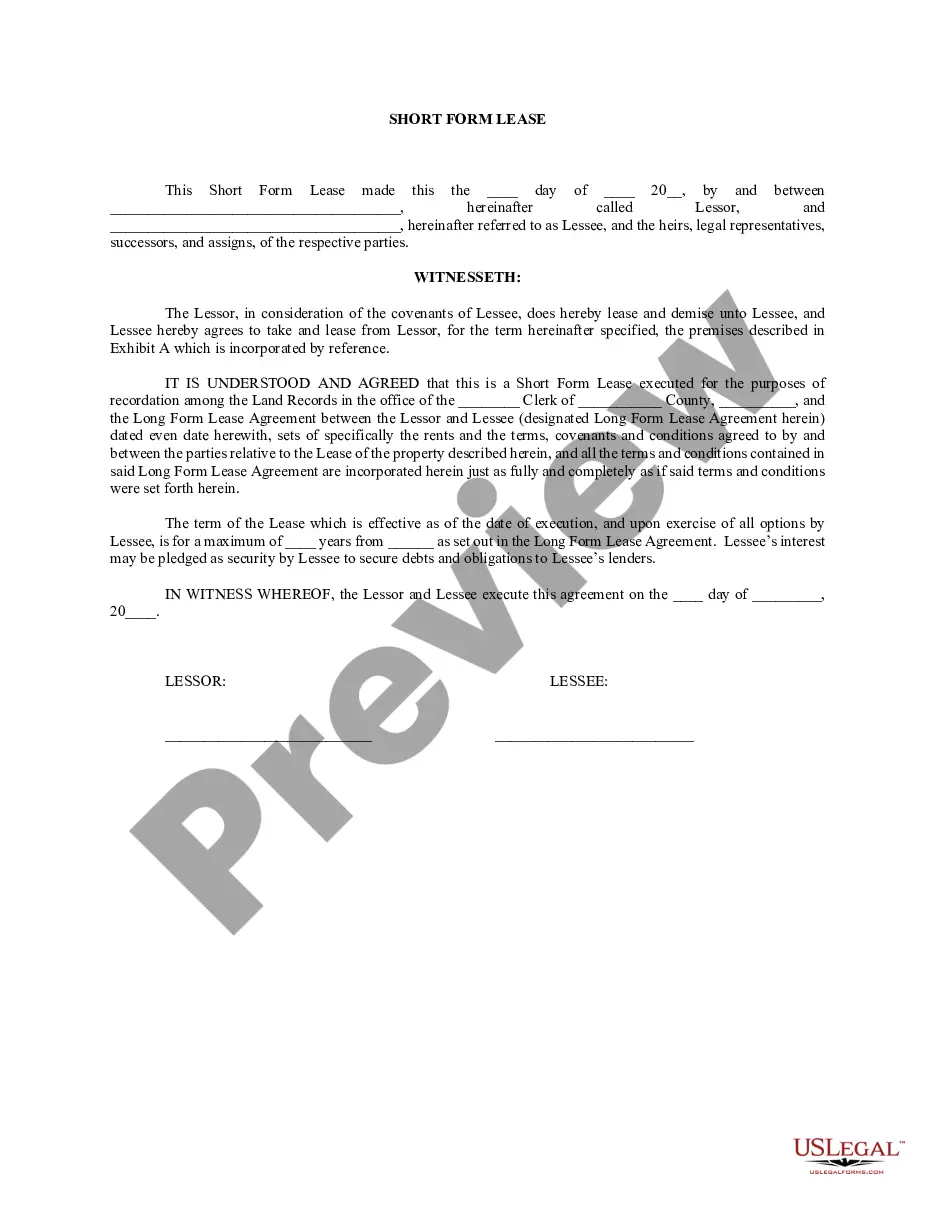
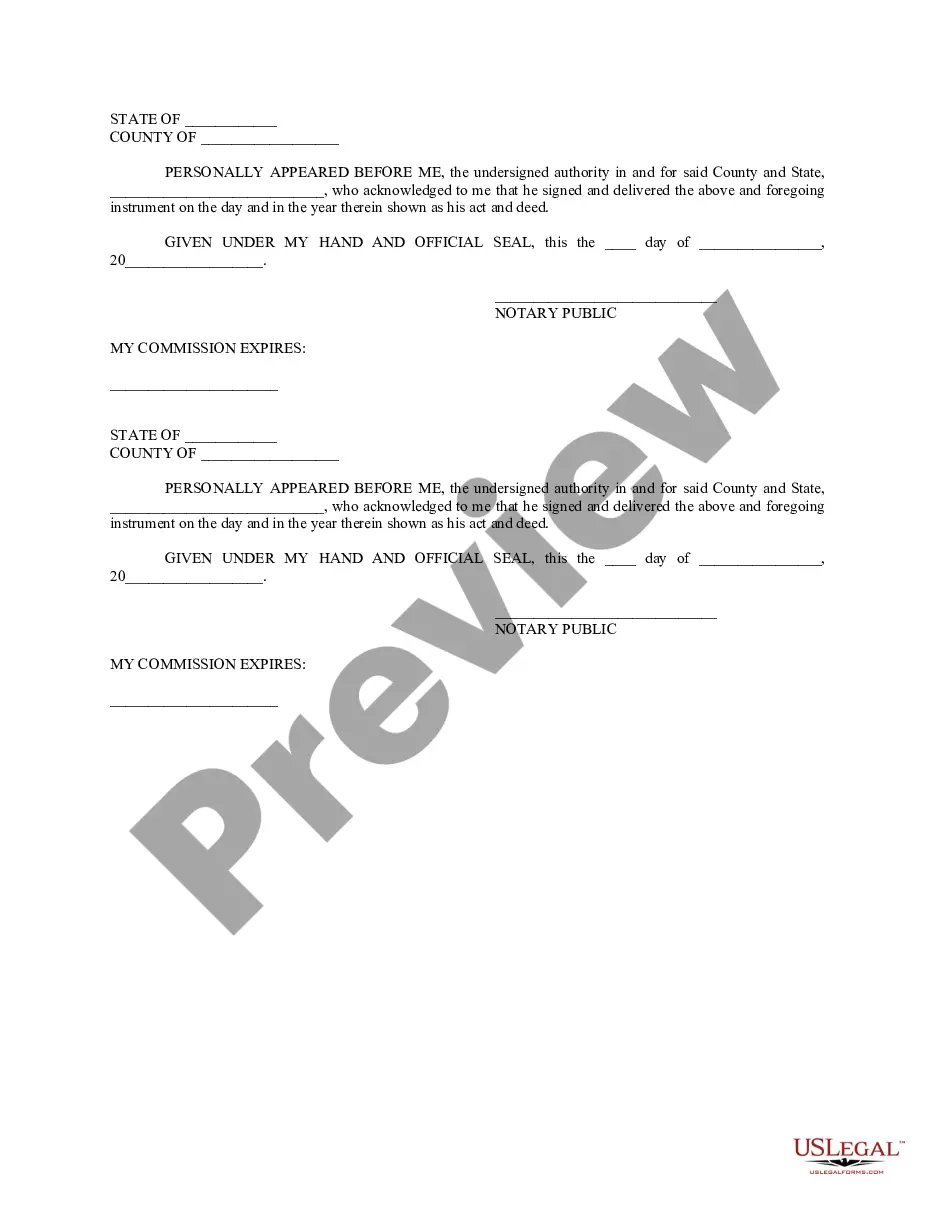
Get your form ready online
Our built-in tools help you complete, sign, share, and store your documents in one place.
Make edits, fill in missing information, and update formatting in US Legal Forms—just like you would in MS Word.
Download a copy, print it, send it by email, or mail it via USPS—whatever works best for your next step.
Sign and collect signatures with our SignNow integration. Send to multiple recipients, set reminders, and more. Go Premium to unlock E-Sign.
If this form requires notarization, complete it online through a secure video call—no need to meet a notary in person or wait for an appointment.
We protect your documents and personal data by following strict security and privacy standards.

Make edits, fill in missing information, and update formatting in US Legal Forms—just like you would in MS Word.

Download a copy, print it, send it by email, or mail it via USPS—whatever works best for your next step.

Sign and collect signatures with our SignNow integration. Send to multiple recipients, set reminders, and more. Go Premium to unlock E-Sign.

If this form requires notarization, complete it online through a secure video call—no need to meet a notary in person or wait for an appointment.

We protect your documents and personal data by following strict security and privacy standards.
Looking for another form?
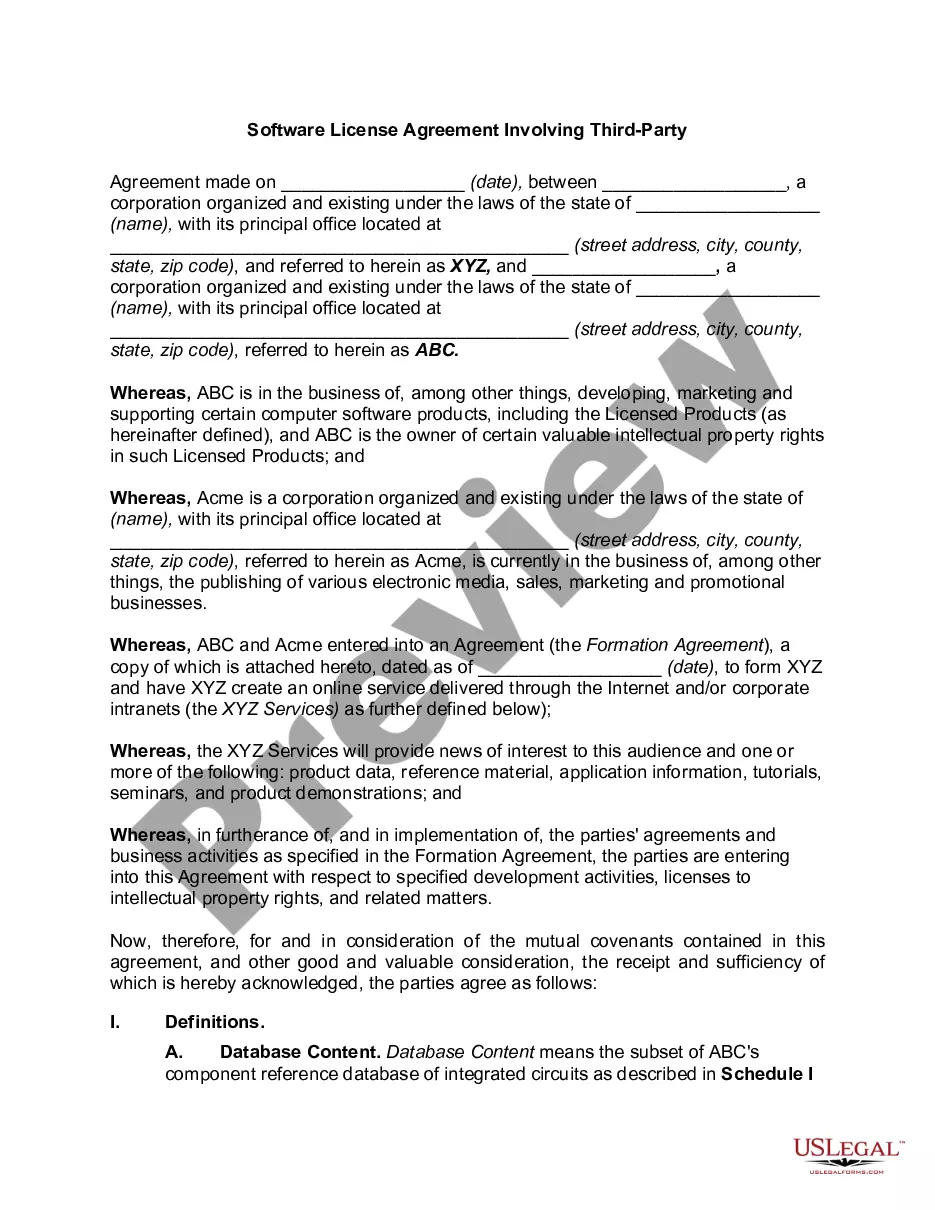
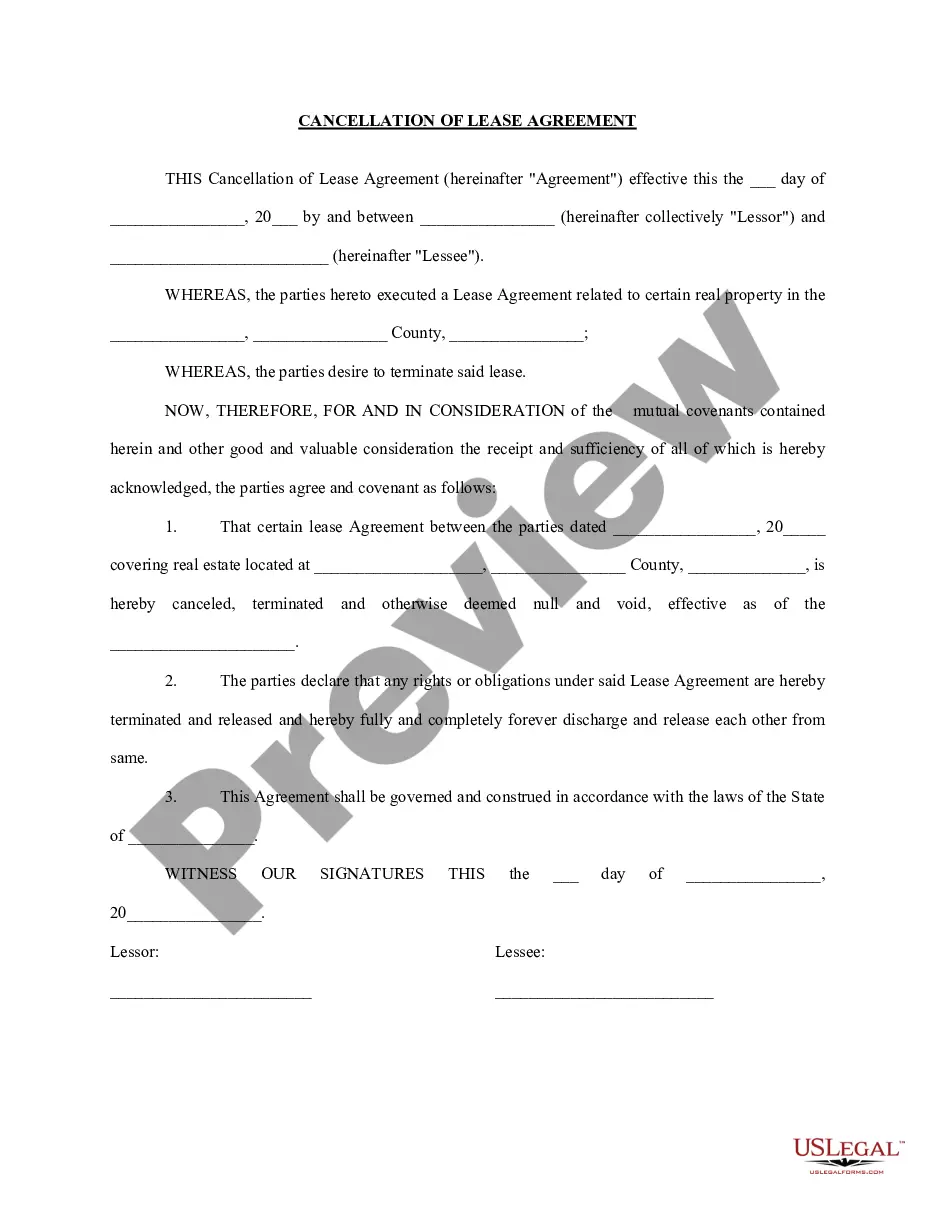








Form popularity
FAQ
Renters insurance in Minnesota isn't required by law, but it may be required by your landlord or rental company. Even if it's not required, renters insurance may offer essential protection for tenants renting apartments, condos, or homes.
The seller must give the consumer written notice of an automatic renewal between five to 30 days before the contract renews for another term. The seller must give the consumer written notice of continuous service at intervals that are reasonable to the goods or services provide.
Do Leases need to be notarized in Minnesota? No, Lease Agreements don't need to be notarized in Minnesota. Once there is an agreement between the Landlord, or lessor, and Tenant, or lessee, the Lease is binding. Once the Lease is signed by both parties, it's legally binding and fully enforceable.
Automatic renewal means if the tenant does not give notice he or she can be held to an additional period of time. For example, one or two months beyond the original term of the lease. Additionally, starting January 1, 2024, landlords cannot force a tenant to renew the lease more than 6 months before the lease is over.
The Minnesota credit equals 25 percent of qualifying long-term care insurance premiums for one beneficiary, up to a maximum of $100 for individuals and up to $200 for married couples filing jointly who both have coverage. A taxpayer may claim only one policy for each qualified beneficiary.
Whichever length of time is shorter should be the minimum notice duration. Under a fixed-term lease, you do not have to give notice if you do not wish to renew the lease at the end of the term. However, the recommended procedure is to give 30-days' notice, regardless if the tenant is renting yearly or month-to-month.
Effective January 1, 2024, landlords cannot file an eviction action in court for non-payment of rent unless they first give the tenant a detailed written notice of an intention to file 14 days before filing. Minn.
An automatic renewal term is a lease period that renews every month, six months, or year for the same length of time. This arrangement continues until the landlord or tenant terminates the lease.
It is important to know how to break a lease in MN for valid reasons. Valid reasons for breaking a lease early in Minnesota include domestic violence, uninhabitable living conditions, and active military duty.
Minnesota offers two refundable income tax credits targeted toward lower-income individuals: the child credit and the working family credit. The two credits are intertwined—taxpayers add together the two credits, and the combined amount is phased down based on income.