Long Term Lease With In Massachusetts
Description
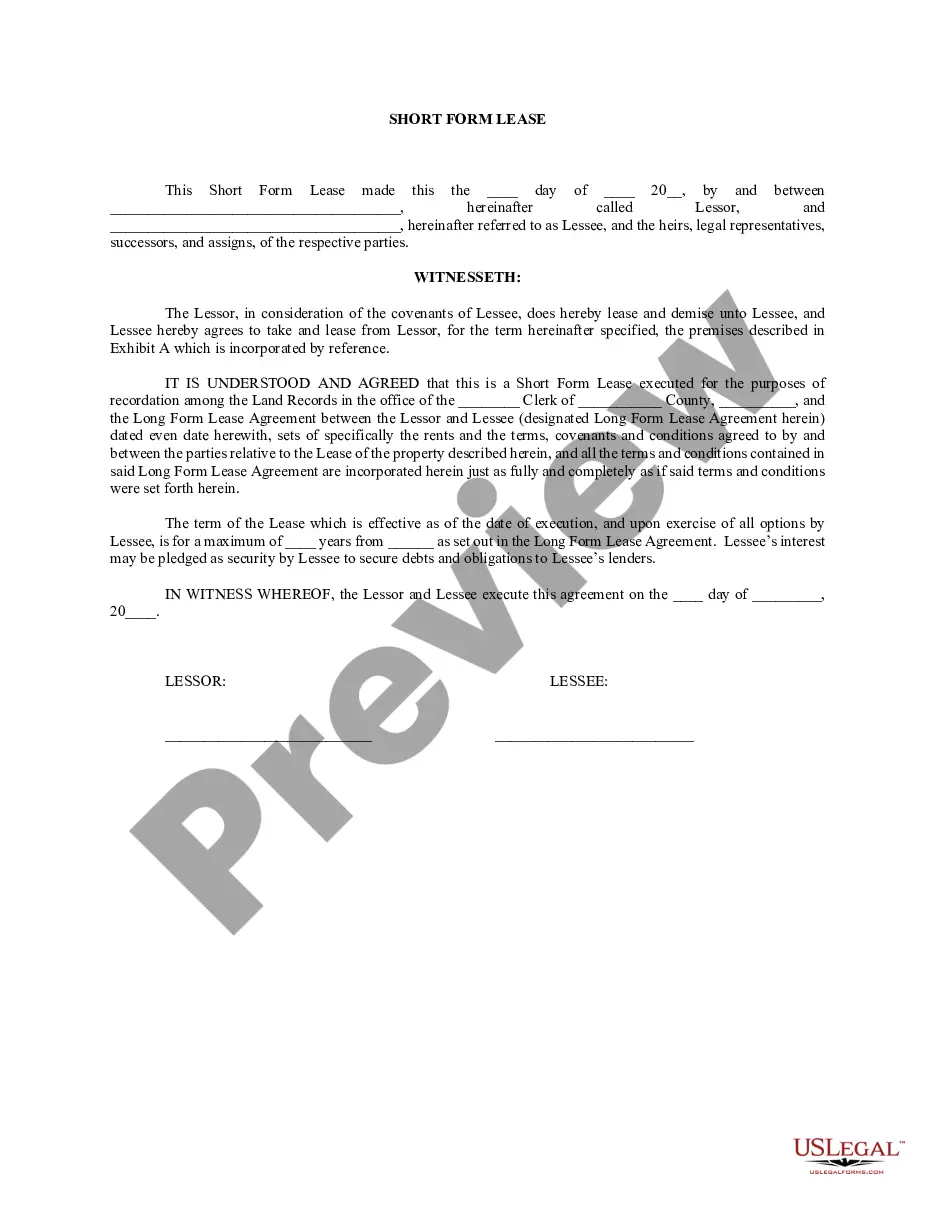
Get your form ready online
Our built-in tools help you complete, sign, share, and store your documents in one place.
Make edits, fill in missing information, and update formatting in US Legal Forms—just like you would in MS Word.
Download a copy, print it, send it by email, or mail it via USPS—whatever works best for your next step.
Sign and collect signatures with our SignNow integration. Send to multiple recipients, set reminders, and more. Go Premium to unlock E-Sign.
If this form requires notarization, complete it online through a secure video call—no need to meet a notary in person or wait for an appointment.
We protect your documents and personal data by following strict security and privacy standards.

Make edits, fill in missing information, and update formatting in US Legal Forms—just like you would in MS Word.

Download a copy, print it, send it by email, or mail it via USPS—whatever works best for your next step.

Sign and collect signatures with our SignNow integration. Send to multiple recipients, set reminders, and more. Go Premium to unlock E-Sign.

If this form requires notarization, complete it online through a secure video call—no need to meet a notary in person or wait for an appointment.

We protect your documents and personal data by following strict security and privacy standards.
Looking for another form?






Form popularity
FAQ
Key Features of Long-Term Leases These leases typically extend beyond 5 years and can last up to 25 years or more. While these often require more front-end legal work, they offer tenants more certainty.
Once the lease term ends you become a month to month tenant. Landlord would need to issue notice ending tenancy and if need be then begin a court eviction action. In other words, landlord cannot have you leave in less than 30 days, so an extension in writing is not necessary.
It is a legally binding contract detailing the responsibilities both the landlord and the tenant promise to uphold. In addition to specifics like amenities, renovations and other apartment features, the lease includes legal details like: Grounds for lease termination and eviction.
Limited Flexibility- Long-term leases aren't suitable for everyone, like those with uncertain future plans or frequent relocations. Long-Term Commitment- Committing to a longer lease can limit options if circumstances change unexpectedly.
A lease (property right to exclusive possession of land) which was initially granted for more than 21 years. However, the term is more commonly used to describe leases for an initial term of 99, 125, or even 999 years.
Short-term goals are smaller goals (relatively speaking) that are usually set to be achieved within a 90-day window. Sometimes six months or a year, but generally anything longer than a year is a “long-term” goal.
So, how long is a long term tenancy agreement? In short, a long-term let is anywhere from 6 months onwards. While long term tenancies don't offer the same flexibility or increased rates as short term agreements, they do perform better in several ways.
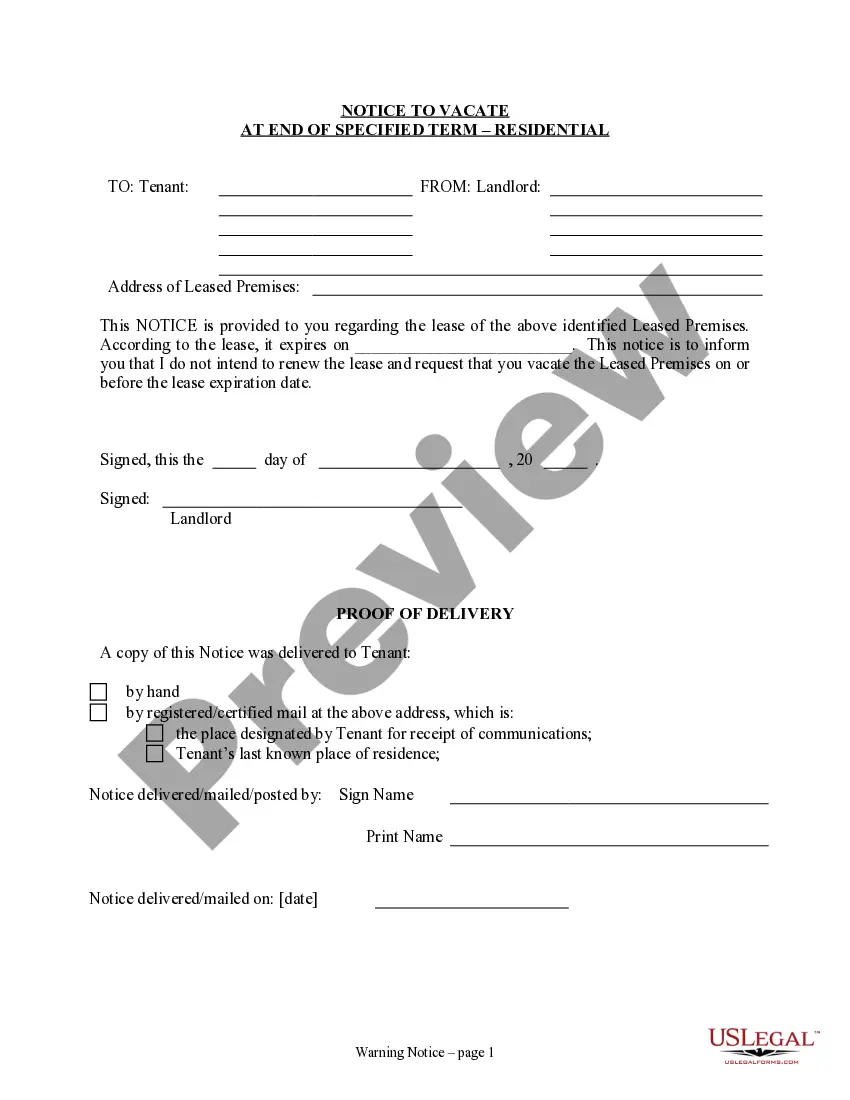
If you are evicting for a reason other than nonpayment, or for no reason, you must give the tenant a 30 day Notice to Quit. If the eviction is for nonpayment, you must give a 14 day Notice to Quit.
If you have good cause, you can renovate a property occupied by a tenant, but you must give them proper notice and make other arrangements.
Generally, a landlord cannot take possession of the rental property, physically remove the tenant or their personal property, or change the locks without going through a court. Depending on the reason for eviction, a landlord must provide the tenant either a 14-Day or 30-day Notice to Quit.
