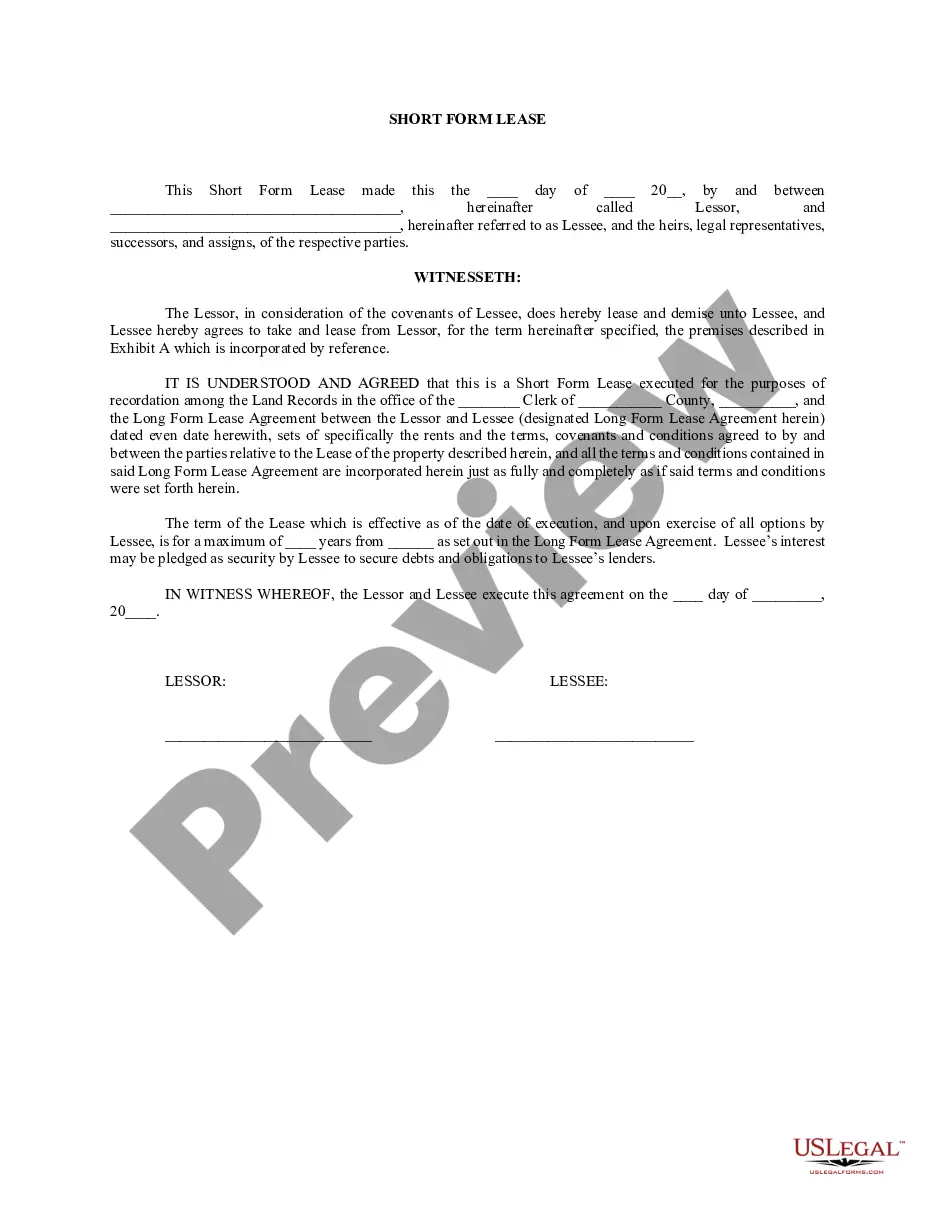
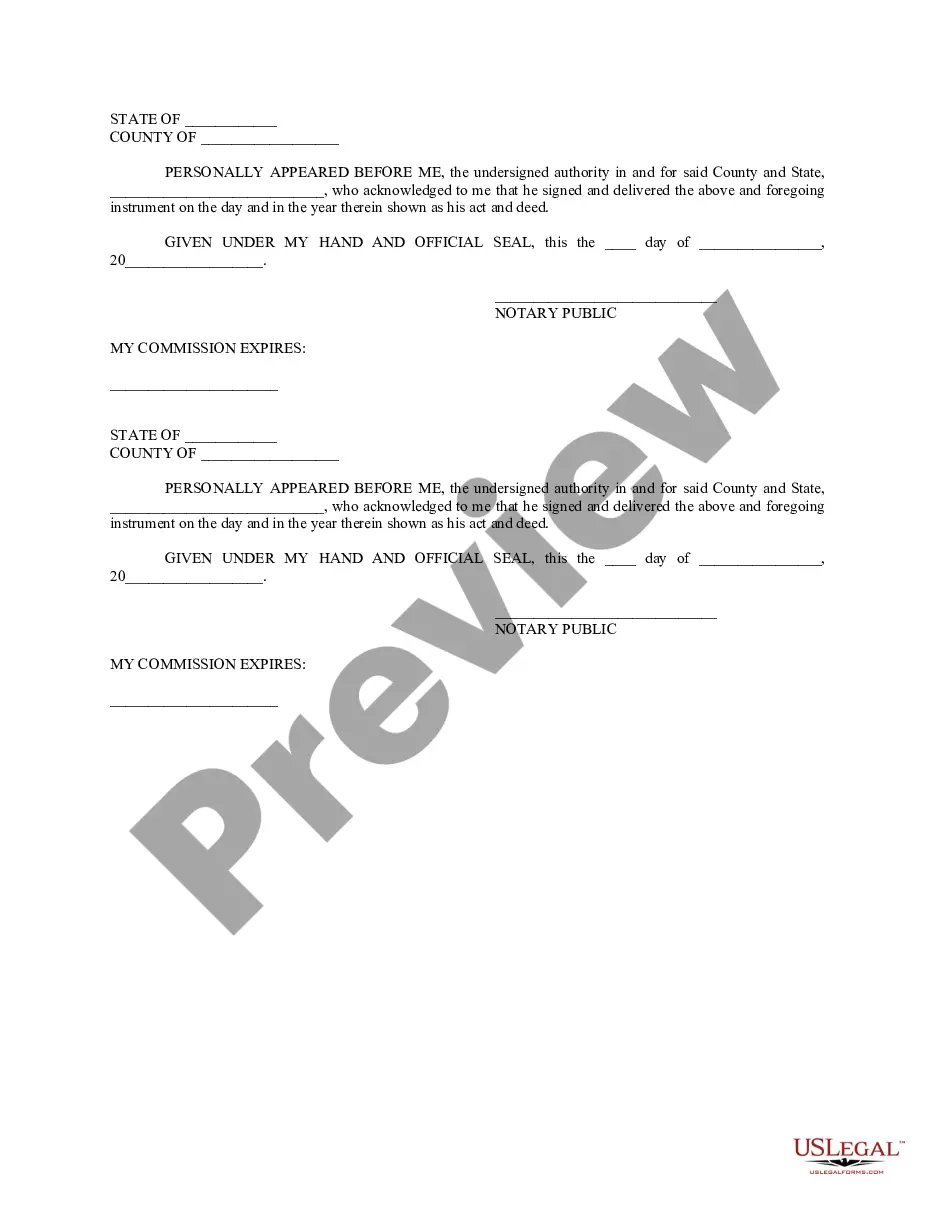
Long Term Lease Agreement For Land In Cook
Description
Get your form ready online
Our built-in tools help you complete, sign, share, and store your documents in one place.
Make edits, fill in missing information, and update formatting in US Legal Forms—just like you would in MS Word.
Download a copy, print it, send it by email, or mail it via USPS—whatever works best for your next step.
Sign and collect signatures with our SignNow integration. Send to multiple recipients, set reminders, and more. Go Premium to unlock E-Sign.
If this form requires notarization, complete it online through a secure video call—no need to meet a notary in person or wait for an appointment.
We protect your documents and personal data by following strict security and privacy standards.

Make edits, fill in missing information, and update formatting in US Legal Forms—just like you would in MS Word.

Download a copy, print it, send it by email, or mail it via USPS—whatever works best for your next step.

Sign and collect signatures with our SignNow integration. Send to multiple recipients, set reminders, and more. Go Premium to unlock E-Sign.

If this form requires notarization, complete it online through a secure video call—no need to meet a notary in person or wait for an appointment.

We protect your documents and personal data by following strict security and privacy standards.
Looking for another form?









Form popularity
FAQ
In the law of several US states, a 99-year lease will always be the longest possible contract for realty by statute, but many states have enacted shorter terms and some allow infinite terms.
Most freehold land in the Cook Islands is owned by Cook Islands families. When a parent who is a landowner dies his or her child or children are entitled to succeed to the parent's interest in their land. This requires a formal application to the High Court.
Foreigners cannot own land in the Cook Islands but may lease land for up to 60 years.
Applicants wishing to gain Permanent Residency in the Cook Islands must have lived in the Cook Islands continuously. For non-New Zealand citizens, this is for a continuous ten years, while for New Zealand citizens this is for five years.
The Cook Islands do not issue their own passport, therefore there is no direct Cook Islands citizenship by investment programme. However, some territories encourage investment from entrepreneurs and business and may offer residency often in a favourable tax jurisdiction.
Foreigners cannot own land in the Cook Islands but may lease land for up to 60 years. What is the minimum investment capital into the Cook Islands?
The lease agreement is valid for a period of 99 years, after which the property reverts back to the lessor (the owner of the property). Rights and Responsibilities: The lessee has certain rights over the property during the lease period, including the right to use, occupy, and transfer the lease to another party.
A leasehold agreement will outline the length of the lease – It usually starts off at 125 years or 1000 years. Essentially, this means you rent your property on a 125 or 1000 year contract. Unlike a normal rental property, you own this lease and have the right to sell it to someone else.
The main difference between leasing and renting a property is the length of the contract. Leasehold is usually granted for at least 21 years and can last as long as 999 years.
