House For Sale By Owner Forms For New Jersey In Wayne
Description

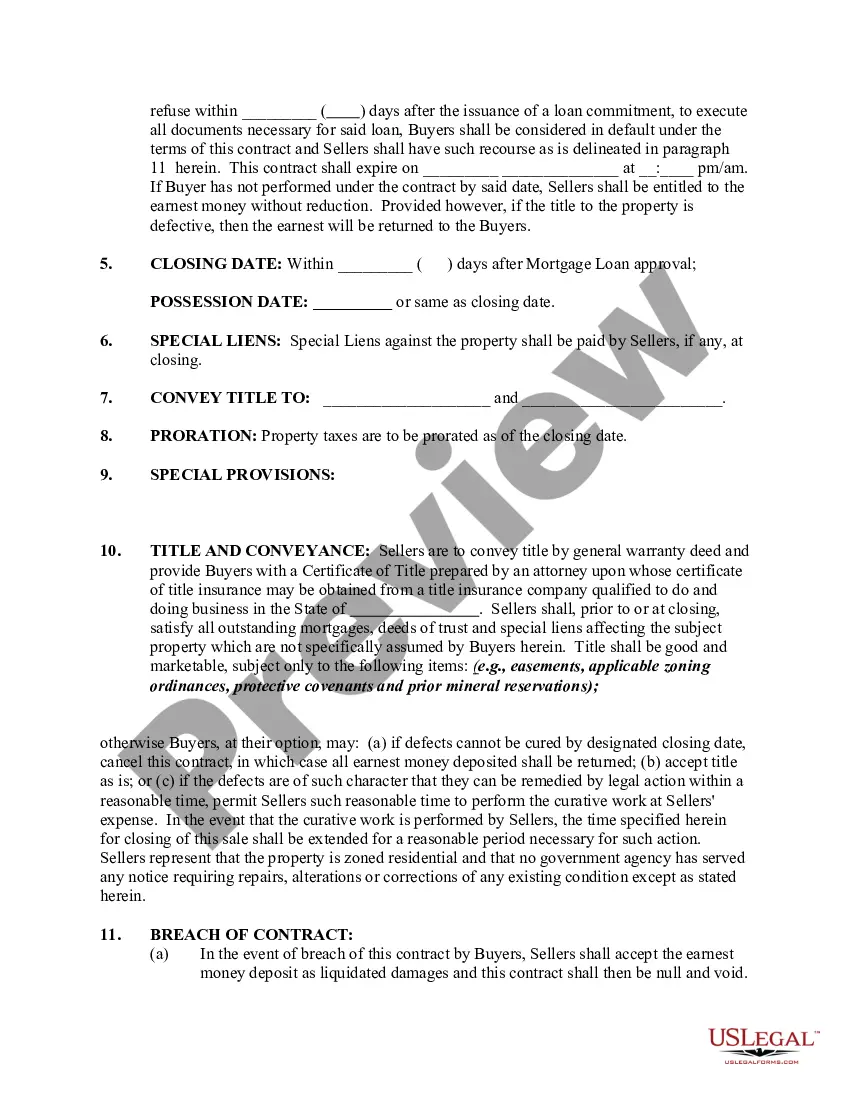
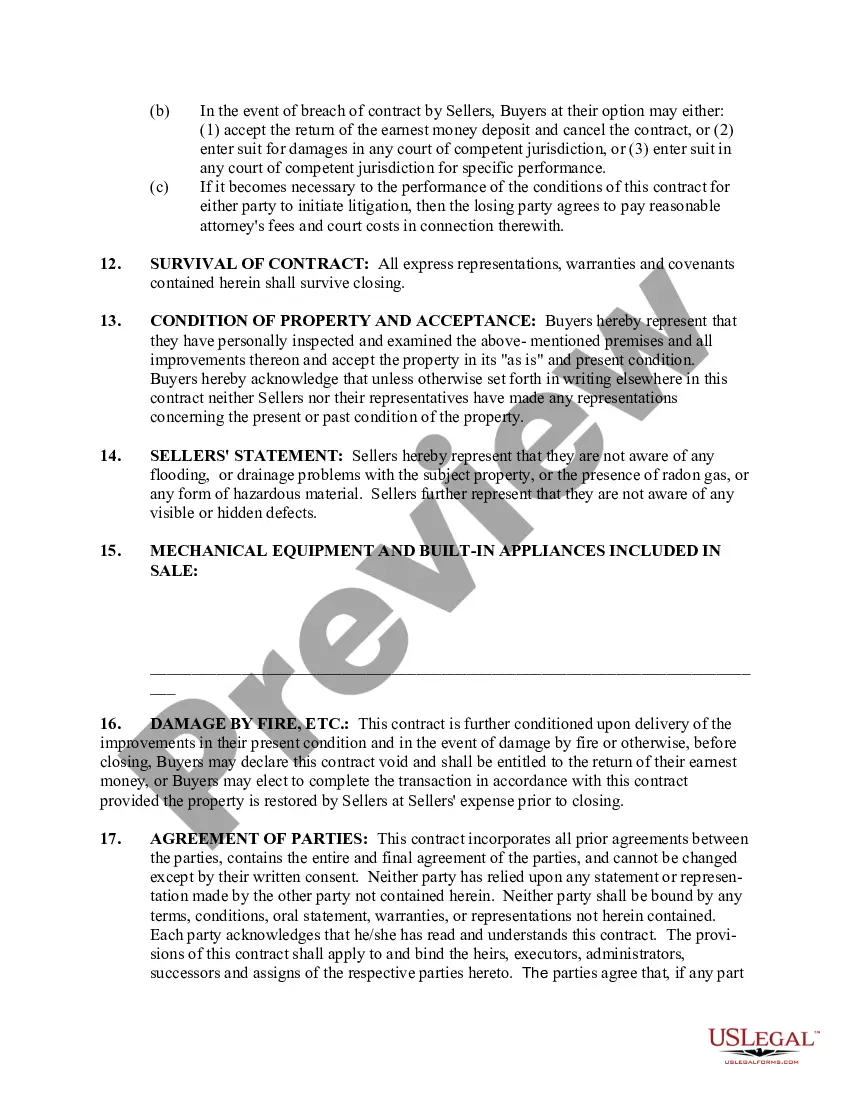
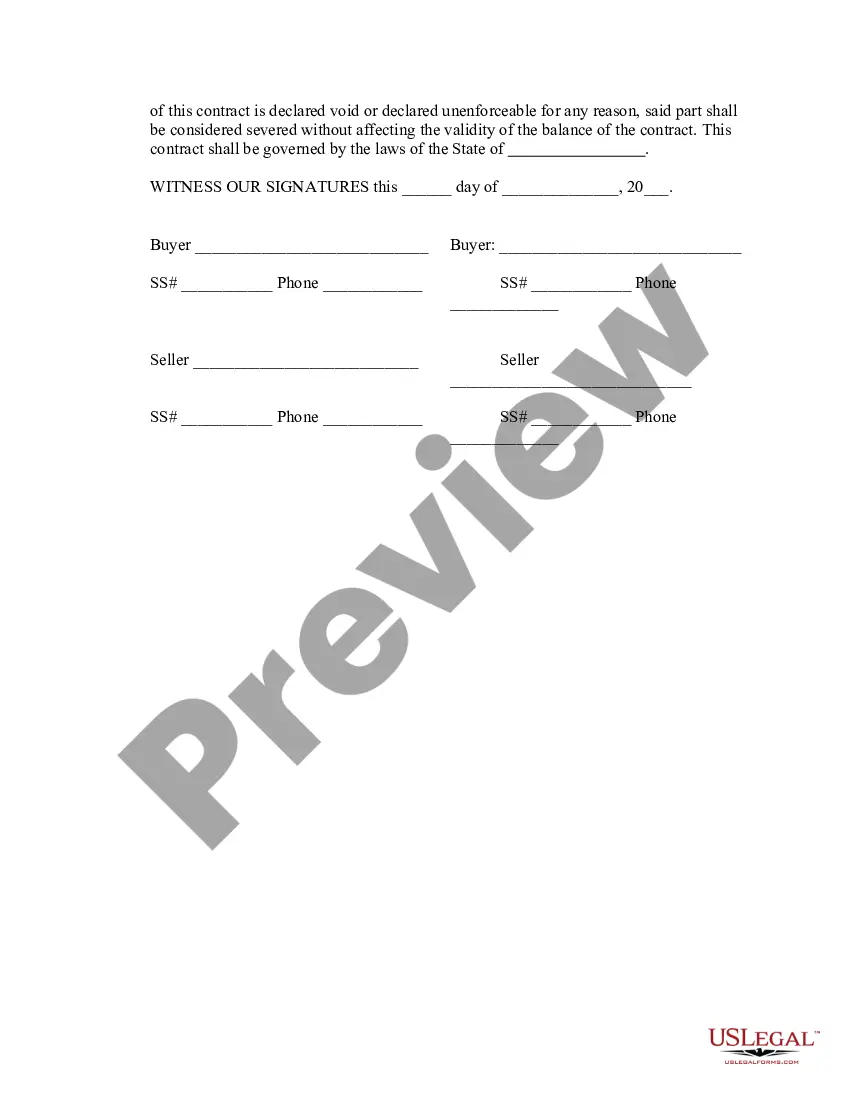
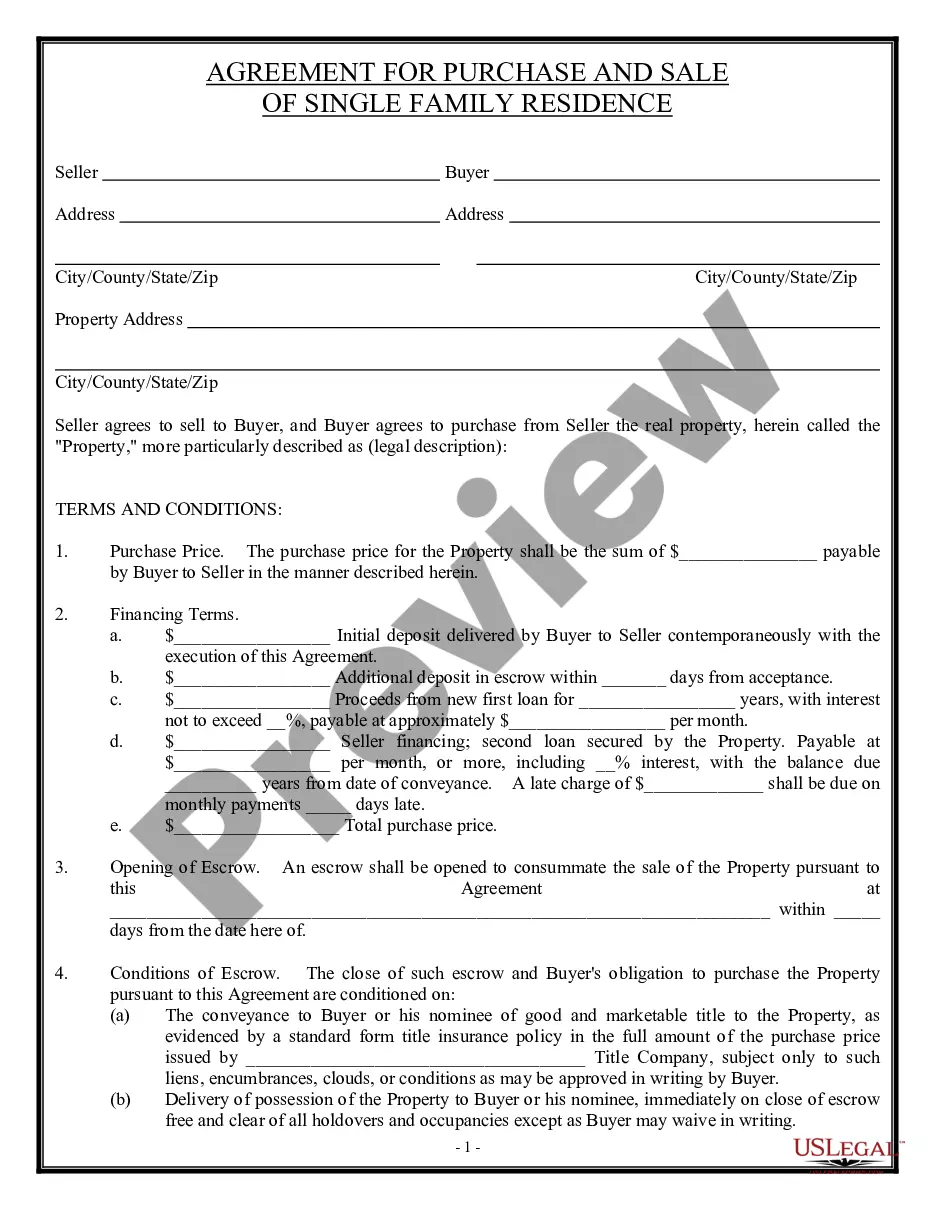
Get your form ready online
Our built-in tools help you complete, sign, share, and store your documents in one place.
Make edits, fill in missing information, and update formatting in US Legal Forms—just like you would in MS Word.
Download a copy, print it, send it by email, or mail it via USPS—whatever works best for your next step.
Sign and collect signatures with our SignNow integration. Send to multiple recipients, set reminders, and more. Go Premium to unlock E-Sign.
If this form requires notarization, complete it online through a secure video call—no need to meet a notary in person or wait for an appointment.
We protect your documents and personal data by following strict security and privacy standards.

Make edits, fill in missing information, and update formatting in US Legal Forms—just like you would in MS Word.

Download a copy, print it, send it by email, or mail it via USPS—whatever works best for your next step.

Sign and collect signatures with our SignNow integration. Send to multiple recipients, set reminders, and more. Go Premium to unlock E-Sign.

If this form requires notarization, complete it online through a secure video call—no need to meet a notary in person or wait for an appointment.

We protect your documents and personal data by following strict security and privacy standards.
Looking for another form?
Form popularity
FAQ
Seller Disclosure Statements Are Now Mandatory Seller Disclosure Statements (“SDS”) are a familiar document to any New Jersey resident who has bought or sold a home. In the SDS, the Seller will list any known defects or issues with the property (i.e. water damage, termite infestation, structural issues, etc.)
A seller's disclosure is a document provided by the seller to the buyer. It discloses any issues with the property that the seller is aware of that could hinder the new owner's enjoyment of the home. This is called a Seller's Disclosure Statement and is required for many real estate transactions.
Sellers are now required to provide a signed property condition disclosure statement before any sale contract is signed. This document details the condition of the property, helping buyers make informed decisions.
The updated Seller's Disclosure Statement requires all sellers, without distinction between residential, commercial and industrial properties, to divulge whether any part of the property falls within either (1) FEMA's designated Special Flood Hazard Area or “100-year floodplain,”; or (2) FEMA's designated Moderate Risk ...
In full disclosure states, the seller's agent has a responsibility to notify the seller of the duty to disclose all known material facts.
How to Sell a House As Is in New Jersey? Choose How to Sell Your Home. You have 4 alternatives when selling your house as is in New Jersey. Make Minor Repairs. Conduct a Pre-listing Inspection. Disclose All of Your Home's Defects. Fill Out the As Is Real Estate Contract.
New Jersey, unlike other states, does not require sellers to have an attorney to sell a property. However, it is more than recommended and key to have it for contract review, negotiation or general real estate advice.
Under New Jersey law, the creation of a binding contract requires a “meeting of the minds,” which means that the parties must agree to all the material or essential contract terms and show an intent to be bound by those terms (Weichert Co. Realtors, 128 N.J. at 435; Gamble, 399 N.J. Super. at 140-41).
The basic elements required for the agreement to be a legally enforceable contract are: mutual assent , expressed by a valid offer and acceptance ; adequate consideration ; capacity ; and legality . In some states , elements of consideration can be satisfied by a valid substitute.
The different forms of breach of contract as well as remedies for breach of contract will also be briefly discussed. A contract will only be legally binding upon the contracting parties if the following requirements are complied with: consensus, contractual capacity, certainty, possibility, legality and formalities.