Closing Any Property Within The State In Washington
Description

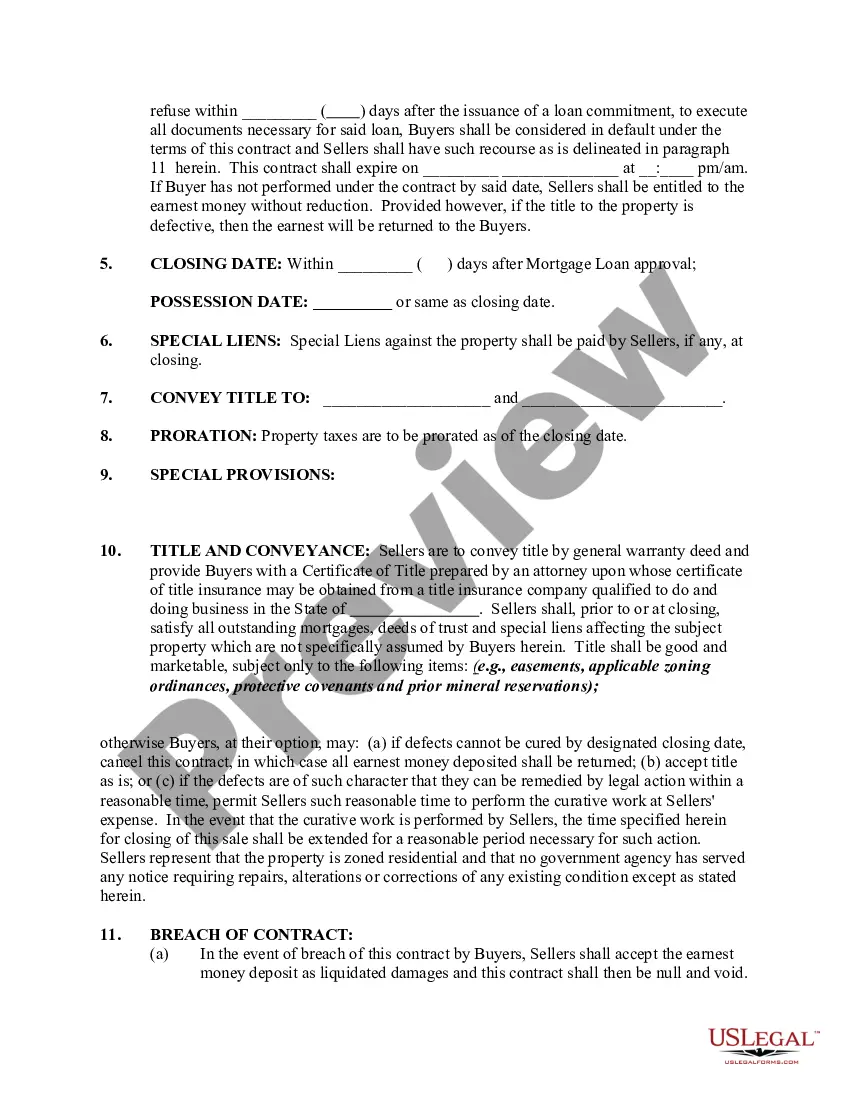
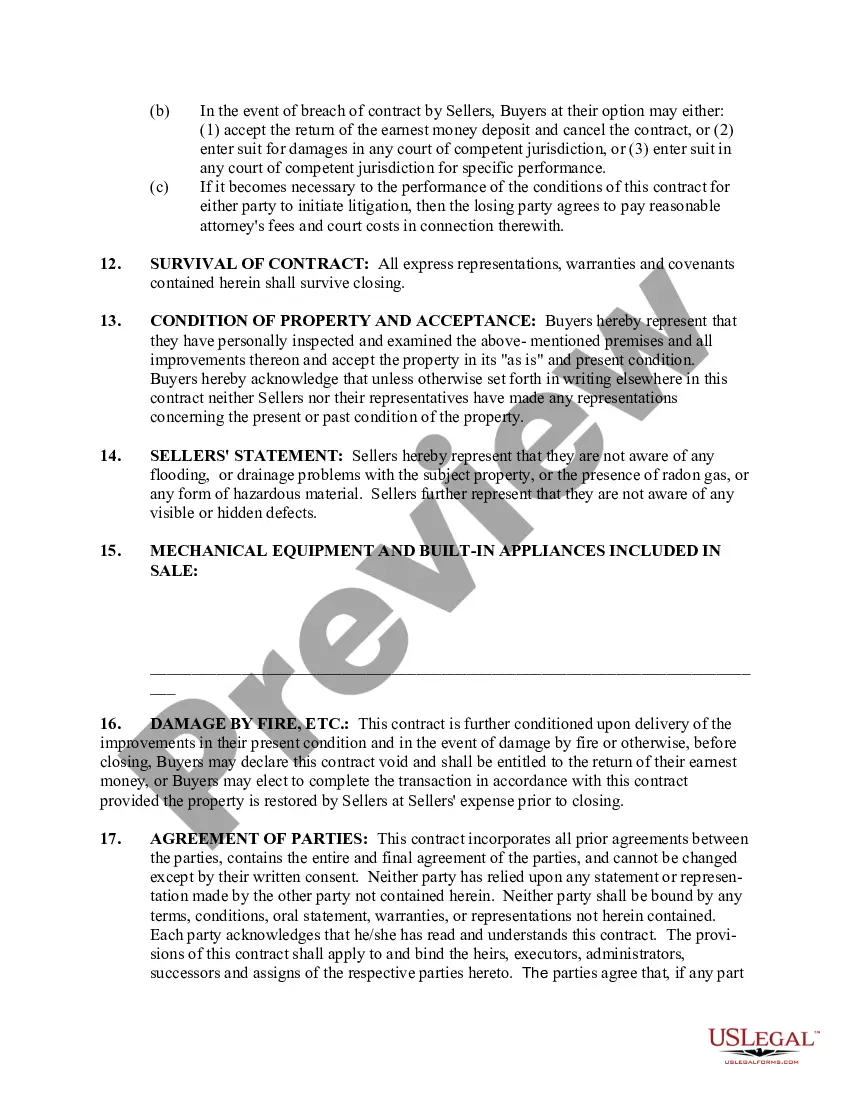
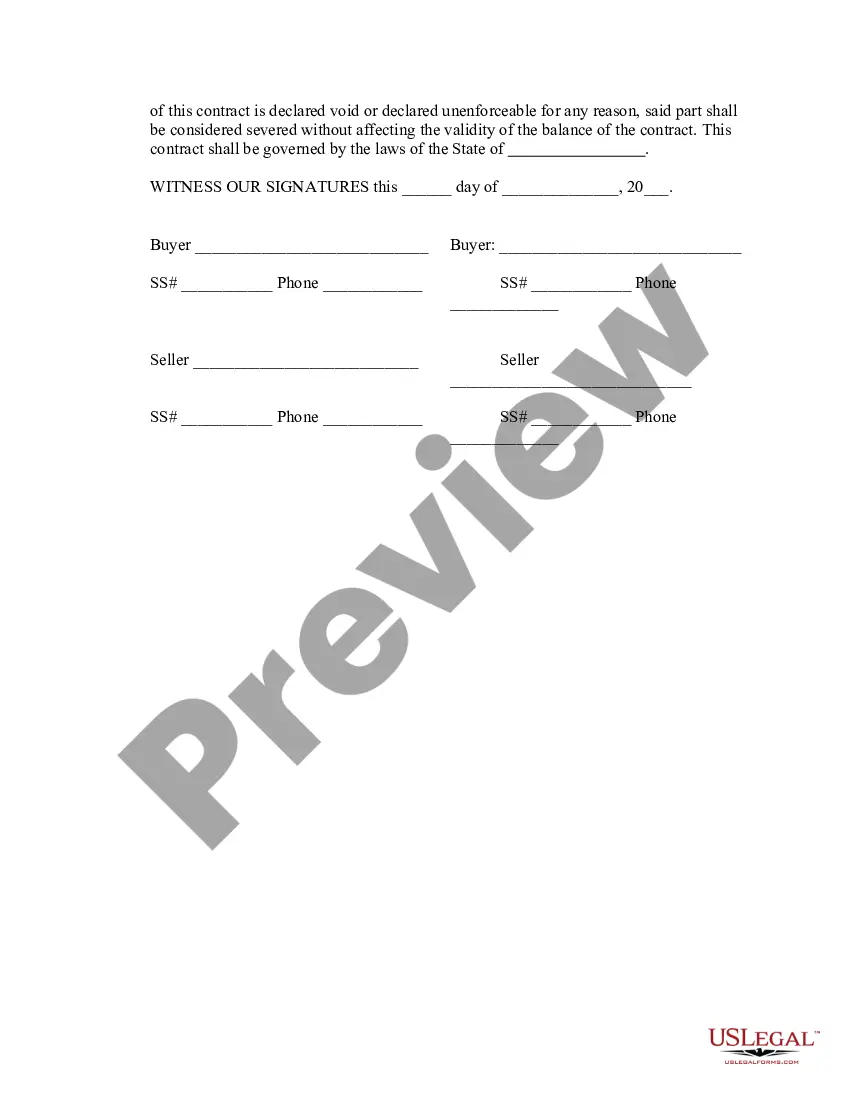
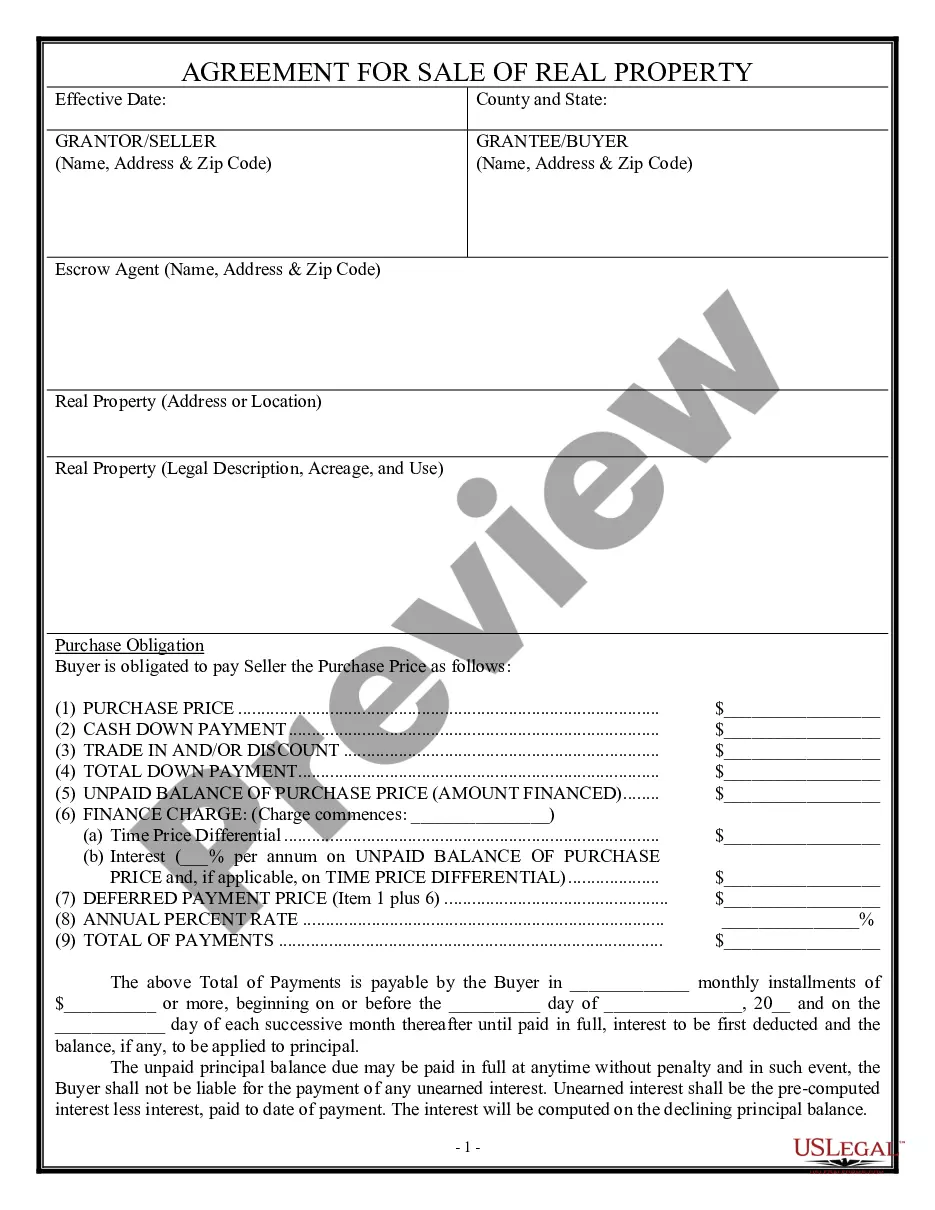
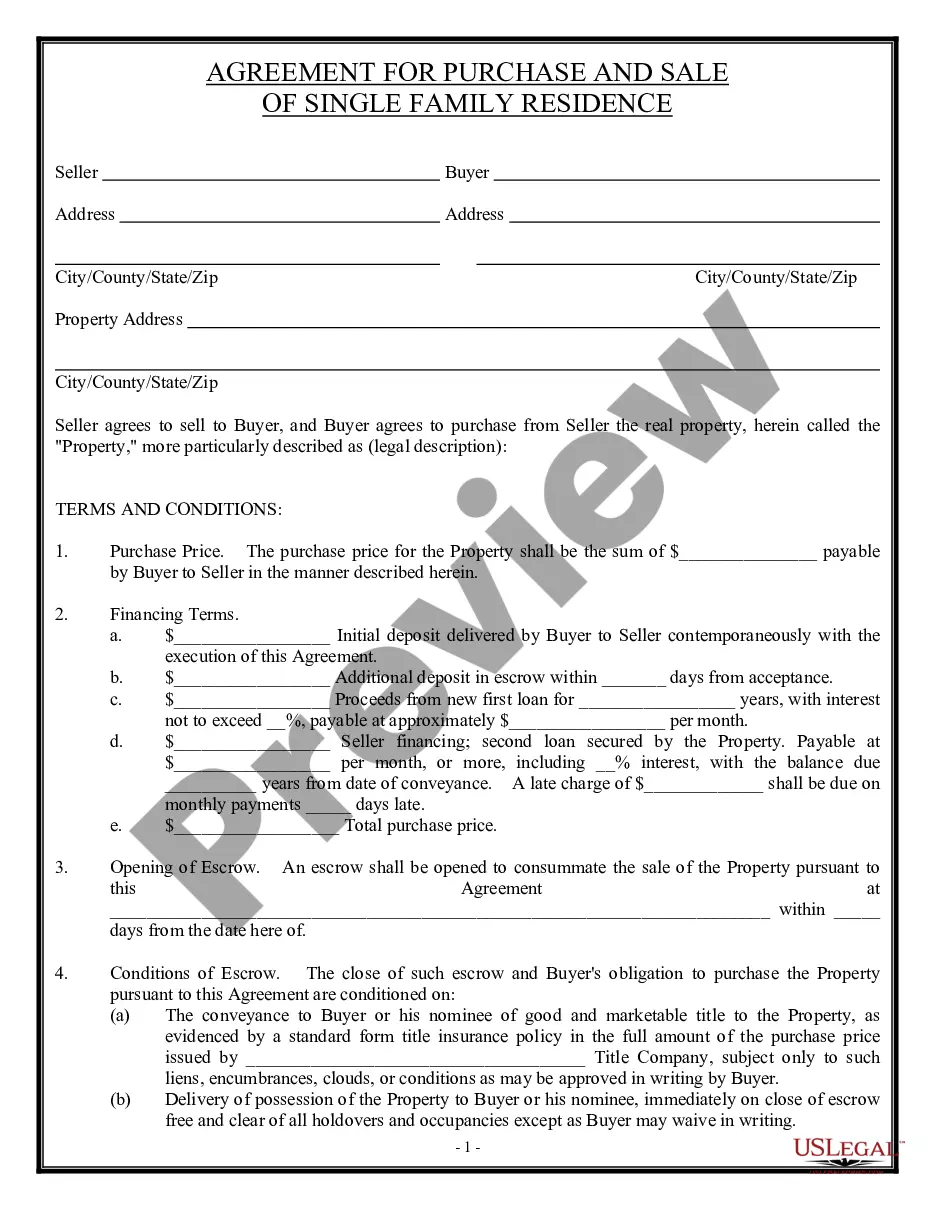
Get your form ready online
Our built-in tools help you complete, sign, share, and store your documents in one place.
Make edits, fill in missing information, and update formatting in US Legal Forms—just like you would in MS Word.
Download a copy, print it, send it by email, or mail it via USPS—whatever works best for your next step.
Sign and collect signatures with our SignNow integration. Send to multiple recipients, set reminders, and more. Go Premium to unlock E-Sign.
If this form requires notarization, complete it online through a secure video call—no need to meet a notary in person or wait for an appointment.
We protect your documents and personal data by following strict security and privacy standards.

Make edits, fill in missing information, and update formatting in US Legal Forms—just like you would in MS Word.

Download a copy, print it, send it by email, or mail it via USPS—whatever works best for your next step.

Sign and collect signatures with our SignNow integration. Send to multiple recipients, set reminders, and more. Go Premium to unlock E-Sign.

If this form requires notarization, complete it online through a secure video call—no need to meet a notary in person or wait for an appointment.

We protect your documents and personal data by following strict security and privacy standards.
Looking for another form?









Form popularity
FAQ
In Washington, the amount of property taxes collected at closing is determined by the date of closing and the due date of the annual tax bill. Generally, buyers are responsible for paying two months' worth of property taxes at closing.
Probate proceedings are not necessary for all estates. Factors including the value, nature, and titling of assets de- termines whether a probate is required. Washington law provides a simpli- fied procedure for the transfer of assets in a small estate when the value of such does not exceed $100,000.
After all of the estate assets have been distributed, you can close the estate. Your attorney will prepare a declaration for your signature providing a summary of your actions as personal representative. The declaration, together with the receipts from the beneficiaries, will be filed with the court.
How Long Does it Take to Close? The average number of days for a home to close in Washington State, particularly for transactions involving financing (i.e., those with a mortgage), typically ranges between 30 to 45 days.
Ing to Washington state executor requirements, an executor has no exact timeframe to settle an estate. It can take several months and up to a year for an estate to pass through probate.
How to wind up a deceased estate Step 1: Reporting the estate. The following documents are required. Step 2: Appointing an executor. Step 3: Gathering and valuing assets. Step 4: Settling debts and liabilities. Step 5: Preparing the liquidation and distribution account. Step 6: Paying creditors and taxes.
Bottom-line: As a Personal Representative, you need to either: Close your probate estate within 12 months, or. Petition the Court for an extension of time to close it, or. File a Status Report.
This process requires you to take the following steps: Open probate. Notify all interested parties of your appointment as personal representative. Notify the Department of Social and Health Services (DSHS). Gather assets and information. Prepare an inventory and appraisement. Determine debts. Notify creditors.
