Closure Any Property For Division In Utah
Description




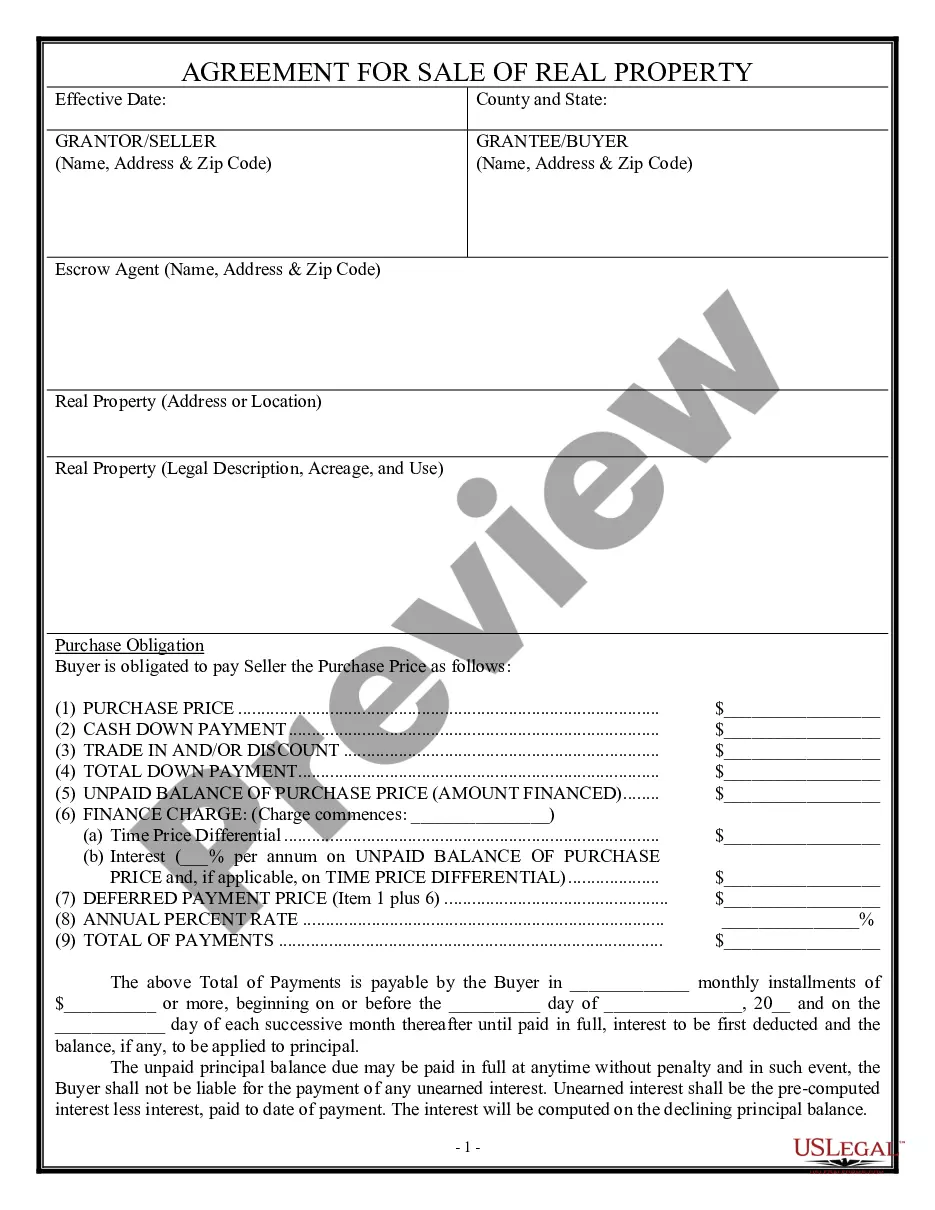

Get your form ready online
Our built-in tools help you complete, sign, share, and store your documents in one place.
Make edits, fill in missing information, and update formatting in US Legal Forms—just like you would in MS Word.
Download a copy, print it, send it by email, or mail it via USPS—whatever works best for your next step.
Sign and collect signatures with our SignNow integration. Send to multiple recipients, set reminders, and more. Go Premium to unlock E-Sign.
If this form requires notarization, complete it online through a secure video call—no need to meet a notary in person or wait for an appointment.
We protect your documents and personal data by following strict security and privacy standards.

Make edits, fill in missing information, and update formatting in US Legal Forms—just like you would in MS Word.

Download a copy, print it, send it by email, or mail it via USPS—whatever works best for your next step.

Sign and collect signatures with our SignNow integration. Send to multiple recipients, set reminders, and more. Go Premium to unlock E-Sign.

If this form requires notarization, complete it online through a secure video call—no need to meet a notary in person or wait for an appointment.

We protect your documents and personal data by following strict security and privacy standards.
Looking for another form?






Form popularity
FAQ
Utah is one of the 41 majority states that observes the “common law” on the question of property division, meaning that it splits marital property “equitably” or fairly, but not necessarily equally, although the courts usually start with the presumption that marital property should be divided equally.
Learn More About Legal Separation in Utah In Utah, separated parties may obtain necessary domestic orders without divorcing. Legal Separation in Utah allows the parties to separate and define issues related to their family, but still stay married.
Utah law requires an equitable division of marital property. Equitable means fair, which is not necessarily equal. If the parties agree as part of the divorce or annulment how to divide their property, the judge must review the agreement to be sure that it is fair.
Utah law requires an equitable division of marital property. Equitable means fair, which is not necessarily equal. If the parties agree as part of the divorce or annulment how to divide their property, the judge must review the agreement to be sure that it is fair.
Utah is an ``equitable distribution'' state, which basically means that marital assets are split up equitably in a divorce. That does not mean that everyone gets half of everything. Rather, everything is put into a ``pot'' of sorts, and divvied up equitably.
Marriage isn't for everyone. But many people don't know they have more options than simply getting married or not. In Utah, couples can choose domestic partnerships instead. These partnerships aren't the same as marriage but offer some of the same benefits.
59-2-1357. Redemption at foreclosure sale. Any person interested in any real estate sold at foreclosure sale under any decree has the same right to redeem the real estate from the sale, within the same time and upon the same terms as if the sale had been made upon execution.
Most foreclosures in Utah are done without a court case. They follow a process known as "nonjudicial foreclosure." This is also sometimes called a "trustee sale." The steps in a nonjudicial foreclosure are below.
A non judicial foreclosure in Utah can be completed in about 4 months if it is not contested by the borrower. The time frame for a judicial foreclosure depends on the court's schedule and the rulings of the court.
Ranked twelfth, Utah had a foreclosure rate of one in every 3,523 housing units. Out of 1,162,654 housing units, 330 went into foreclosure.
