Sell Closure Property Formula In Travis
Description

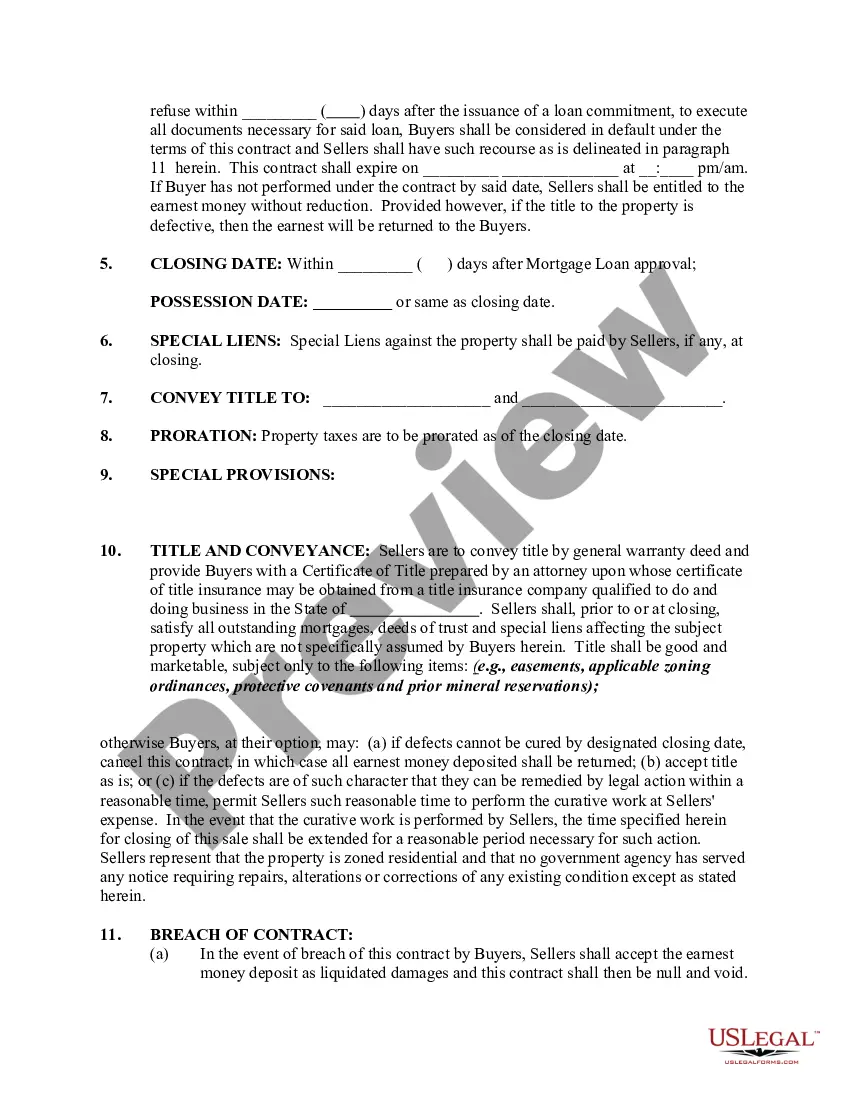
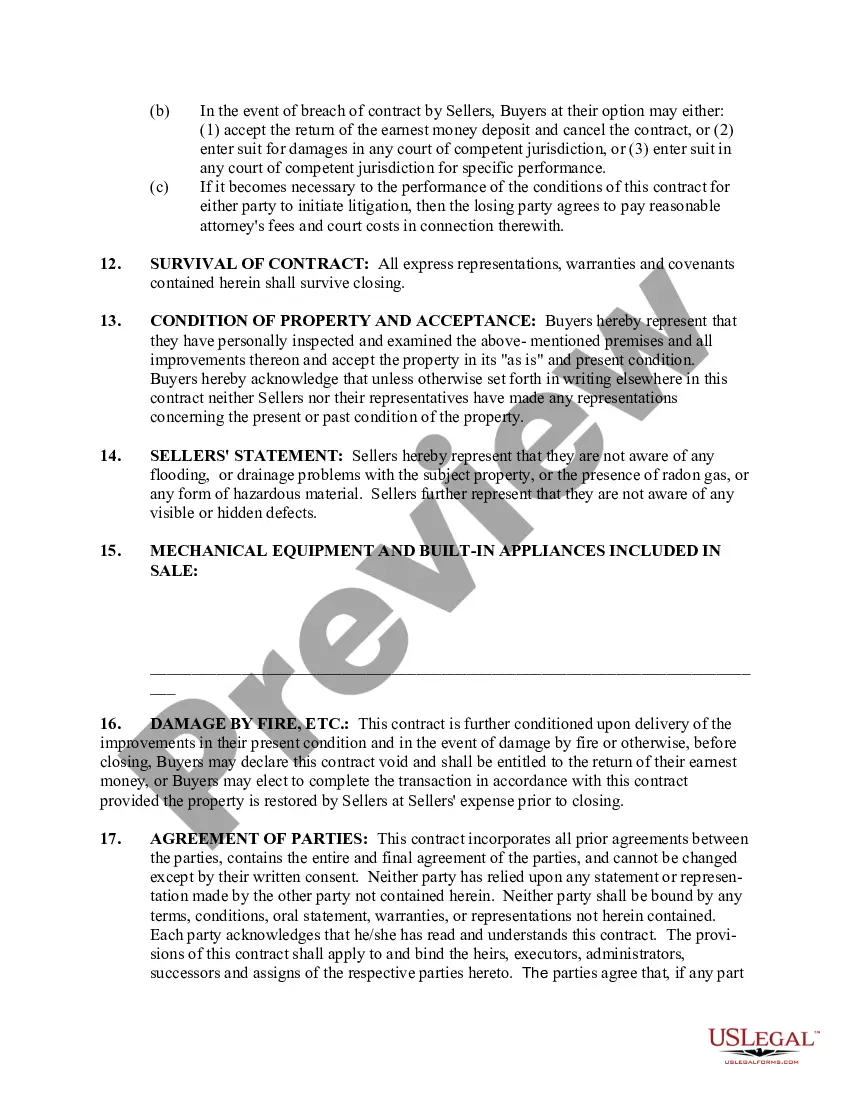
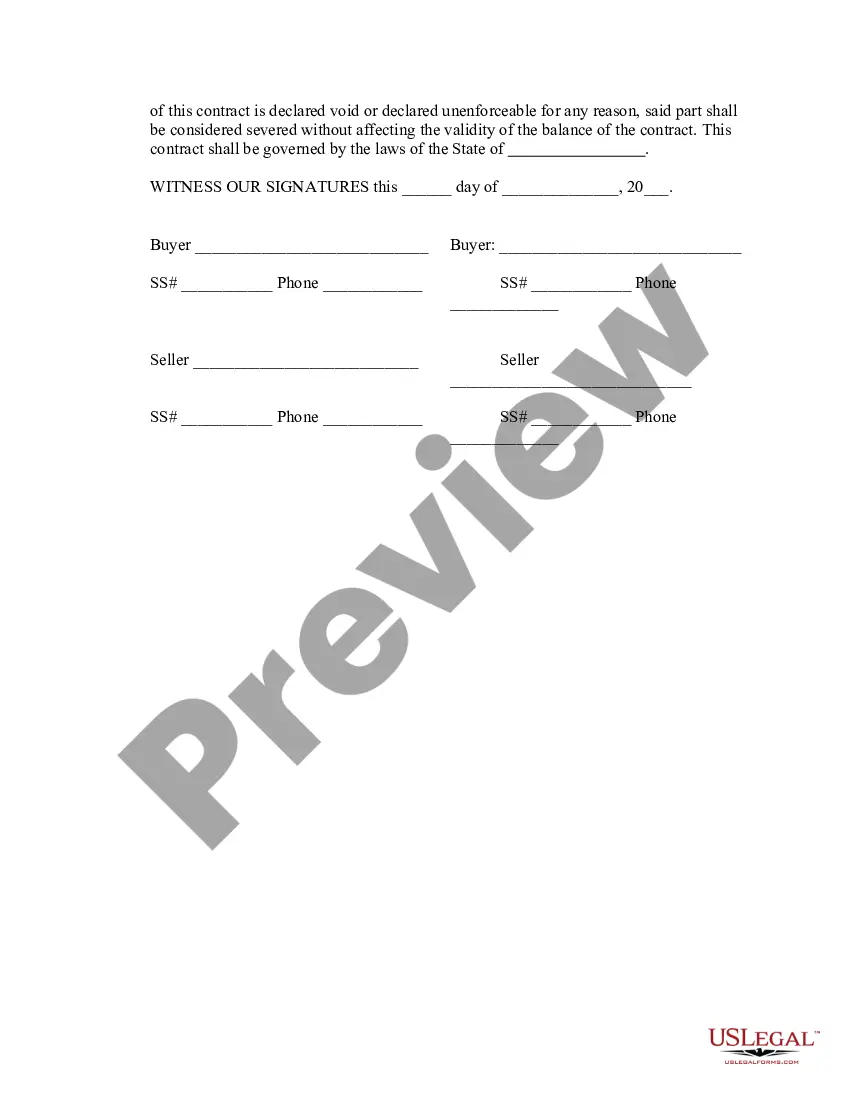
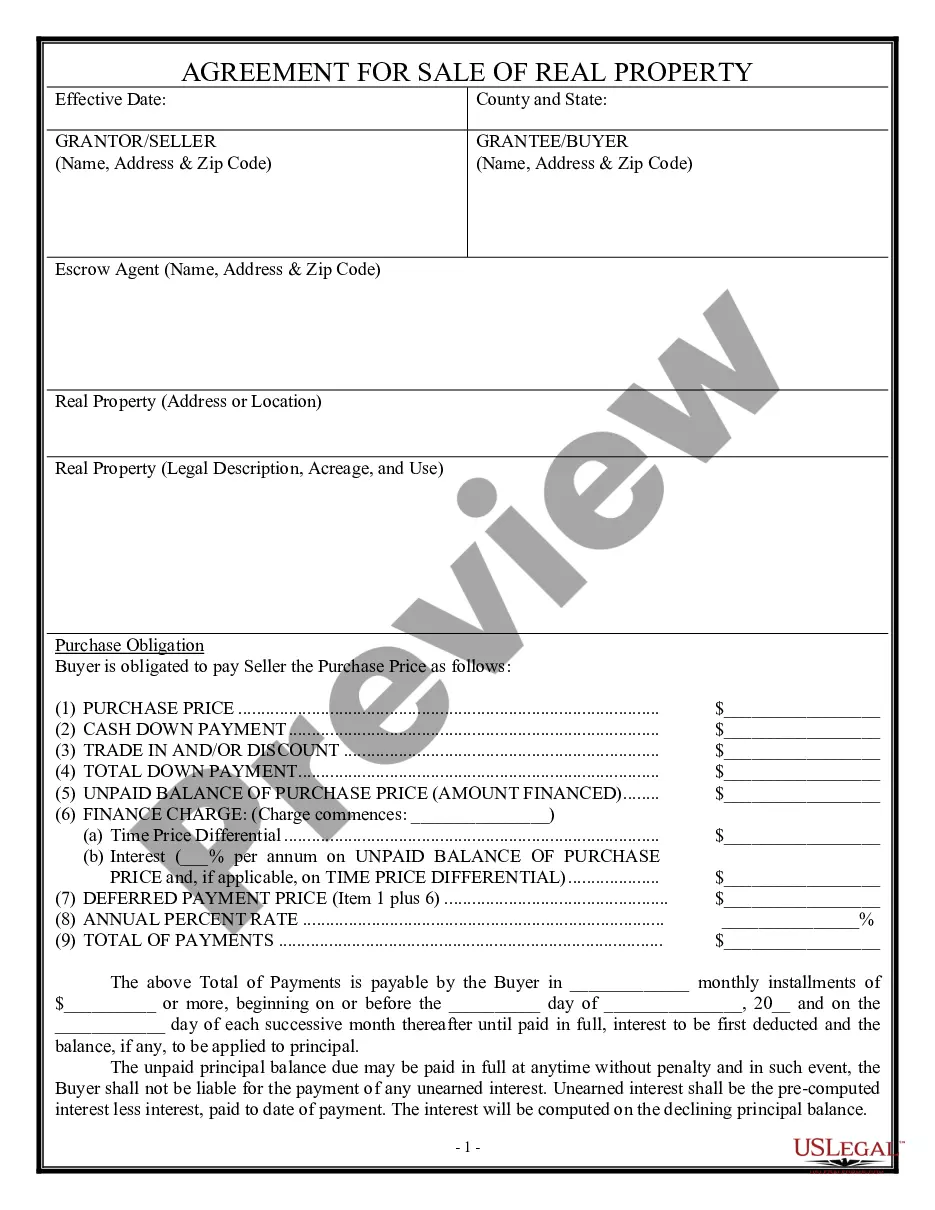
Get your form ready online
Our built-in tools help you complete, sign, share, and store your documents in one place.
Make edits, fill in missing information, and update formatting in US Legal Forms—just like you would in MS Word.
Download a copy, print it, send it by email, or mail it via USPS—whatever works best for your next step.
Sign and collect signatures with our SignNow integration. Send to multiple recipients, set reminders, and more. Go Premium to unlock E-Sign.
If this form requires notarization, complete it online through a secure video call—no need to meet a notary in person or wait for an appointment.
We protect your documents and personal data by following strict security and privacy standards.

Make edits, fill in missing information, and update formatting in US Legal Forms—just like you would in MS Word.

Download a copy, print it, send it by email, or mail it via USPS—whatever works best for your next step.

Sign and collect signatures with our SignNow integration. Send to multiple recipients, set reminders, and more. Go Premium to unlock E-Sign.

If this form requires notarization, complete it online through a secure video call—no need to meet a notary in person or wait for an appointment.

We protect your documents and personal data by following strict security and privacy standards.
Looking for another form?





Form popularity
FAQ
To put it in simple terms, the seller will be responsible for the property tax balance that accrued from the beginning of the tax year until the date of closing, and the buyer will be responsible for property taxes that are due for the period after the closing date. This is a process called proration.
Property taxes in Austin are calculated by multiplying the assessed value of your home by the tax rate. The assessed value of your home is determined by the Travis County Appraisal District (TCAD), which is an independent government agency responsible for valuing all properties in the county for tax purposes.
Austin tops an unflattering list. ing to the Austin Business Journal, of all the cities in the country, property taxes in the Austin area make up the highest percentage of a homeowner's monthly housing bill. That's right, 19.8% of a homeowners monthly housing bill is property taxes.
Taxes are calculated by subtracting the value of any exemptions, and the cap value if applicable, from the homestead value of the property and then adding any productivity or non-qualifying value. This result, the taxable value, is then multiplied by the tax rate per $100.
If you are dissatisfied with your property's appraised value or if errors exist in the appraisal records regarding your property, you should file Form 50-132, Property Owner's Notice of Protest (PDF) with the ARB.
Texas levies property taxes as a percentage of each home's appraised value. So, for example, if your total tax rate is 1.5%, and your home value is $100,000, you will owe $1,500 in annual property taxes.
Tax Code Section 23.231 sets a limit on the amount of annual increase to the appraised value of real property other than a residence homestead to not exceed the lesser of: the property's market value; or.
You must own the property for at least one full calendar year (January through December) before you are eligible for a 20 percent limitation. Properties already receiving a homestead exemption are not eligible and will continue to receive the standard 10 percent limitation on their net appraised value.
