Sell Closing Property For Money
Description

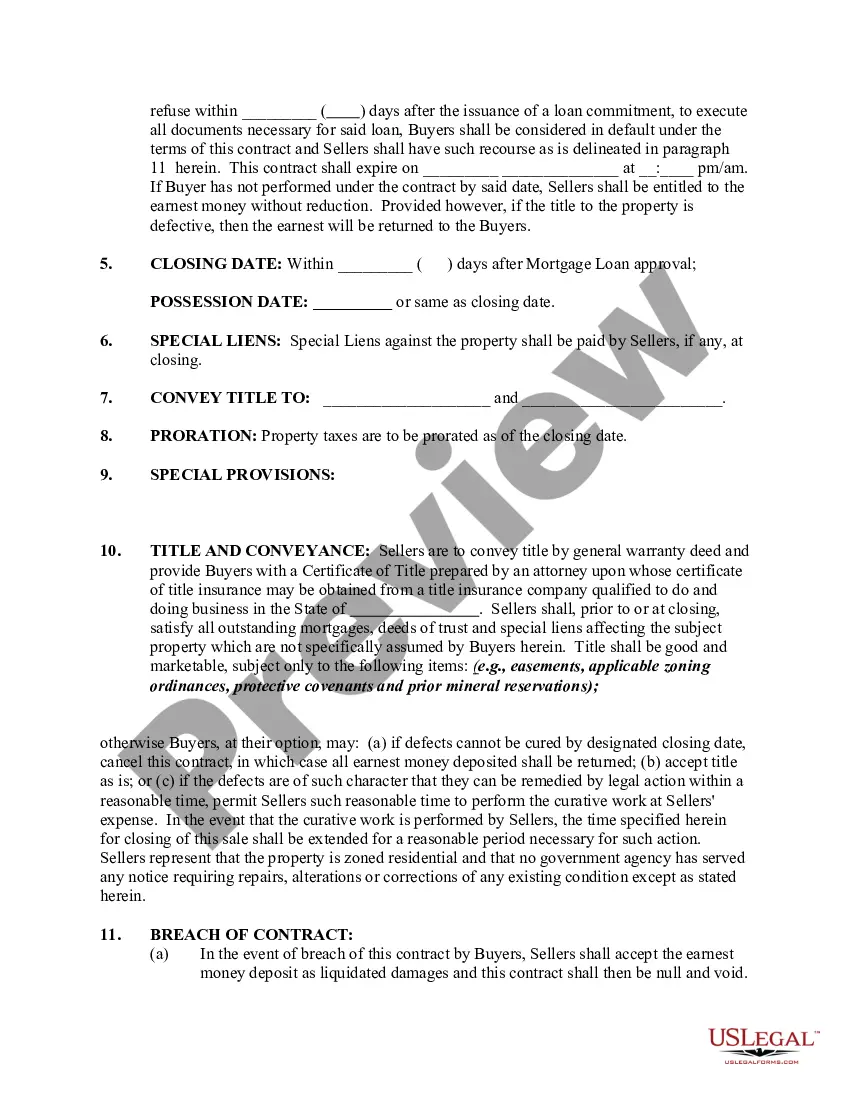
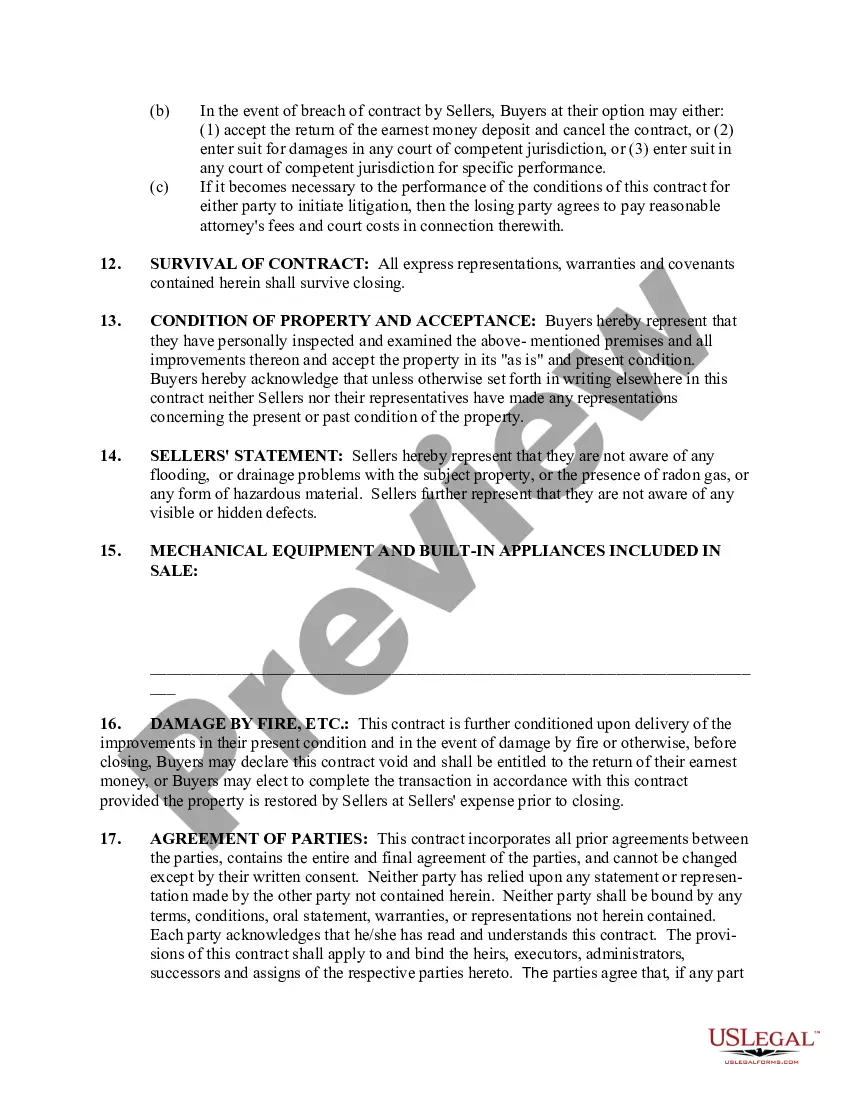
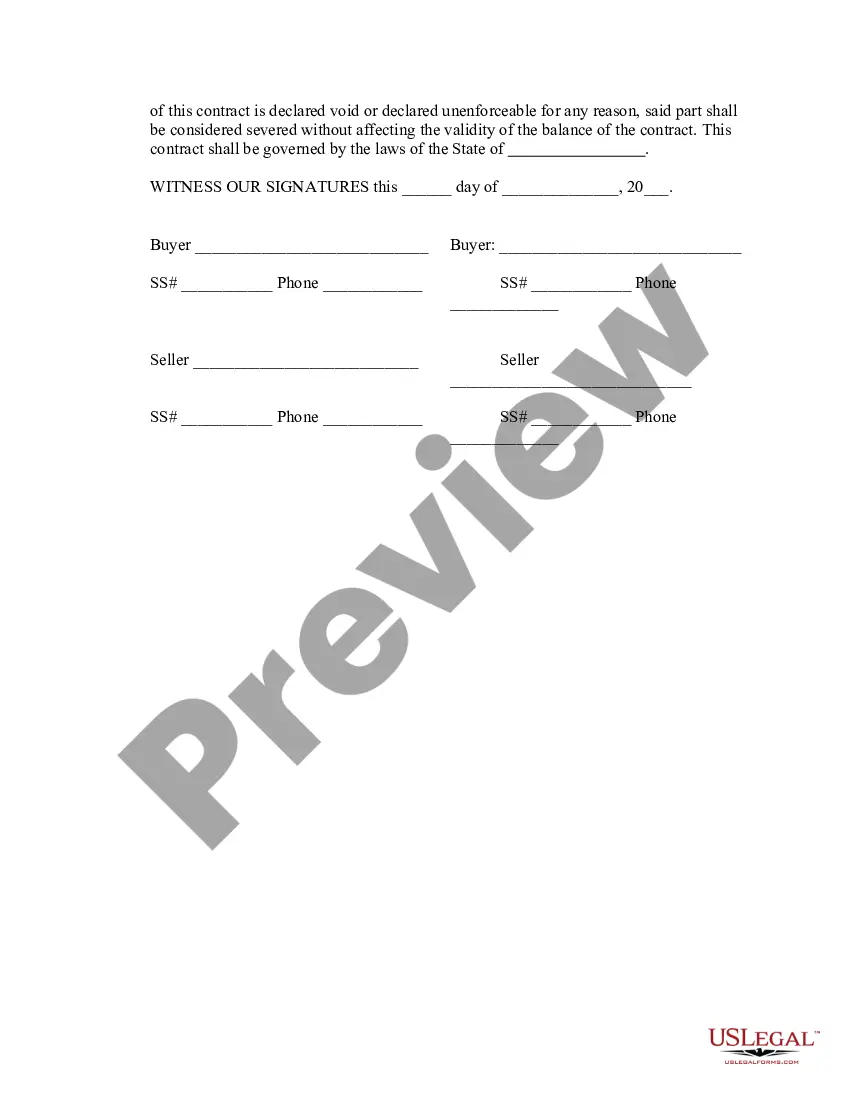
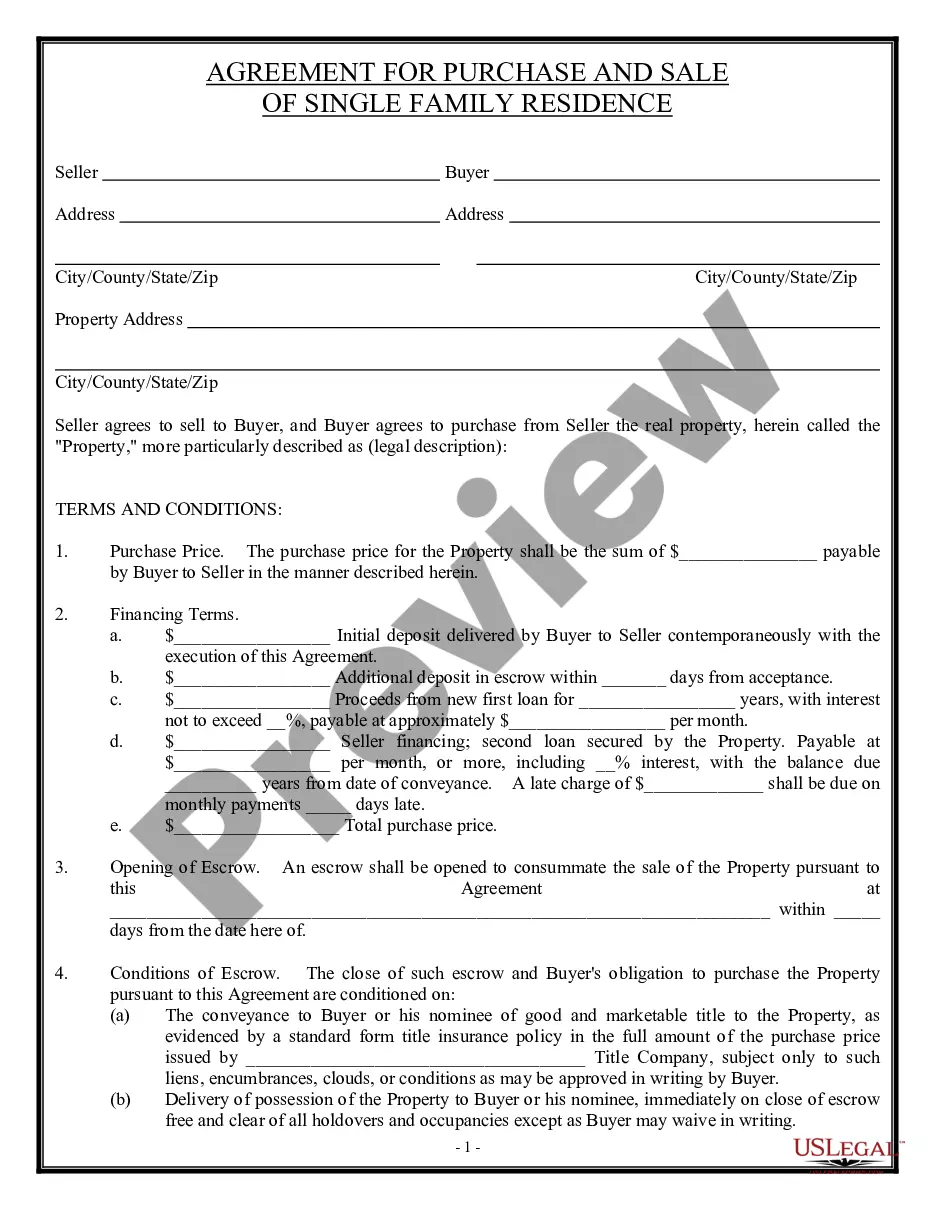
Get your form ready online
Our built-in tools help you complete, sign, share, and store your documents in one place.
Make edits, fill in missing information, and update formatting in US Legal Forms—just like you would in MS Word.
Download a copy, print it, send it by email, or mail it via USPS—whatever works best for your next step.
Sign and collect signatures with our SignNow integration. Send to multiple recipients, set reminders, and more. Go Premium to unlock E-Sign.
If this form requires notarization, complete it online through a secure video call—no need to meet a notary in person or wait for an appointment.
We protect your documents and personal data by following strict security and privacy standards.

Make edits, fill in missing information, and update formatting in US Legal Forms—just like you would in MS Word.

Download a copy, print it, send it by email, or mail it via USPS—whatever works best for your next step.

Sign and collect signatures with our SignNow integration. Send to multiple recipients, set reminders, and more. Go Premium to unlock E-Sign.

If this form requires notarization, complete it online through a secure video call—no need to meet a notary in person or wait for an appointment.

We protect your documents and personal data by following strict security and privacy standards.
Looking for another form?
How to fill out Agreement For The Sale And Purchase Of Residential Real Estate?
Whether for commercial intentions or personal issues, everyone must confront legal matters at some stage in their existence. Completing legal documentation necessitates meticulous care, starting from selecting the correct form template. For example, if you opt for the incorrect version of a Sell Closing Property For Money, it will be rejected upon submission. Thus, it is essential to have a trustworthy source for legal documents like US Legal Forms.
If you need to obtain a Sell Closing Property For Money template, follow these easy steps.
With an extensive US Legal Forms catalog available, you don't need to waste time searching for the suitable template online. Utilize the library's straightforward navigation to find the right template for any situation.
- Locate the template you require using the search bar or through catalog browsing.
- Review the form's details to ensure it aligns with your situation, state, and county.
- Click on the form's preview to view it.
- If it is the wrong form, return to the search function to find the Sell Closing Property For Money sample you need.
- Download the template if it suits your needs.
- If you have a US Legal Forms account, simply click Log in to access previously saved templates in My documents.
- If you do not yet have an account, you can acquire the form by clicking Buy now.
- Choose the correct pricing option.
- Complete the profile registration form.
- Select your payment method: use a credit card or PayPal account.
- Choose the desired file format and download the Sell Closing Property For Money.
- After downloading, you can fill out the form using editing software or print and complete it manually.
Form popularity
FAQ
If you're selling a second property and looking for ways to minimize capital gains tax, explore the tax laws around rental properties and 1031 exchanges. You can defer taxes by reinvesting the proceeds into a similar property. Additionally, utilizing specific deductions and meeting certain criteria can lessen your tax payoff when you decide to sell closing property for money.
While there may not be any straightforward loopholes, you can utilize various deductions and exclusions to lessen your capital gains tax liability when you sell closing property for money. Tax regulations provide certain benefits that may look like loopholes, such as the eligibility for the primary residence exclusion or tax-deferred exchanges. Staying informed on current laws can provide insights that feel like discovering hidden paths to savings.
When you want to sell closing property for money without incurring capital gains tax, explore options like 1031 exchanges. This method allows you to defer taxes by reinvesting your profits into another similar property. Furthermore, keeping detailed records and consulting a tax advisor can help you find all eligible deductions and strategies to reduce your tax burden.
The 36-month rule refers to the time frame in which you must consider the property's use to determine tax implications when you sell closing property for money. Essentially, if you convert a rental property to a primary residence, you must live there for at least 36 months to take advantage of the home sale exclusion. Understanding this rule can significantly impact your tax responsibilities, helping you keep more of your profit.
To effectively navigate capital gain tax when you sell closing property for money, consider strategies such as your primary residence exclusion. If you have lived in your home for at least two of the last five years, you may qualify to exclude a significant amount of profit from tax. Additionally, employing tax-loss harvesting can help offset your gains with losses from other investments.
The three main parts of a real estate transaction are the offer, the acceptance, and the closing. First, a buyer makes an offer, which the seller can accept or decline. Once accepted, the parties proceed to closing, where they finalize the details and complete the sale, making it easier for you to sell closing property for money with confidence.
The three most important documents in any property sale are the sales contract, the title report, and the closing disclosure. Each document plays a vital role: the sales contract outlines the agreement between buyer and seller, the title report verifies ownership, and the closing disclosure details the financials of the transaction. Together, they ensure a smooth process when you choose to sell closing property for money.