Closure Any Property With Example In San Diego
Description

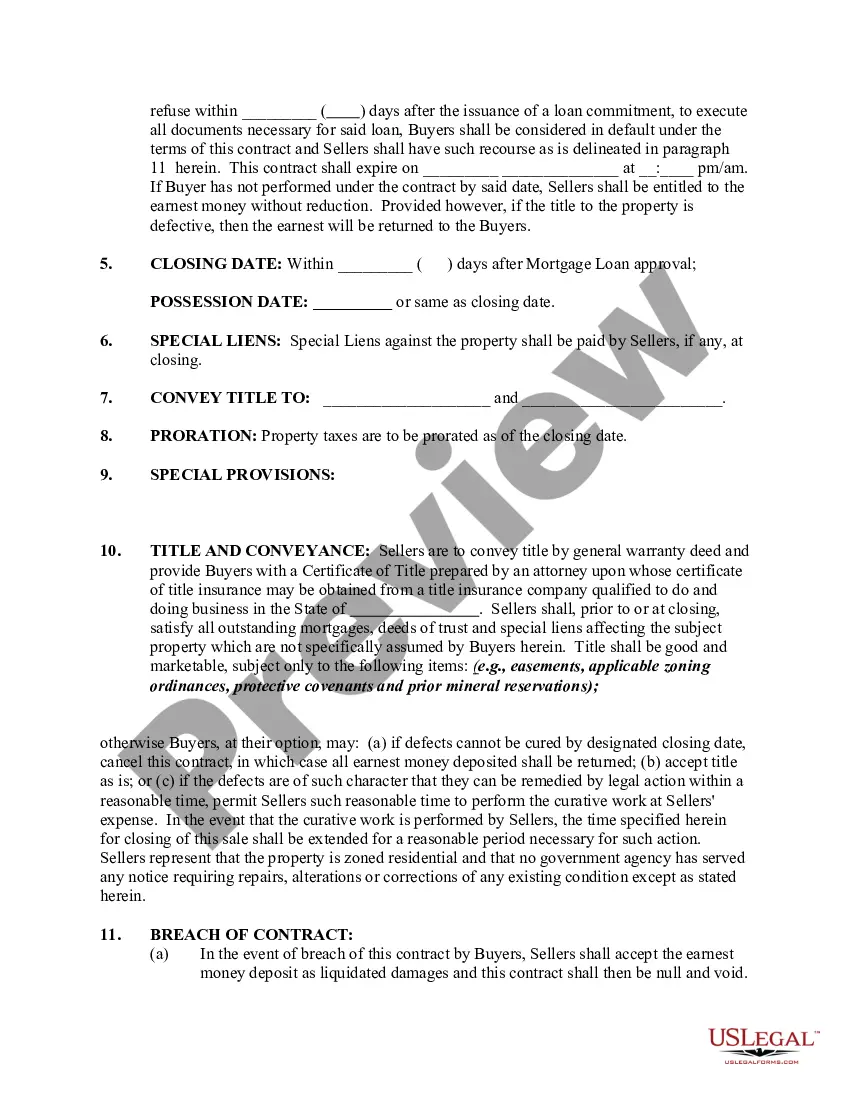
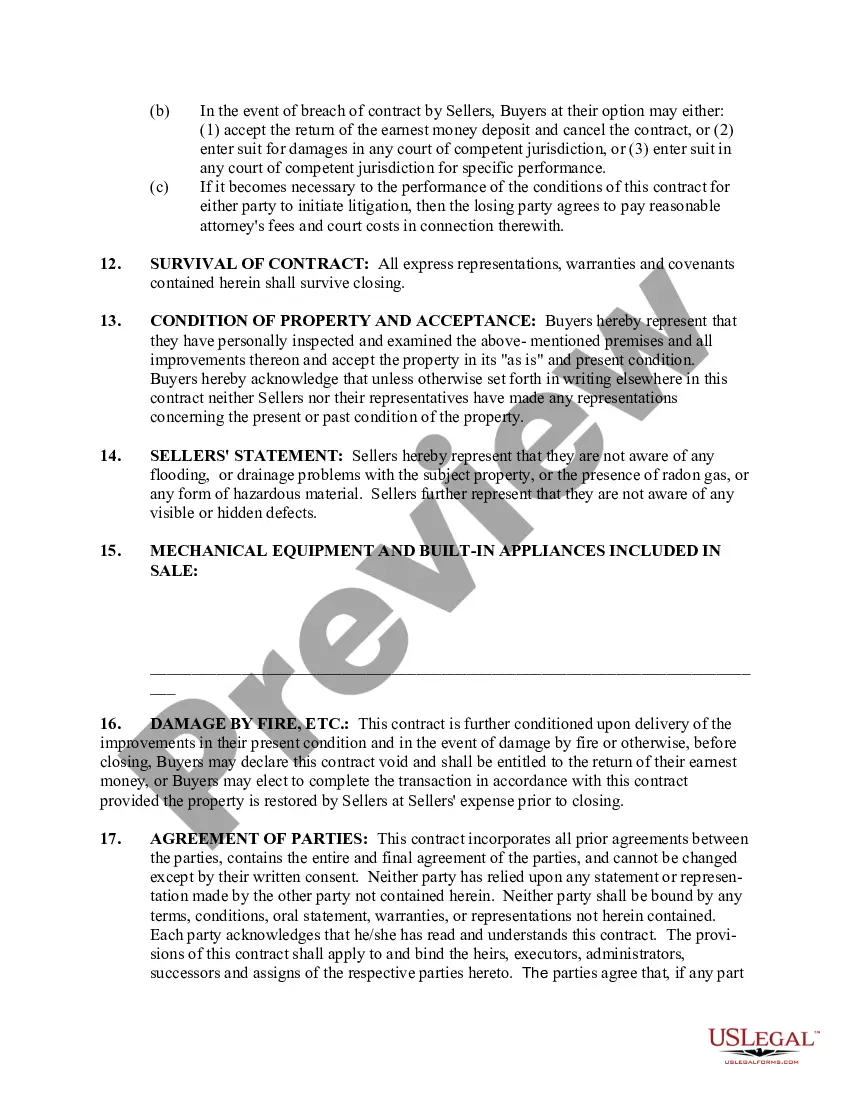
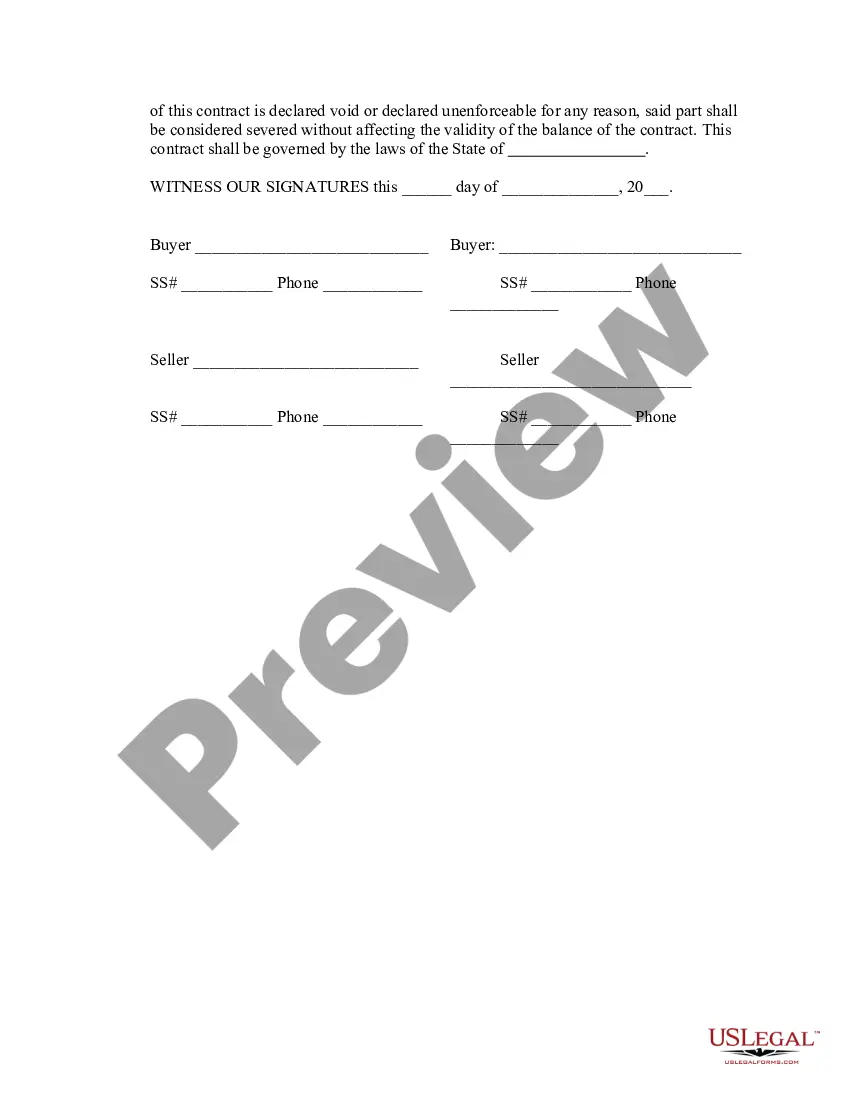
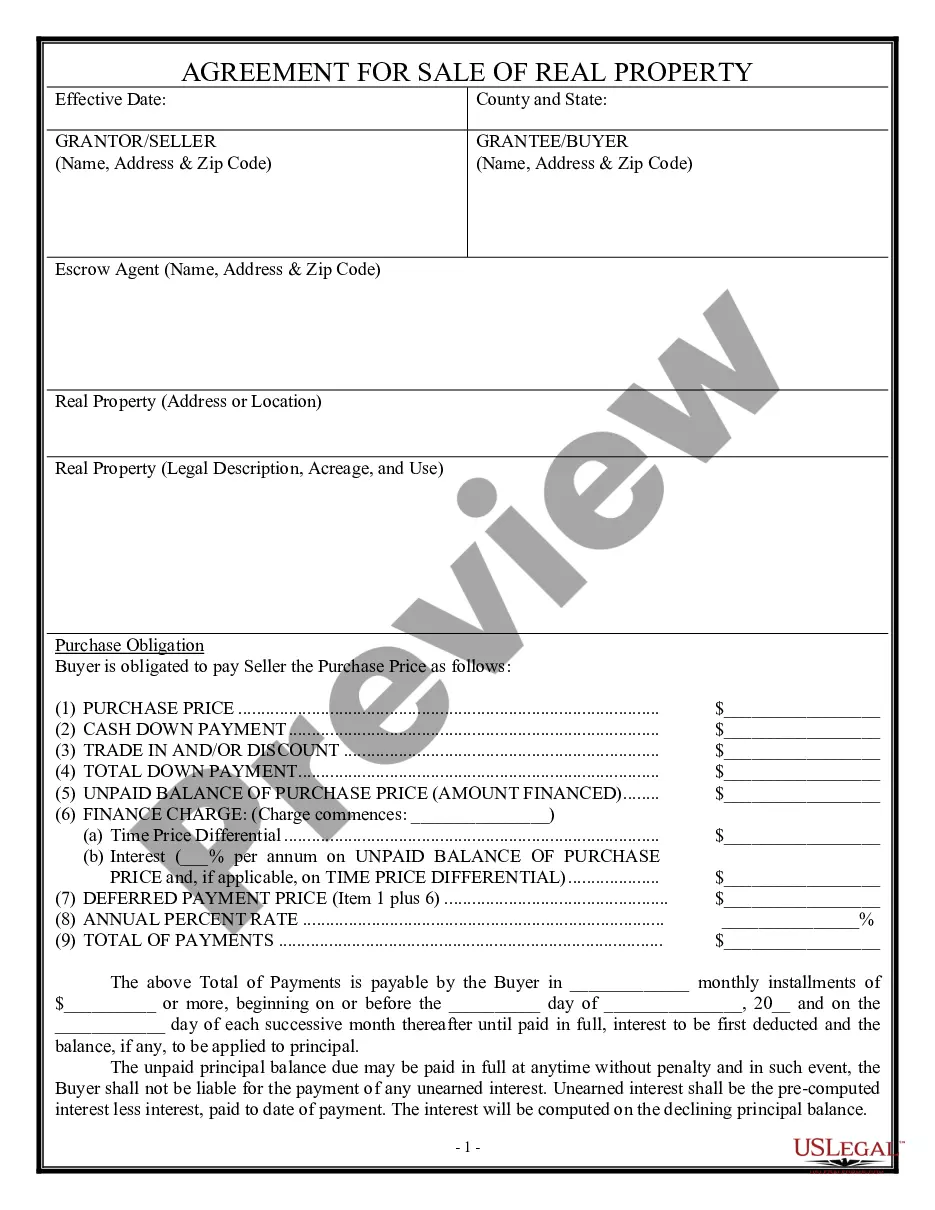
Get your form ready online
Our built-in tools help you complete, sign, share, and store your documents in one place.
Make edits, fill in missing information, and update formatting in US Legal Forms—just like you would in MS Word.
Download a copy, print it, send it by email, or mail it via USPS—whatever works best for your next step.
Sign and collect signatures with our SignNow integration. Send to multiple recipients, set reminders, and more. Go Premium to unlock E-Sign.
If this form requires notarization, complete it online through a secure video call—no need to meet a notary in person or wait for an appointment.
We protect your documents and personal data by following strict security and privacy standards.

Make edits, fill in missing information, and update formatting in US Legal Forms—just like you would in MS Word.

Download a copy, print it, send it by email, or mail it via USPS—whatever works best for your next step.

Sign and collect signatures with our SignNow integration. Send to multiple recipients, set reminders, and more. Go Premium to unlock E-Sign.

If this form requires notarization, complete it online through a secure video call—no need to meet a notary in person or wait for an appointment.

We protect your documents and personal data by following strict security and privacy standards.
Looking for another form?






Form popularity
FAQ
Ing to California law the personal administrator of an estate must complete the probate process within one year from the date of their appointment, unless required to file a federal estate tax. In these types of situations, the maximum length of probate is 18 months.
What must I do to close the estate? The Personal Representative must file a final account, report and petition for final distribution, have the petition set for hearing, give notice of the hearing to interested persons, and obtain a court order approving the final distribution.
An order for final distribution in California probate is conclusive to the rights of heirs and devisees in a decedent's estate. The order also releases the personal representative from claims by heirs and devisees, unless, of course, there is fraud or misrepresentation present.
How to wind up a deceased estate Step 1: Reporting the estate. The following documents are required. Step 2: Appointing an executor. Step 3: Gathering and valuing assets. Step 4: Settling debts and liabilities. Step 5: Preparing the liquidation and distribution account. Step 6: Paying creditors and taxes.
If you have a property in your area that appears to pose an extreme health and safety hazard, please contact the City's Code Enforcement Division at 619-236-5500, the Nuisance Abatement Unit at 619-533-5655, or email CityAttorney@sandiego.
On average, closing on a house in California can take anywhere from 30 to 45 days, post-acceptance of an offer. This timeframe is fluid, influenced by the factors mentioned earlier. Each step, from financing approval to inspections, plays a crucial role in the overall timeline.
In other words, heirs receive their inheritance at the end of the probate proceeding. Generally, this is at least 10-18 months after the probate petition is initially filed with the court. Once the judge has issued the order for distribution, estate heirs can expect to receive an inheritance check within a few weeks.
While there is no specific statutory deadline in California, executors are expected to complete distributions within a reasonable time—usually within 30 to 60 days of court approval. Failing to distribute assets promptly may expose the executor to legal challenges or liability for damages.
