Sell Closure Property Formula In Sacramento
Description

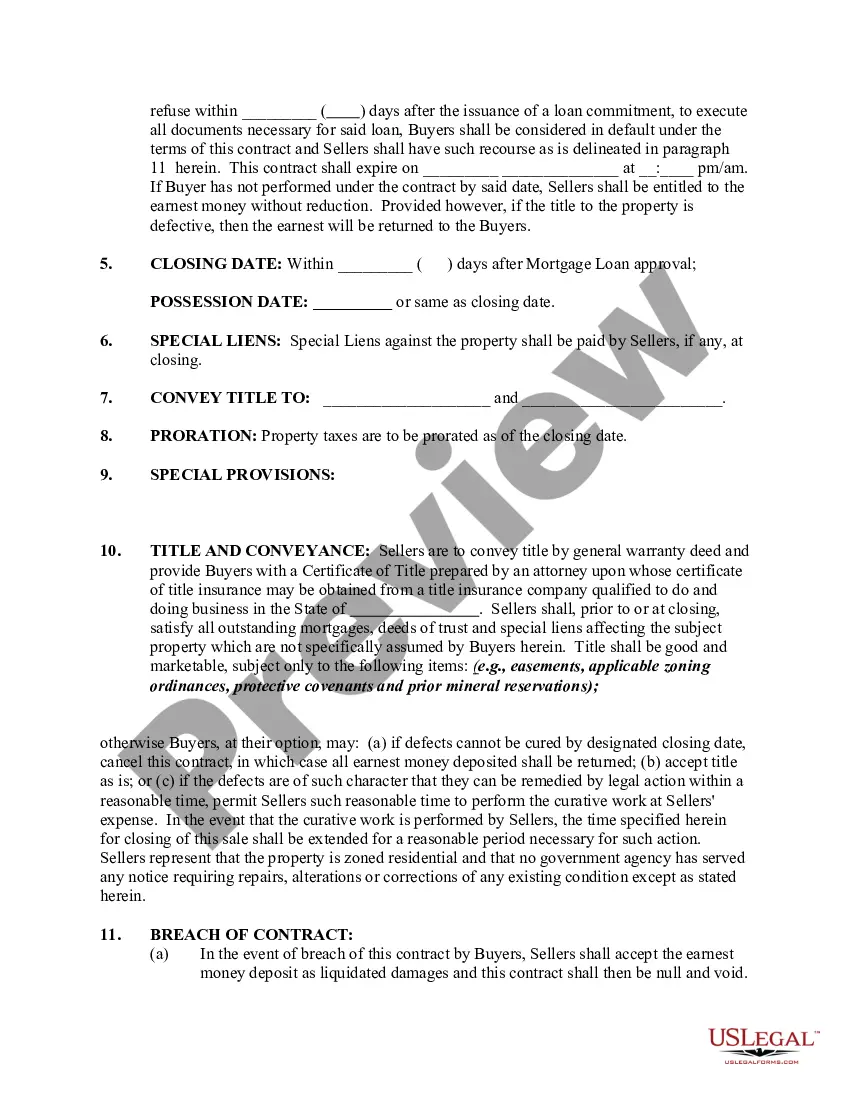
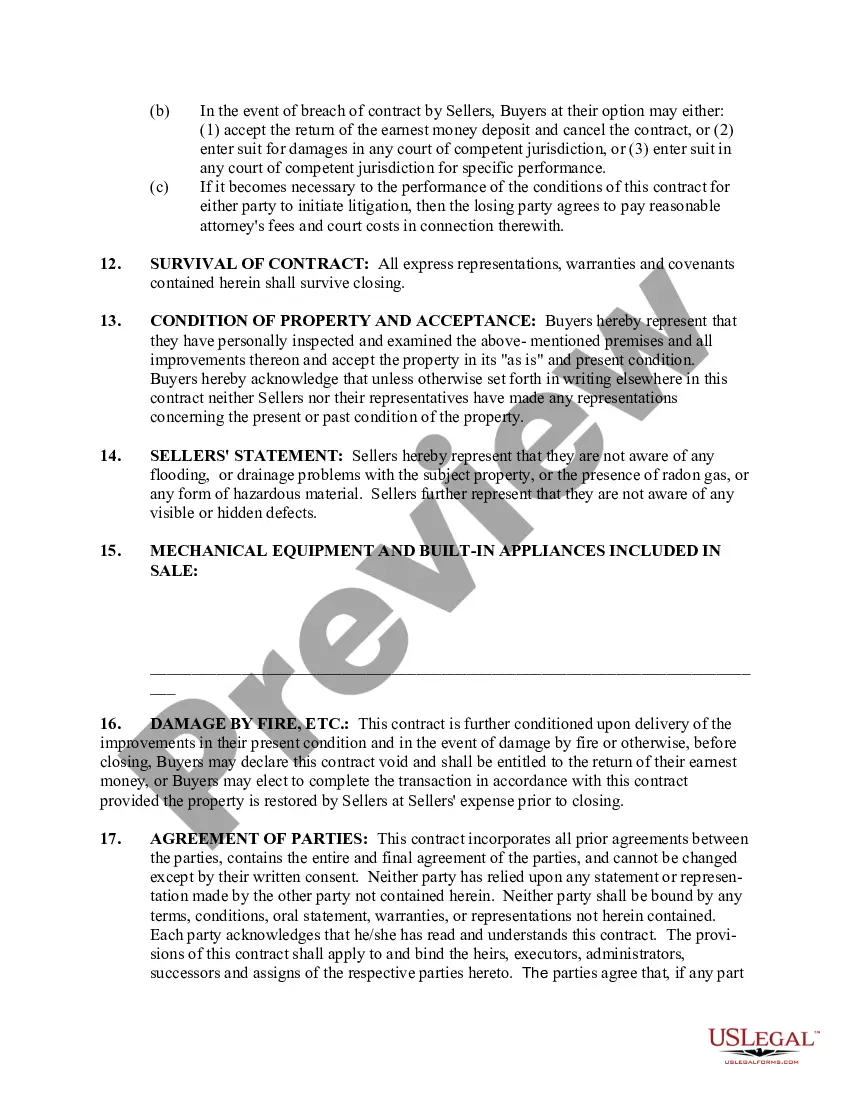
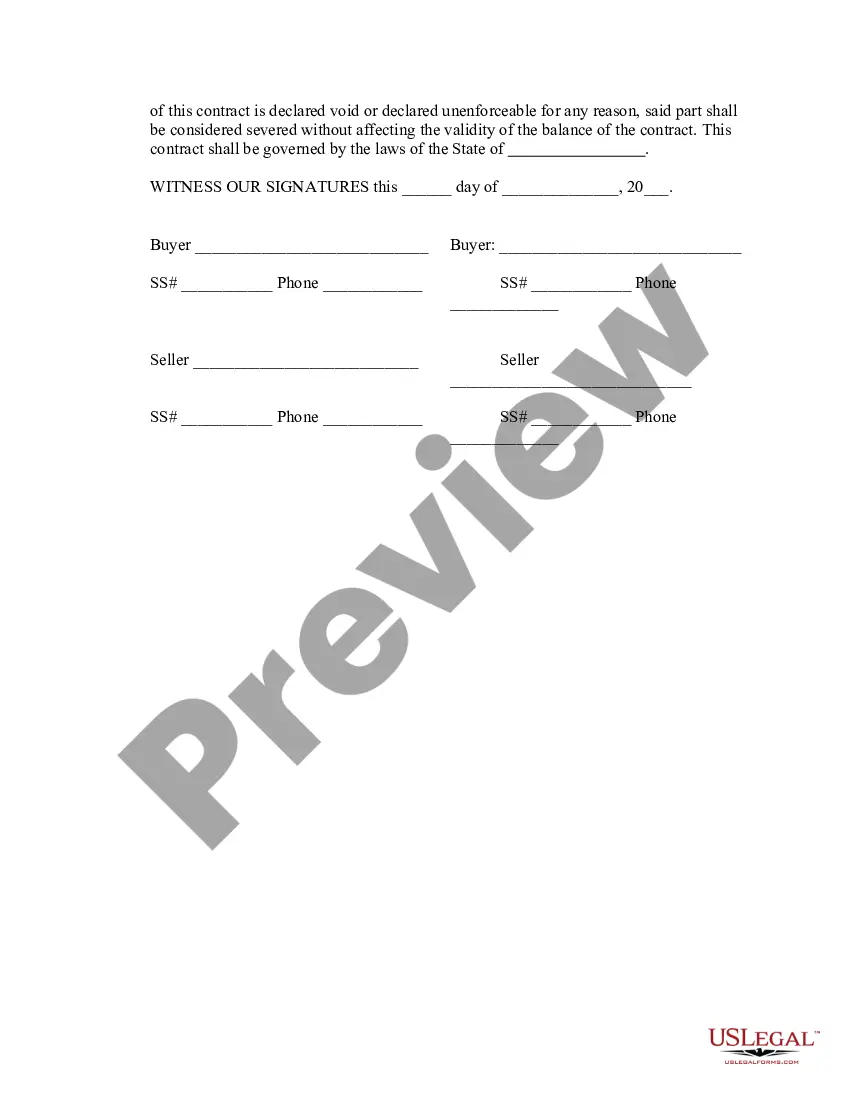
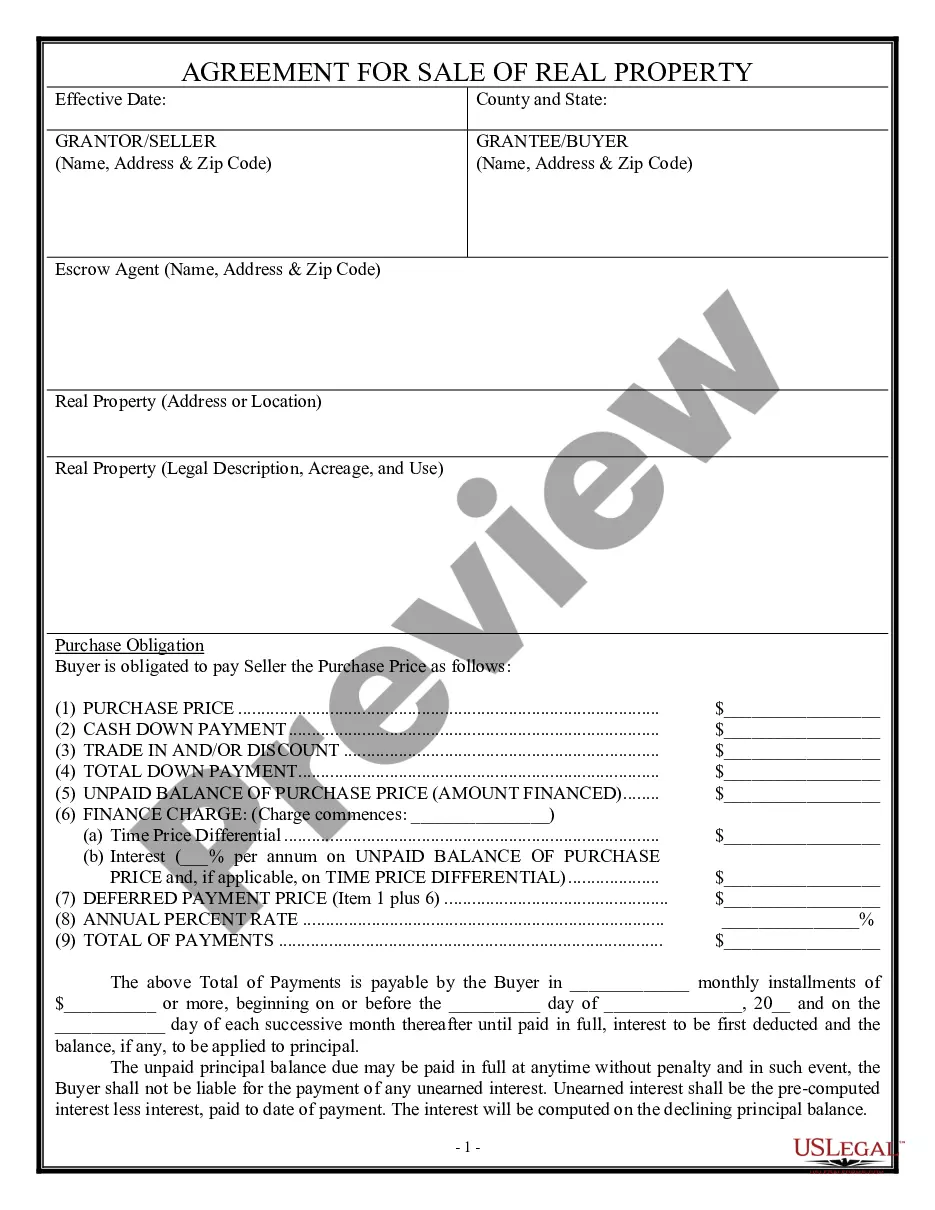
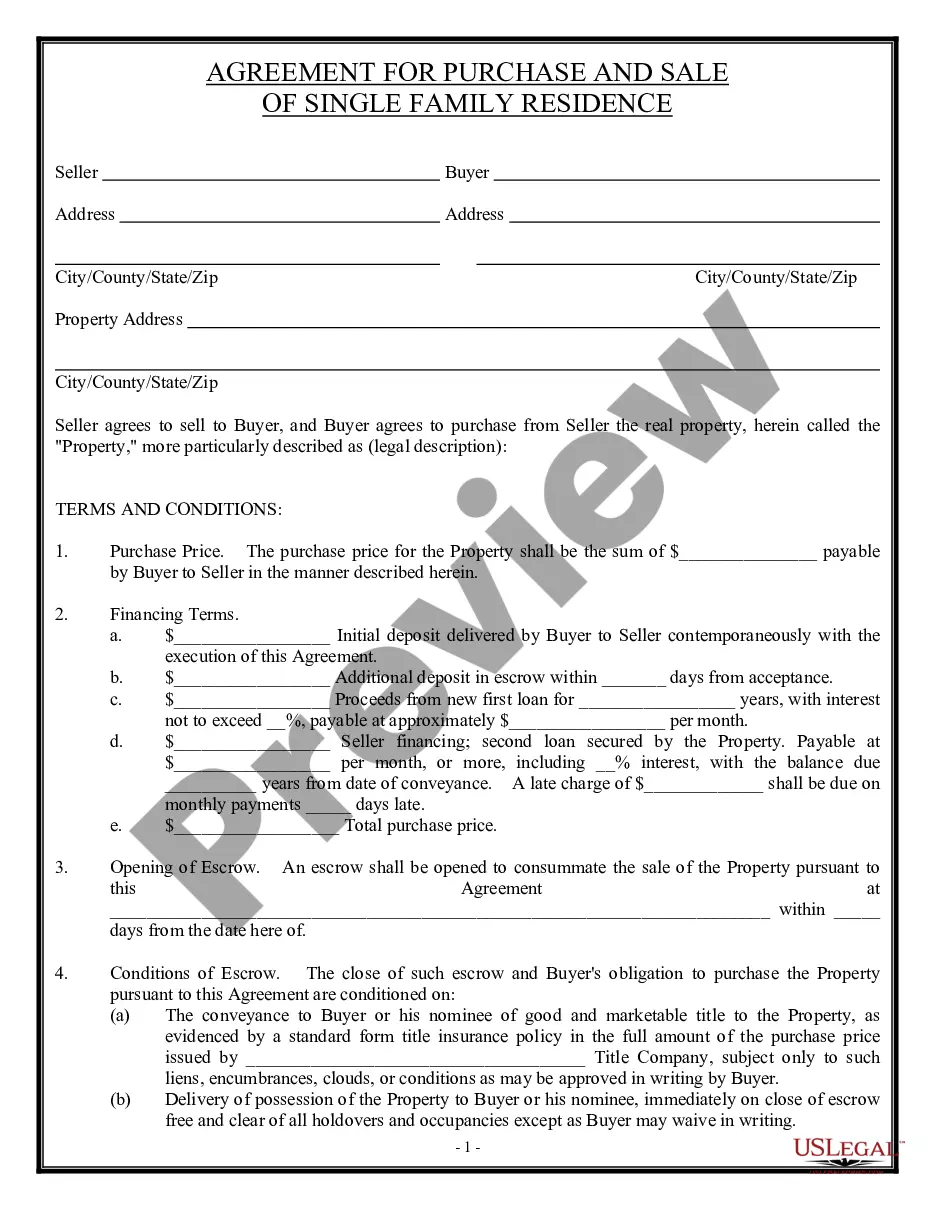
Get your form ready online
Our built-in tools help you complete, sign, share, and store your documents in one place.
Make edits, fill in missing information, and update formatting in US Legal Forms—just like you would in MS Word.
Download a copy, print it, send it by email, or mail it via USPS—whatever works best for your next step.
Sign and collect signatures with our SignNow integration. Send to multiple recipients, set reminders, and more. Go Premium to unlock E-Sign.
If this form requires notarization, complete it online through a secure video call—no need to meet a notary in person or wait for an appointment.
We protect your documents and personal data by following strict security and privacy standards.

Make edits, fill in missing information, and update formatting in US Legal Forms—just like you would in MS Word.

Download a copy, print it, send it by email, or mail it via USPS—whatever works best for your next step.

Sign and collect signatures with our SignNow integration. Send to multiple recipients, set reminders, and more. Go Premium to unlock E-Sign.

If this form requires notarization, complete it online through a secure video call—no need to meet a notary in person or wait for an appointment.

We protect your documents and personal data by following strict security and privacy standards.
Looking for another form?










Form popularity
FAQ
531110: Lessors of residential buildings and dwellings. This code applies to investors renting out residential properties like apartments, homes, and condos.
California's property tax rate is 1% of assessed value (also applies to real property) plus any bonded indebtedness voted in by the taxpayers.
If you chose a Limited Liability Company (LLC), Corporation (Corp), Limited Partnership (LP), or Limited Liability Partnership (LLP) as your business structure you must register or incorporate with the California Secretary of State.
What is the purpose of the Business Property Statement (BPS)? The BPS collects information regarding business equipment, supplies and fixtures for each business location. The information an owner provides on the statement is then used to assess and tax property in ance with California state law.
The Form 571L or 571A constitutes an official request that you declare all assessable business property situated in this county which you owned, claimed, possessed, controlled or managed on the tax lien date. The form is approved by the State Board of Equalization (BOE) but forms are administered by the county.
As it stands, commercial properties in California are primarily taxed at a foundational rate of 1% of their assessed value, thanks to the provisions set forth by Proposition 13. This means if a commercial property has an assessed value of $1 million, the base property tax owed would be $10,000.
A business asset is an item of value owned by a company. Business assets span many categories. They can be physical, tangible goods, such as vehicles, real estate, computers, office furniture, and other fixtures, or intangible items, such as intellectual property.
Use Form 590, Withholding Exemption Certificate, to certify an exemption from nonresident withholding. Form 590 does not apply to payments of backup withholding. For more information, go to ftb.ca and search for backup withholding. Form 590 does not apply to payments for wages to employees.
A seller/transferor that qualifies for a full, partial, or no withholding exemption must file Form 593. Any remitter (individual, business entity, trust, estate, or REEP) who withheld on the sale/transfer of California real property must file Form 593 to report the amount withheld.
EXEMPTION FROM WITHHOLDING: If you wish to claim exempt, complete the federal Form W-4. You may claim exempt from withholding California income tax if you did not owe any federal income tax last year and you do not expect to owe any federal income tax this year. The exemption is good for one year.
