Closing Property Title For Married Couple In Queens
Description

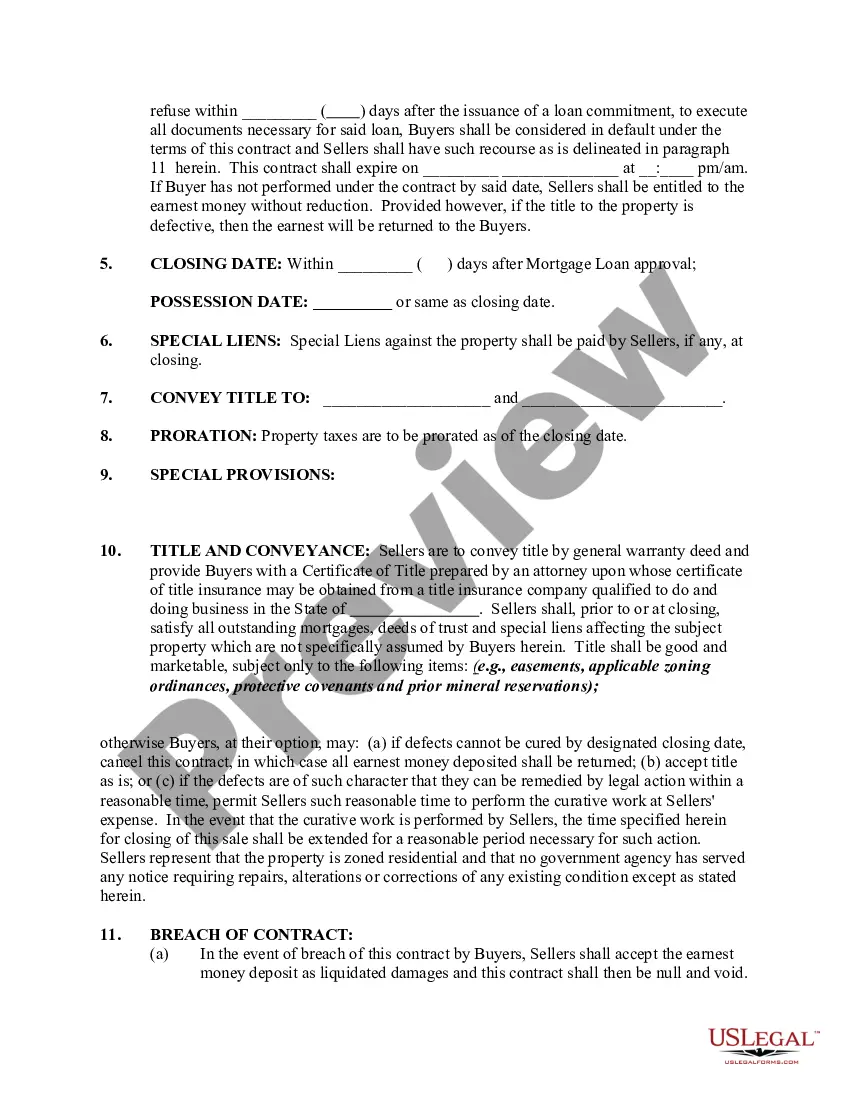
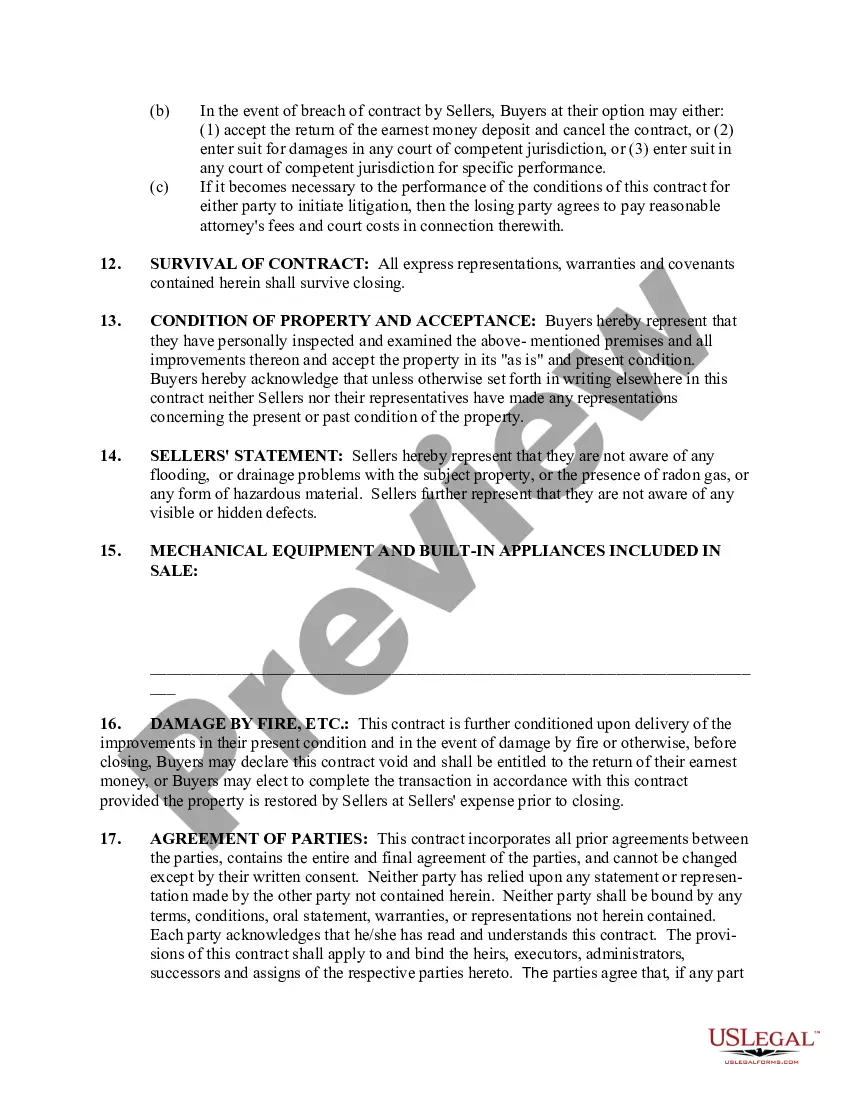
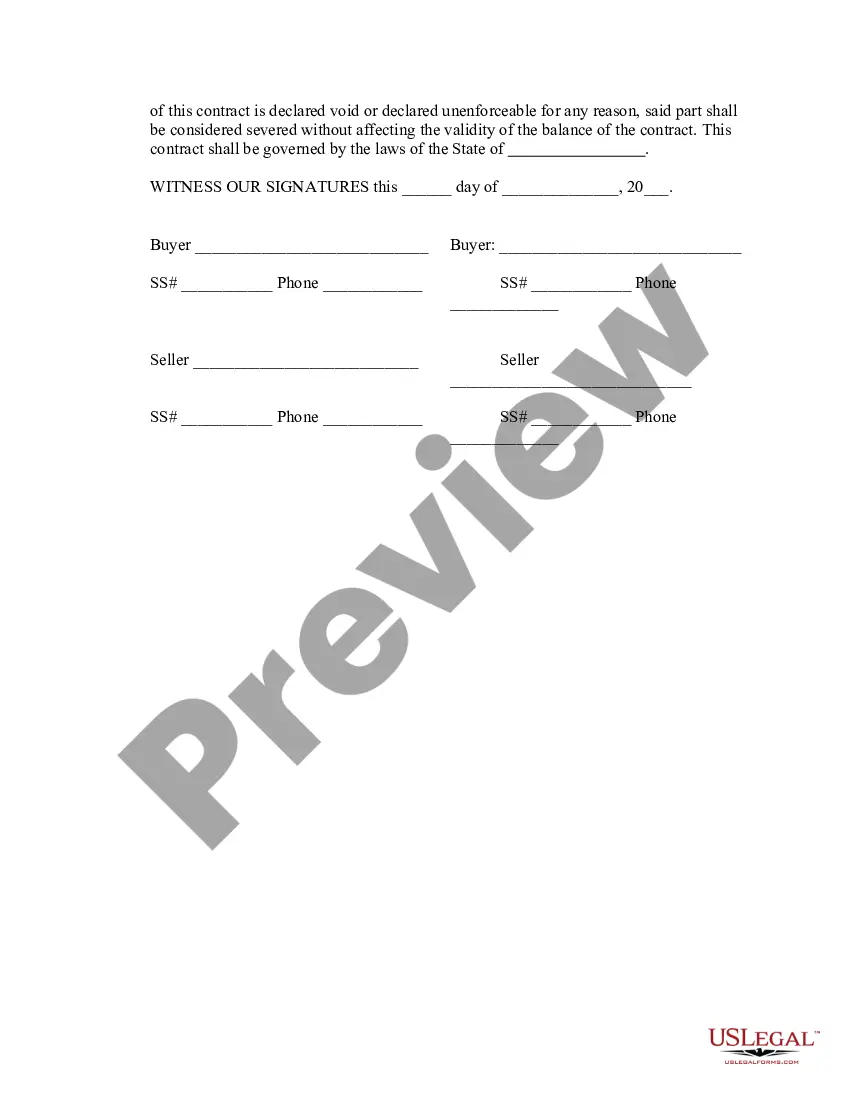
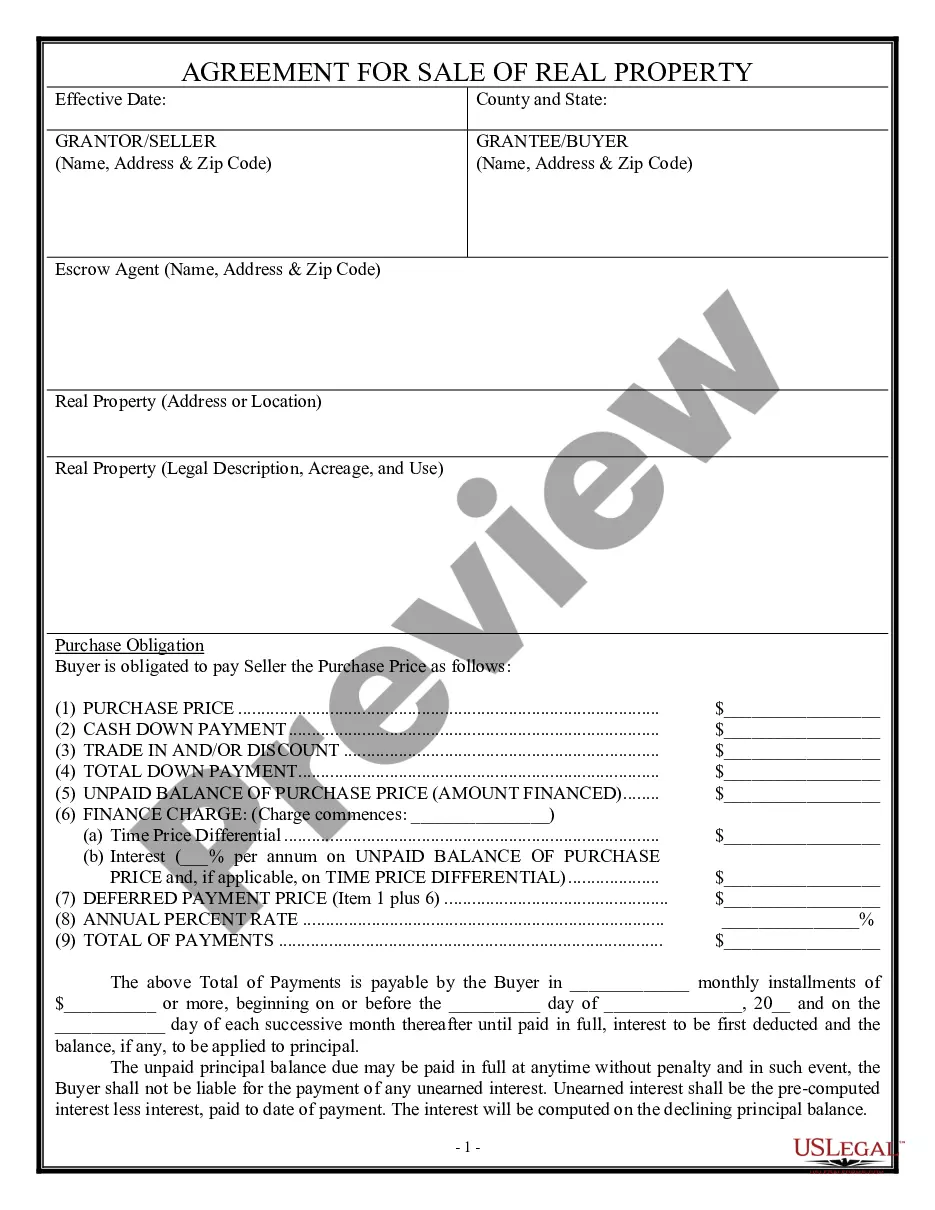
Get your form ready online
Our built-in tools help you complete, sign, share, and store your documents in one place.
Make edits, fill in missing information, and update formatting in US Legal Forms—just like you would in MS Word.
Download a copy, print it, send it by email, or mail it via USPS—whatever works best for your next step.
Sign and collect signatures with our SignNow integration. Send to multiple recipients, set reminders, and more. Go Premium to unlock E-Sign.
If this form requires notarization, complete it online through a secure video call—no need to meet a notary in person or wait for an appointment.
We protect your documents and personal data by following strict security and privacy standards.

Make edits, fill in missing information, and update formatting in US Legal Forms—just like you would in MS Word.

Download a copy, print it, send it by email, or mail it via USPS—whatever works best for your next step.

Sign and collect signatures with our SignNow integration. Send to multiple recipients, set reminders, and more. Go Premium to unlock E-Sign.

If this form requires notarization, complete it online through a secure video call—no need to meet a notary in person or wait for an appointment.

We protect your documents and personal data by following strict security and privacy standards.
Looking for another form?




Form popularity
FAQ
Joint tenants – each owner owns an undivided interest in the whole property, but if the interest is sold, the joint tenancy ends and the owners become tenants in common. If one of the joint tenants dies, the deceased person's interest automatically goes to the other joint tenant.
For instance, if you're married, the most common way to title your home is Tenancy by the Entirety (TBE). That endows survivorship rights, some creditor protection, and allows for transfers only with the consent of both spouses.
The Process for Adding a Spouse or Partner to a Home Title Prepare a New Deed. To add your spouse or partner to the title, you'll need to prepare a new deed. Sign the New Deed in Front of a Notary. Record the New Deed with the County Recorder's Office. Update Your Homeowners Insurance and Property Tax Records.
Under New York State law, generally speaking, “separate property” is defined as property acquired by an individual prior to marriage, and “marital property", in the absence of a prenuptial agreement, is defined as property acquired by one or both spouses during the marriage, irrespective of whose name the asset is in.
Tenancy by the entirety refers to a form of shared property ownership that is usually reserved only for married couples. A tenancy by the entirety permits spouses to jointly own property as a single legal entity. This means that each spouse has an equal and undivided interest in the property.
Whatever the reason, you will need to retain an attorney, experienced in real estate, to draft a new deed conveying your home to yourself and the person you wish to add to your title. In addition to the deed, your attorney will also need to prepare transfer tax returns.
Adding a family member to the deed as a joint owner for no consideration is considered a gift of 50% of the property's fair market value for tax purposes. If the value of the gift exceeds the annual exclusion limit ($16,000 for 2022) the donor will need to file a gift tax return (via Form 709) to report the transfer.
New has four requirements for joint tenancy with rights of survivorship: All owners must have own an equal percentage of the property. The property will be distributed equally among the remaining owners when one owner dies, so no one person can own a bigger share than another.
If There Is No Will When a person passes away without a will, the property is transferred ing to the laws of intestate succession. Under these circumstances, the probate court (known as the Surrogate's Court in New York) plays a pivotal role by appointing the person to administer your estate.
