Closure Any Property Formula In Pennsylvania
Description

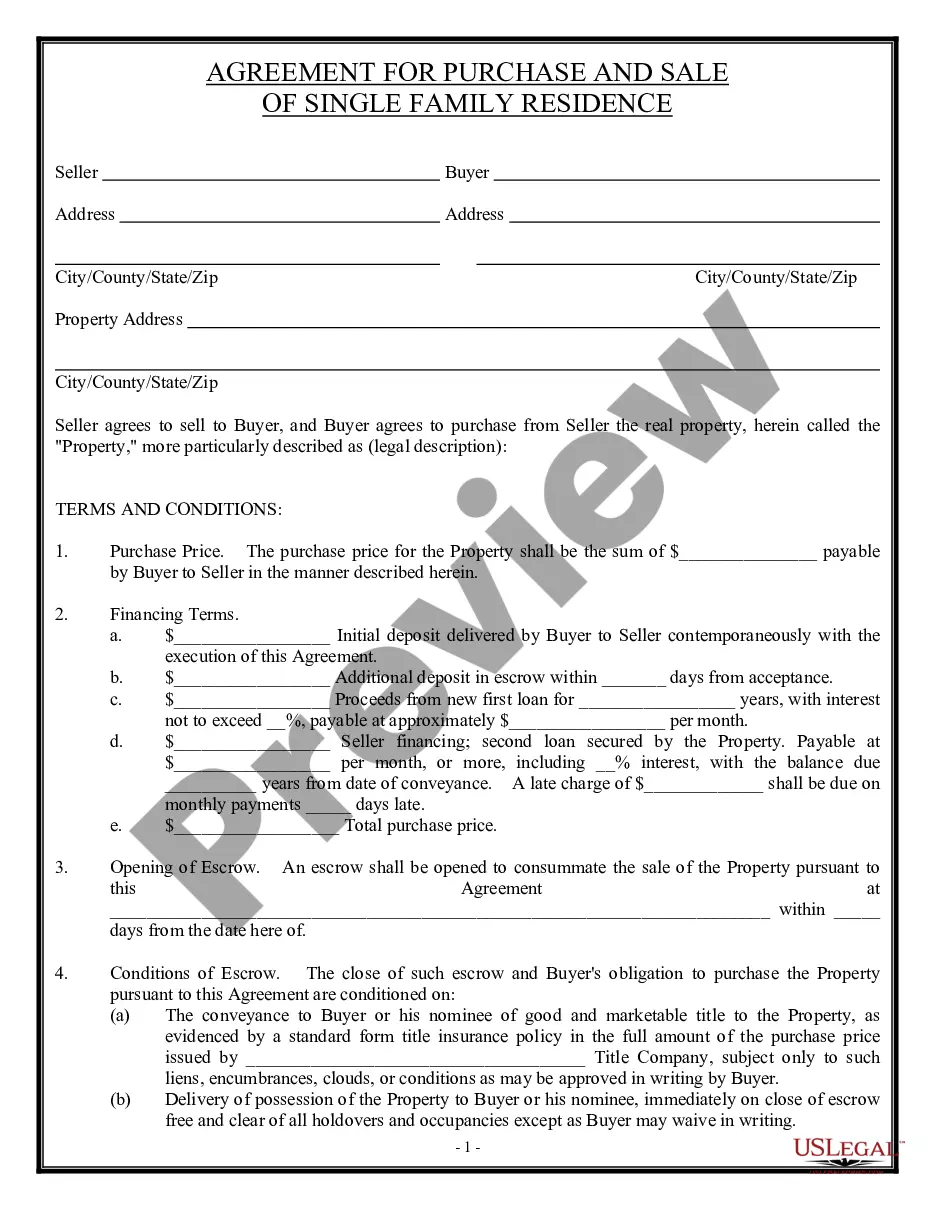
Get your form ready online
Our built-in tools help you complete, sign, share, and store your documents in one place.
Make edits, fill in missing information, and update formatting in US Legal Forms—just like you would in MS Word.
Download a copy, print it, send it by email, or mail it via USPS—whatever works best for your next step.
Sign and collect signatures with our SignNow integration. Send to multiple recipients, set reminders, and more. Go Premium to unlock E-Sign.
If this form requires notarization, complete it online through a secure video call—no need to meet a notary in person or wait for an appointment.
We protect your documents and personal data by following strict security and privacy standards.

Make edits, fill in missing information, and update formatting in US Legal Forms—just like you would in MS Word.

Download a copy, print it, send it by email, or mail it via USPS—whatever works best for your next step.

Sign and collect signatures with our SignNow integration. Send to multiple recipients, set reminders, and more. Go Premium to unlock E-Sign.

If this form requires notarization, complete it online through a secure video call—no need to meet a notary in person or wait for an appointment.

We protect your documents and personal data by following strict security and privacy standards.
Looking for another form?





Form popularity
FAQ
Examples of closing costs include fees related to the origination and underwriting of a mortgage, real estate commissions, taxes, insurance, and record filing. Closing costs must be disclosed by law to buyers and sellers and agreed upon before a real estate deal can be completed.
The most commonly recorded documents by individuals are deeds. To add, remove, or change a name on a deed, have a lawyer, title company, or other real estate professional prepare the deed.
In Pennsylvania, it is customary for the buyer to have the privilege of choosing the title company. This practice differs from other states where the seller usually makes this decision.
How to Close a Property for Sale? Hire a Real Estate Lawyer. Open an Escrow Account. Conduct a Title Search. Schedule a Home Inspection. Negotiate Your Closing Costs. Confirm Your Closing Date. Conduct a Final Walk-Through. Review Your Closing Documents Thoroughly.
Section 54 of the Income Tax Act provides exemption on long term capital gains from the sale of residential property if the proceeds from such sale are reinvested in purchasing or constructing another residential property within a specified time frame. Section 54F exemption is allowed only on long-term capital gains.
Is Pennsylvania tax-friendly for retirees? Pennsylvania exempts all forms of retirement income from taxation for residents 60 and older. That can mean thousands of dollars in annual savings as compared with other states in the region. It also has relatively low sales taxes.
Home sales tax details The Pennsylvania sales tax rate is currently 6.0%. The Home sales tax rate is 0%.
When a resident of Pennsylvania establishes a new domicile and/or residency outside of Pennsylvania during the tax year or, conversely, when a nonresident establishes a new domicile and/or residency within Pennsylvania during the tax year, the taxpayer files a PA-40 Individual Income Tax return using the part-year ...
The PA-20S/PA-65 Schedule NRK-1 provides each nonresident partner, member or shareholder (owner) and entity owner their share of income, losses and credits from the partnership, PA S corporation, estate, trust and/or entity formed as a limited liability company classified as a partnership or S corporation for federal ...
Electronic filing mandate Pennsylvania law requires tax preparers who file 11 or more Corporate Tax Returns (RCT-101) or PA S Corporation/Partnership Information Return (PA-20S/PA-65) for the same tax year to file the returns electronically. For more information, refer to the Pennsylvania DOR website.
