House For Sale By Owner Forms For Florida In Orange
Description

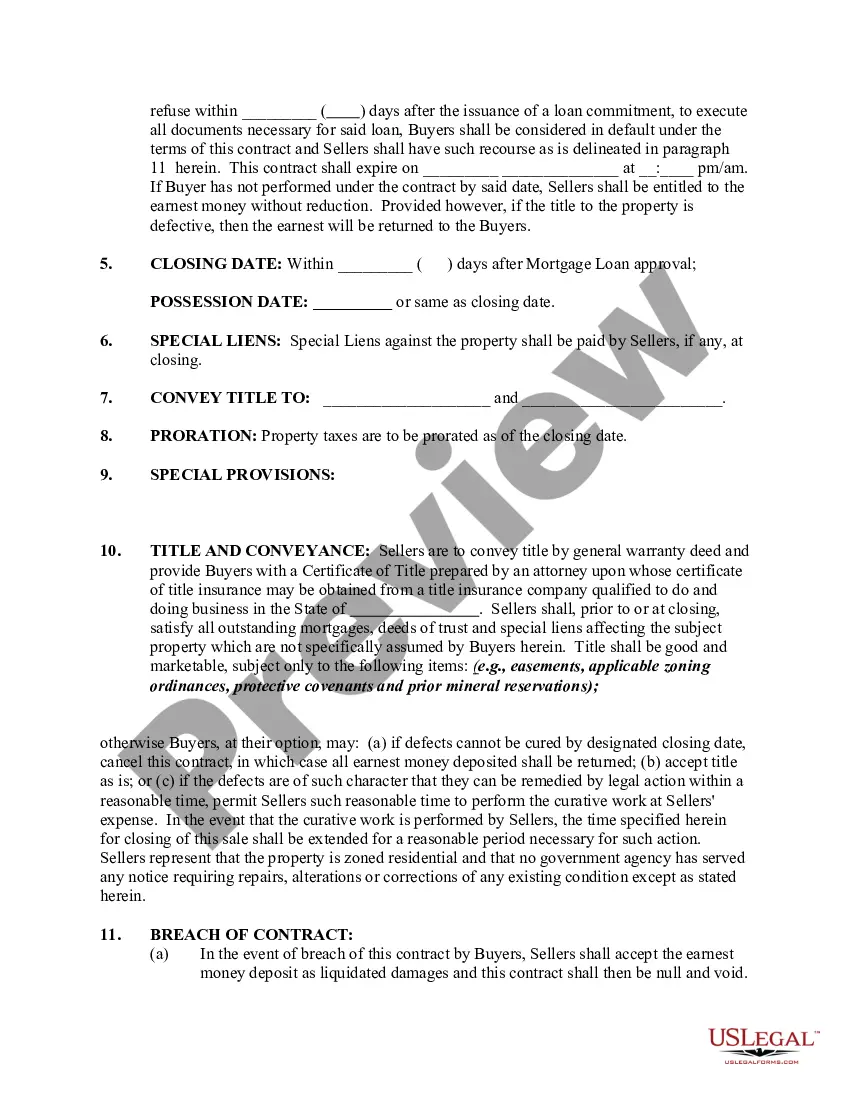
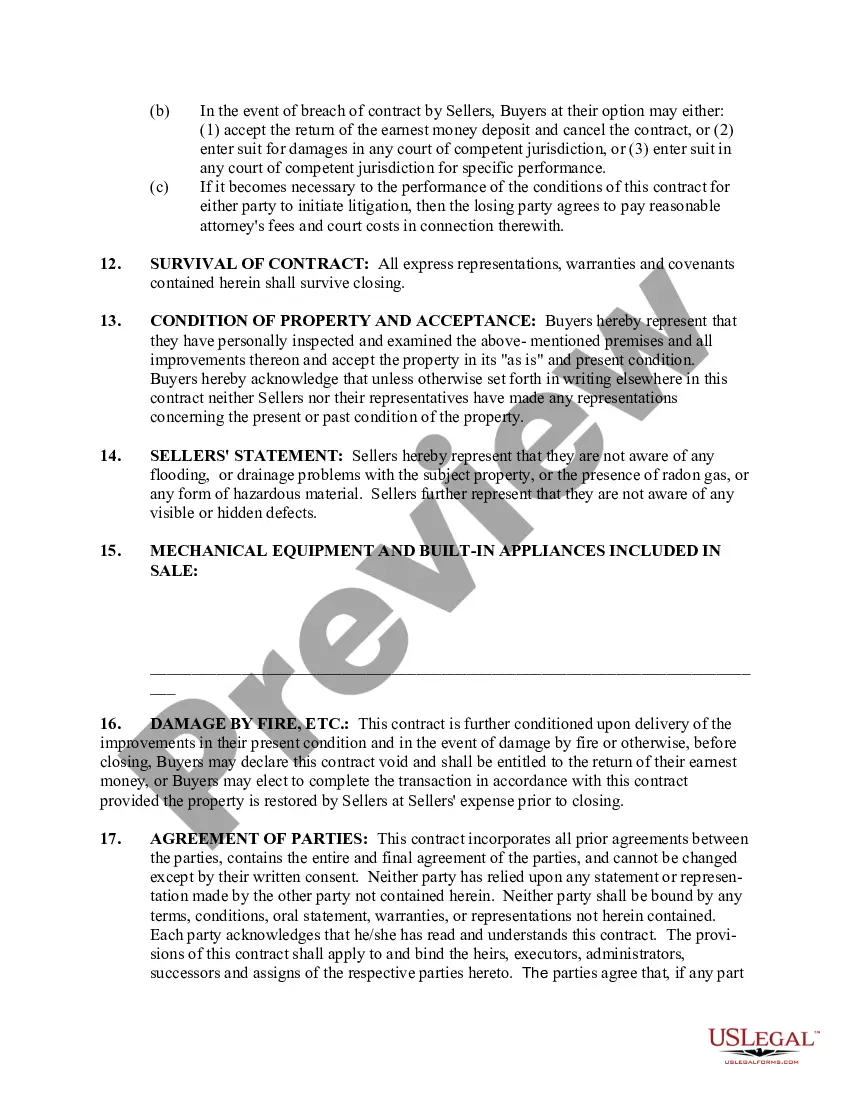
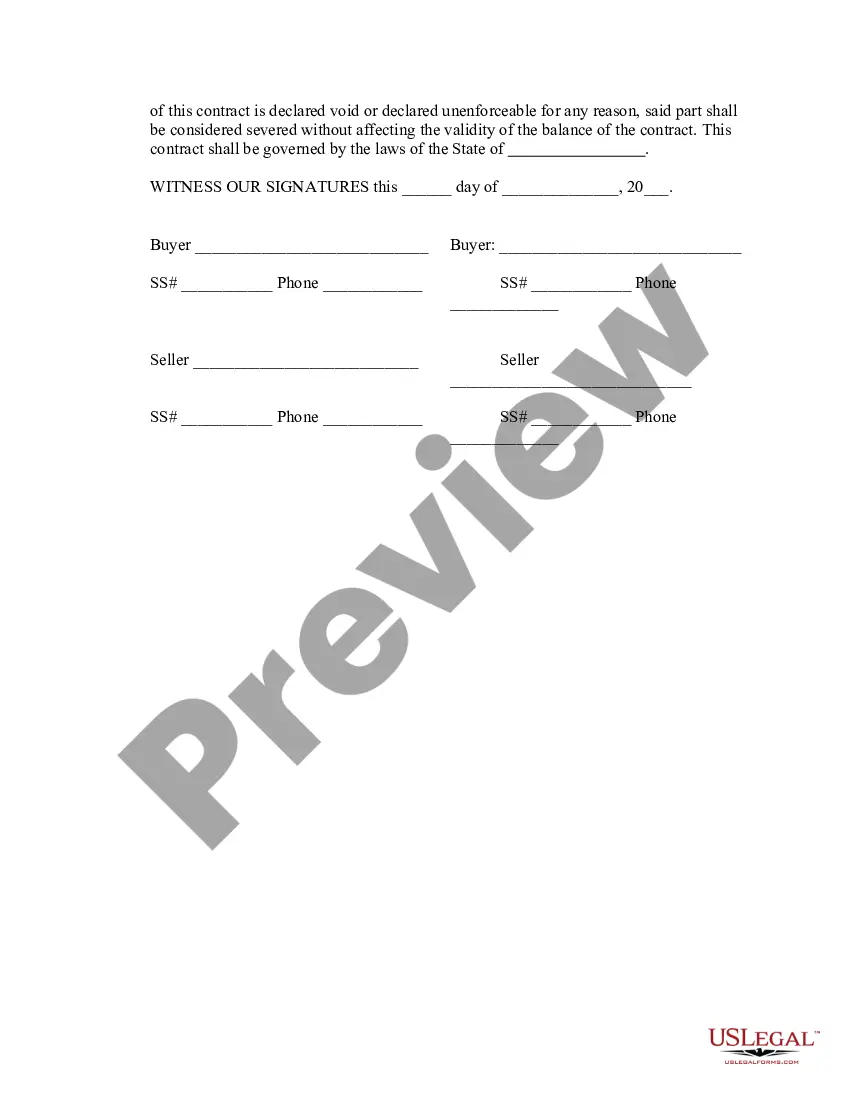
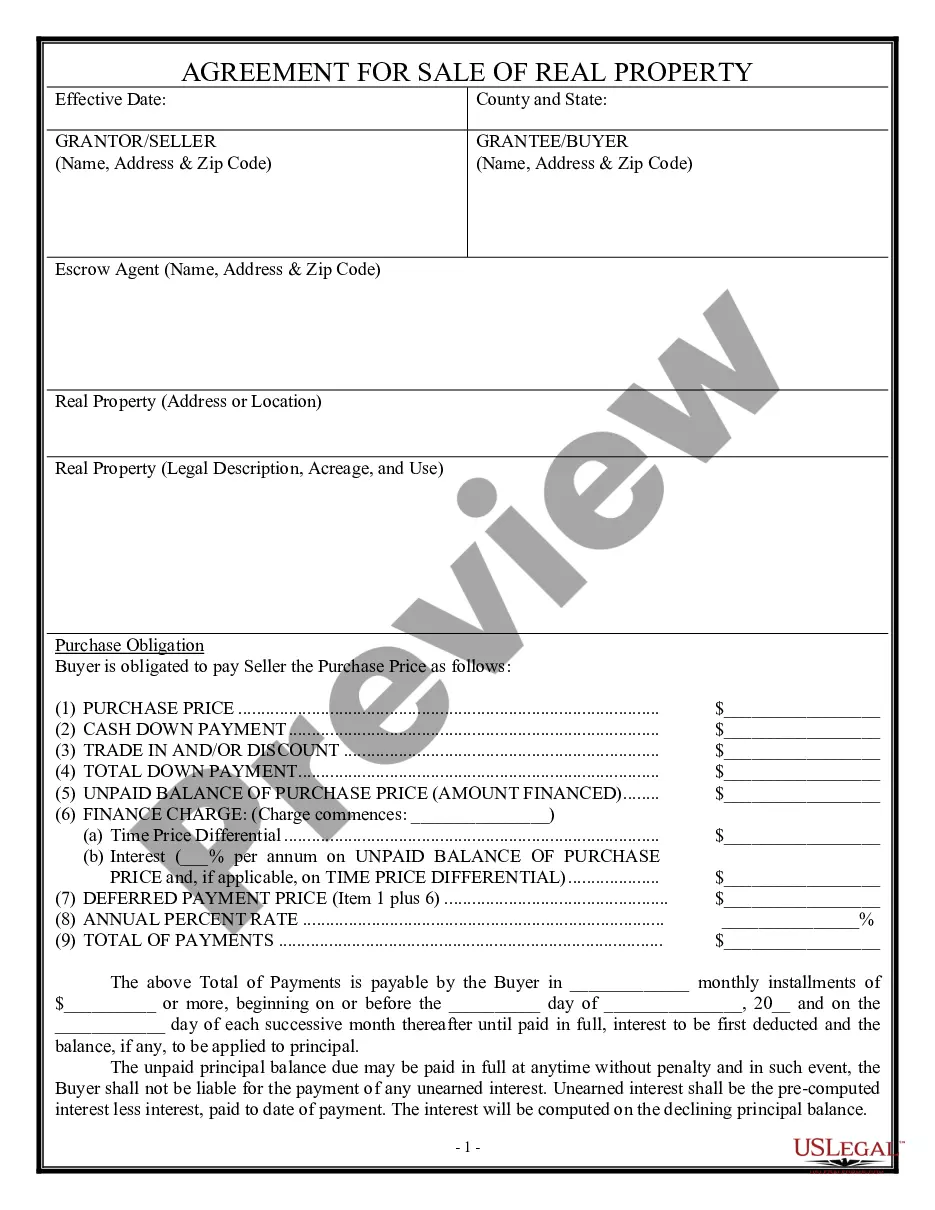
Get your form ready online
Our built-in tools help you complete, sign, share, and store your documents in one place.
Make edits, fill in missing information, and update formatting in US Legal Forms—just like you would in MS Word.
Download a copy, print it, send it by email, or mail it via USPS—whatever works best for your next step.
Sign and collect signatures with our SignNow integration. Send to multiple recipients, set reminders, and more. Go Premium to unlock E-Sign.
If this form requires notarization, complete it online through a secure video call—no need to meet a notary in person or wait for an appointment.
We protect your documents and personal data by following strict security and privacy standards.

Make edits, fill in missing information, and update formatting in US Legal Forms—just like you would in MS Word.

Download a copy, print it, send it by email, or mail it via USPS—whatever works best for your next step.

Sign and collect signatures with our SignNow integration. Send to multiple recipients, set reminders, and more. Go Premium to unlock E-Sign.

If this form requires notarization, complete it online through a secure video call—no need to meet a notary in person or wait for an appointment.

We protect your documents and personal data by following strict security and privacy standards.
Looking for another form?



Form popularity
FAQ
Here are the steps for writing and filing a quitclaim deed in Florida: Download the Florida quitclaim deed. Fill in the name and address of the person who prepared the deed. Complete the buyer and seller sections. Property details. Submit tax details. Signatures. Delivery of the deed. Filing with the clerk.
A quit claim deed is the easiest way to change property title in Florida. This type of deed is used to (1) add or remove family members from the title, (2) transfer property to an LLC, (3) transfer property to a living trust, and (4) remove an ex-spouse from the title.
If you have lost or misplaced your original deed (or other legal document which has been recorded), you can obtain a certified copy from the Recording Office where the original document was recorded. A certified copy has the legal validity of the original document.
When you transfer title and ownership of real estate in Florida, you sign a deed conveying or transferring the property to the new owner. In most real estate closings, the seller is responsible for providing the deed that is signed at closing.
If you are looking for deeds, leases, bills of sale, mortgages, notices or claims of lien, notices of levy, tax warrants or any other items relating to the ownership of real or personal property, please contact the Orange County Comptroller, Property Appraiser or Tax Collector.
Unlicensed Practice of Real Estate is a Third Degree Felony in Florida. Under Florida Statute 475.42(1)(a), the crime of Unlicensed Practice of Real Estate is committed when a person engages in real estate activities listed under Florida Statute 475.01(1)(a) without a real estate license for compensation.
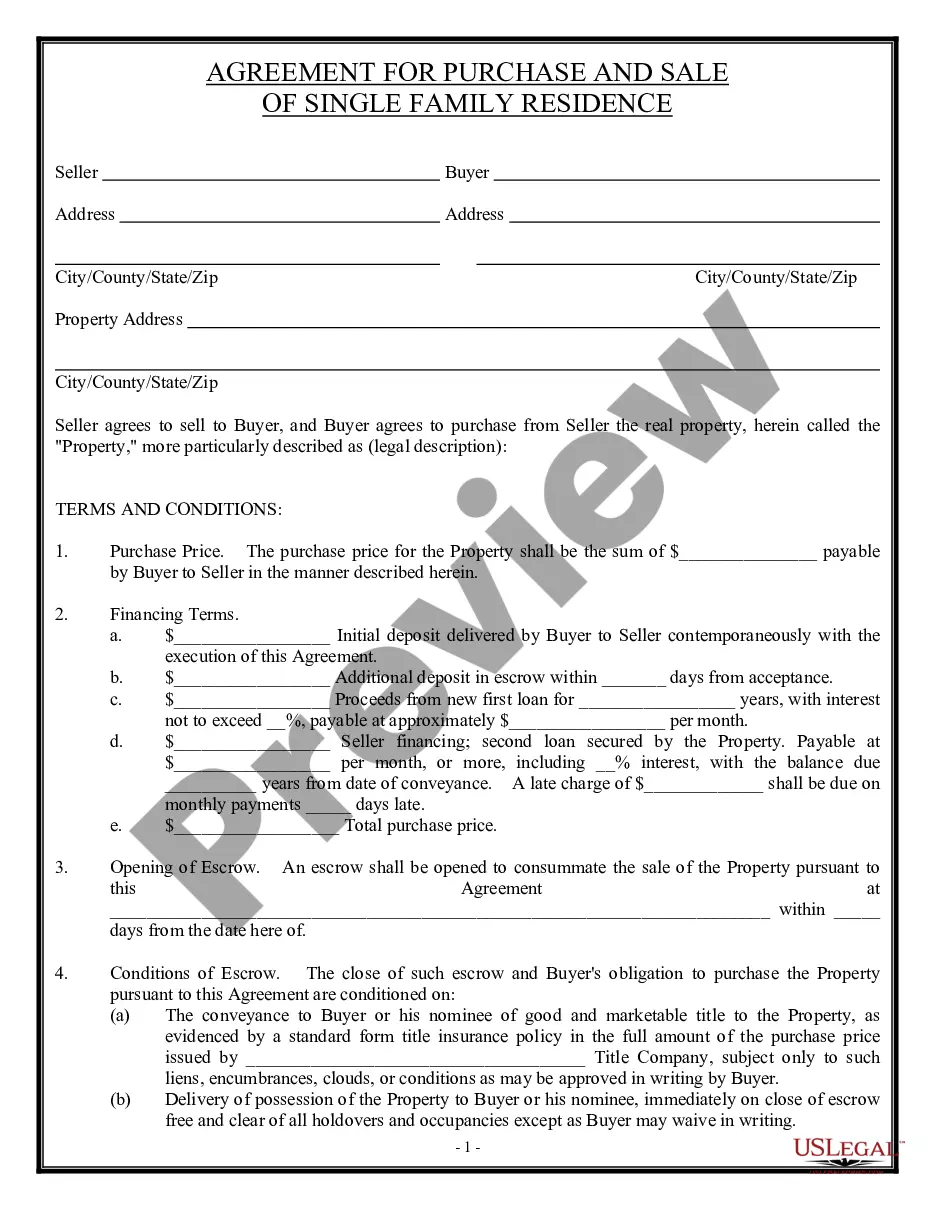
Who draws up the FSBO contract in Florida? The seller draws up the For Sale By Owner real estate contract in Florida. However, the seller can hire other professionals like a Florida real estate attorney to ensure legal accuracy.
FSBO contracts in Florida should include the following: Contract Title. Details of Seller and Buyer: Full names, marital status and contact information. Contract Date: The date of execution. Property Details. Payment terms. Real Estate Taxes: Detail who pays real estate taxes and how.
While the idea may seem daunting, it is possible to buy a home without a Realtor®. It may require more effort on your part, but by following a few basic steps and being organized, it shouldn't be a problem.
