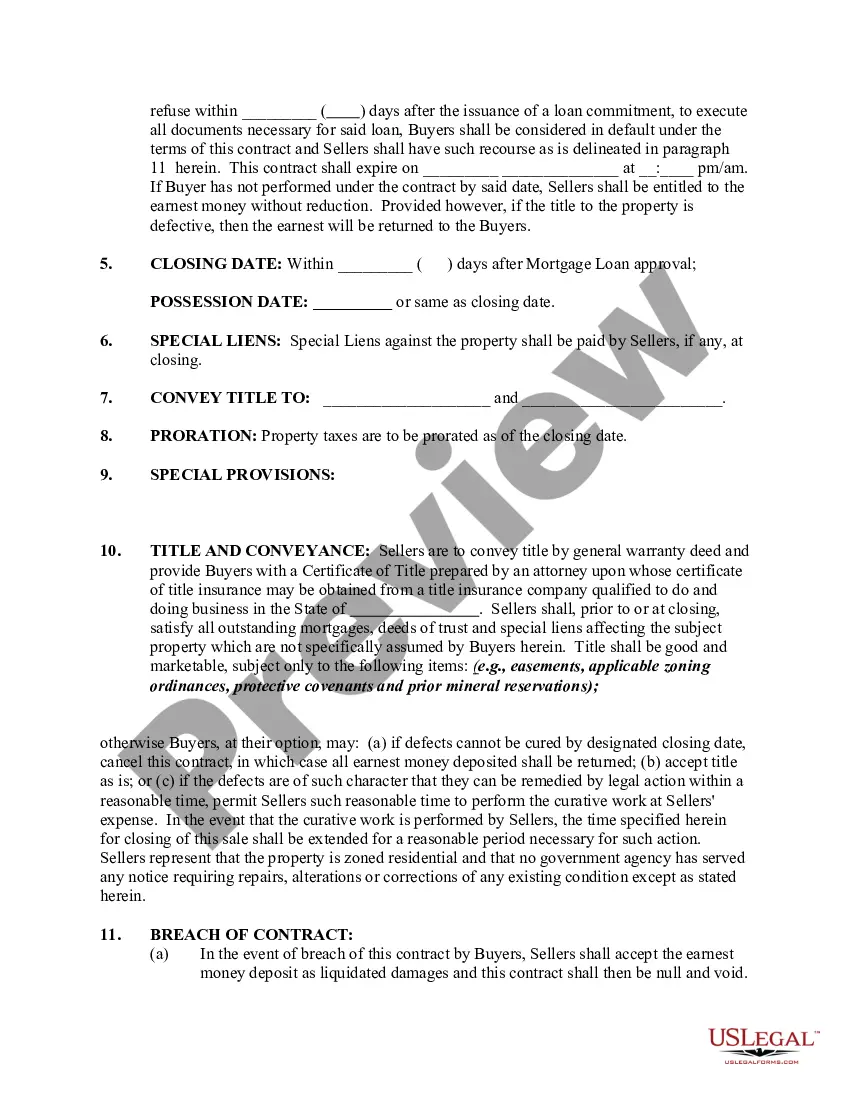
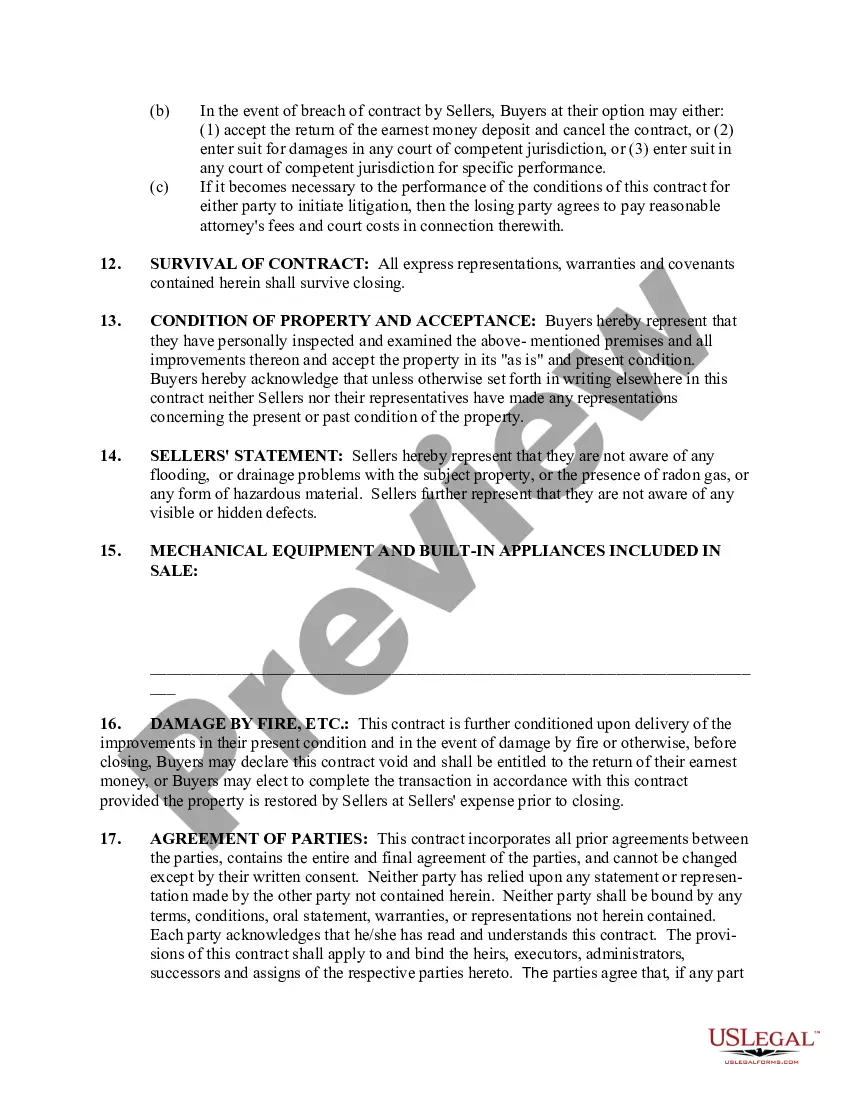
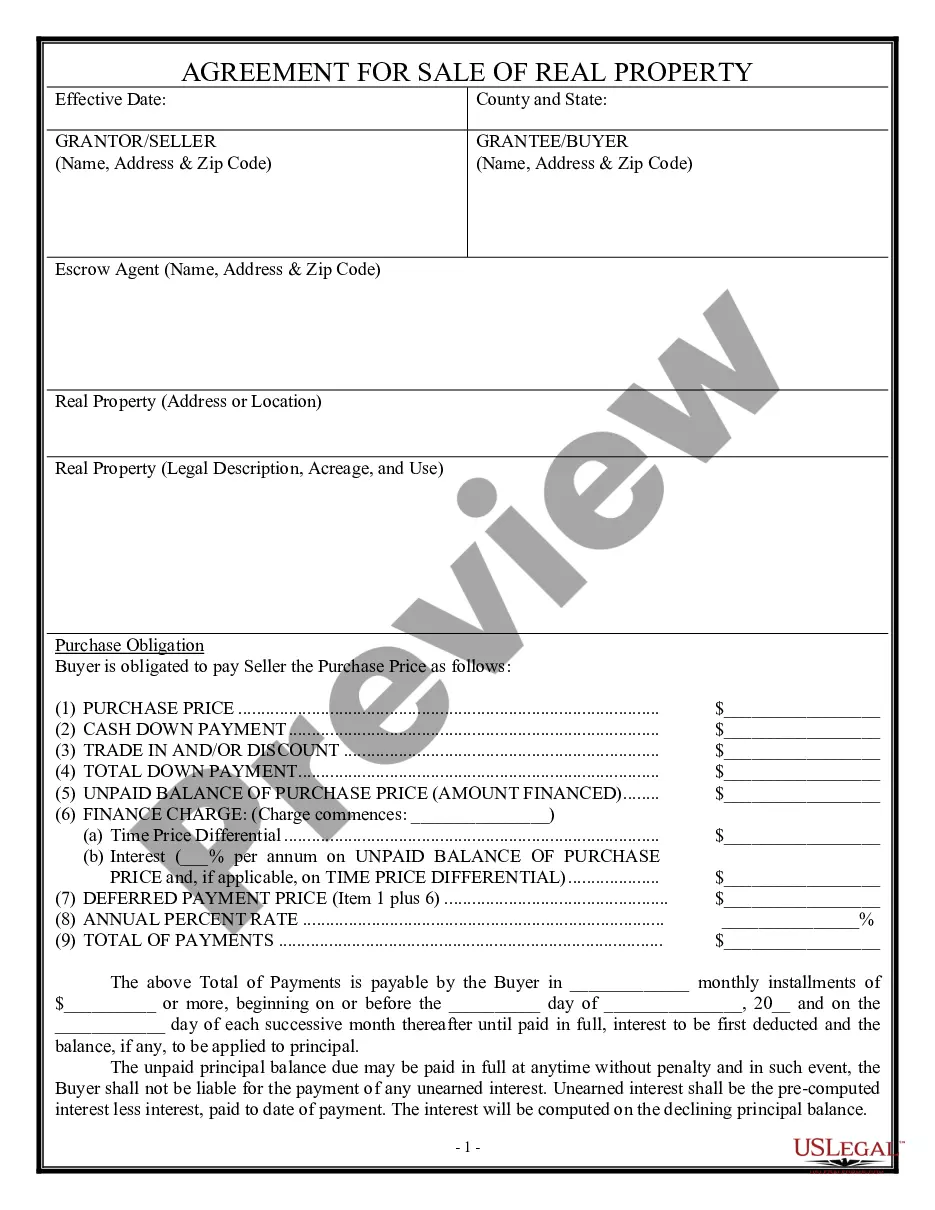
Closing Property Title For Married Couple In Ohio
Description

Get your form ready online
Our built-in tools help you complete, sign, share, and store your documents in one place.
Make edits, fill in missing information, and update formatting in US Legal Forms—just like you would in MS Word.
Download a copy, print it, send it by email, or mail it via USPS—whatever works best for your next step.
Sign and collect signatures with our SignNow integration. Send to multiple recipients, set reminders, and more. Go Premium to unlock E-Sign.
If this form requires notarization, complete it online through a secure video call—no need to meet a notary in person or wait for an appointment.
We protect your documents and personal data by following strict security and privacy standards.

Make edits, fill in missing information, and update formatting in US Legal Forms—just like you would in MS Word.

Download a copy, print it, send it by email, or mail it via USPS—whatever works best for your next step.

Sign and collect signatures with our SignNow integration. Send to multiple recipients, set reminders, and more. Go Premium to unlock E-Sign.

If this form requires notarization, complete it online through a secure video call—no need to meet a notary in person or wait for an appointment.

We protect your documents and personal data by following strict security and privacy standards.
Looking for another form?








Form popularity
FAQ
There are more specifics that need to be discussed, but, in general, if a home is purchased while the parties are married, and then payments are made on it during the marriage, it is a JOINT piece of property, and will be divided in the divorce. Whose name is on the deed does not control the ownership of the property.
Tenancy by the entirety refers to a form of shared property ownership that is usually reserved only for married couples. A tenancy by the entirety permits spouses to jointly own property as a single legal entity. This means that each spouse has an equal and undivided interest in the property.
One person can sign using a power of attorney for the other. Otherwise both people need to sign. However with mobile notaries and remote closings that does not necessarily need to mean you both need to sign at the same time in the same room.
All spouses will need to sign some documents even if they are not going to be an owner in the property. Ohio has dower(marital) rights and all spouses need to sign the mortgage and a few additional Lender documents in order to release any rights they may have in the property to the lender in case of foreclosure.
The answer to your question is yes. It can be done - but typically a mortgage company/bank will require the other spouse to sign off waiving their interest in a property.
Ohio still recognizes a statute that protects both husbands and wives regarding an interest in real estate where a spouse does not hold title to the property (only one spouse signed their name on the deed).
Utilizing a revocable trust is the best way for a married couple to take title. Titling property in your trust avoids probate upon the death of both the initial and surviving spouses and preserves the capital gains step up for the entire property on the first death.
Typically, matrimonial assets include the family home, pensions and savings. If an asset is non-matrimonial it means that is has been brought into the marriage by one spouse only.
For instance, if you're married, the most common way to title your home is Tenancy by the Entirety (TBE). That endows survivorship rights, some creditor protection, and allows for transfers only with the consent of both spouses.
