Closing Property Title Form Qld In North Carolina
Description

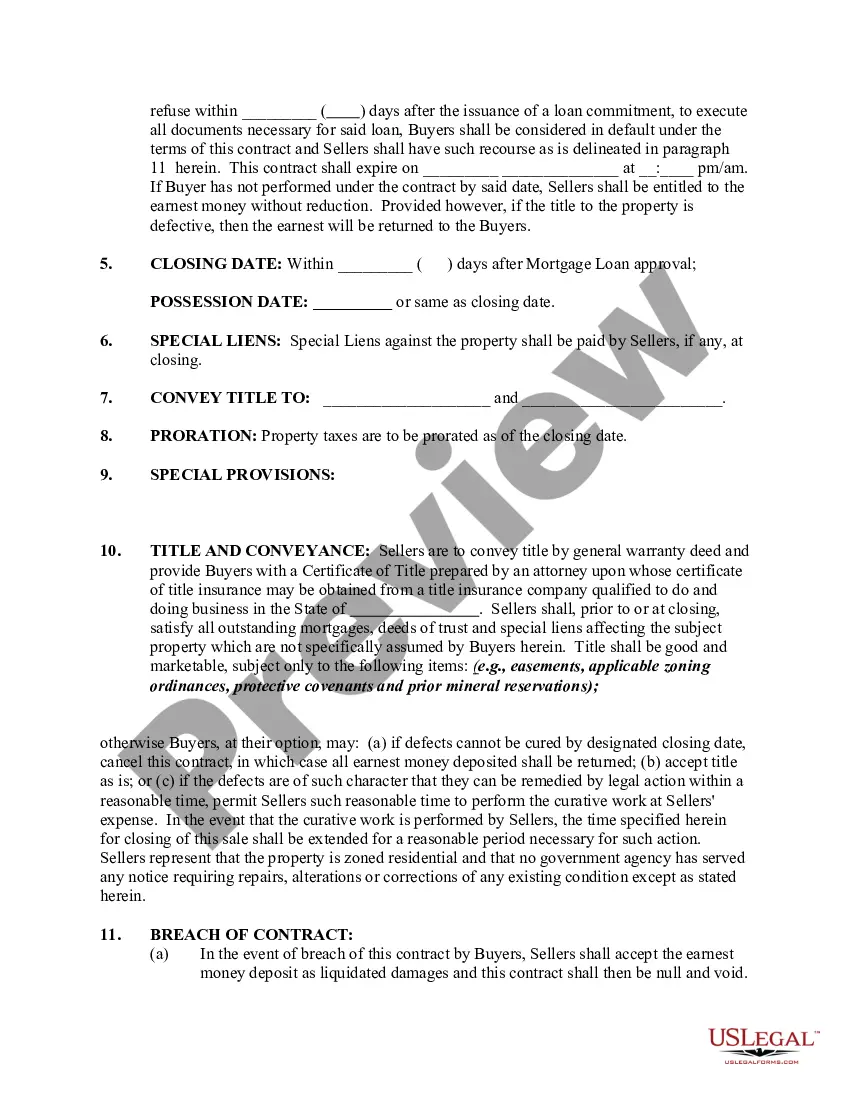
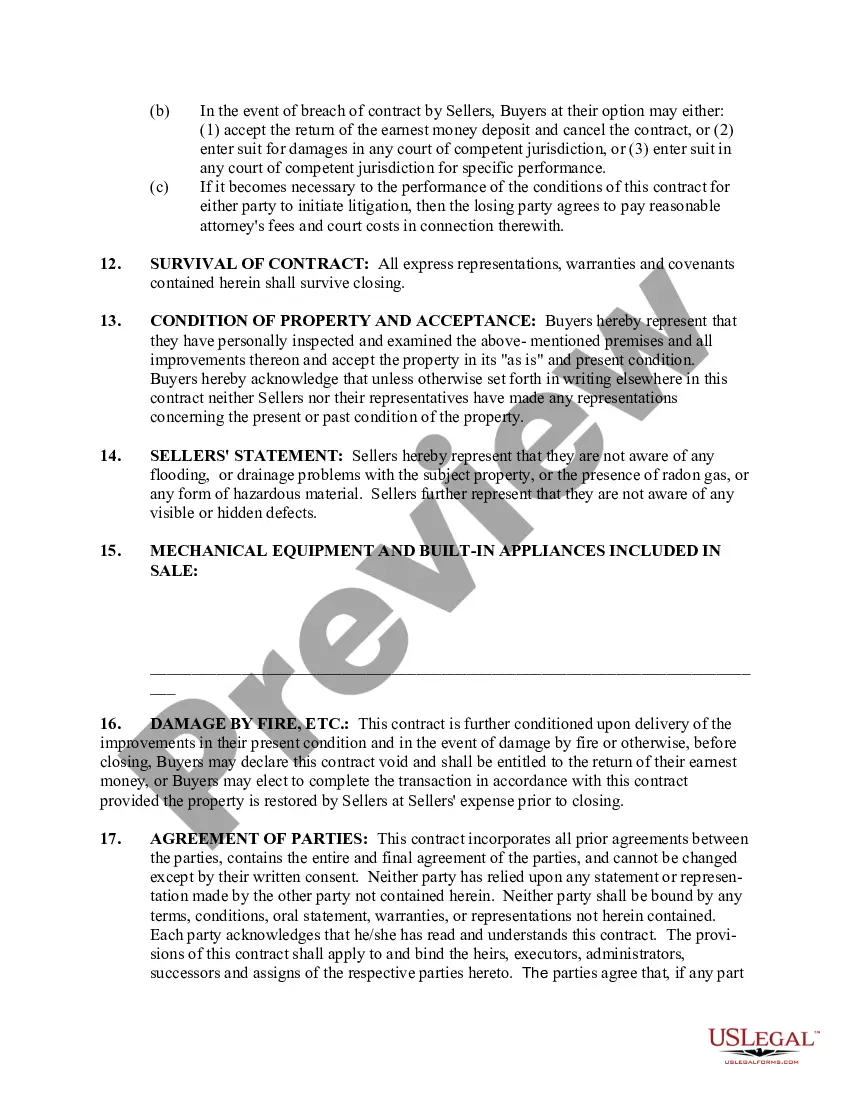
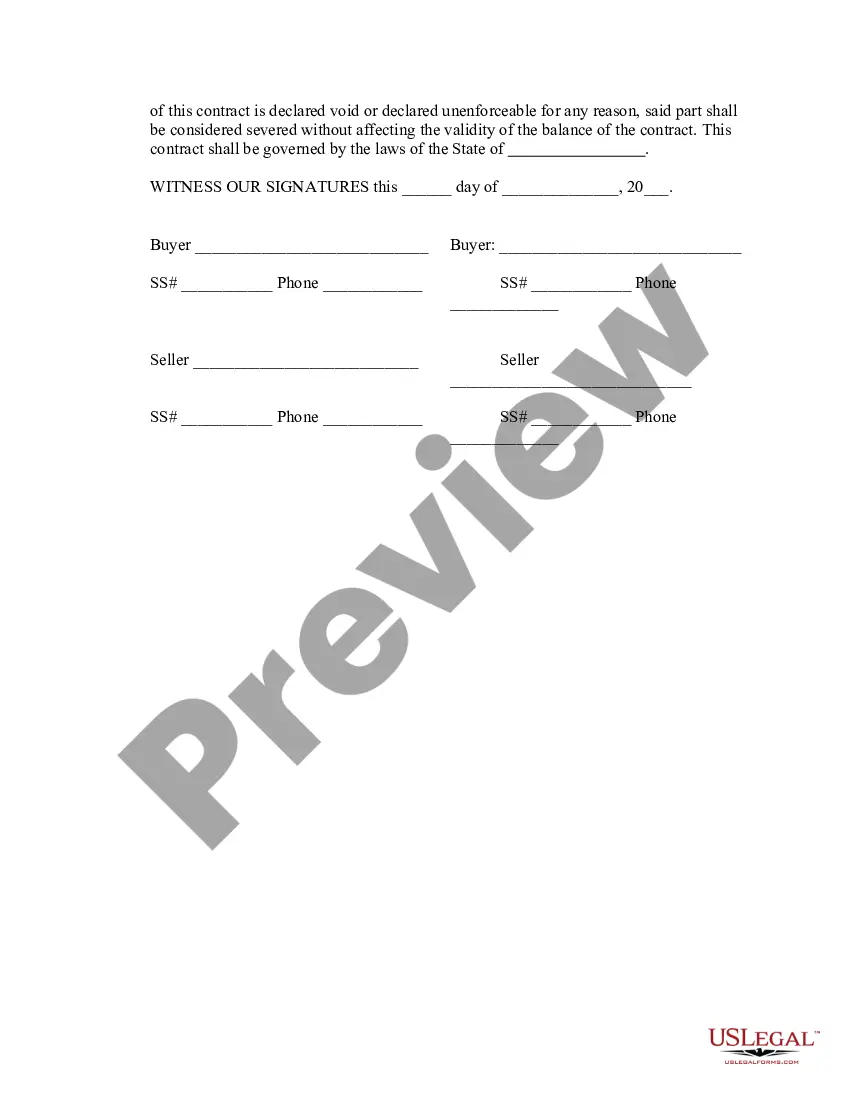
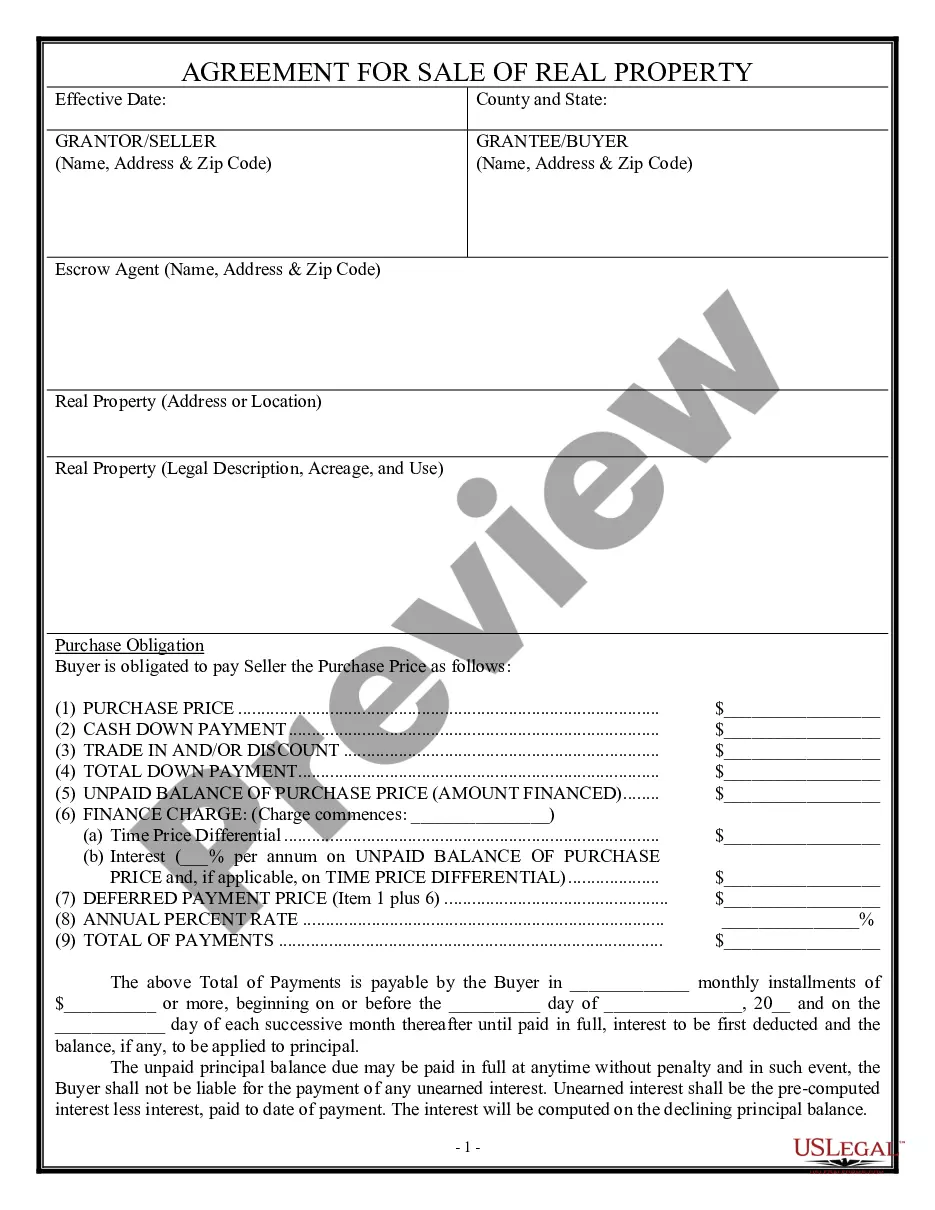
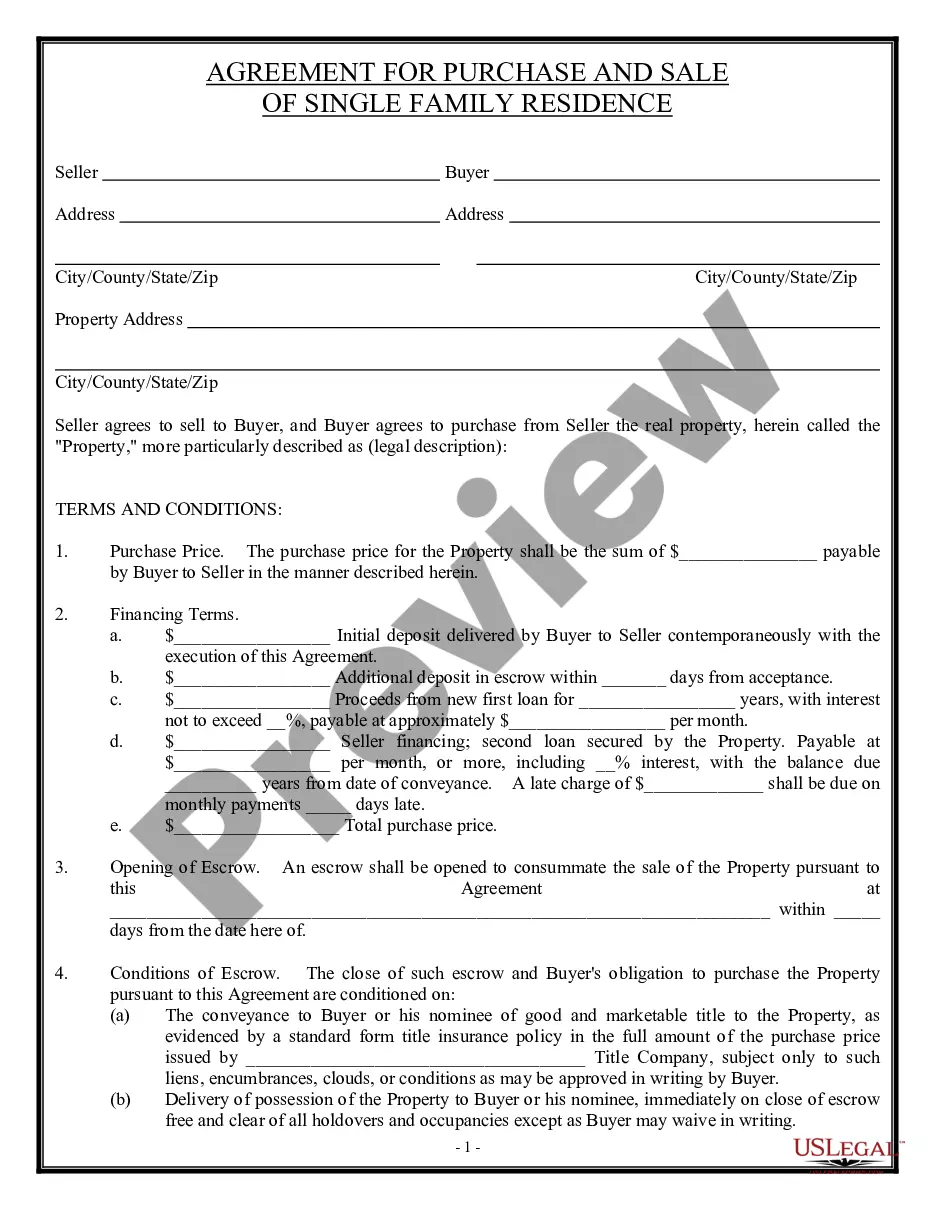
Get your form ready online
Our built-in tools help you complete, sign, share, and store your documents in one place.
Make edits, fill in missing information, and update formatting in US Legal Forms—just like you would in MS Word.
Download a copy, print it, send it by email, or mail it via USPS—whatever works best for your next step.
Sign and collect signatures with our SignNow integration. Send to multiple recipients, set reminders, and more. Go Premium to unlock E-Sign.
If this form requires notarization, complete it online through a secure video call—no need to meet a notary in person or wait for an appointment.
We protect your documents and personal data by following strict security and privacy standards.

Make edits, fill in missing information, and update formatting in US Legal Forms—just like you would in MS Word.

Download a copy, print it, send it by email, or mail it via USPS—whatever works best for your next step.

Sign and collect signatures with our SignNow integration. Send to multiple recipients, set reminders, and more. Go Premium to unlock E-Sign.

If this form requires notarization, complete it online through a secure video call—no need to meet a notary in person or wait for an appointment.

We protect your documents and personal data by following strict security and privacy standards.
Looking for another form?









Form popularity
FAQ
Settlement is the first step in the process. Closing can be the same day as Settlement and usually entitles the buyer to possession.
And then and only then okay the proceeds be dispersed. I think that's an important thing to clarifyMoreAnd then and only then okay the proceeds be dispersed. I think that's an important thing to clarify settlement. And closing have have very different meaning settlement is part of closing.
A: Generally, the buyer pays the attorney fees at closing in North Carolina. In many cases, the closing attorney may represent both the buyer and the seller during the transaction.
And then and only then okay the proceeds be dispersed. I think that's an important thing to clarifyMoreAnd then and only then okay the proceeds be dispersed. I think that's an important thing to clarify settlement. And closing have have very different meaning settlement is part of closing.
In 2015, borrowers began getting what's now called a closing disclosure — a newer, more streamlined version of the previously used settlement statement. Lenders are required to provide this information to homebuyers at least three days before the closing date.
Liens are the most common title defect. Mortgages, unpaid real estate taxes, HOA assessments, and court judgments are examples of liens. Other common title problems are errors in the public records, missing owners, invalid deed signatures, unknown encumbrances, document errors, and boundary disputes.
You can find who owns a parcel of land by: Looking at the deed for the land online or at the Register of Deeds office. To do this, just follow the steps in the FAQ question above: “How do I find my deed once I get to the land records part of the county website?”
You can go to a ``title company'' and they can do that search for you. If you choose to do it yourself, go to your local courthouse and ask for their procedure in pursuing a title search.
Welcome to county office your ultimate guide to local government services and public records. Let'sMoreWelcome to county office your ultimate guide to local government services and public records. Let's get. Started how to do a title search in NC na title search in North Carolina involves examining
