Closing Any Property Without Permission In New York
Description

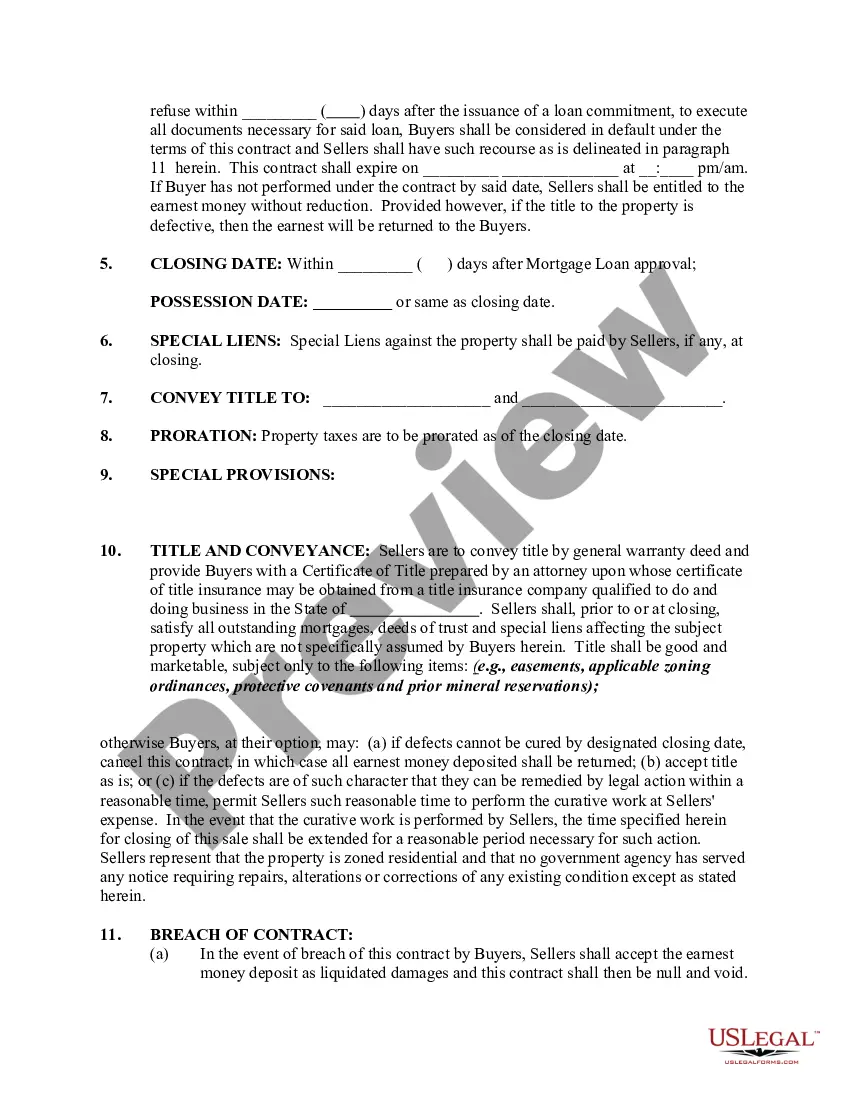
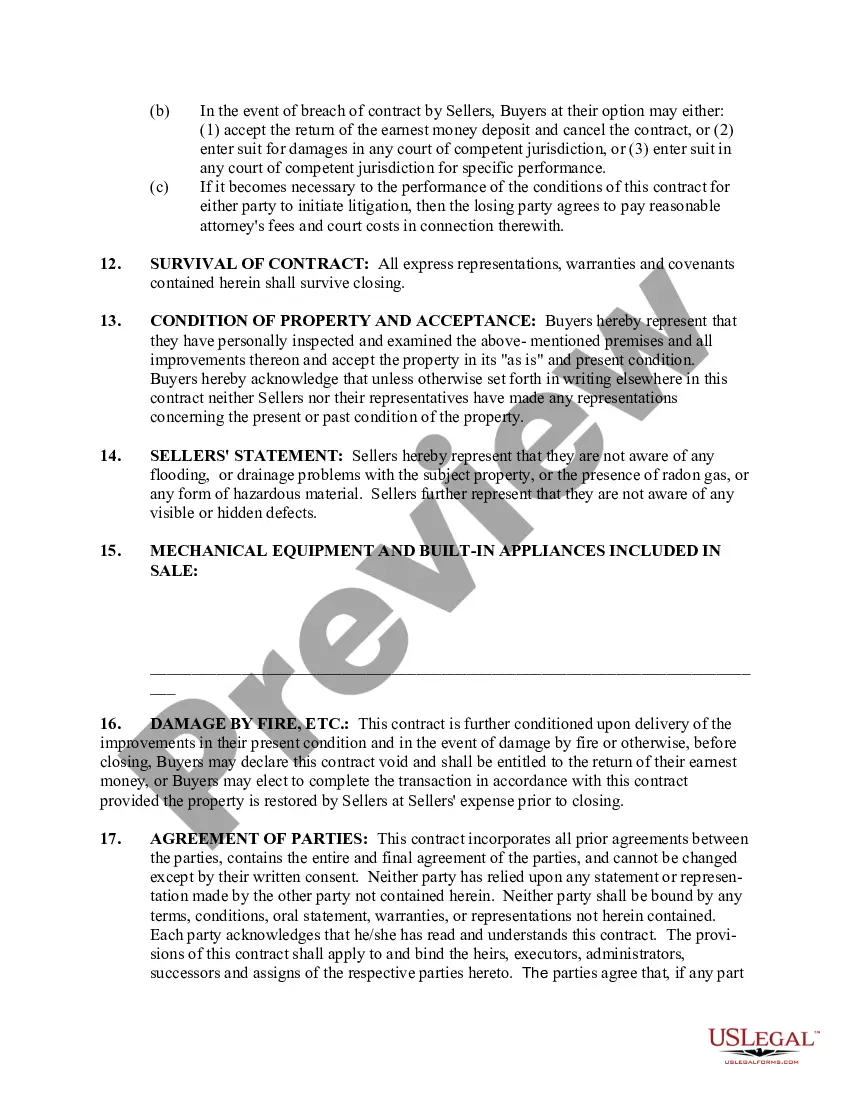
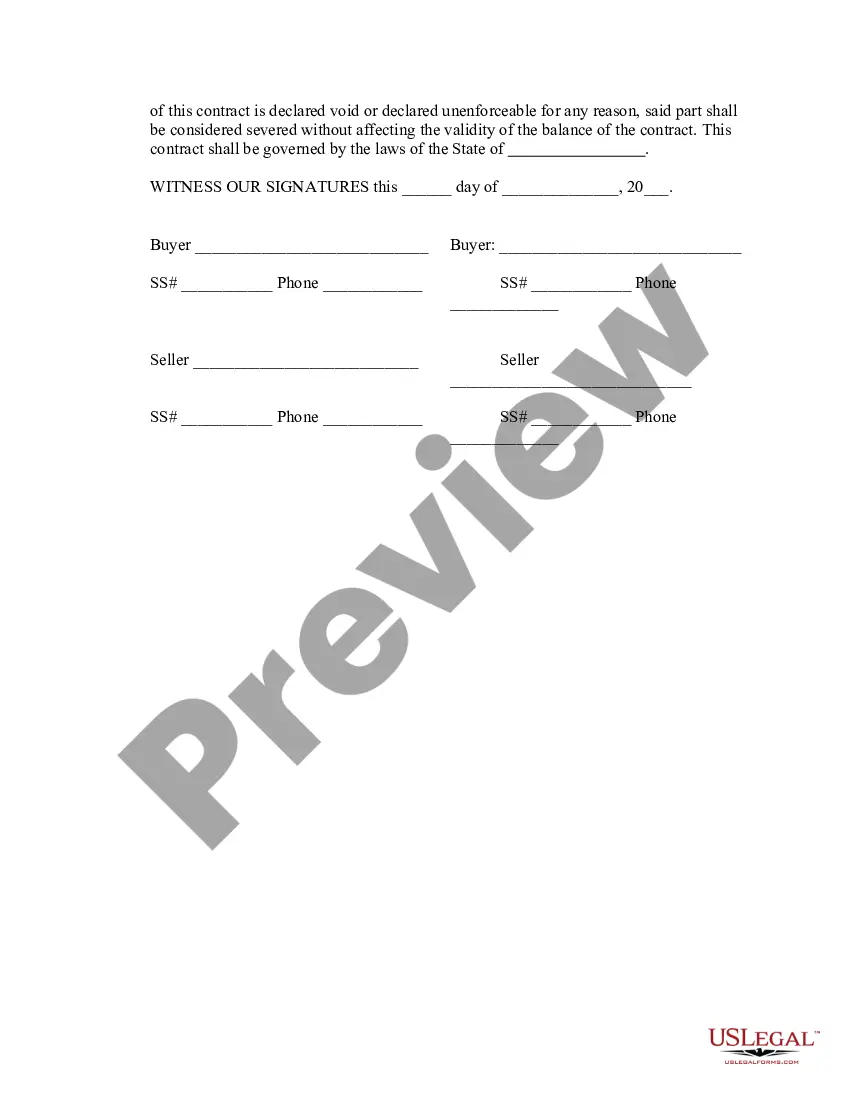
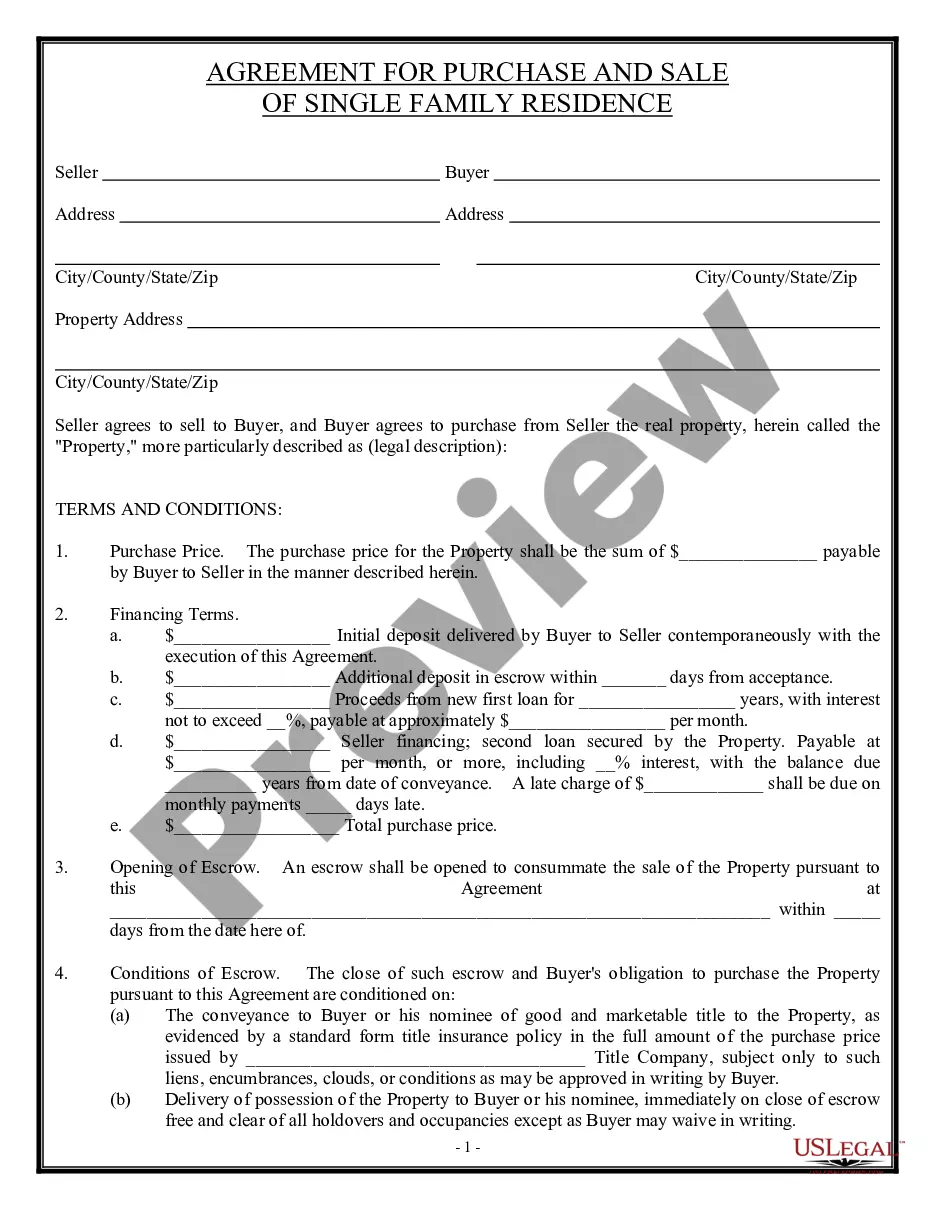
Get your form ready online
Our built-in tools help you complete, sign, share, and store your documents in one place.
Make edits, fill in missing information, and update formatting in US Legal Forms—just like you would in MS Word.
Download a copy, print it, send it by email, or mail it via USPS—whatever works best for your next step.
Sign and collect signatures with our SignNow integration. Send to multiple recipients, set reminders, and more. Go Premium to unlock E-Sign.
If this form requires notarization, complete it online through a secure video call—no need to meet a notary in person or wait for an appointment.
We protect your documents and personal data by following strict security and privacy standards.

Make edits, fill in missing information, and update formatting in US Legal Forms—just like you would in MS Word.

Download a copy, print it, send it by email, or mail it via USPS—whatever works best for your next step.

Sign and collect signatures with our SignNow integration. Send to multiple recipients, set reminders, and more. Go Premium to unlock E-Sign.

If this form requires notarization, complete it online through a secure video call—no need to meet a notary in person or wait for an appointment.

We protect your documents and personal data by following strict security and privacy standards.
Looking for another form?

Form popularity
FAQ
As for the seller goes, they actually are not required to be present at the closing. They can sign what's called a 'power of attorney', and their attorney can actually sign documents on their behalf in their absence.
When it comes to purchasing or selling properties in New York State, having a real estate attorney represent you is not mandatory, but it is strongly advised. The process of negotiating and understanding the nuances of a real estate Contract of Sale is complex.
Closing agents, who aid in the selling of a property to a buyer, prepare closing statements. Real estate attorneys, title firms, and escrow officers often act as closing agents.
Review and Preparation of Documents Ensuring that these documents are accurate and legally compliant is essential for a successful closing. While real estate agents in some parts of New York can fill out simple forms, it takes a lawyer to prepare a legal document.
You can elect to close your real estate transaction from the comfort of your home or office using approved and secure technology providers approved by the state of Florida.
Generally, closing takes place between 60 to 90 days after a contract of sale has been signed.
And or signed in person at closing. You can get around this by notarizing and signing a power ofMoreAnd or signed in person at closing. You can get around this by notarizing and signing a power of attorney. With your attorney or another trusted party prior to departing.
You may refuse entry to a landlord if they do not give proper notice for a visit, or if they try to enter for any reason beyond the five valid ones listed below. These rights cannot be waived — they still apply if your lease says otherwise, or if you don't have a lease.
Landlords may not take the law into their own hands and evict a tenant by use of force or unlawful means. For example, a landlord cannot use threats of violence, remove a tenant's possessions, lock the tenant out of the apartment, or willfully discontinue essential services such as water or heat.
Can you evict a squatter in New York State? In New York State, property owners can evict squatters by serving them with a notice to vacate and filing an eviction lawsuit if they do not comply.
