Closing Property Title For Sale In Nevada
Description

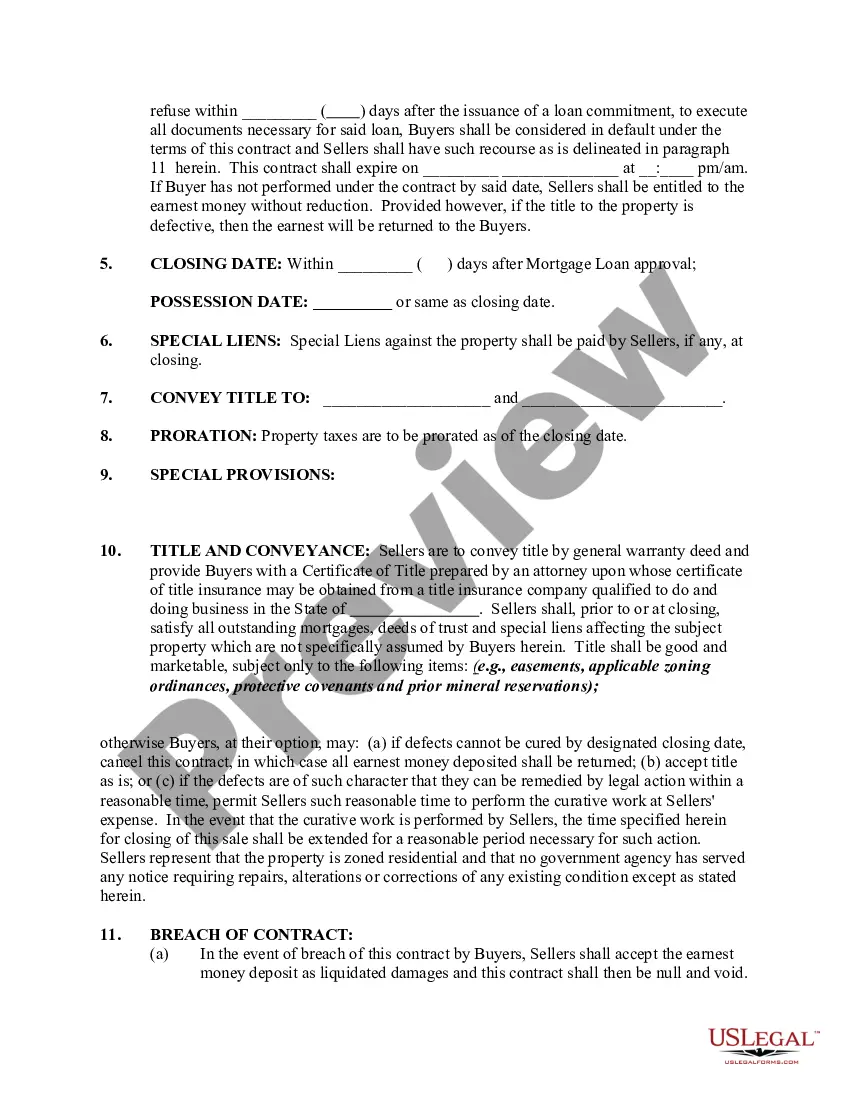
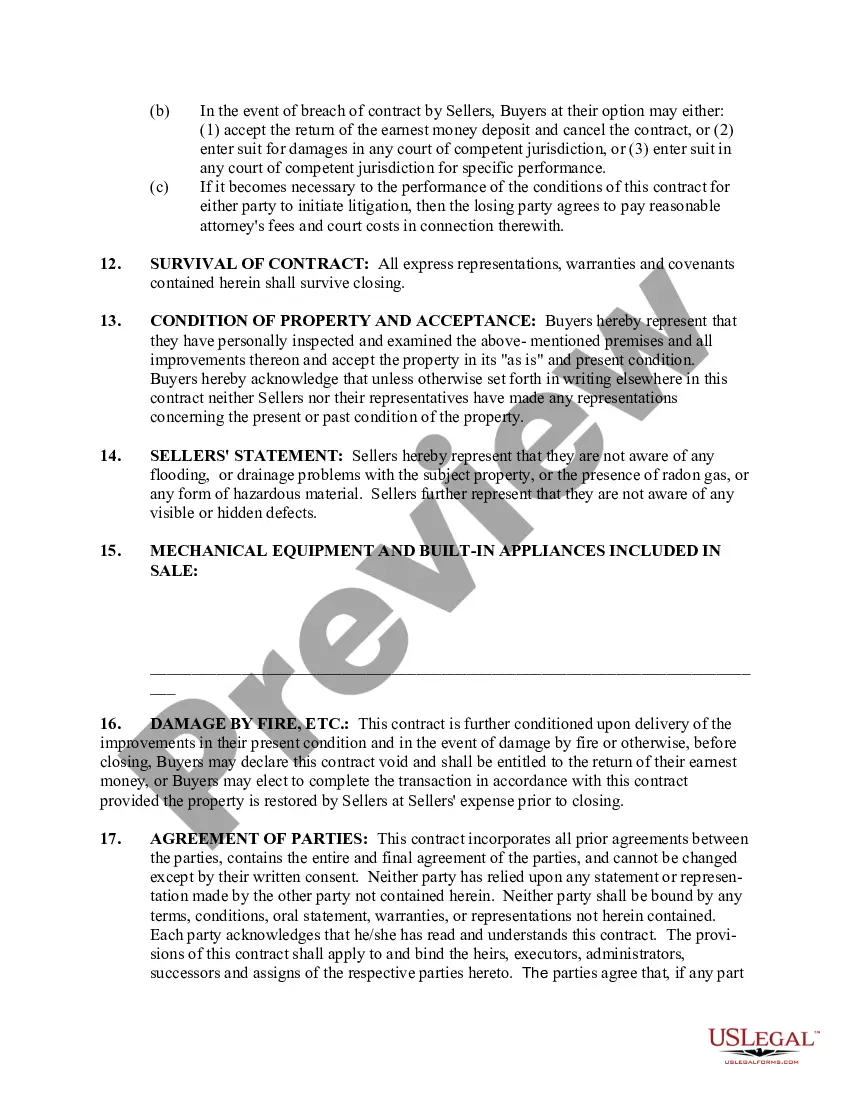
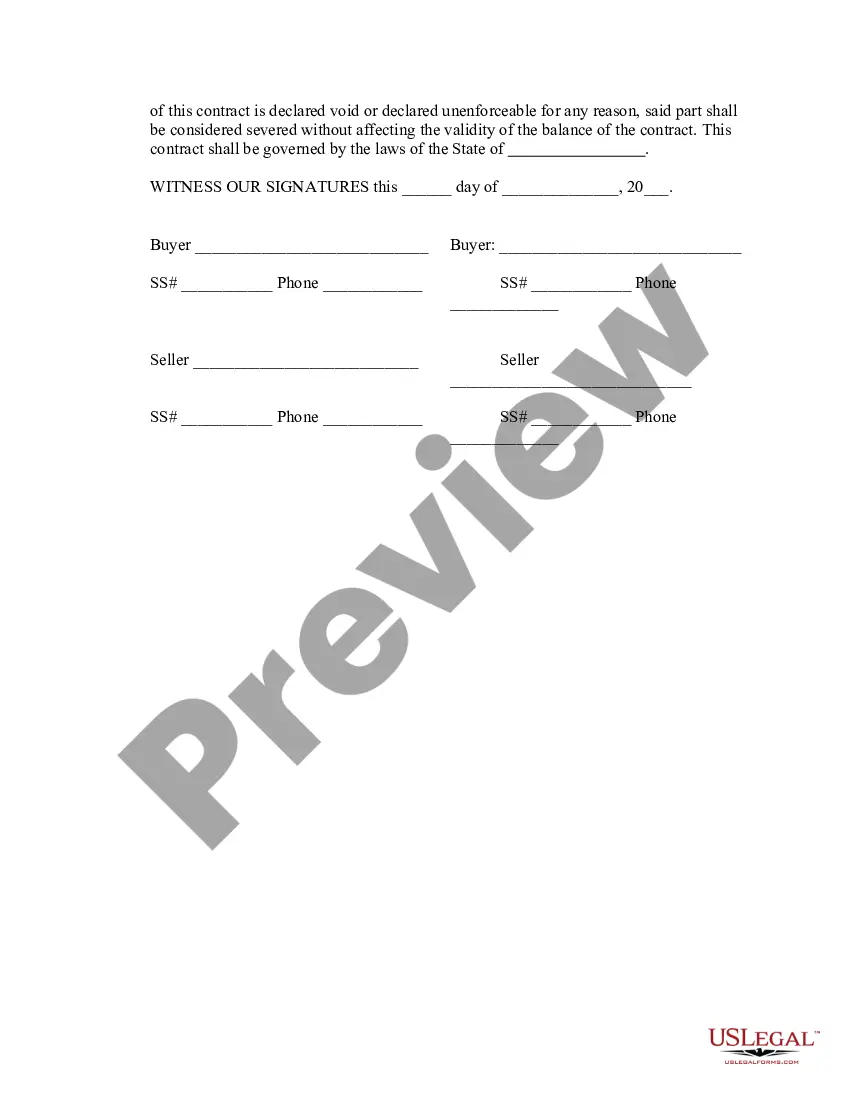
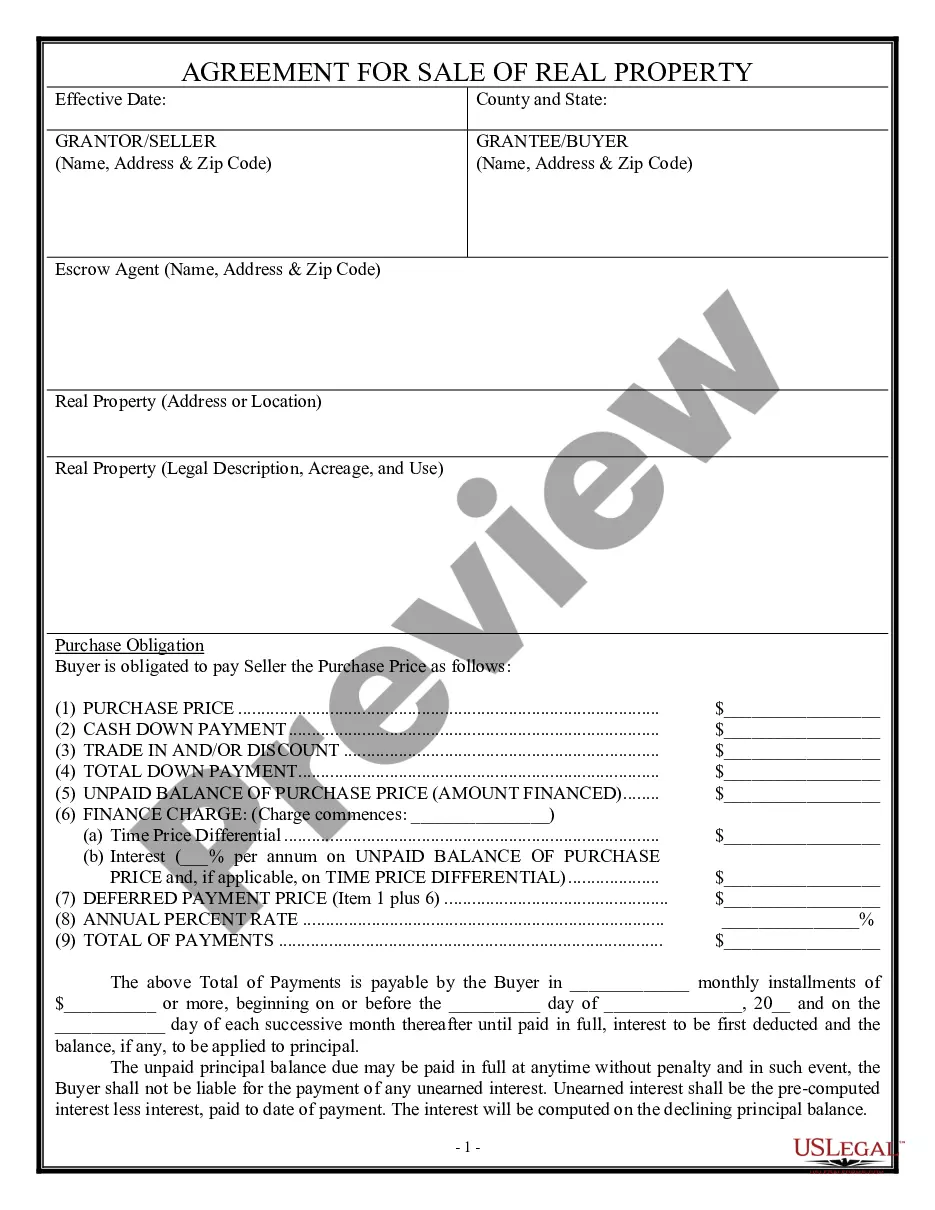
Get your form ready online
Our built-in tools help you complete, sign, share, and store your documents in one place.
Make edits, fill in missing information, and update formatting in US Legal Forms—just like you would in MS Word.
Download a copy, print it, send it by email, or mail it via USPS—whatever works best for your next step.
Sign and collect signatures with our SignNow integration. Send to multiple recipients, set reminders, and more. Go Premium to unlock E-Sign.
If this form requires notarization, complete it online through a secure video call—no need to meet a notary in person or wait for an appointment.
We protect your documents and personal data by following strict security and privacy standards.

Make edits, fill in missing information, and update formatting in US Legal Forms—just like you would in MS Word.

Download a copy, print it, send it by email, or mail it via USPS—whatever works best for your next step.

Sign and collect signatures with our SignNow integration. Send to multiple recipients, set reminders, and more. Go Premium to unlock E-Sign.

If this form requires notarization, complete it online through a secure video call—no need to meet a notary in person or wait for an appointment.

We protect your documents and personal data by following strict security and privacy standards.
Looking for another form?










Form popularity
FAQ
Despite the buyer generally being the party to choose the title company, there are situations where the seller is involved in choosing the title company.
The title transfer process in Nevada involves several steps: completing necessary forms based on the property type, obtaining required signatures (notarization for real estate), calculating applicable fees, and submitting all documentation to the appropriate county office or DMV.
Closing on the Home The closing process usually takes about a month and a half in Nevada from escrow to close, and you won't gain access to your home until the contracts are signed and recorded.
The County Recorder in the county where the property is located is the agency responsible for the imposition and collection of the tax at the time the transfer is recorded. The Grantor and Grantee are jointly and severally liable for the payment of the tax.
Selling a Car in Nevada to a Private Party Clean your car. Find your title. List your car for sale. Screen prospective buyers. Be prepared to allow buyers to drive your car and have it inspected by a third party. Organize and gather all vehicle documentation, like service records. Complete the Bill of Sale.
The buyer must fill in their name and their license or ID number. If they hold a Nevada driver'sMoreThe buyer must fill in their name and their license or ID number. If they hold a Nevada driver's license or ID card if there is more than one buyer the second buyer's name and license number must be
Transferring a car title usually requires the vehicle title itself and a title application, the parties' addresses, signatures from the previous and new owners, and details on the vehicle and its value. These documents look different from state to state, but the information they require is generally the same.
Do I need a notary public's signature on a Nevada bill of sale? Nevada doesn't require a bill of sale to be notarized. However, having it notarized can provide additional authenticity and may be required by certain entities.
Despite the buyer generally being the party to choose the title company, there are situations where the seller is involved in choosing the title company.
To complete a title transfer in Nevada, you'll need the signed vehicle title, a bill of sale, valid identification, proof of residency, and an odometer disclosure statement if applicable. Ensure all documents are properly completed to avoid delays.