Closing Property Title Form Texas In Nassau
Description

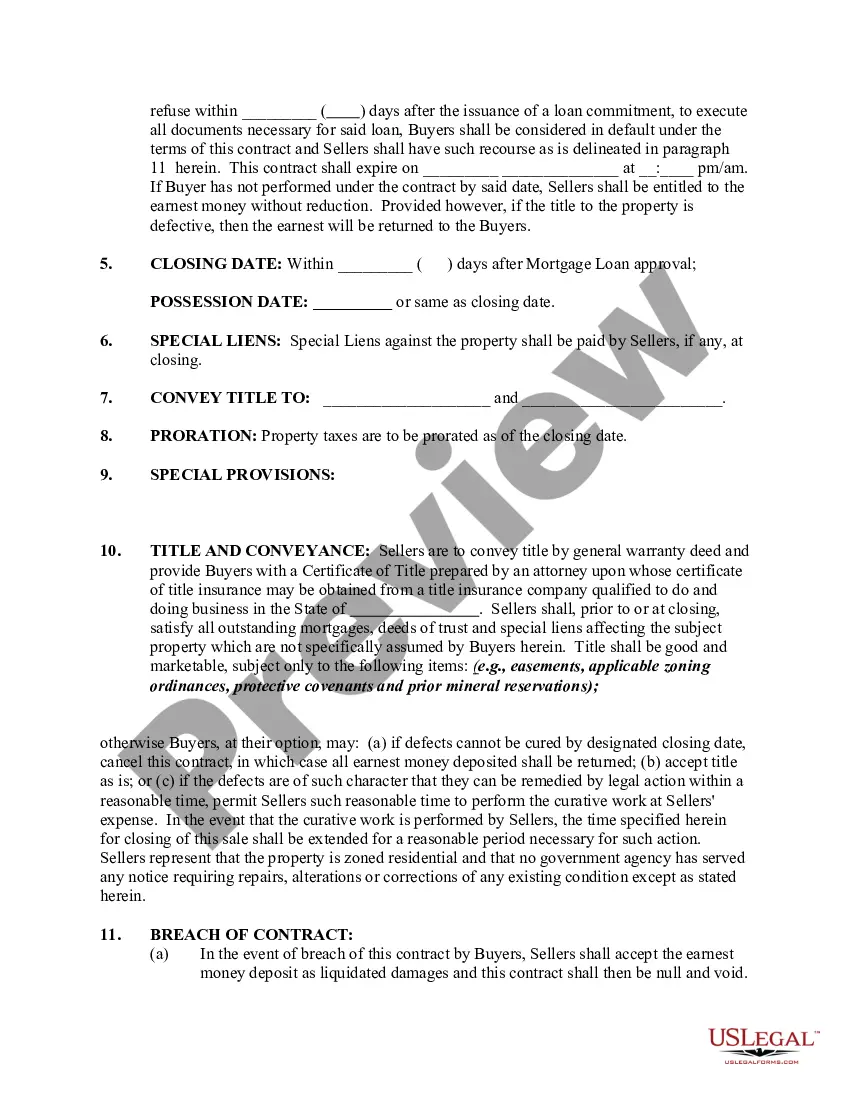
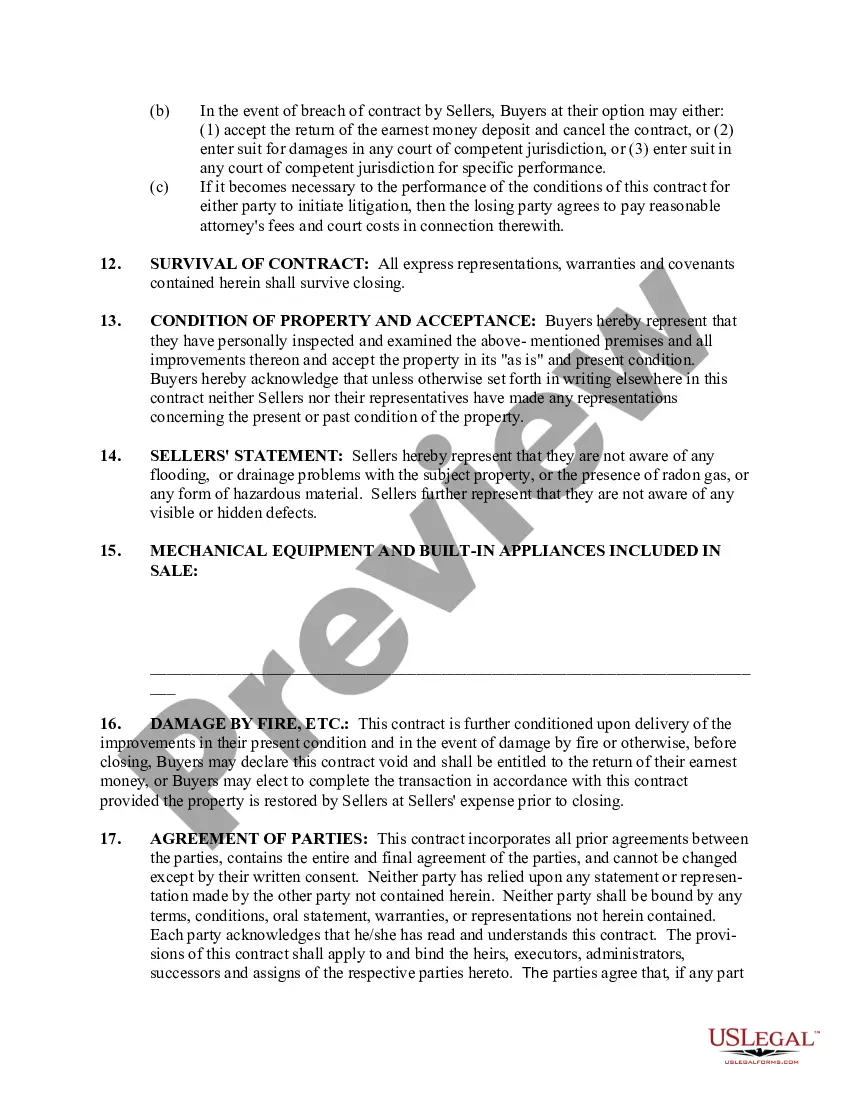
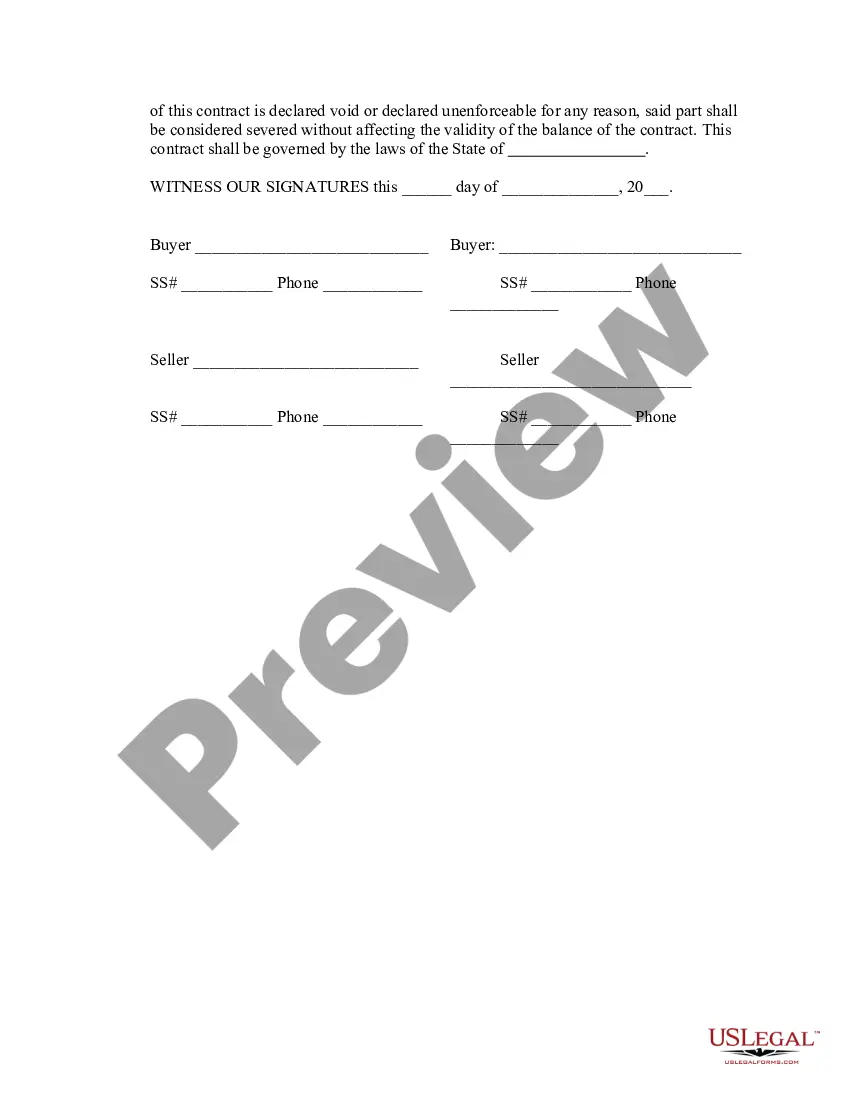
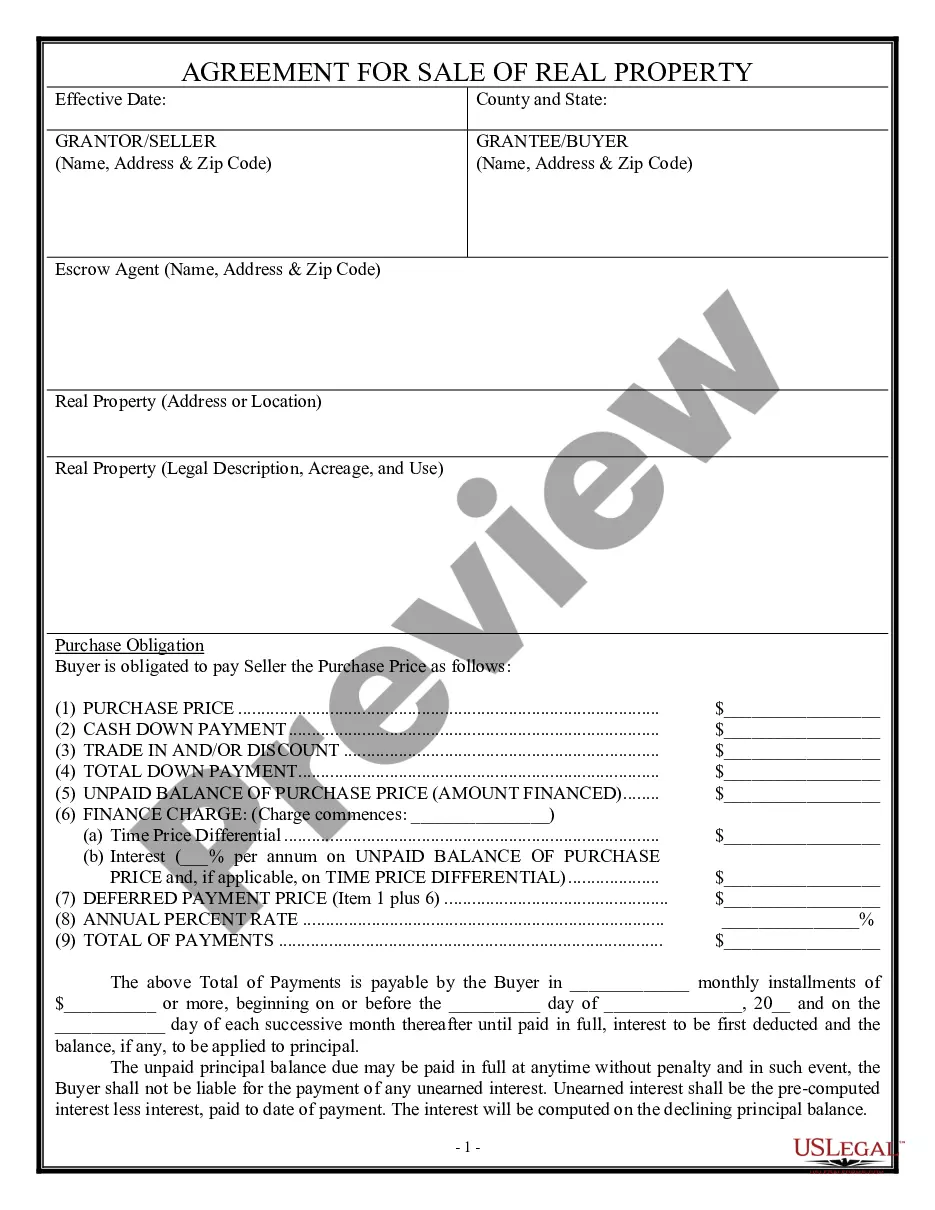
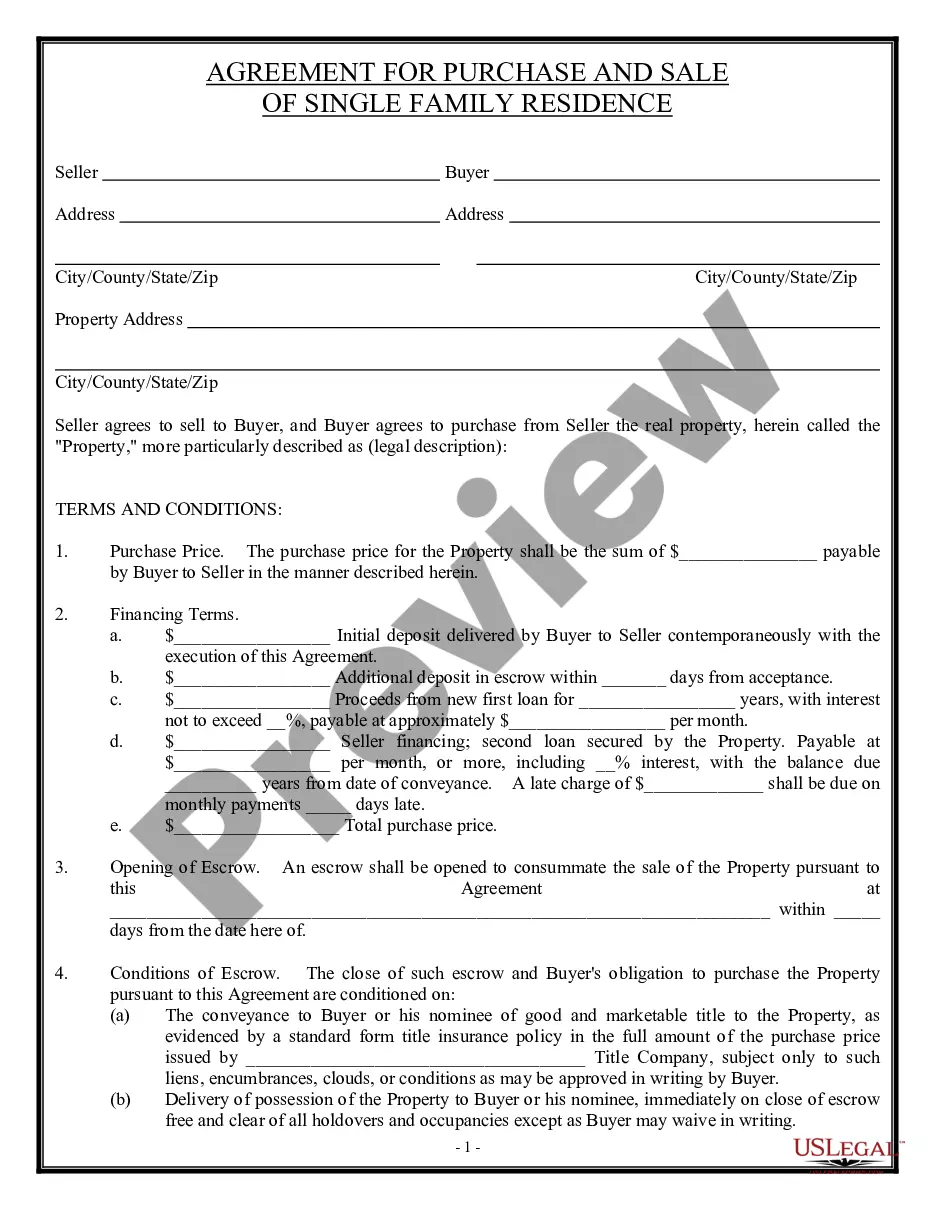
Get your form ready online
Our built-in tools help you complete, sign, share, and store your documents in one place.
Make edits, fill in missing information, and update formatting in US Legal Forms—just like you would in MS Word.
Download a copy, print it, send it by email, or mail it via USPS—whatever works best for your next step.
Sign and collect signatures with our SignNow integration. Send to multiple recipients, set reminders, and more. Go Premium to unlock E-Sign.
If this form requires notarization, complete it online through a secure video call—no need to meet a notary in person or wait for an appointment.
We protect your documents and personal data by following strict security and privacy standards.

Make edits, fill in missing information, and update formatting in US Legal Forms—just like you would in MS Word.

Download a copy, print it, send it by email, or mail it via USPS—whatever works best for your next step.

Sign and collect signatures with our SignNow integration. Send to multiple recipients, set reminders, and more. Go Premium to unlock E-Sign.

If this form requires notarization, complete it online through a secure video call—no need to meet a notary in person or wait for an appointment.

We protect your documents and personal data by following strict security and privacy standards.
Looking for another form?






Form popularity
FAQ
Here are the steps to follow when transferring property ownership in Texas legally: Step 1: Prepare the Deed. The first step is to prepare the deed, but what's the difference between a title vs. Step 2: Sign the Deed. Step 3: Record the Deed. Step 4: Update Property Records.
When you own a home, the deed is the physical document that proves ownership. The title is the concept of legal ownership that the deed grants you. You can think of the deed as the document that transfers, or passes on, the title or the right to ownership. When you buy a home, you need both.
Transfers of real property must be in writing and notarized. Deeds should be recorded in the county where the property is located. To ensure a legal change to the property title, you'll want the services of an attorney. A qualified attorney will prepare and file the real estate transfer deed.
You may choose any title company you want; you don't have to use a company selected by a real estate agent, builder, or lender. Section 9 of the Real Estate Settlement Procedures Act (RESPA) prohibits sellers from conditioning the home sale on the use of a specific title insurance company.
It might seem like a long time. But remember good things come to those who wait. The first step isMoreIt might seem like a long time. But remember good things come to those who wait. The first step is to prepare the deed. This involves drafting the document. Getting it notarized.
To prove title to real property, you'll need to file certain documents with the county's clerk office. This must be done in the county where the property is located. It will help establish the chain of title, allow you to sell the property, etc. The county cannot add your name to the deed or issue a new deed.
Overview of Property Title Transfer in Texas The main form used in this process is the Texas property title transfer form, which contains essential information, including seller and buyer details, property description, and any encumbrances.
Generally, it can take anywhere from a few days to several weeks for the deed to get filed with the county clerk's office and for ownership to be officially transferred. Sometimes, it may take even longer if any legal issues need to be resolved.
This form provides additional disclosures and. Texas Disclosure. acknowledgements required in Texas.