Closure Any Property For Division In Minnesota
Description

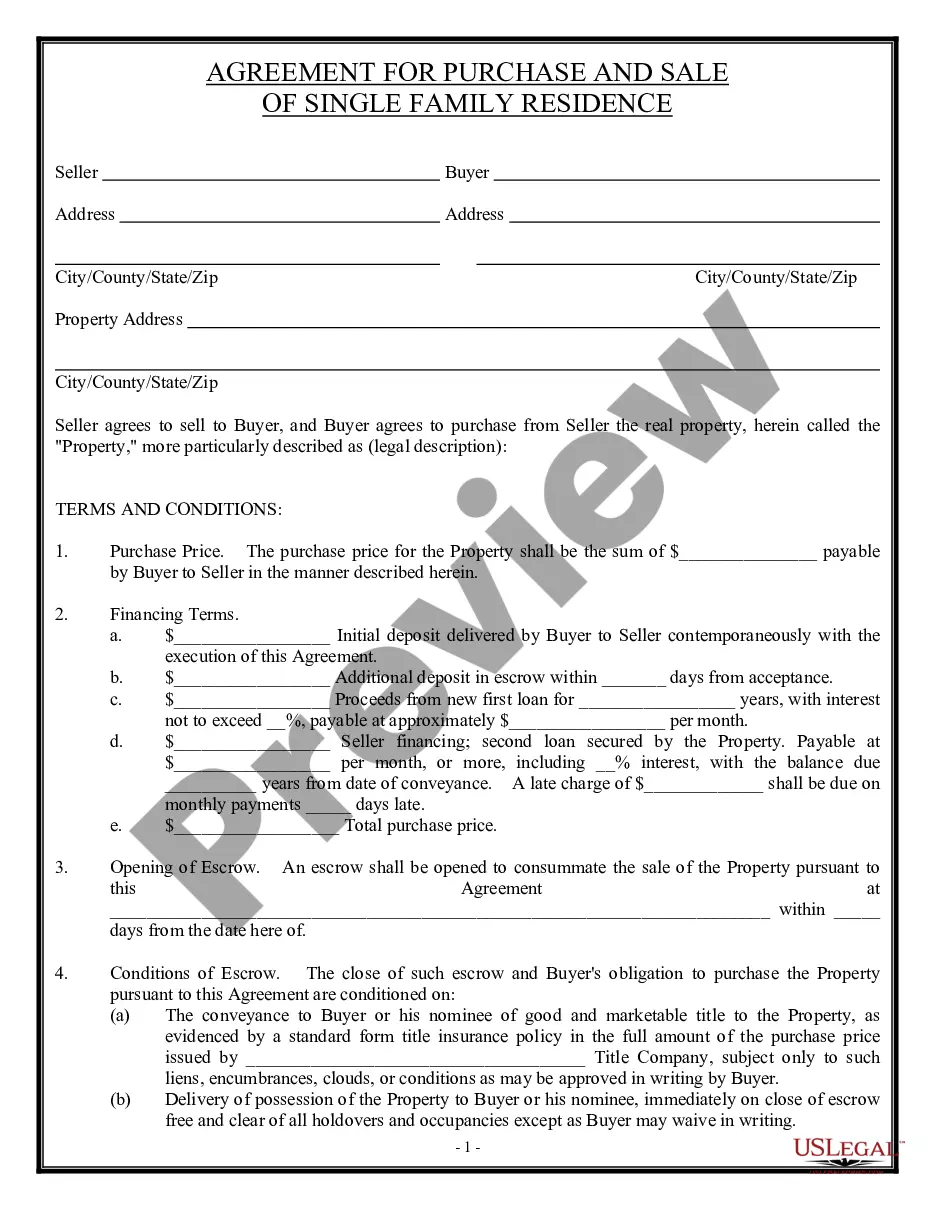
Get your form ready online
Our built-in tools help you complete, sign, share, and store your documents in one place.
Make edits, fill in missing information, and update formatting in US Legal Forms—just like you would in MS Word.
Download a copy, print it, send it by email, or mail it via USPS—whatever works best for your next step.
Sign and collect signatures with our SignNow integration. Send to multiple recipients, set reminders, and more. Go Premium to unlock E-Sign.
If this form requires notarization, complete it online through a secure video call—no need to meet a notary in person or wait for an appointment.
We protect your documents and personal data by following strict security and privacy standards.

Make edits, fill in missing information, and update formatting in US Legal Forms—just like you would in MS Word.

Download a copy, print it, send it by email, or mail it via USPS—whatever works best for your next step.

Sign and collect signatures with our SignNow integration. Send to multiple recipients, set reminders, and more. Go Premium to unlock E-Sign.

If this form requires notarization, complete it online through a secure video call—no need to meet a notary in person or wait for an appointment.

We protect your documents and personal data by following strict security and privacy standards.
Looking for another form?








Form popularity
FAQ
However Minnesota, like most states, follow the equitable distribution method—meaning, the court will divide all marital property between the spouses a way it decides is equitable or fair, but not necessarily in an equal 50/50 split.
In Minnesota, a mechanics lien must generally be filed with the county recorder. However, if the lien is claimed against registered land, it must be recorded with the Registrar of Titles (in some counties, the Registrar and Recorder are the same person).
If you are going through a divorce, your marital property will be divided based on principles of equity and fairness. This doesn't mean you automatically receive 50% of each asset. You, your spouse, and your attorneys can negotiate how to divide the property depending on your needs, and your goals.
However Minnesota, like most states, follow the equitable distribution method—meaning, the court will divide all marital property between the spouses a way it decides is equitable or fair, but not necessarily in an equal 50/50 split.
Minnesota courts examine several factors to determine who, if anyone, keeps the marital home, including: Length of the marriage. Contributions of each spouse, both financial and personal (such as renovations or maintenance) Age and health of each spouse.
The length of your marriage is one factor judges must consider when equitably dividing marital property in Minnesota. There is no magic number for how long you must be married to automatically be awarded half.
However Minnesota, like most states, follow the equitable distribution method—meaning, the court will divide all marital property between the spouses a way it decides is equitable or fair, but not necessarily in an equal 50/50 split.
A summary dissolution of marriage is an uncontested divorce that doesn't involve minor children or property. If you meet the criteria below, you will file the court forms and divorce papers with the Minnesota courts.
In the marriage dissolution, the income, assets and debts accumulated during the marriage must be allocated between you and your spouse. The law is that you and your spouse are financial partners during the marriage and are presumed entitled to share in both the assets and income the partnership made.
