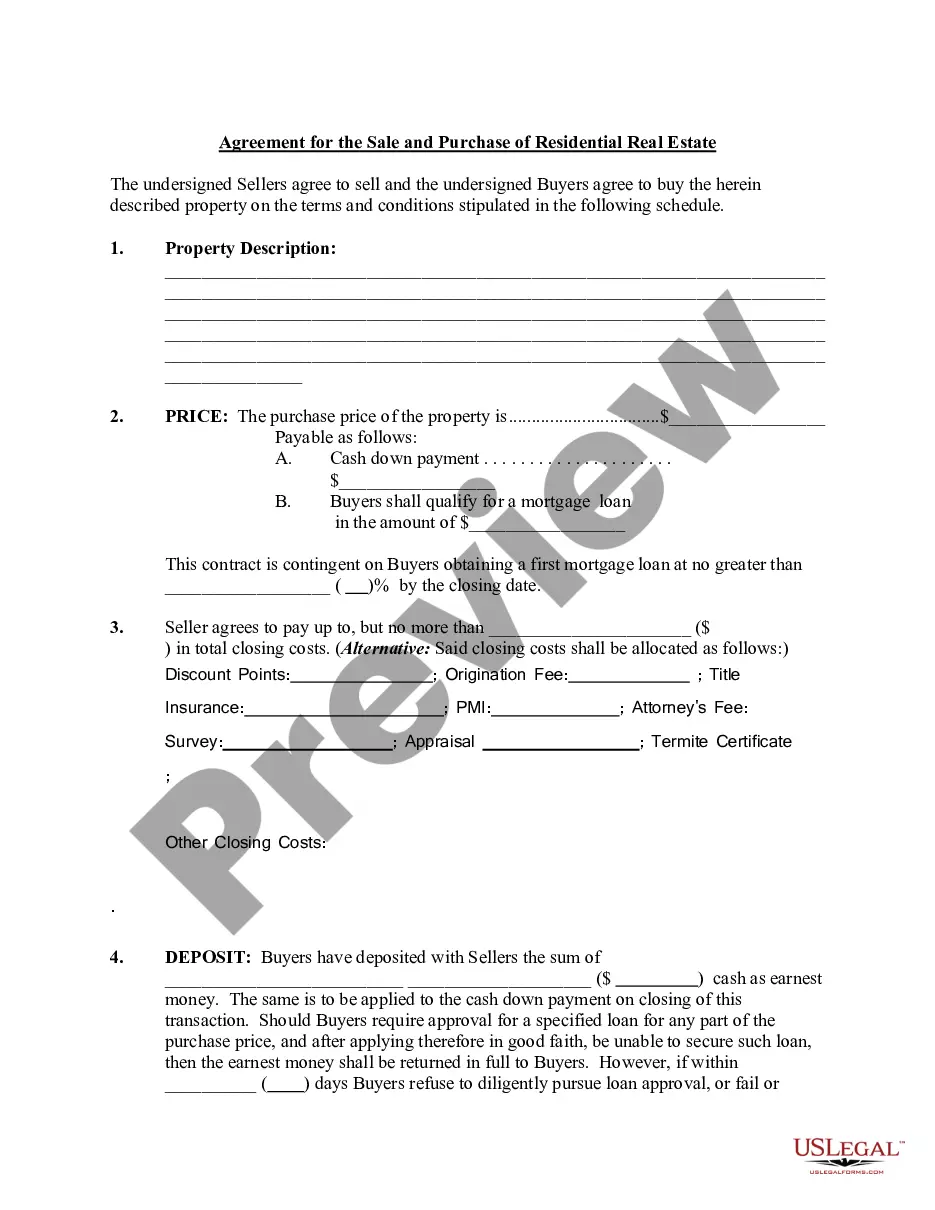
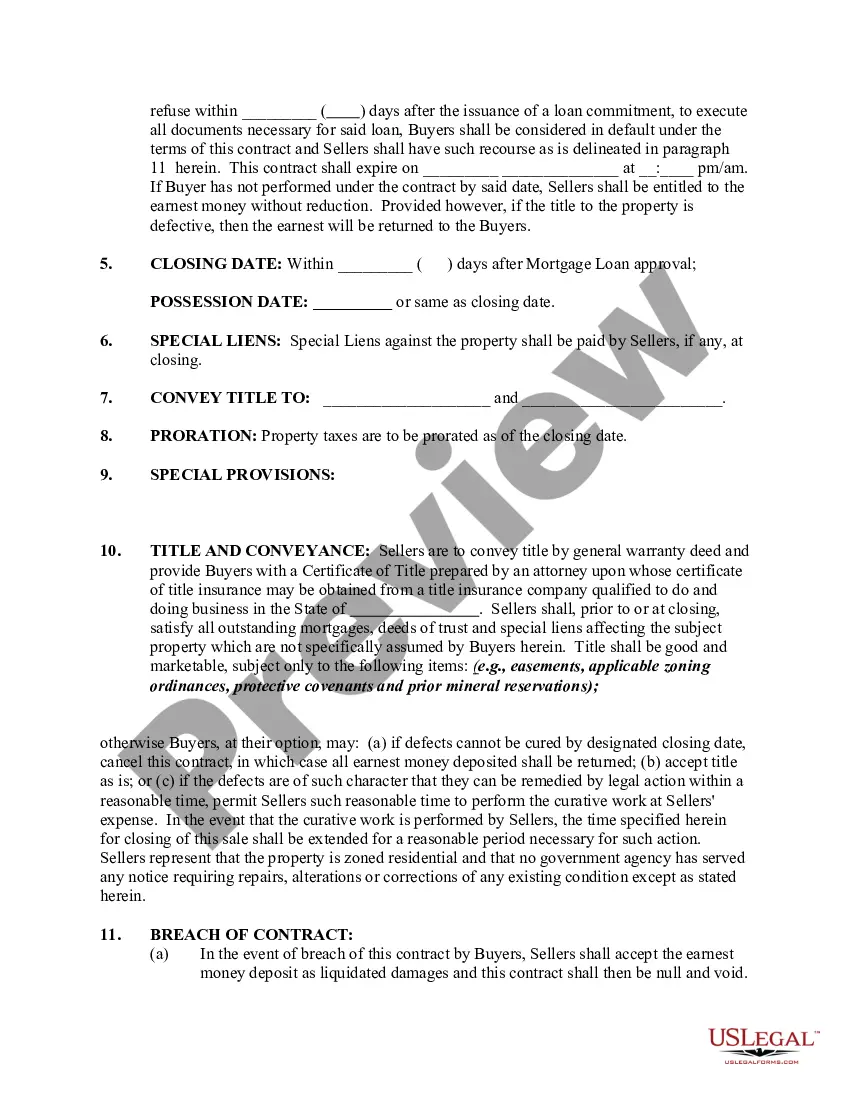
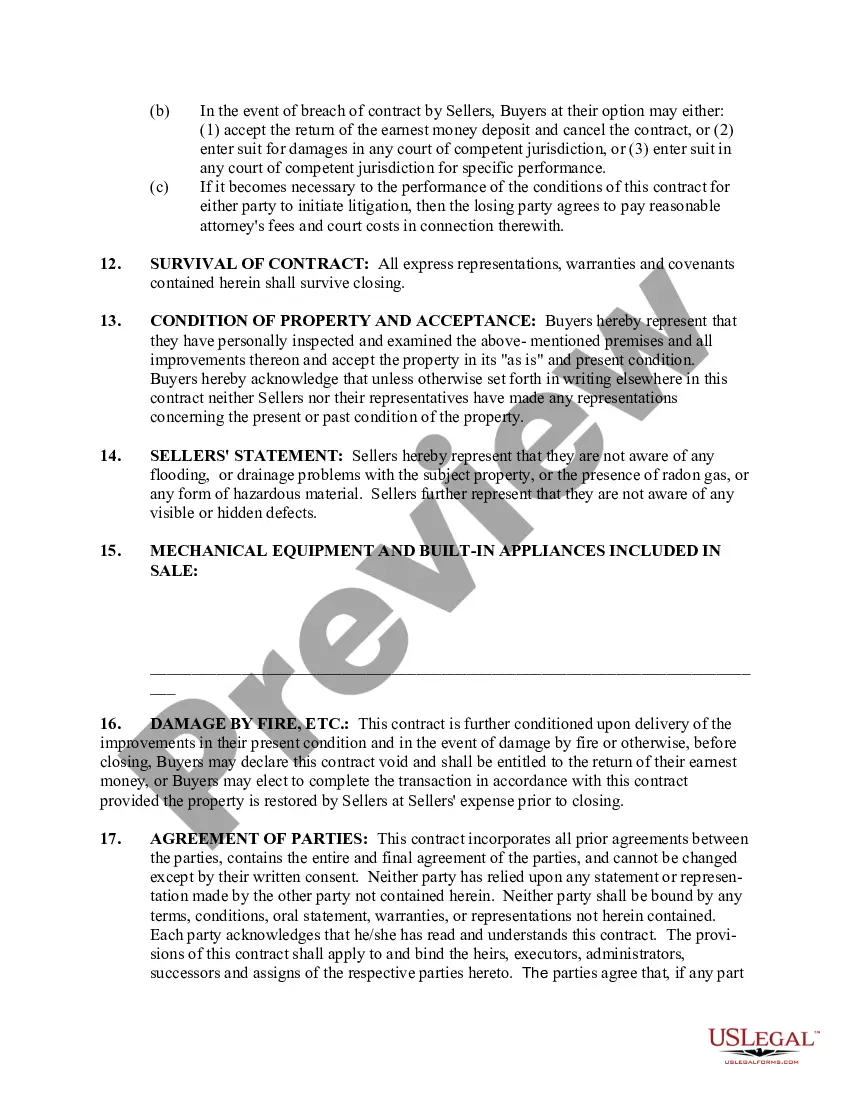
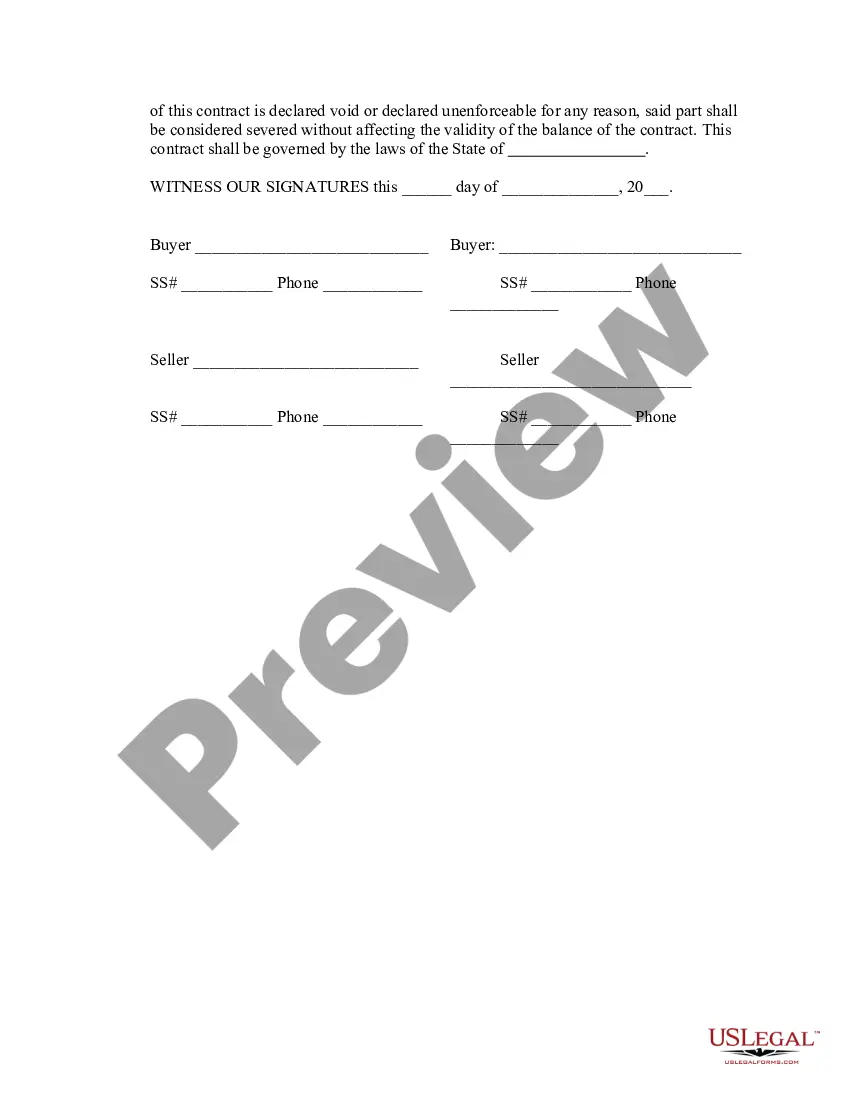
House For Sale By Owner Forms With Property In Michigan
Description
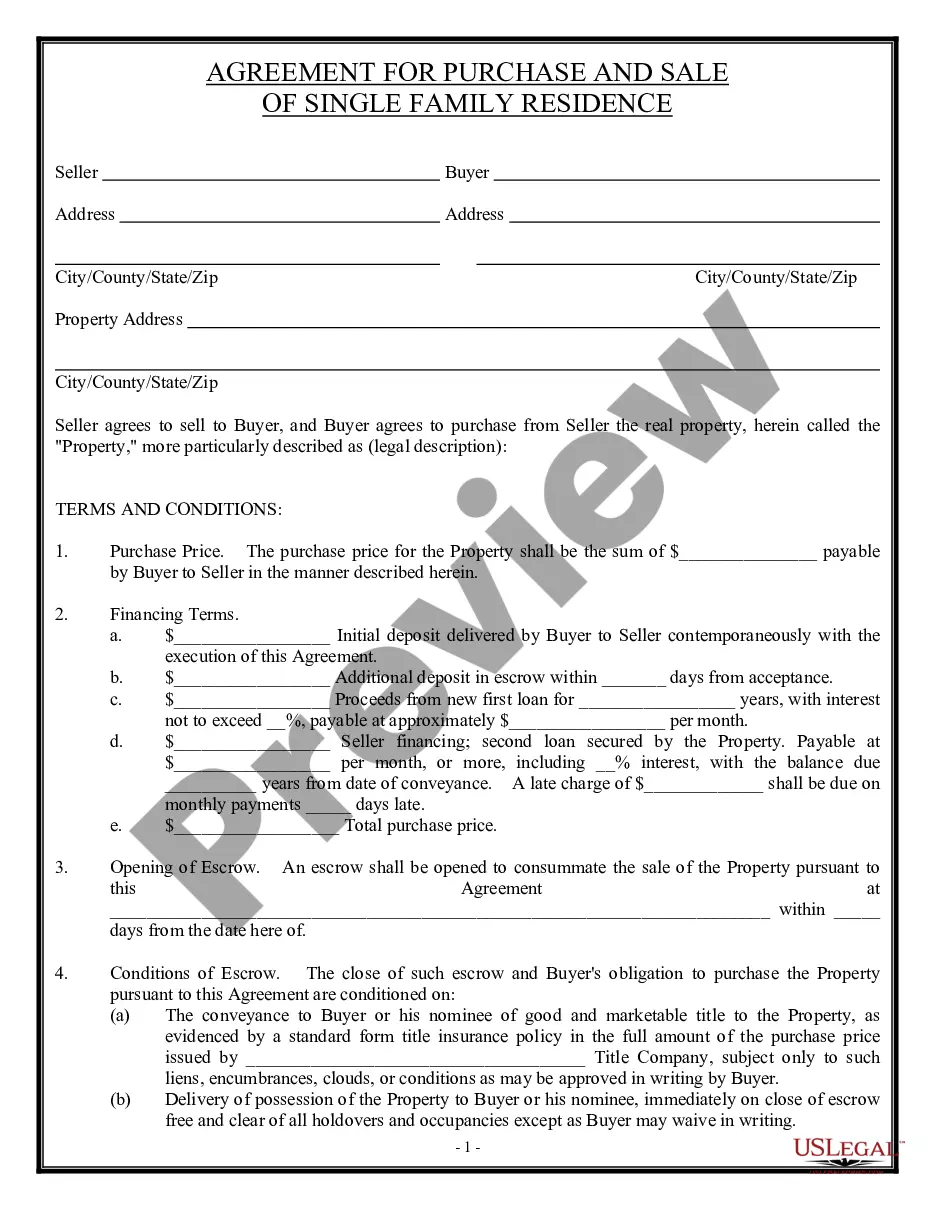
Get your form ready online
Our built-in tools help you complete, sign, share, and store your documents in one place.
Make edits, fill in missing information, and update formatting in US Legal Forms—just like you would in MS Word.
Download a copy, print it, send it by email, or mail it via USPS—whatever works best for your next step.
Sign and collect signatures with our SignNow integration. Send to multiple recipients, set reminders, and more. Go Premium to unlock E-Sign.
If this form requires notarization, complete it online through a secure video call—no need to meet a notary in person or wait for an appointment.
We protect your documents and personal data by following strict security and privacy standards.

Make edits, fill in missing information, and update formatting in US Legal Forms—just like you would in MS Word.

Download a copy, print it, send it by email, or mail it via USPS—whatever works best for your next step.

Sign and collect signatures with our SignNow integration. Send to multiple recipients, set reminders, and more. Go Premium to unlock E-Sign.

If this form requires notarization, complete it online through a secure video call—no need to meet a notary in person or wait for an appointment.

We protect your documents and personal data by following strict security and privacy standards.
Looking for another form?
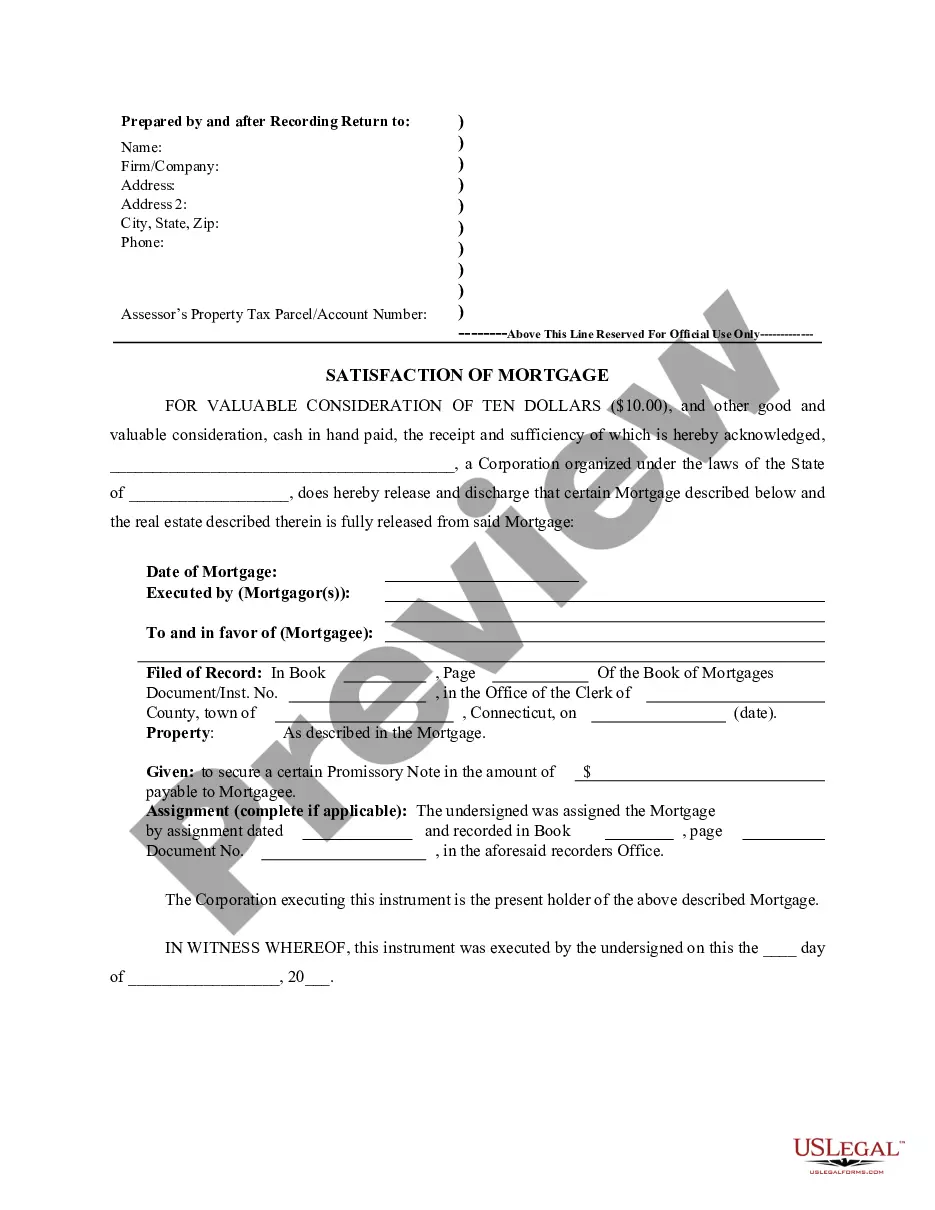
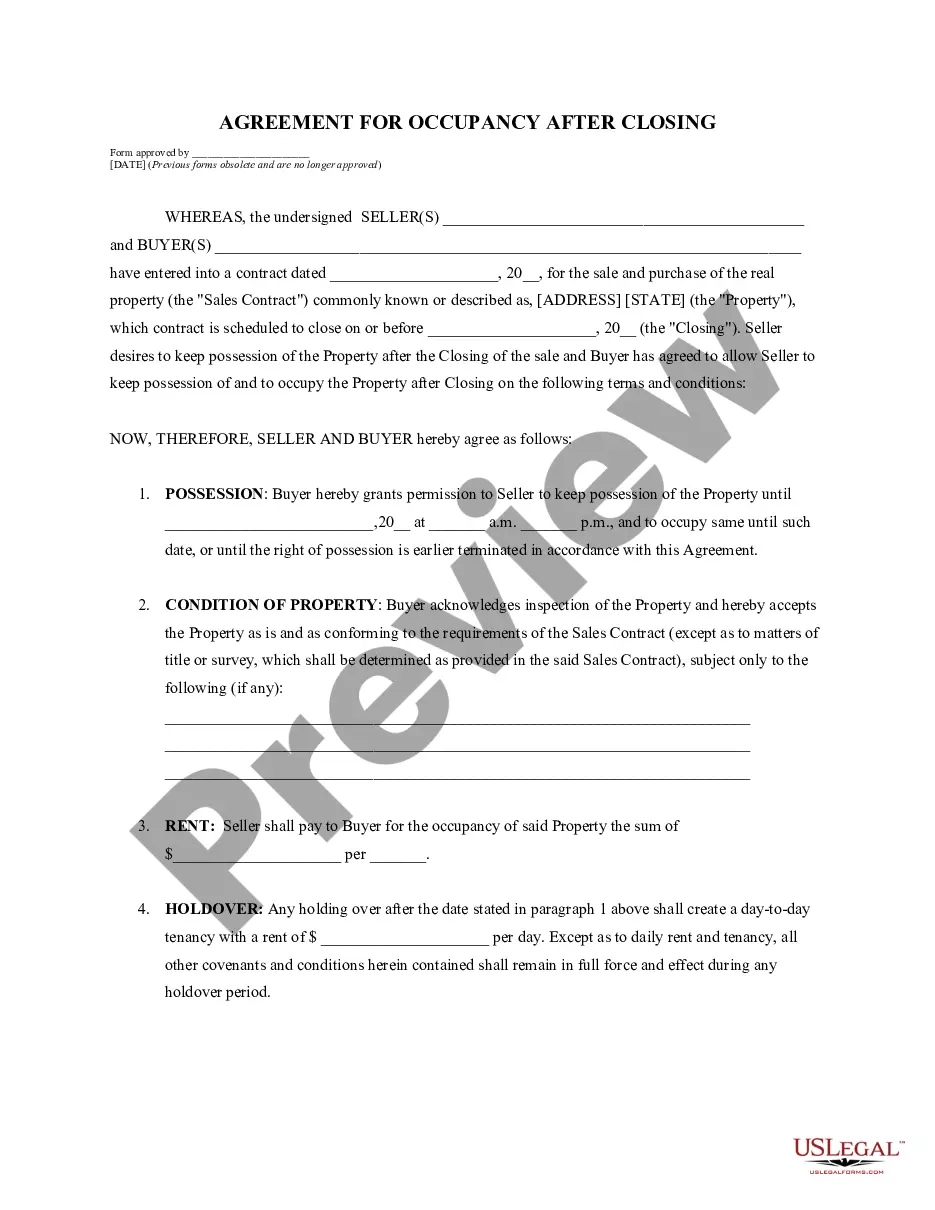
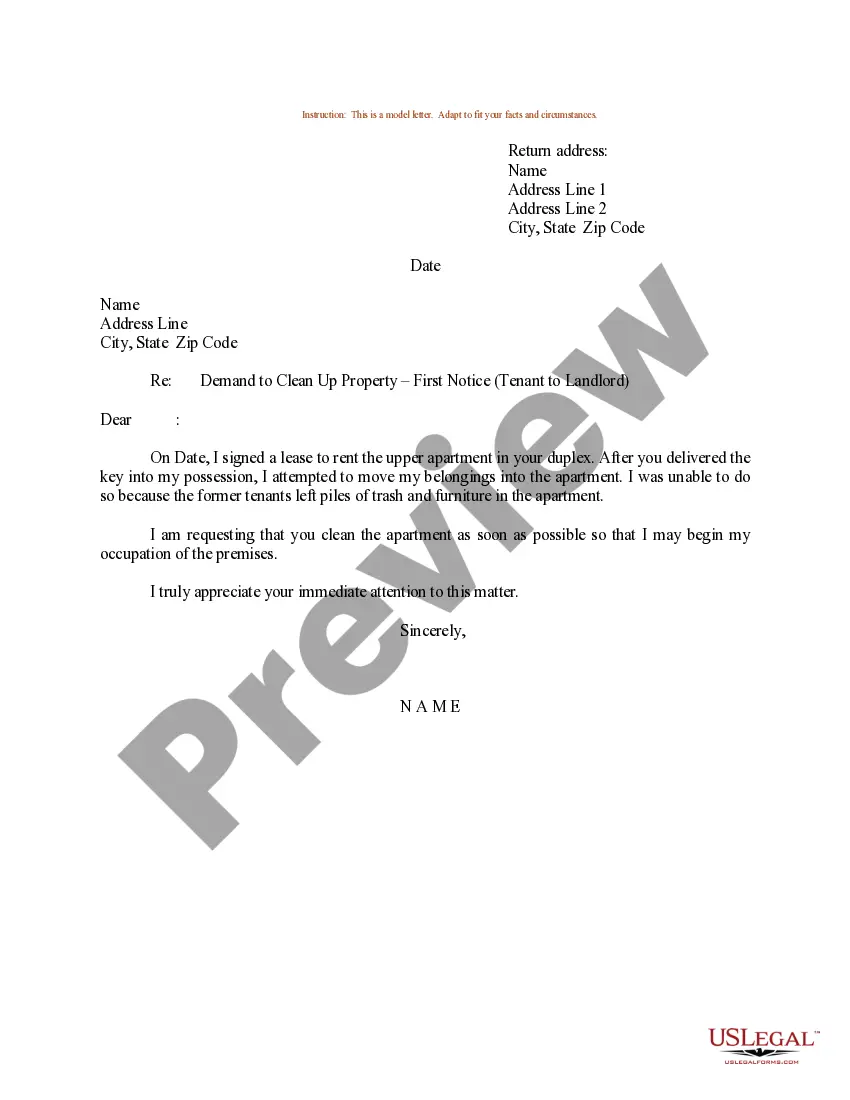
Form popularity
FAQ
Unlike some states, Michigan does not require that sellers involve a lawyer in the house-selling transaction. Even if it's not required, you might decide to engage a lawyer at some point in the process—for example, to review the final contract or to assist with closing details.
While you aren't required to hire an agent to buy a house, consider all the angles before deciding to go it alone.
In Michigan, a buyer and seller are not required to hire a real estate attorney.
Understanding Partition Lawsuits in Michigan: A partition lawsuit is a legal action used to resolve disputes between co-owners of real property. It seeks a court-ordered division or sale of the property to ensure each co-owner receives their fair share.
In short, to force the sale of jointly owned property, you must first confirm title, then attempt a voluntary sale or buyout, file and serve a partition lawsuit, get an appraisal, sell the property, and finally divide the sale proceeds fairly.
No owner can sell or transfer their interest in the property without the consent of the other joint tenants.
As joint tenants, two or more people share ownership of the property, each with an undivided equal interest. Unlike tenants in common, there is a right of survivorship for the other co-owners upon the death of another. This allows the property to be transferred outside of probate upon the death of a co-owner.
Sure; so for clarity, whether the property is co-owned or not, so long as YOU are on the deed, a lien is possible.