Closing Property Title For Married Couple In Miami-Dade
Description

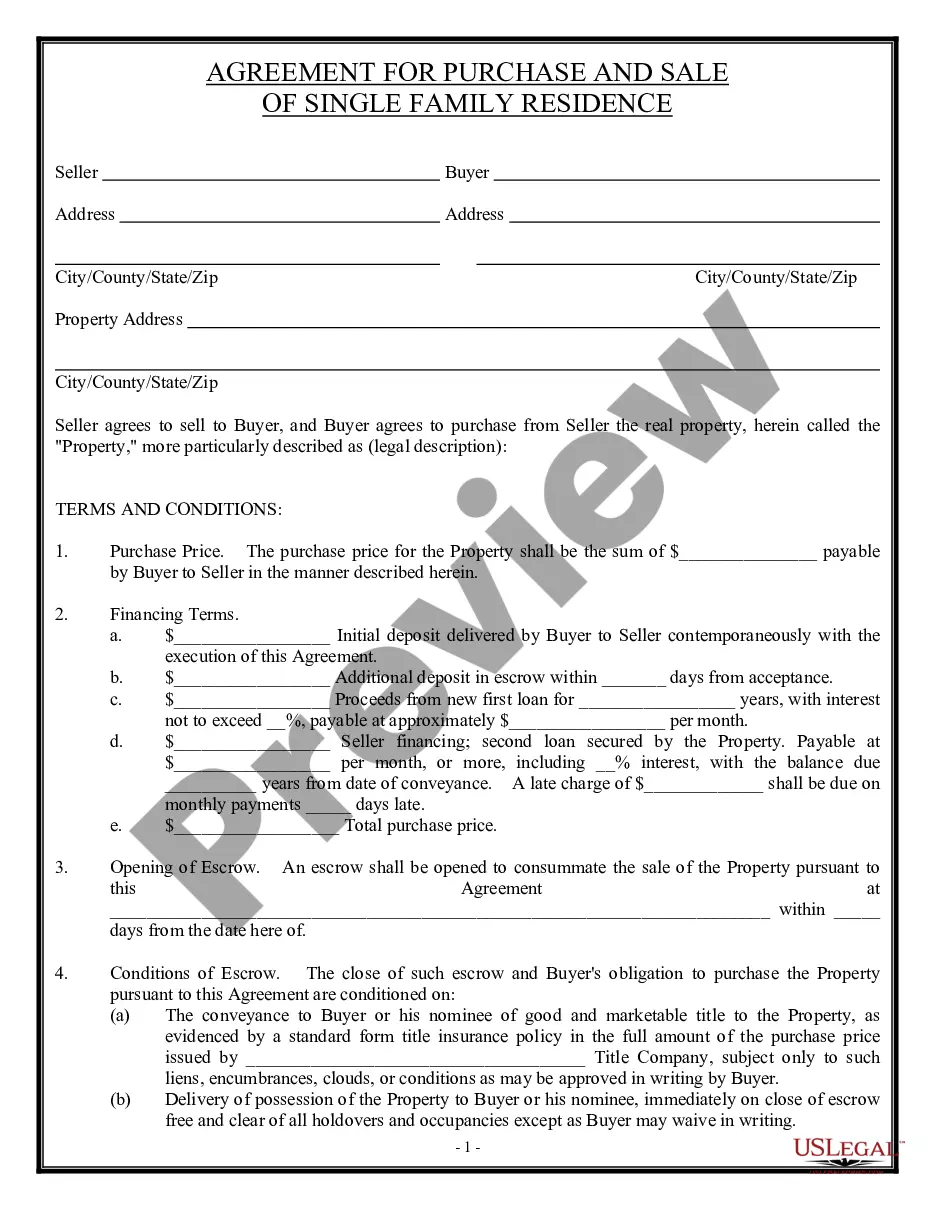
Get your form ready online
Our built-in tools help you complete, sign, share, and store your documents in one place.
Make edits, fill in missing information, and update formatting in US Legal Forms—just like you would in MS Word.
Download a copy, print it, send it by email, or mail it via USPS—whatever works best for your next step.
Sign and collect signatures with our SignNow integration. Send to multiple recipients, set reminders, and more. Go Premium to unlock E-Sign.
If this form requires notarization, complete it online through a secure video call—no need to meet a notary in person or wait for an appointment.
We protect your documents and personal data by following strict security and privacy standards.

Make edits, fill in missing information, and update formatting in US Legal Forms—just like you would in MS Word.

Download a copy, print it, send it by email, or mail it via USPS—whatever works best for your next step.

Sign and collect signatures with our SignNow integration. Send to multiple recipients, set reminders, and more. Go Premium to unlock E-Sign.

If this form requires notarization, complete it online through a secure video call—no need to meet a notary in person or wait for an appointment.

We protect your documents and personal data by following strict security and privacy standards.
Looking for another form?






Form popularity
FAQ
Utilizing a revocable trust is the best way for a married couple to take title. Titling property in your trust avoids probate upon the death of both the initial and surviving spouses and preserves the capital gains step up for the entire property on the first death.
Typically, when married couples are listed under the real estate title as “husband and wife” a tenancy by the entireties is presumed. At the death of one spouse, the real estate interest passes automatically to the surviving spouse by operation of law similarly to the joint tenancy with right of survivorship.
Generally, both spouses should be titled in the deed of the family's primary residence (homestead), a second home, or even a vacation home. Different forms of joint ownership permit couples to hold the title of property in Florida, including tenancy by the entirety.
For instance, if you're married, the most common way to title your home is Tenancy by the Entirety (TBE). That endows survivorship rights, some creditor protection, and allows for transfers only with the consent of both spouses.
Joint Tenancy Definition Common Use: This form of ownership is popular among married couples or family members, as it ensures that the property passes to the surviving owner(s) without the need for probate. Legal Implications: In Joint Tenancy, each owner has an undivided interest in the entire property.
Typically, matrimonial assets include the family home, pensions and savings. If an asset is non-matrimonial it means that is has been brought into the marriage by one spouse only.
Tenancy by the entirety refers to a form of shared property ownership that is usually reserved only for married couples. A tenancy by the entirety permits spouses to jointly own property as a single legal entity. This means that each spouse has an equal and undivided interest in the property.
Tenancy by the entirety is a type of property ownership that only applies to married couples. The couple is treated as a single legal entity and mutually co-owns the property.
