Closing Any Property Without Permission In Massachusetts
Description

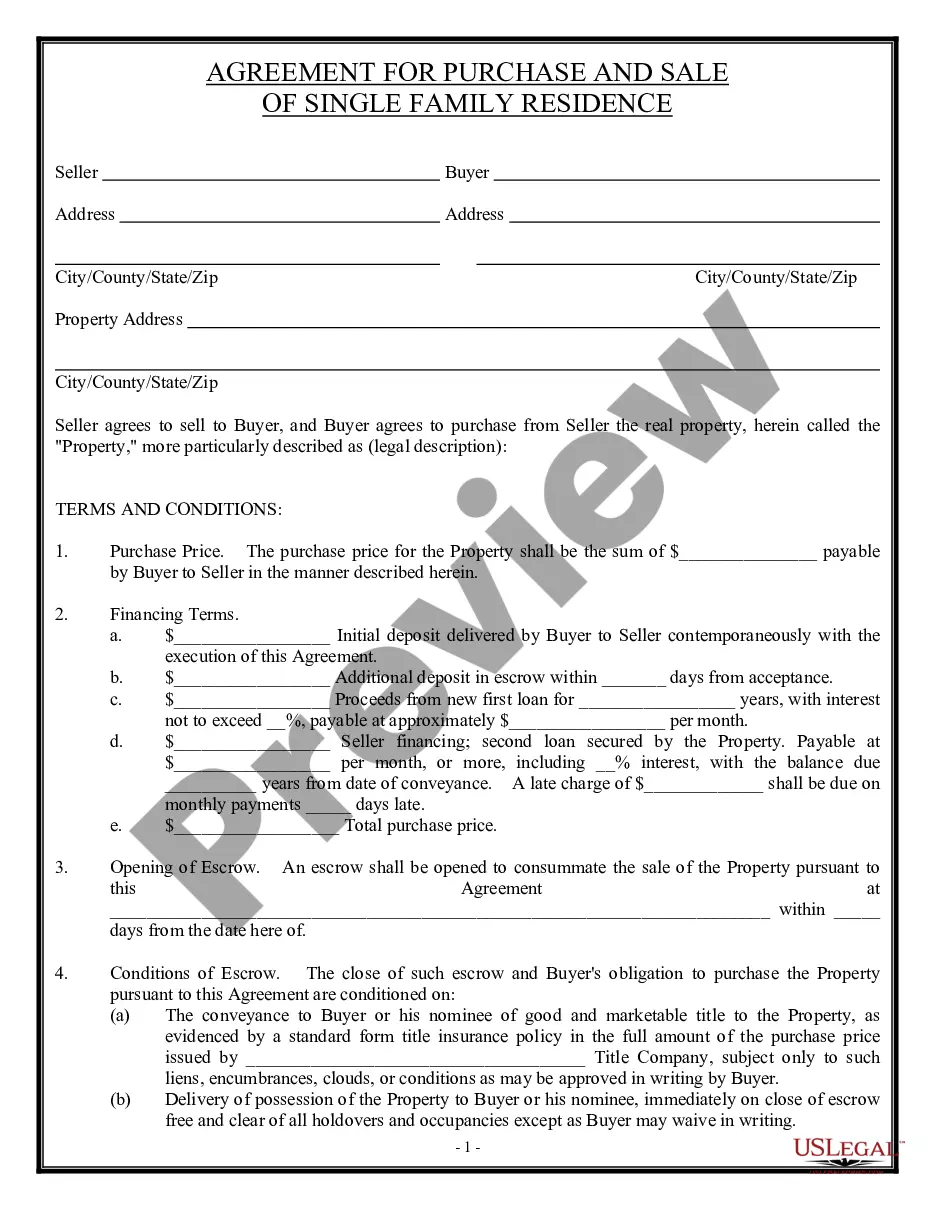
Get your form ready online
Our built-in tools help you complete, sign, share, and store your documents in one place.
Make edits, fill in missing information, and update formatting in US Legal Forms—just like you would in MS Word.
Download a copy, print it, send it by email, or mail it via USPS—whatever works best for your next step.
Sign and collect signatures with our SignNow integration. Send to multiple recipients, set reminders, and more. Go Premium to unlock E-Sign.
If this form requires notarization, complete it online through a secure video call—no need to meet a notary in person or wait for an appointment.
We protect your documents and personal data by following strict security and privacy standards.

Make edits, fill in missing information, and update formatting in US Legal Forms—just like you would in MS Word.

Download a copy, print it, send it by email, or mail it via USPS—whatever works best for your next step.

Sign and collect signatures with our SignNow integration. Send to multiple recipients, set reminders, and more. Go Premium to unlock E-Sign.

If this form requires notarization, complete it online through a secure video call—no need to meet a notary in person or wait for an appointment.

We protect your documents and personal data by following strict security and privacy standards.
Looking for another form?




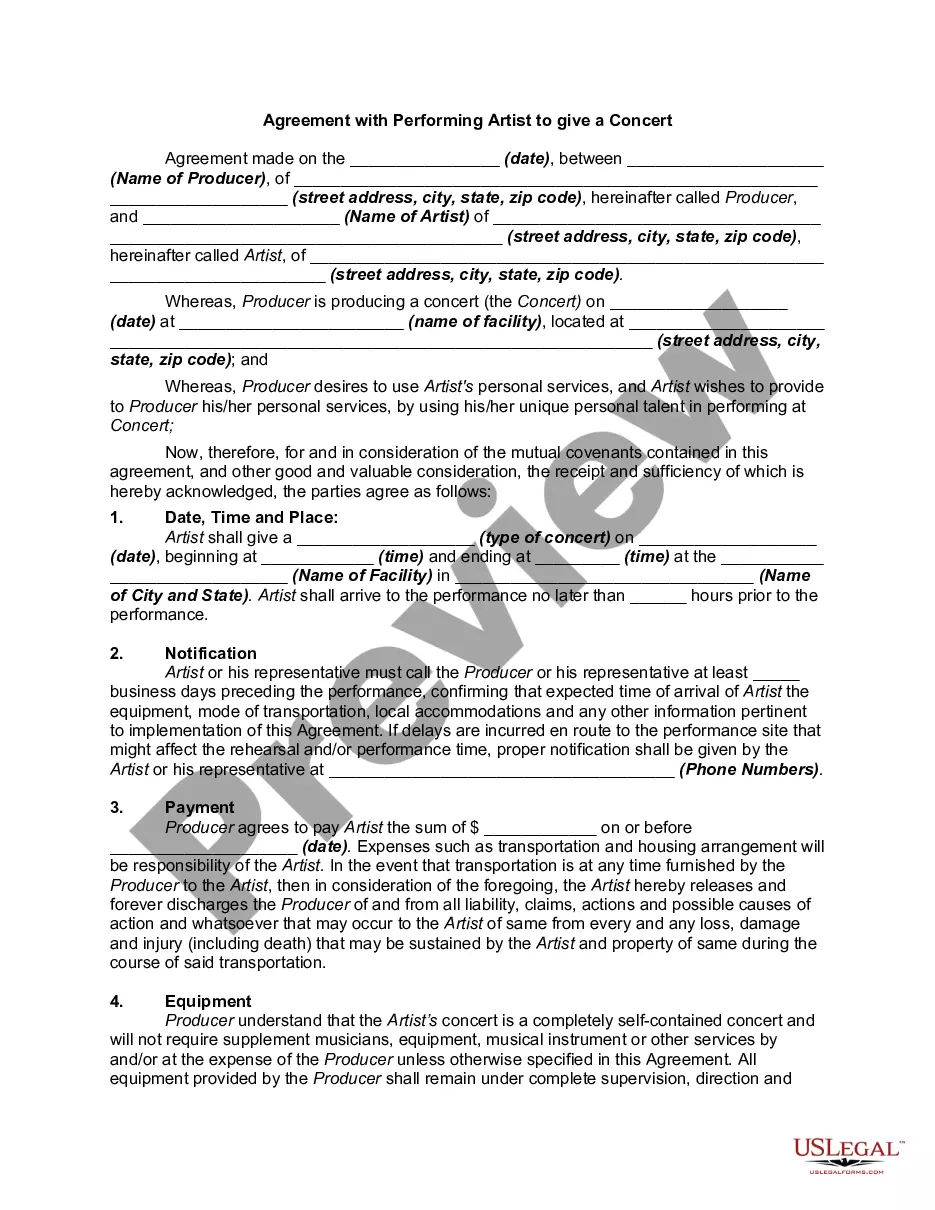





Form popularity
FAQ
States that require attorney involvement or where attorney involvement is customary: Connecticut, Delaware, Georgia, Massachusetts, South Carolina, Vermont and West Virginia.
Massachusetts: In Massachusetts, the involvement of a closing attorney is commonly required for real estate closings. The attorney represents the buyer or the lender, conducts a title examination, prepares legal documents, and ensures compliance with state laws.
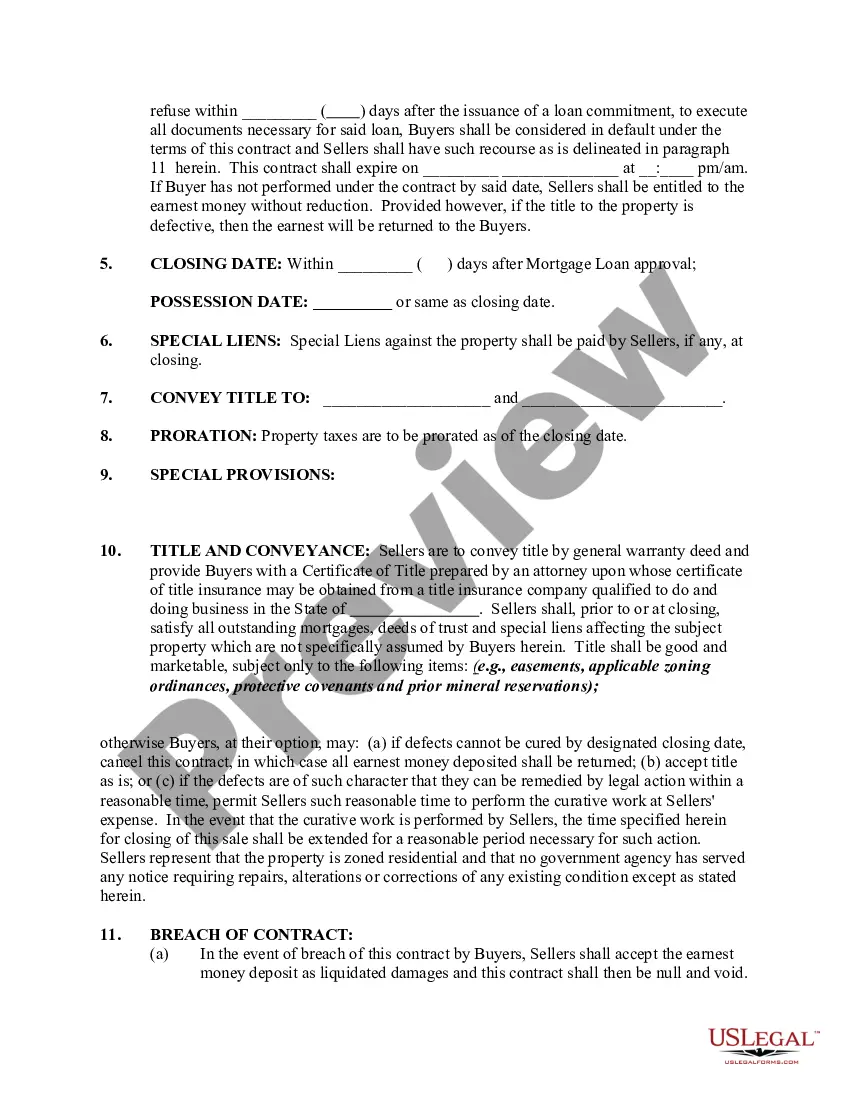
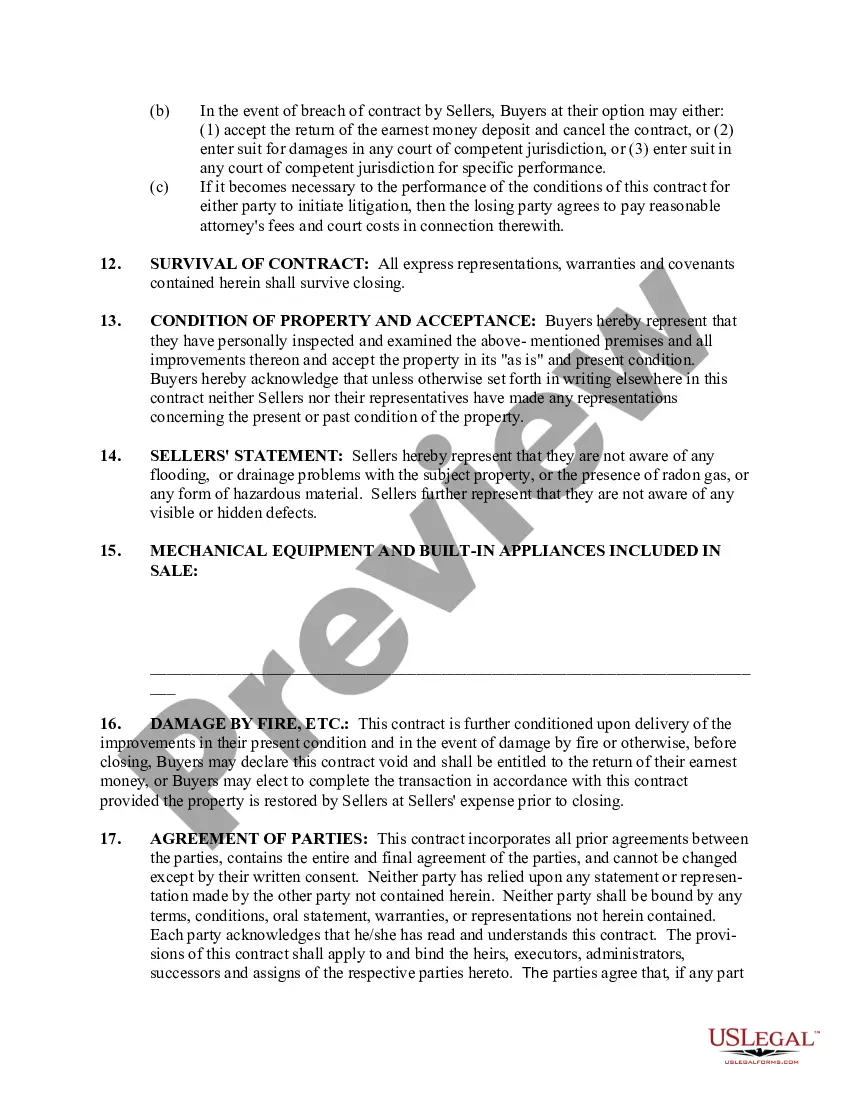
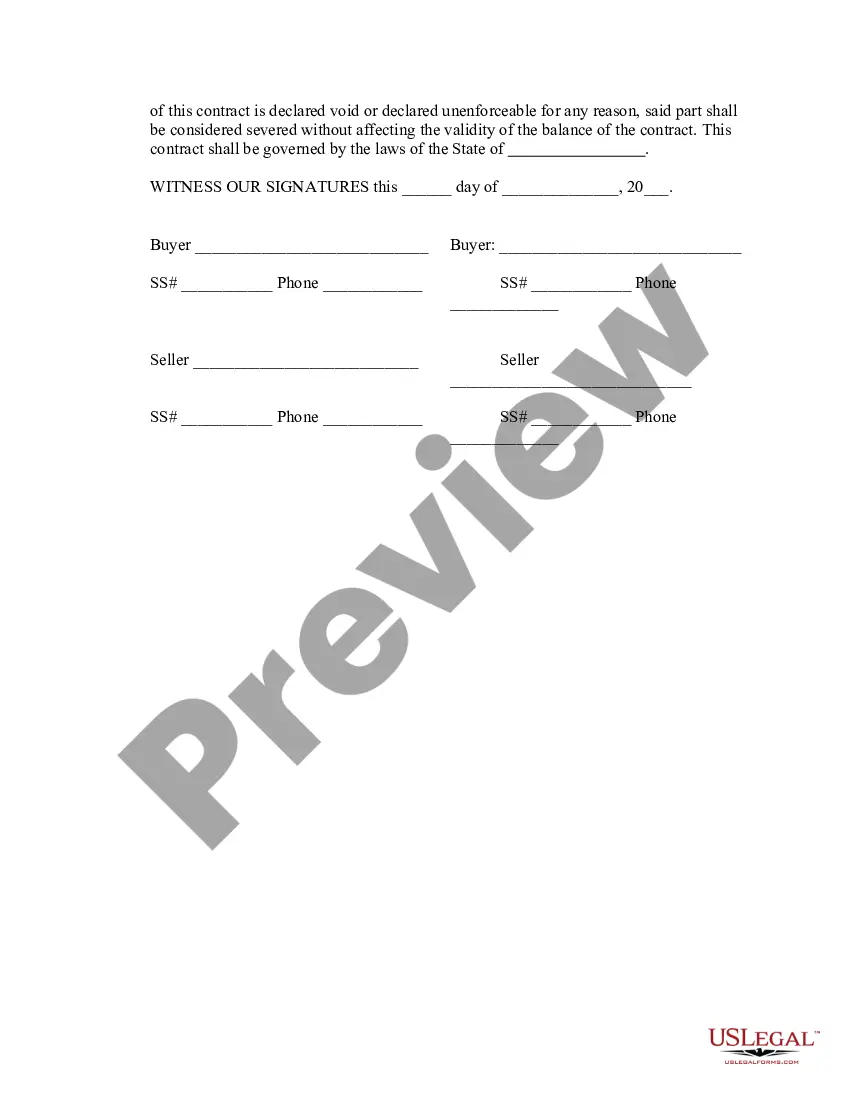
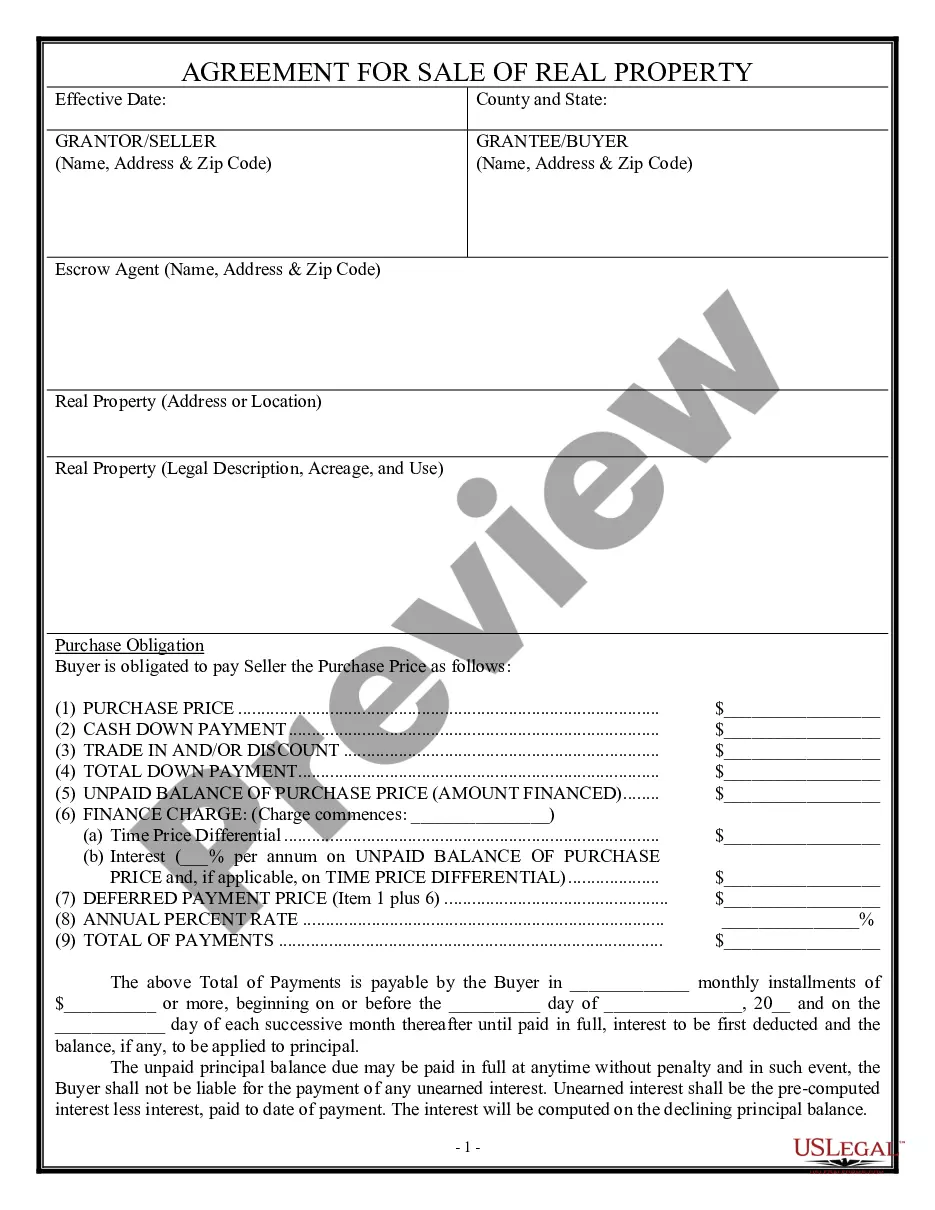
Negotiations can become heated, titles can be disputed and contracts can be broken. In fact, in an attempt to protect home buyers and sellers alike from these and other issues, the state of Massachusetts requires the presence of an attorney at real estate closings.
The right to enter the apartment A landlord may generally enter the apartment at reasonable times and upon reasonable notice for these reasons: To show the apartment to prospective tenants, purchasers, lenders or their agents. To inspect the premises. To make repairs.
Under the law, a formal notice must be communicated, either by posting a no trespassing sign on the property, or otherwise by direct notification. Trespassing on public property such as state land or state controlled institutions has a penalty of up to 3 months in prison. See MGL Ch266, Sec 123.
Generally, a landlord cannot take possession of the rental property, physically remove the tenant or their personal property, or change the locks without going through a court. Depending on the reason for eviction, a landlord must provide the tenant either a 14-Day or 30-day Notice to Quit.
Landlord harassment in Massachusetts refers to any behavior by a landlord that interferes with a tenant's peaceful enjoyment of their rental property. This includes the following actions, among others: Unauthorized entry into the rental property without prior notification or consent.
''Harassment'', (i) 3 or more acts of willful and malicious conduct aimed at a specific person committed with the intent to cause fear, intimidation, abuse or damage to property and that does in fact cause fear, intimidation, abuse or damage to property; or (ii) an act that: (A) by force, threat or duress causes ...
If the landlord tries to raise the rent, terminate or otherwise change your tenancy within six months of when you contact the Board of Health, join a tenants' organization, or exercise other legal rights, the landlord's action will be considered retaliation against you, unless the landlord can prove otherwise.
