Sell Closure Property Formula In Maryland
Description

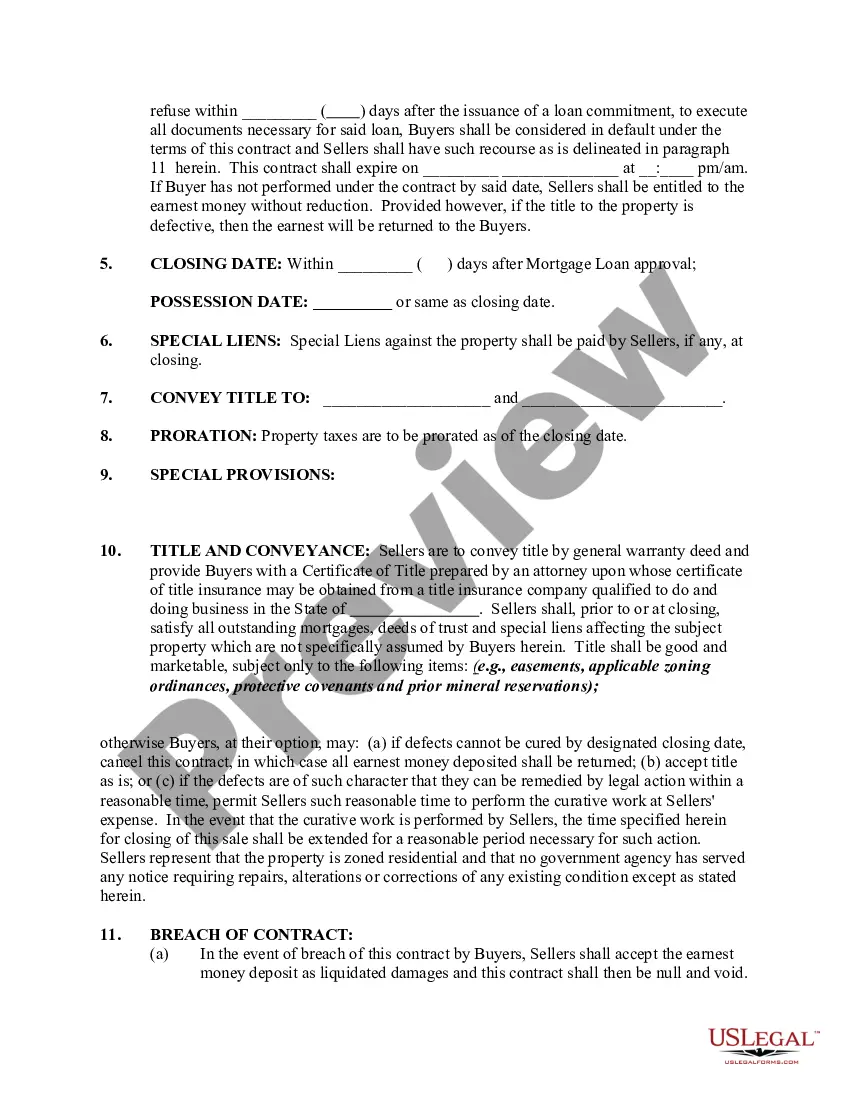
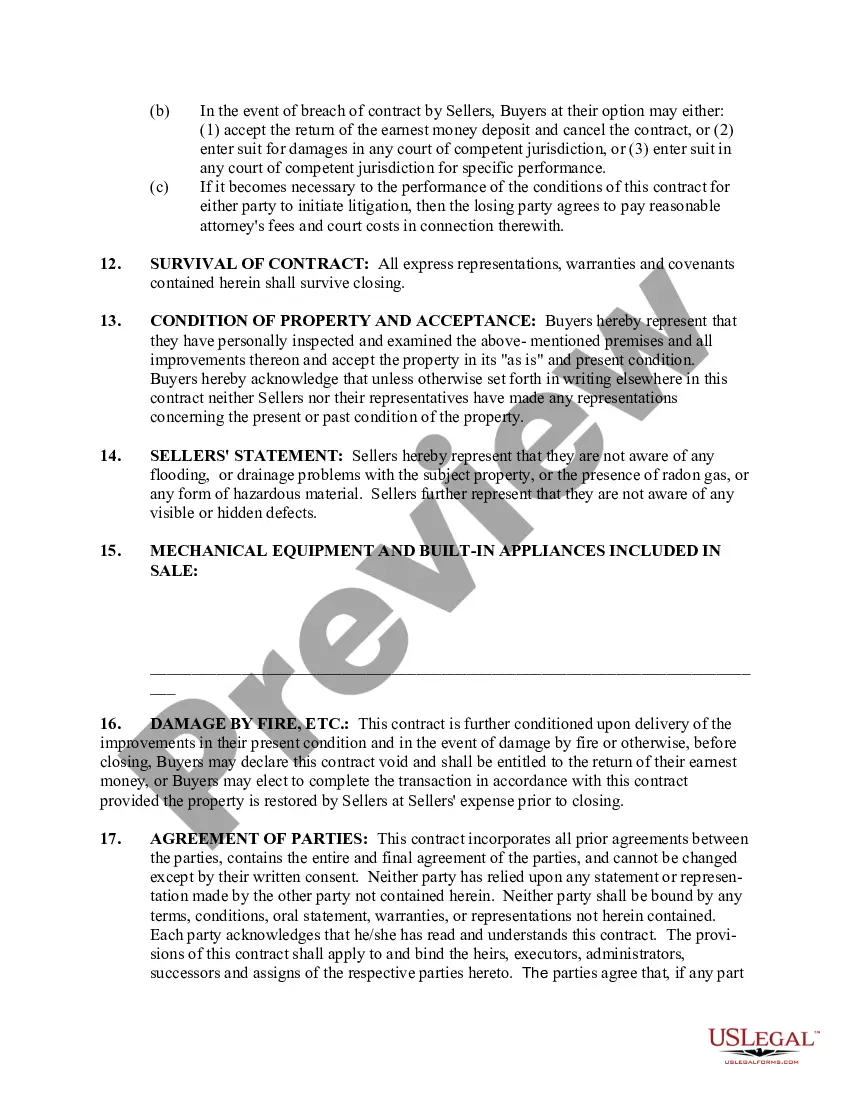
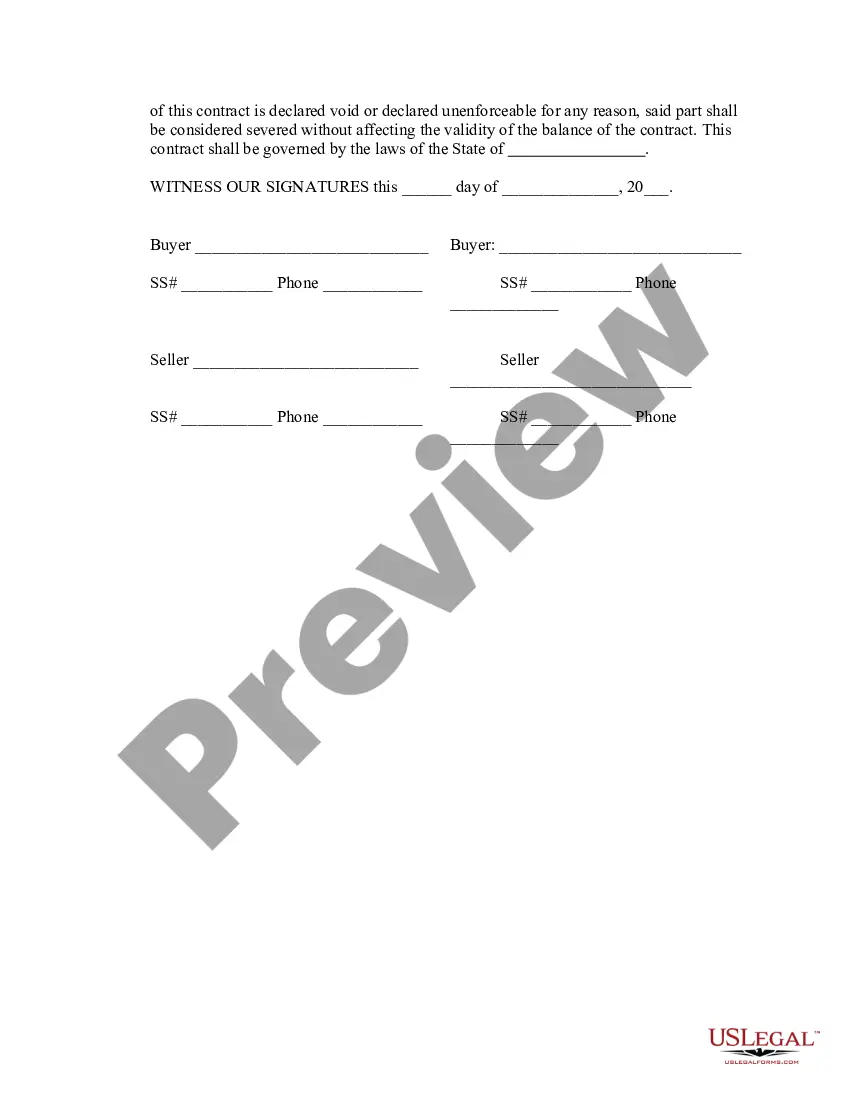
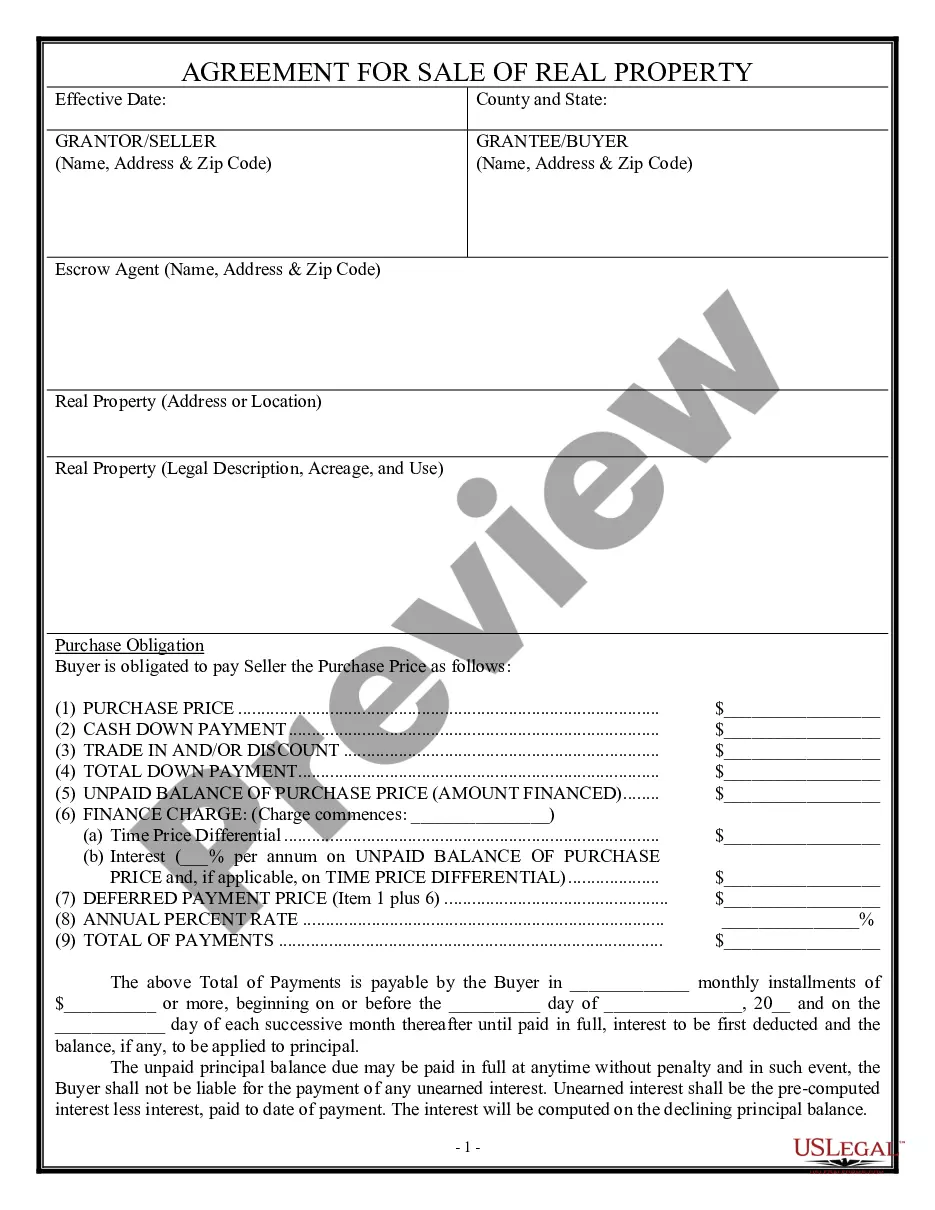
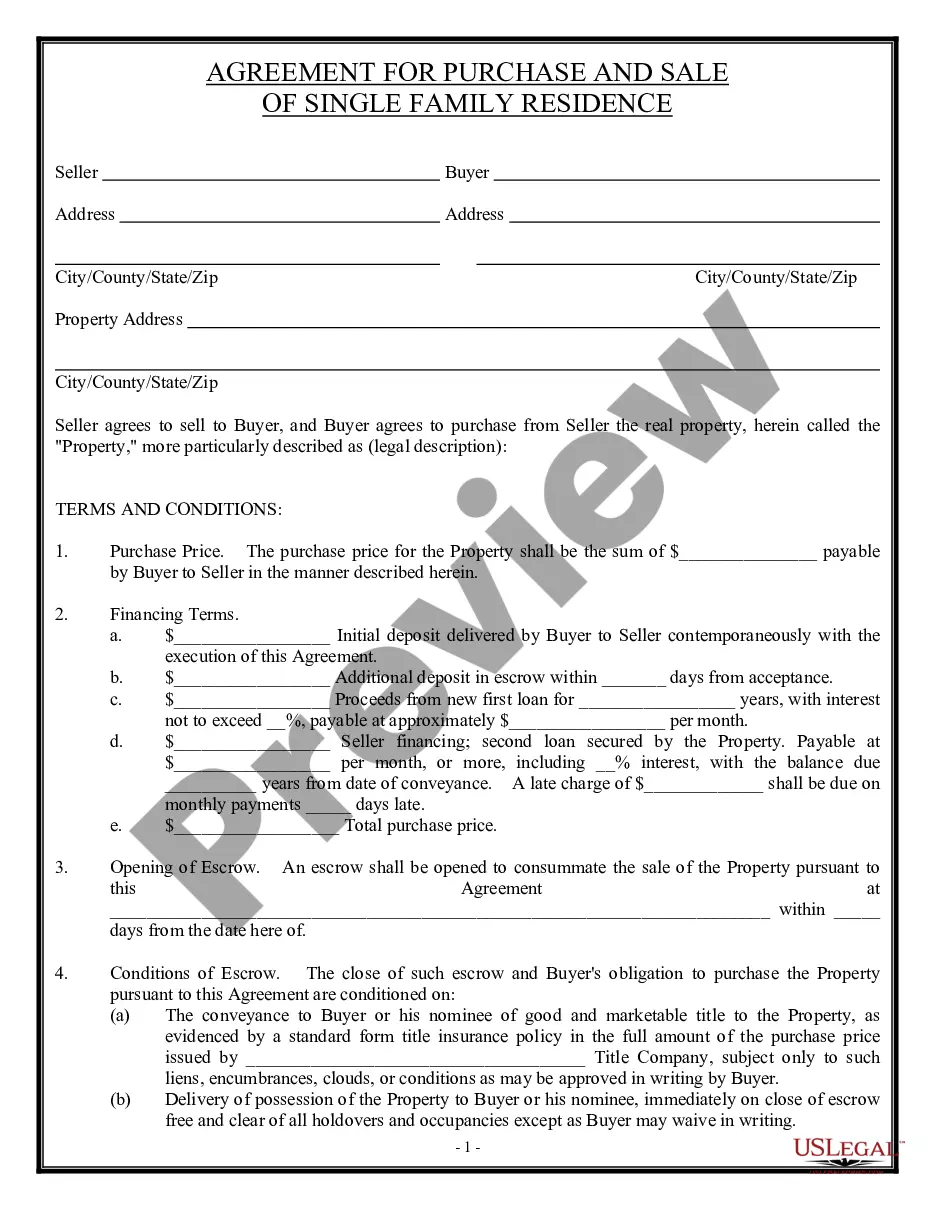
Get your form ready online
Our built-in tools help you complete, sign, share, and store your documents in one place.
Make edits, fill in missing information, and update formatting in US Legal Forms—just like you would in MS Word.
Download a copy, print it, send it by email, or mail it via USPS—whatever works best for your next step.
Sign and collect signatures with our SignNow integration. Send to multiple recipients, set reminders, and more. Go Premium to unlock E-Sign.
If this form requires notarization, complete it online through a secure video call—no need to meet a notary in person or wait for an appointment.
We protect your documents and personal data by following strict security and privacy standards.

Make edits, fill in missing information, and update formatting in US Legal Forms—just like you would in MS Word.

Download a copy, print it, send it by email, or mail it via USPS—whatever works best for your next step.

Sign and collect signatures with our SignNow integration. Send to multiple recipients, set reminders, and more. Go Premium to unlock E-Sign.

If this form requires notarization, complete it online through a secure video call—no need to meet a notary in person or wait for an appointment.

We protect your documents and personal data by following strict security and privacy standards.
Looking for another form?







Form popularity
FAQ
Property taxes vary depending on where you live in Maryland, with an average property tax rate in 2021 of 1.05 percent of a home's assessed value, ing to the Tax Foundation. The state levies a 6 percent sales tax statewide, and there are no local sales taxes.
Maryland is somewhat unique in that sellers can choose between either giving the buyer a disclosure of known defects or a disclaimer as to the condition of the house (but not both). In the latter case, you would be selling the property "as is," but must at least mention any known latent defects.
You must have lived in that property for two of the past five years, filing Maryland resident returns from that address, and your capital gain must be under $250,000 if a single individual selling the property, or $500,000 if a married couple.
In Maryland, the redemption period typically lasts six months from the date of the tax sale, but it can vary depending on county regulations and other factors. During this period, the property owner has the right to “redeem” their property by settling the outstanding tax lien.
In 2003, the General Assembly enacted Section 10-912 of the Tax-General Article, Annotated Code of Maryland, which provides for income tax withholding on sales or transfers of real property and associated tangible personal property in Maryland by nonresident individuals and nonresident entities.
