Sell Closing Property Without Consent In Maryland
Description

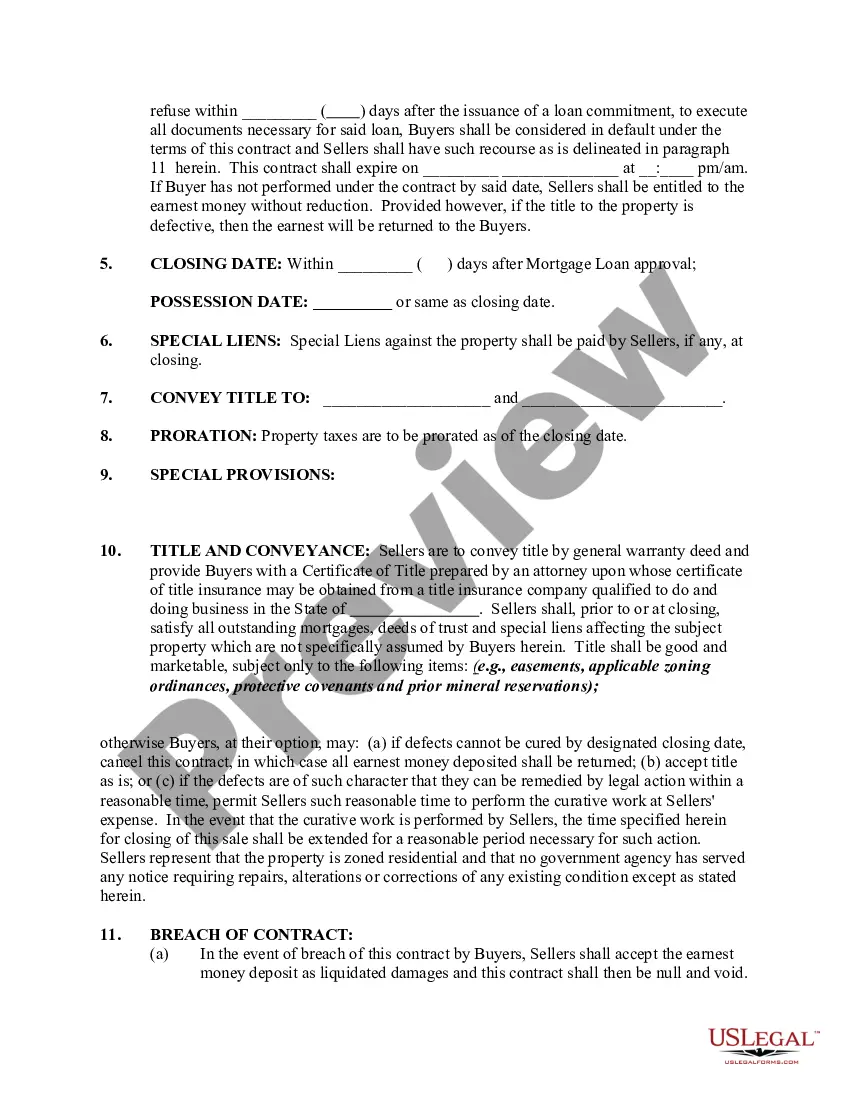
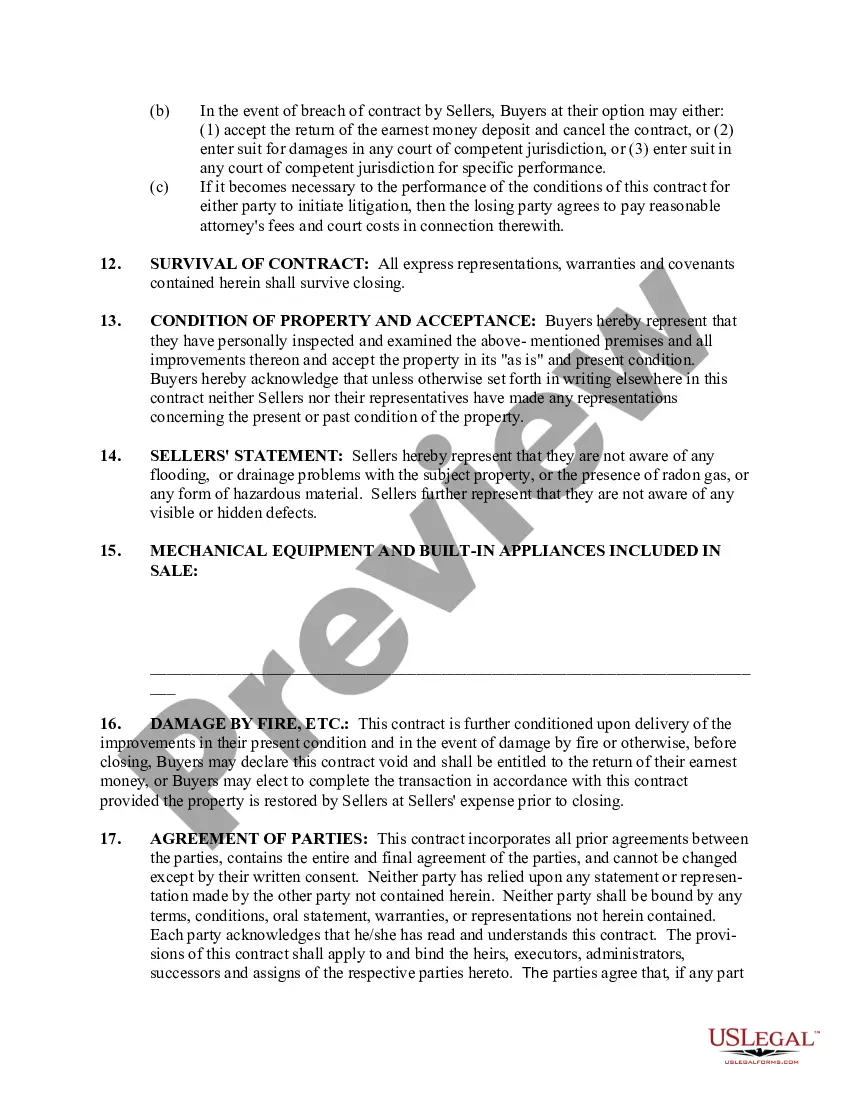
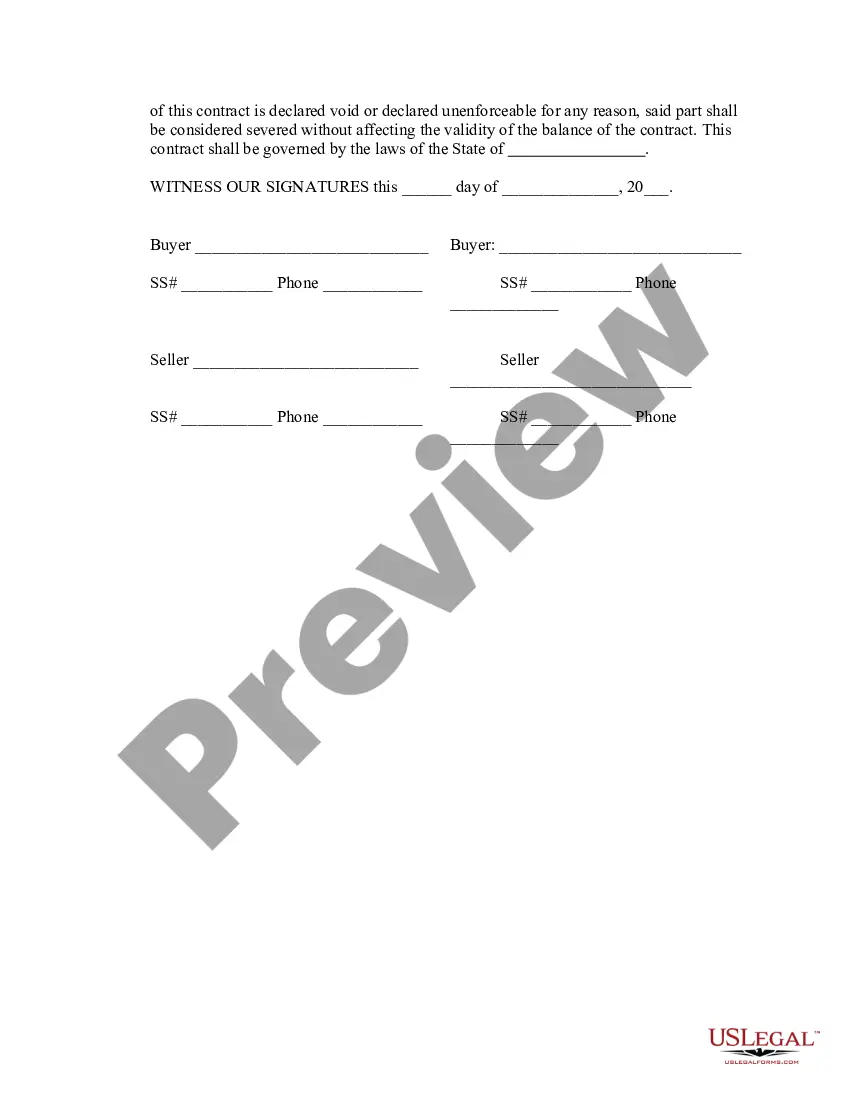
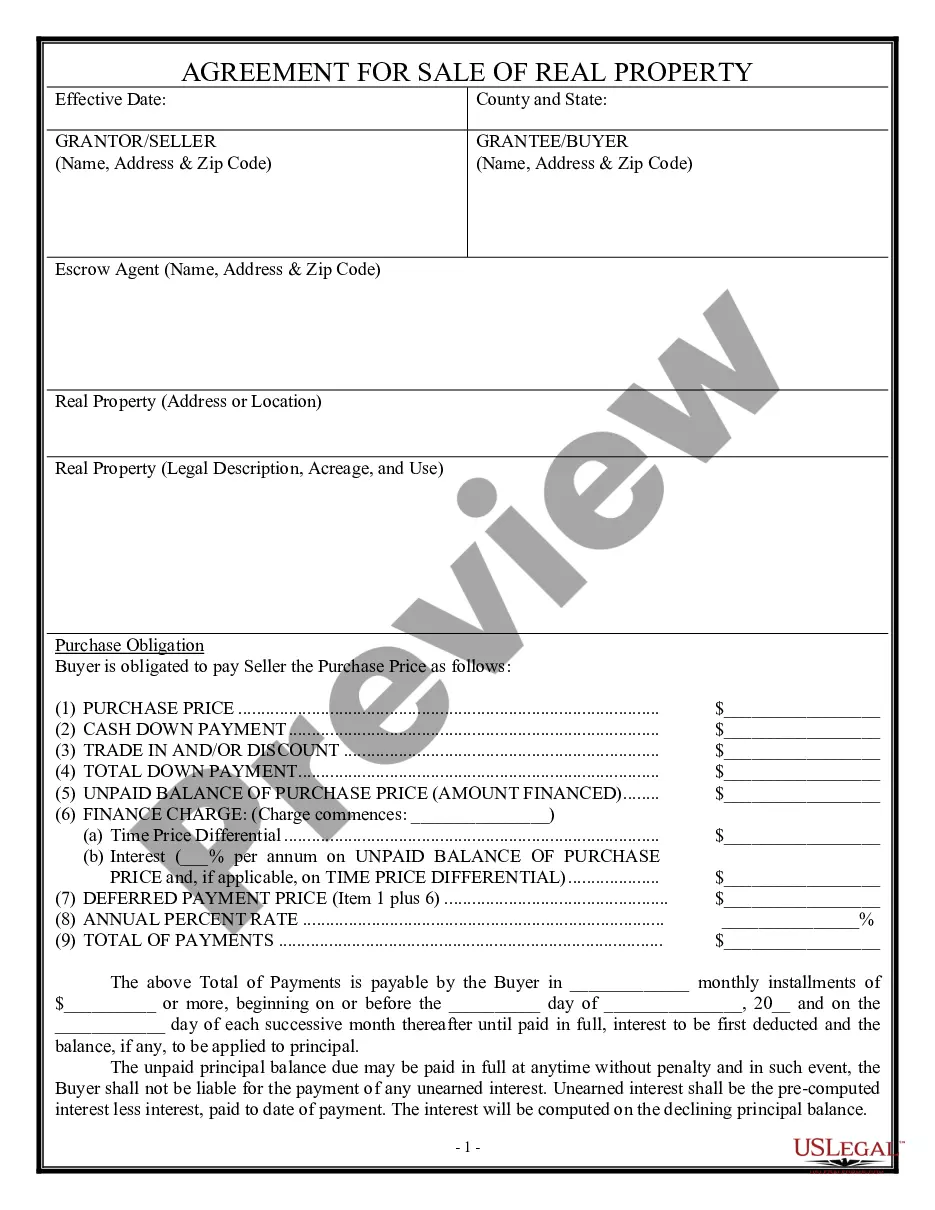
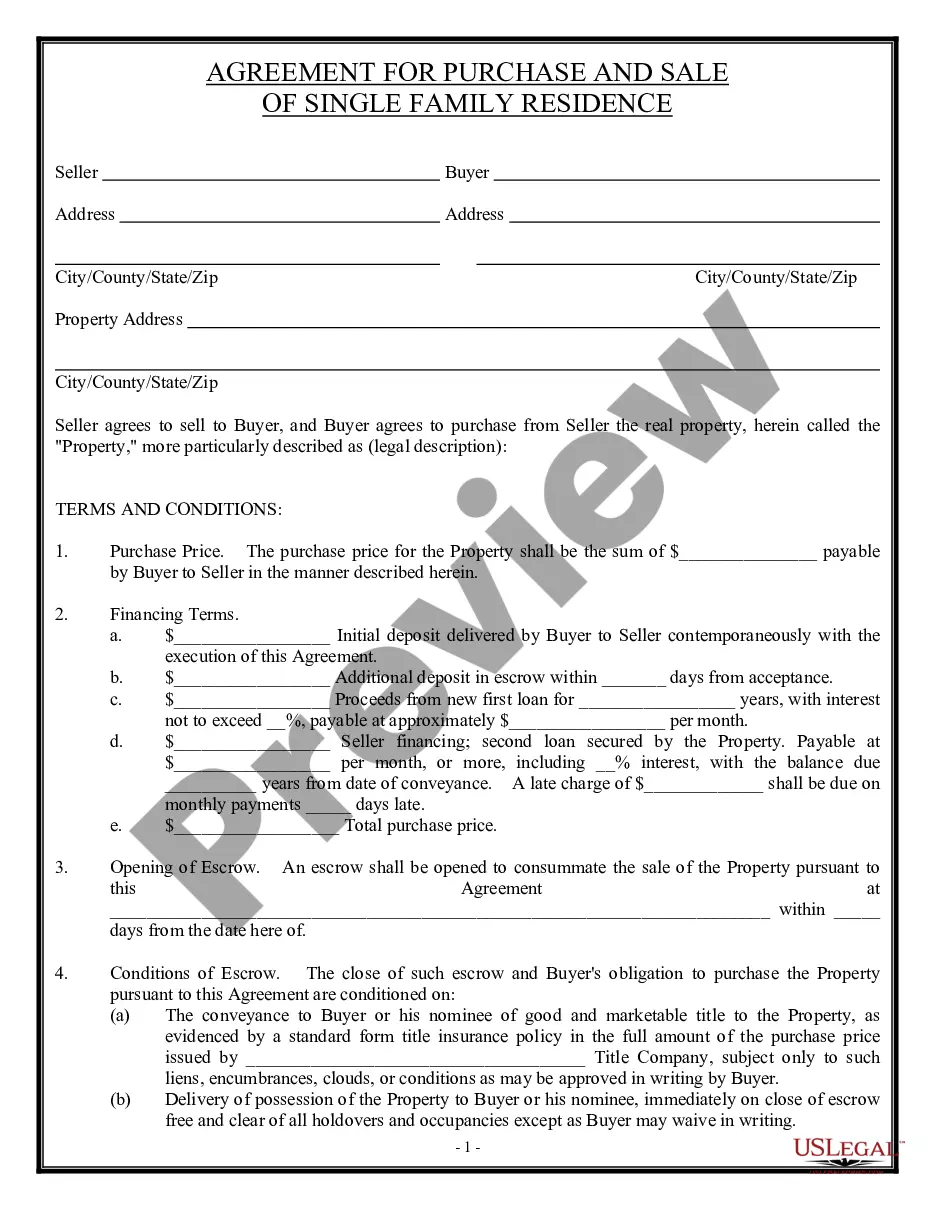
Get your form ready online
Our built-in tools help you complete, sign, share, and store your documents in one place.
Make edits, fill in missing information, and update formatting in US Legal Forms—just like you would in MS Word.
Download a copy, print it, send it by email, or mail it via USPS—whatever works best for your next step.
Sign and collect signatures with our SignNow integration. Send to multiple recipients, set reminders, and more. Go Premium to unlock E-Sign.
If this form requires notarization, complete it online through a secure video call—no need to meet a notary in person or wait for an appointment.
We protect your documents and personal data by following strict security and privacy standards.

Make edits, fill in missing information, and update formatting in US Legal Forms—just like you would in MS Word.

Download a copy, print it, send it by email, or mail it via USPS—whatever works best for your next step.

Sign and collect signatures with our SignNow integration. Send to multiple recipients, set reminders, and more. Go Premium to unlock E-Sign.

If this form requires notarization, complete it online through a secure video call—no need to meet a notary in person or wait for an appointment.

We protect your documents and personal data by following strict security and privacy standards.
Looking for another form?




Form popularity
FAQ
Liens on jointly-owned property If the married couple or joint owners of a property do not have a tenancy by the entireties title, any lien can attach to the person's interest in the property.
Property held as joint tenants with right of survivorship or as Tenants by the Entireties will pass to the surviving joint owner. Property held as “payable on death” will pass to the designated beneficiaries.
Tenancy by the Entirety Each spouse owns an undivided interest in the real property, and there is a right of survivorship. Maryland has a presumption that property held by a married couple is held as tenants by the entireties. The presumption applies to property acquired by the married couple.
Maryland is somewhat unique in that sellers can choose between either giving the buyer a disclosure of known defects or a disclaimer as to the condition of the house (but not both). In the latter case, you would be selling the property "as is," but must at least mention any known latent defects.
In short, to force the sale of jointly owned property, you must first confirm title, then attempt a voluntary sale or buyout, file and serve a partition lawsuit, get an appraisal, sell the property, and finally divide the sale proceeds fairly.
The new Partition of Property Act changes existing partition law in Maryland to better protect owners of tenancy-in-common property from forced court-ordered sales of the property.
Several states have laws on the books mandating the physical presence of an attorney or other types of involvement at real estate closings, including: Alabama, Connecticut, Delaware, District of Columbia, Florida, Georgia, Kansas, Kentucky, Maine, Maryland, Massachusetts, Mississippi, New Hampshire, New Jersey, New ...
The notice period will depend on the tenancy or agreement, but it's usually at least 4 weeks.
The two main avenues sellers use to cancel a contract legally are: For reasons spelled out in the contract. The seller can back out for reasons written into the contract, including (but not limited to) contingencies. The buyer is in breach of the contract.
How much notice of their intention to vacate must a tenant give the landlord? The tenant must give written notice, as required by the lease, generally one month for single-family units and two months for multi-family units.
