Closure Any Property With Example In Maryland
Description

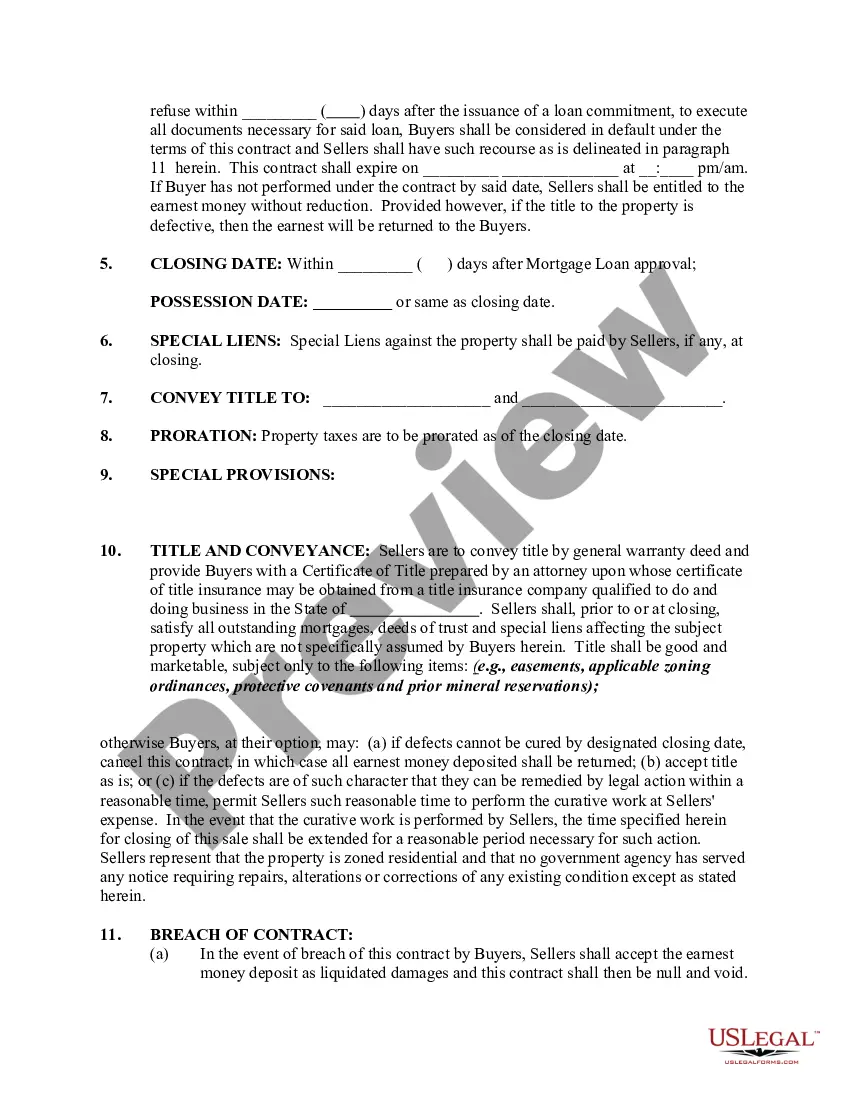
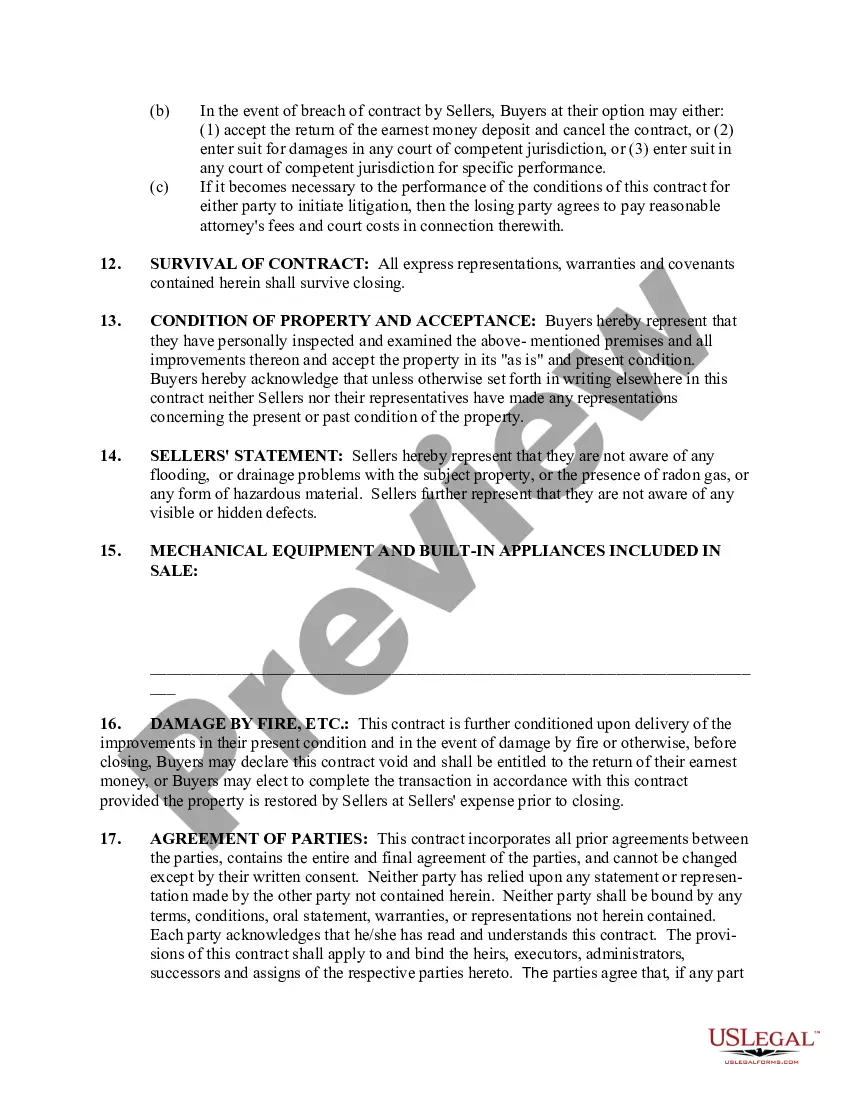
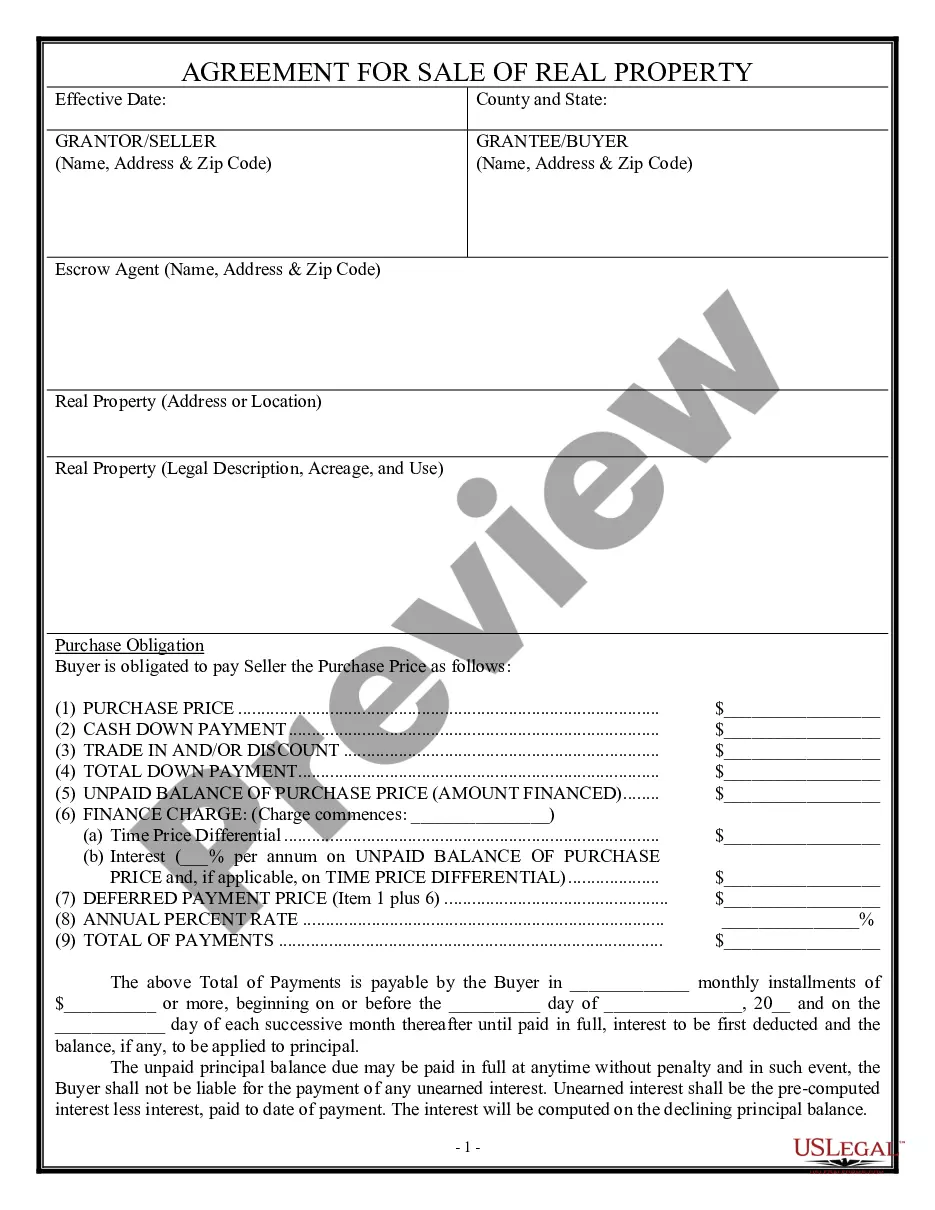
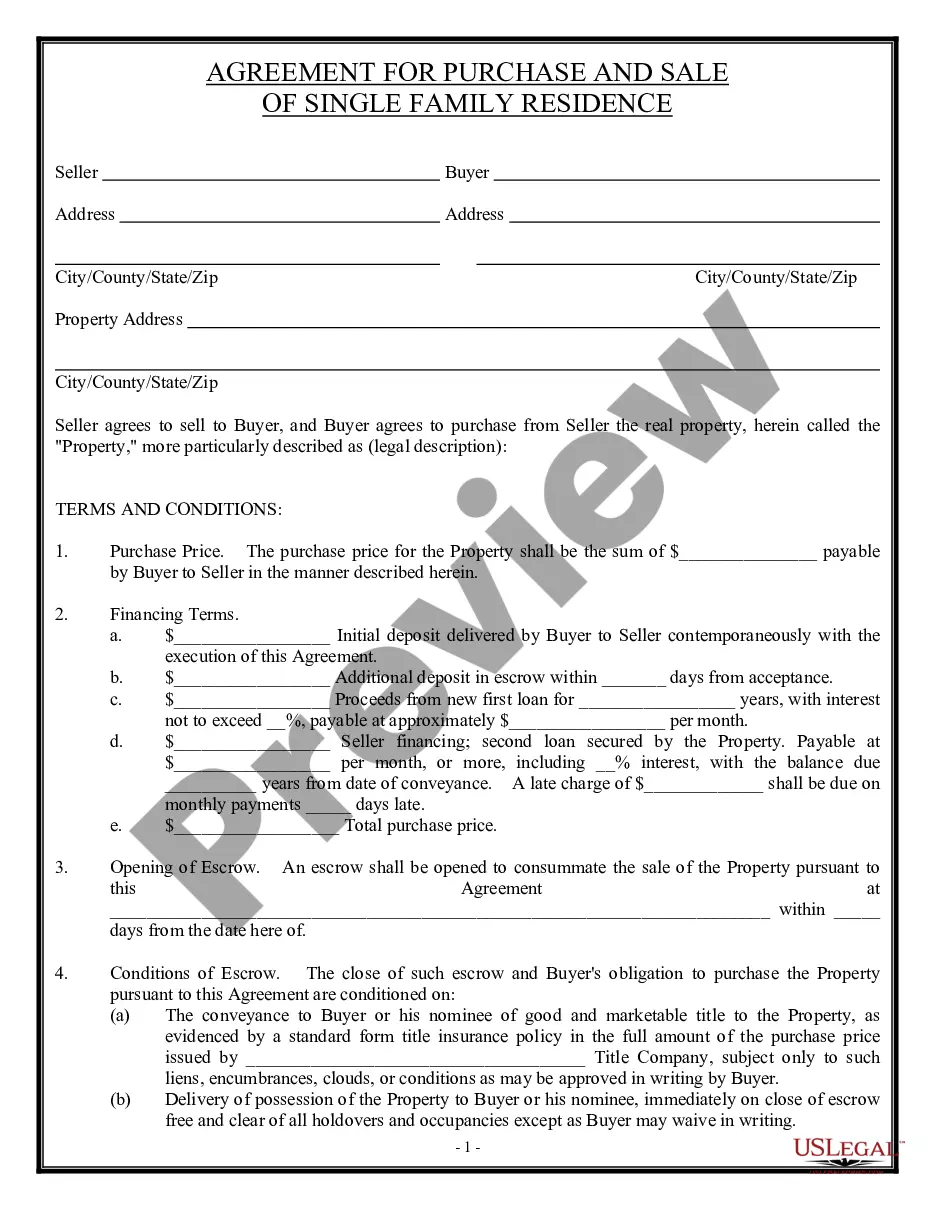
Get your form ready online
Our built-in tools help you complete, sign, share, and store your documents in one place.
Make edits, fill in missing information, and update formatting in US Legal Forms—just like you would in MS Word.
Download a copy, print it, send it by email, or mail it via USPS—whatever works best for your next step.
Sign and collect signatures with our SignNow integration. Send to multiple recipients, set reminders, and more. Go Premium to unlock E-Sign.
If this form requires notarization, complete it online through a secure video call—no need to meet a notary in person or wait for an appointment.
We protect your documents and personal data by following strict security and privacy standards.

Make edits, fill in missing information, and update formatting in US Legal Forms—just like you would in MS Word.

Download a copy, print it, send it by email, or mail it via USPS—whatever works best for your next step.

Sign and collect signatures with our SignNow integration. Send to multiple recipients, set reminders, and more. Go Premium to unlock E-Sign.

If this form requires notarization, complete it online through a secure video call—no need to meet a notary in person or wait for an appointment.

We protect your documents and personal data by following strict security and privacy standards.
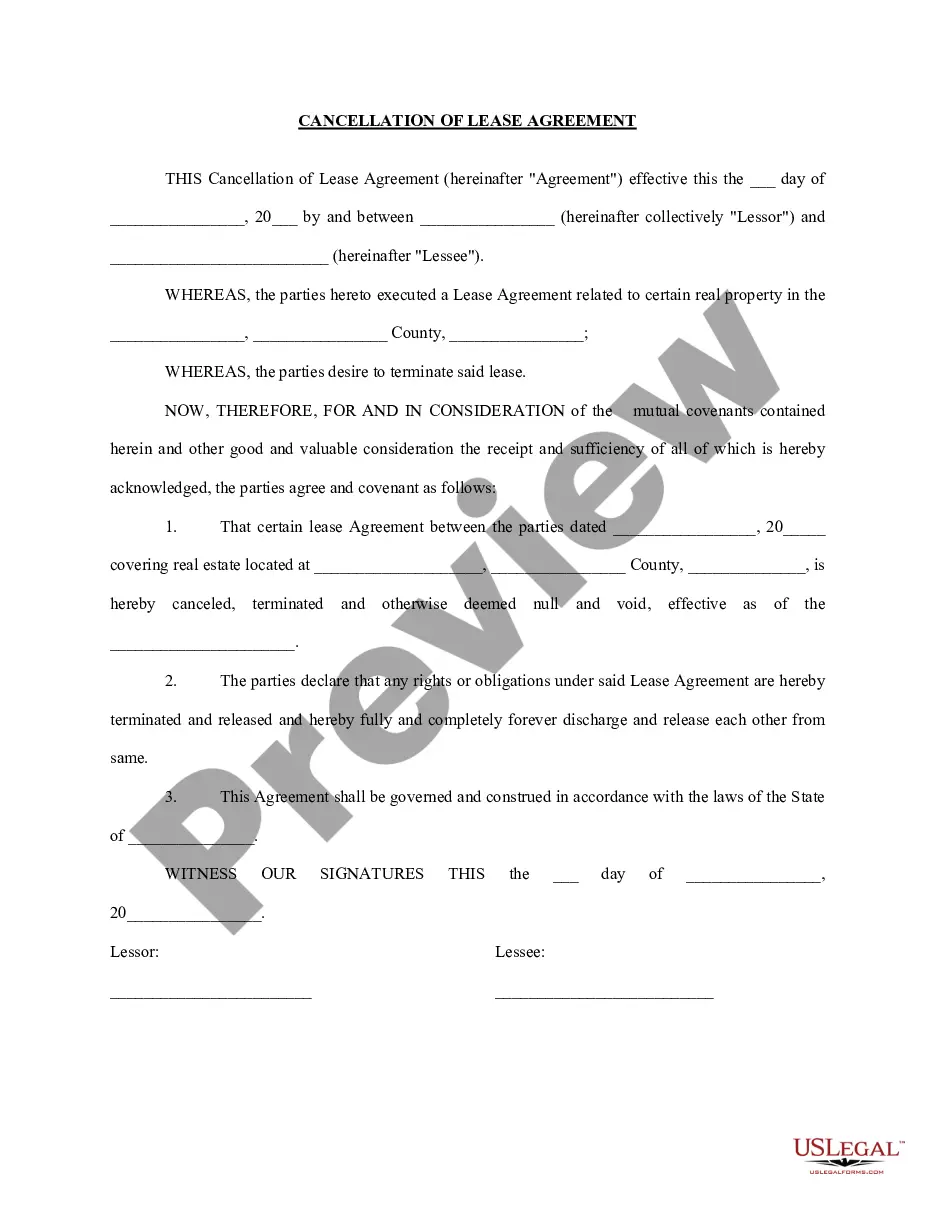
Looking for another form?







Form popularity
FAQ
Several states have laws on the books mandating the physical presence of an attorney or other types of involvement at real estate closings, including: Alabama, Connecticut, Delaware, District of Columbia, Florida, Georgia, Kansas, Kentucky, Maine, Maryland, Massachusetts, Mississippi, New Hampshire, New Jersey, New ...
Backing out after signing the contract For example, it's perfectly legal for a buyer to back out of a signed contract if the contract included contingencies that were not met. Contingencies outline specific conditions that must be fulfilled in order for the deal to be closed.
Many consumers mistakenly believe all contracts allow a 3-day cooling-off period to cancel. Generally, there's no cooling-off period after you sign a contract.
In short yes, they can back out of a contract at anytime. However, depending on the reason or time, they could be in default of the contract and open themself up to legal damages.
How Long Does Closing on a House Take? The average closing process takes 30–60 days, but the timeline can vary based on a variety of factors, such as market conditions and buyer readiness.
Statutes Text (2) “Abandoned property” includes property in the custody of the federal government that is classified as “unclaimed property” under federal law.
Valid contracts consist of three key criteria: offer, acceptance, and consideration (the exchange of something of value from both sides). Once a contract is signed in Maryland, it is typically binding. Maryland has very few laws that allow a person to cancel an accepted contract.
The appraisal to closing timeline may vary, but it generally takes two to five weeks to close after completing the home appraisal. While closing on your new house sooner than the average 43 days is possible, it requires a streamlined closing process.
If you choose to close down a Maryland nonprofit corporation, you'll need to go through a process called dissolution. Dissolution requires a vote or other formal authorization, the filing of key documents with government agencies, and a group of other tasks collectively known as winding up the corporation.
