Closing Any Property Without Permission In Maryland
Description

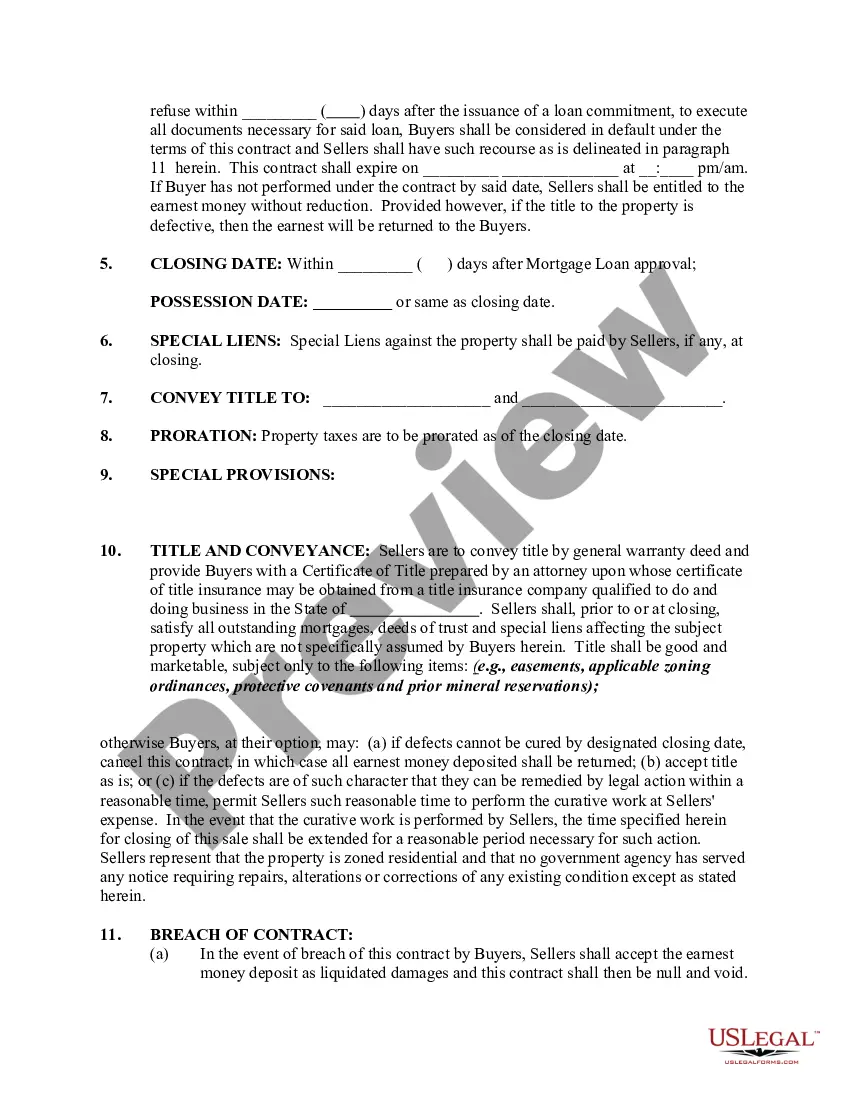
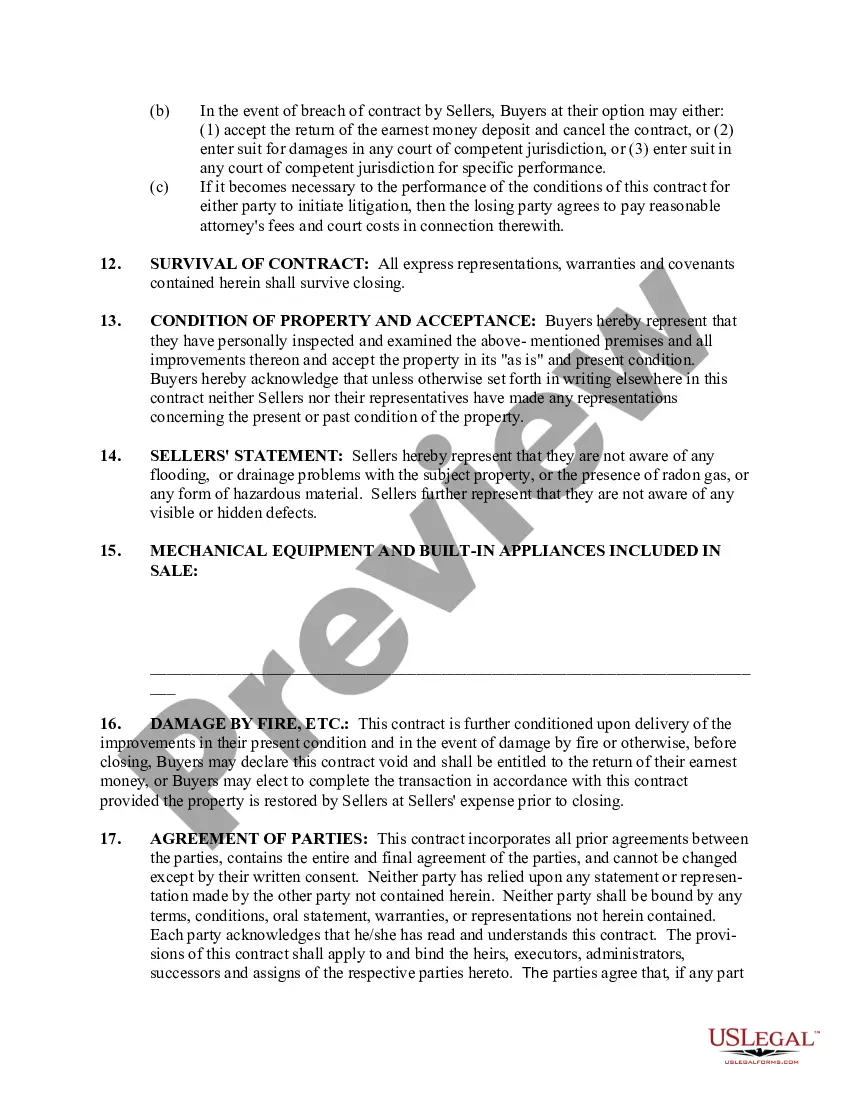
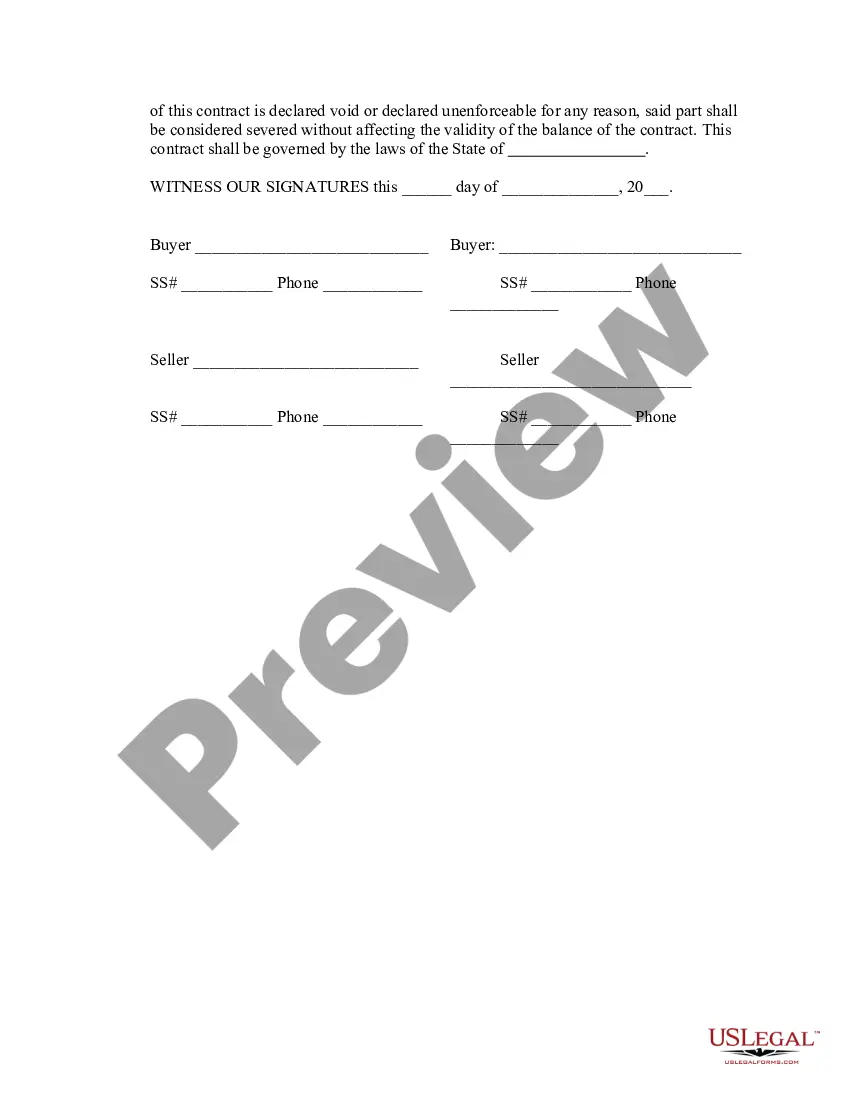
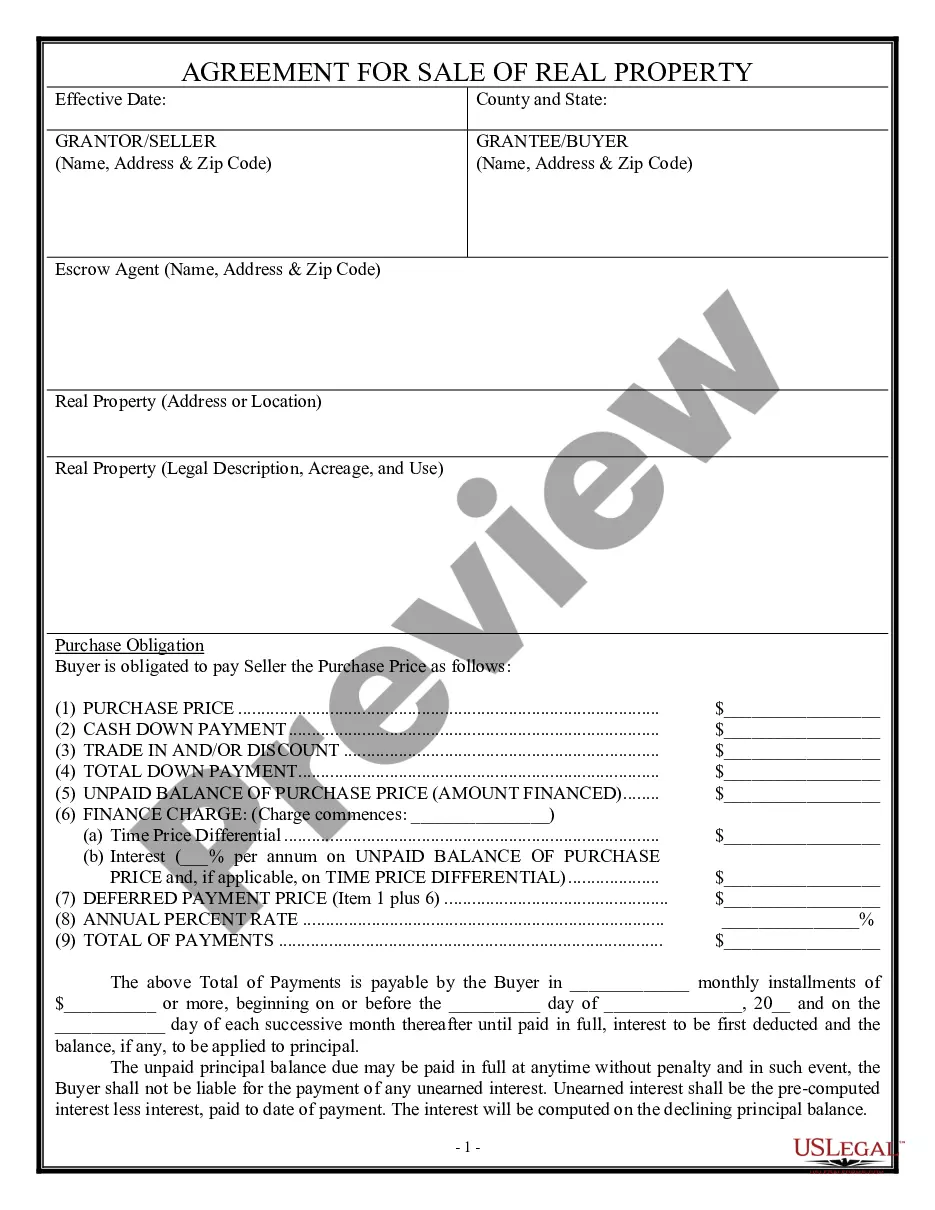
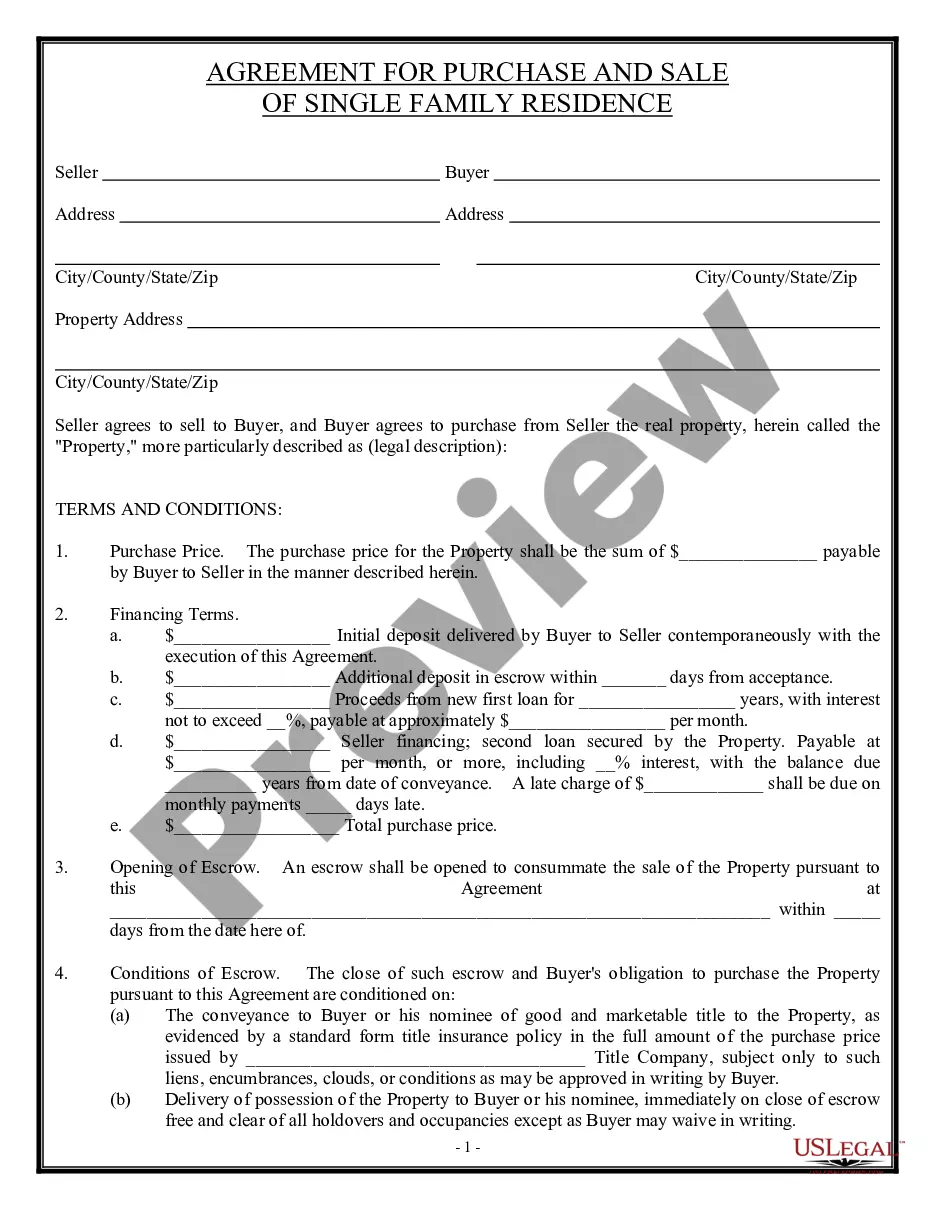
Get your form ready online
Our built-in tools help you complete, sign, share, and store your documents in one place.
Make edits, fill in missing information, and update formatting in US Legal Forms—just like you would in MS Word.
Download a copy, print it, send it by email, or mail it via USPS—whatever works best for your next step.
Sign and collect signatures with our SignNow integration. Send to multiple recipients, set reminders, and more. Go Premium to unlock E-Sign.
If this form requires notarization, complete it online through a secure video call—no need to meet a notary in person or wait for an appointment.
We protect your documents and personal data by following strict security and privacy standards.

Make edits, fill in missing information, and update formatting in US Legal Forms—just like you would in MS Word.

Download a copy, print it, send it by email, or mail it via USPS—whatever works best for your next step.

Sign and collect signatures with our SignNow integration. Send to multiple recipients, set reminders, and more. Go Premium to unlock E-Sign.

If this form requires notarization, complete it online through a secure video call—no need to meet a notary in person or wait for an appointment.

We protect your documents and personal data by following strict security and privacy standards.
Looking for another form?









Form popularity
FAQ
A power of attorney (POA) for a real estate closing is permissible if not all parties can make it to the settlement table, but is not to be used as a matter of convenience. A POA is written authorization to act in a legal capacity on another's behalf, in certain circumstances, which are laid out in the document.
Maryland Attorney Involvement Attorney involvement is not required for title searches, examinations, opinions of title, disbursements, document recording, preparation of standard closing documents, or policy-issuance.
To take someone's name off a deed, a new deed must be prepared to transfer the property from all of the current owners to all of the remaining owners. Similarly, to add someone to a deed a new deed must be prepared to transfer the property from all current owners to all new and current owners.
Several states have laws on the books mandating the physical presence of an attorney or other types of involvement at real estate closings, including: Alabama, Connecticut, Delaware, District of Columbia, Florida, Georgia, Kansas, Kentucky, Maine, Maryland, Massachusetts, Mississippi, New Hampshire, New Jersey, New ...
Annual Leases – Terminating or non-renewing a standard 12-month lease requires 90 days' notice. No Written Lease – Although this is never recommended, there are times landlords and tenants may not have a valid written lease. If so, the law requires a 21-day notice period.
Technically, you don't need a lawyer during the home buying process if everything goes smoothly with the seller and your realtor.
Under Maryland Family Law Article §7-103, abandonment or desertion occurs when: One spouse deliberately leaves the marital home. The departure is without justification or the other spouse's consent. The abandonment continues uninterrupted for at least 12 months.
Statutes Text (2) “Abandoned property” includes property in the custody of the federal government that is classified as “unclaimed property” under federal law.
Under Maryland statutes, if a finder knows that property he found was lost, mislaid or delivered by mistake, he could be guilty of a criminal offense for keeping it, if he knows or learns the identity of the owner or learns of a reasonable way to identify her, fails to restore the property to the owner and intends to ...
