Closing Any Property Without Permission In Maricopa
Description

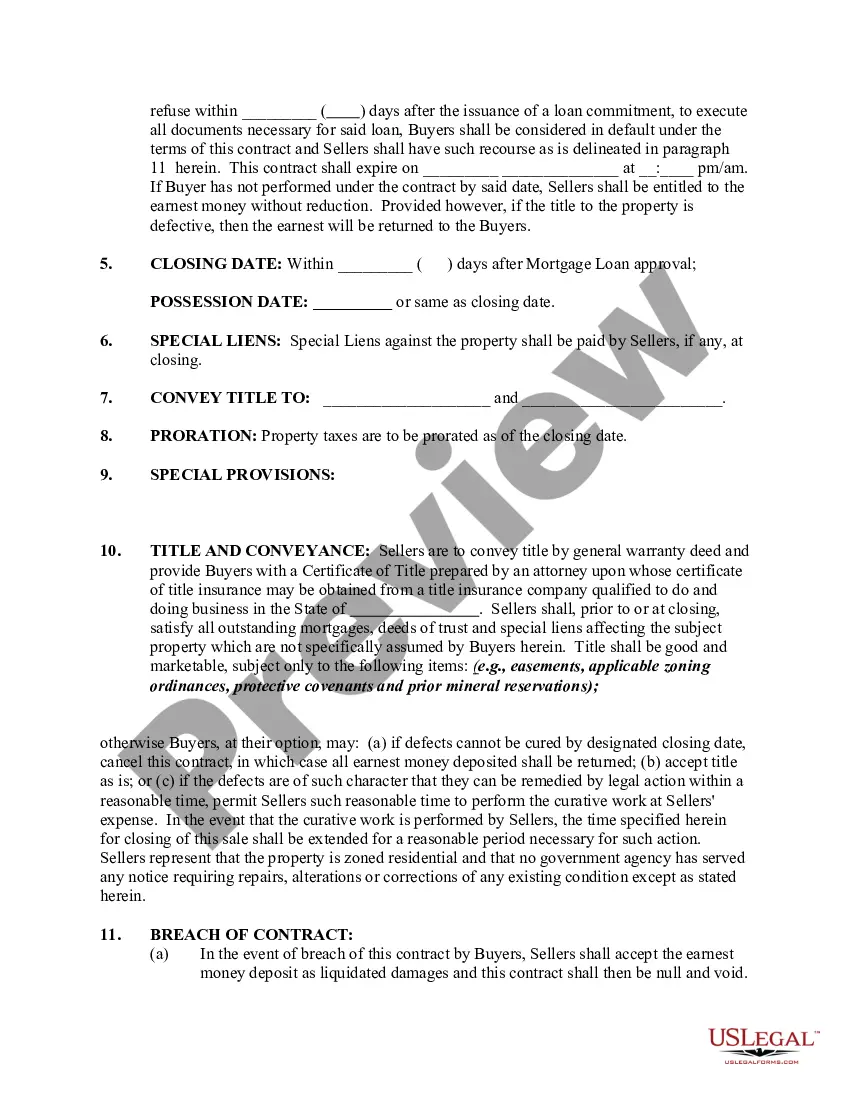
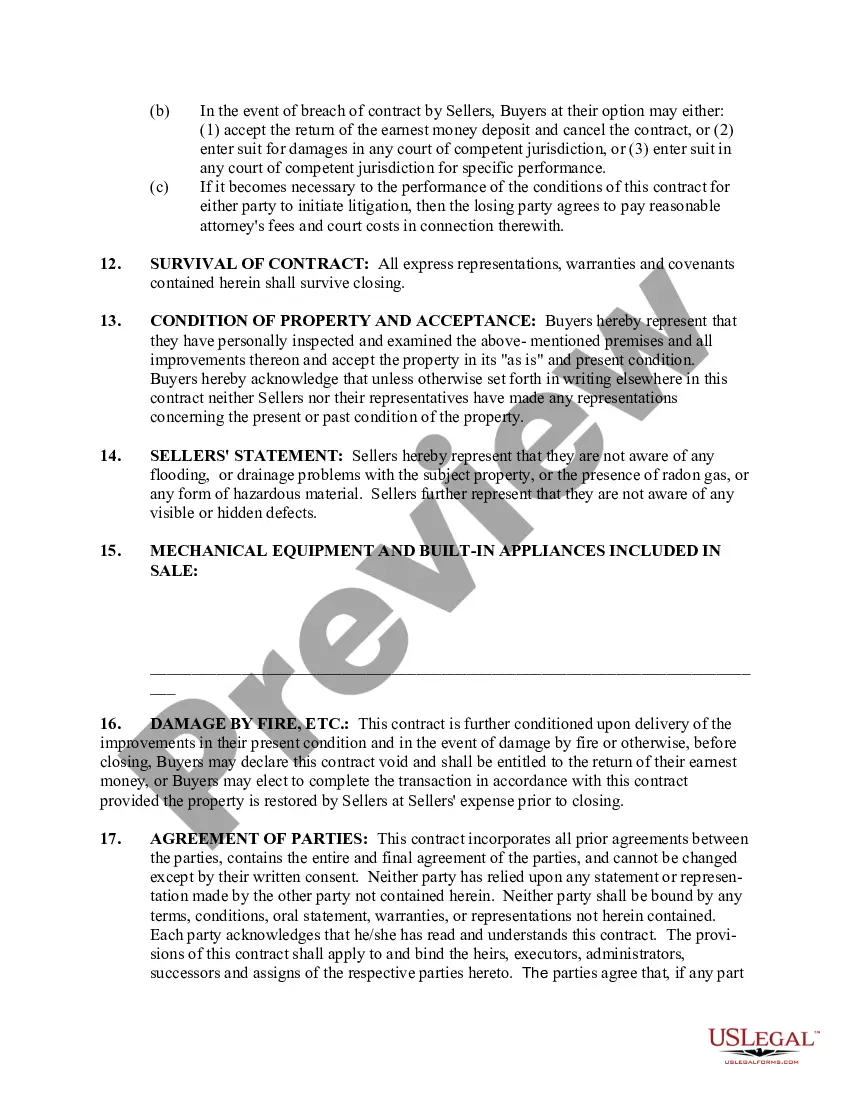
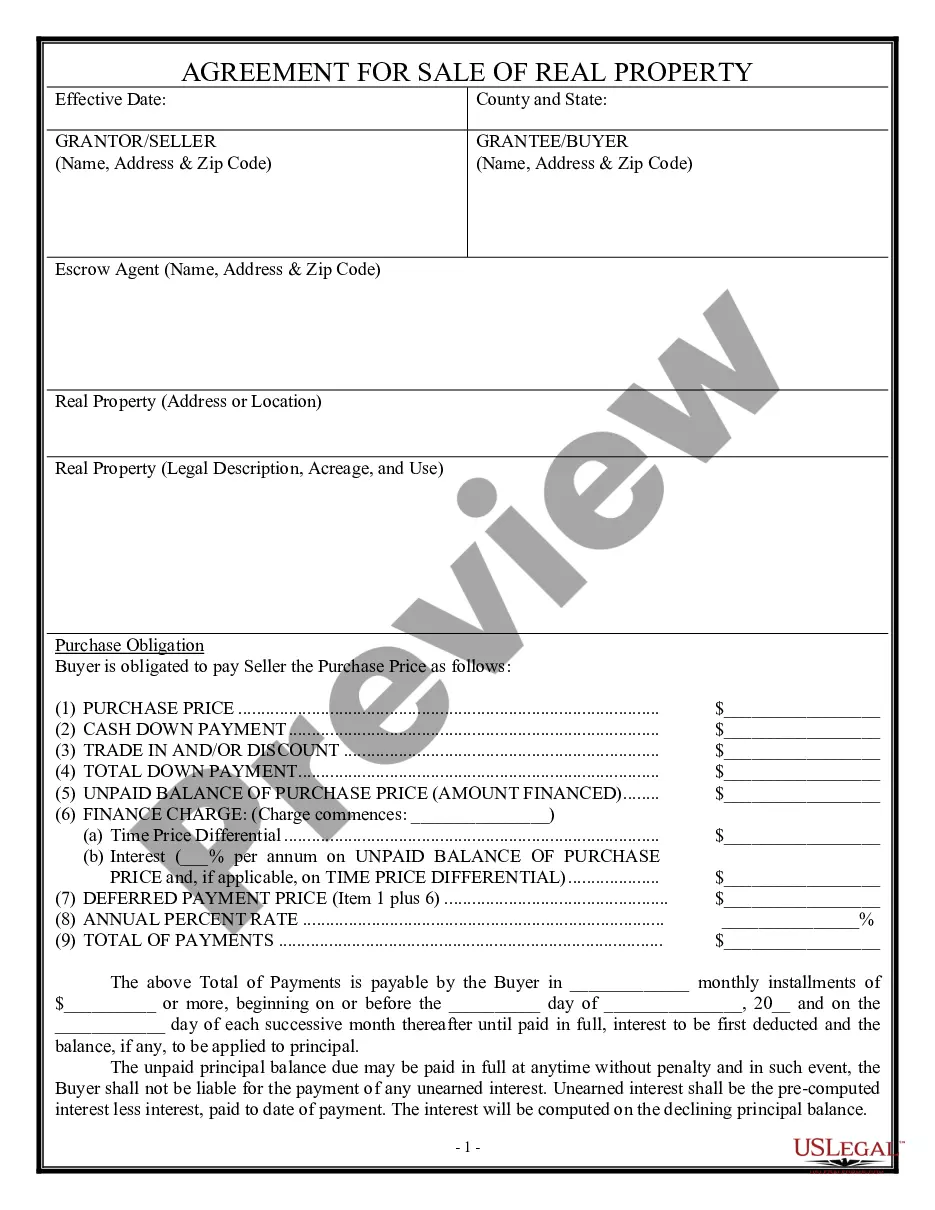
Get your form ready online
Our built-in tools help you complete, sign, share, and store your documents in one place.
Make edits, fill in missing information, and update formatting in US Legal Forms—just like you would in MS Word.
Download a copy, print it, send it by email, or mail it via USPS—whatever works best for your next step.
Sign and collect signatures with our SignNow integration. Send to multiple recipients, set reminders, and more. Go Premium to unlock E-Sign.
If this form requires notarization, complete it online through a secure video call—no need to meet a notary in person or wait for an appointment.
We protect your documents and personal data by following strict security and privacy standards.

Make edits, fill in missing information, and update formatting in US Legal Forms—just like you would in MS Word.

Download a copy, print it, send it by email, or mail it via USPS—whatever works best for your next step.

Sign and collect signatures with our SignNow integration. Send to multiple recipients, set reminders, and more. Go Premium to unlock E-Sign.

If this form requires notarization, complete it online through a secure video call—no need to meet a notary in person or wait for an appointment.

We protect your documents and personal data by following strict security and privacy standards.
Looking for another form?






Form popularity
FAQ
In Arizona probate can take basically as long as it needs. An executor doesn't really have a timeline. There's a recommended start date, which is 60 days after somebody passes away.
Probate procedures can be complex and time-consuming, but there are ways to avoid or bypass this process for certain assets in Arizona. Properties such as those held in a living trust are exempt from probate. Similarly, community property and jointly-held property with a right of survivorship do not require probate.
Informal probate is the process of submitting the paperwork to the probate court registrar who may appoint the personal representative and admit a will to probate or that the person died intestate (without a will). All without a court hearing before a judge. But informal probate is not available in all cases.
Although you aren't required to use a residential real estate attorney when buying, selling, or building a home, the law surrounding the process is complicated and it is often wise to at least consult with a lawyer to make sure you're informed about potential issues and roadblocks.
Availability. Probate records, such as wills, claims, administrations, case files, and calendars are in the custody of the clerk of the superior court in each county courthouse. The FamilySearch Library has acquired copies of some of these documents.
In Arizona, formal probate, unlike informal probate, is the process where the petitioner files a petition requesting that a judicial officer decide an issue or direct that action be taken, usually after notice to all interested parties and a court hearing.
Some estates will not need to go through probate, while others qualify for simplified probate. Some types of assets automatically pass to an heir without any oversight from the probate court.
Closing an estate means that the executor has carried out all of their duties and that there's nothing left to do to manage the estate other than distributing assets.
If you're wondering how long probate takes in Arizona, the timeline varies depending on several factors. Simple cases with no disputes or complex assets can take as little as six months, while more complicated cases can extend over a year or more.
If the Estate has been fully administered and it is ready to be closed, file the original Closing Statement ing to the instructions above. Then send a copy of your conformed Closing Statement along with a note requesting that the hearing be canceled to the Commissioner assigned to your case.
