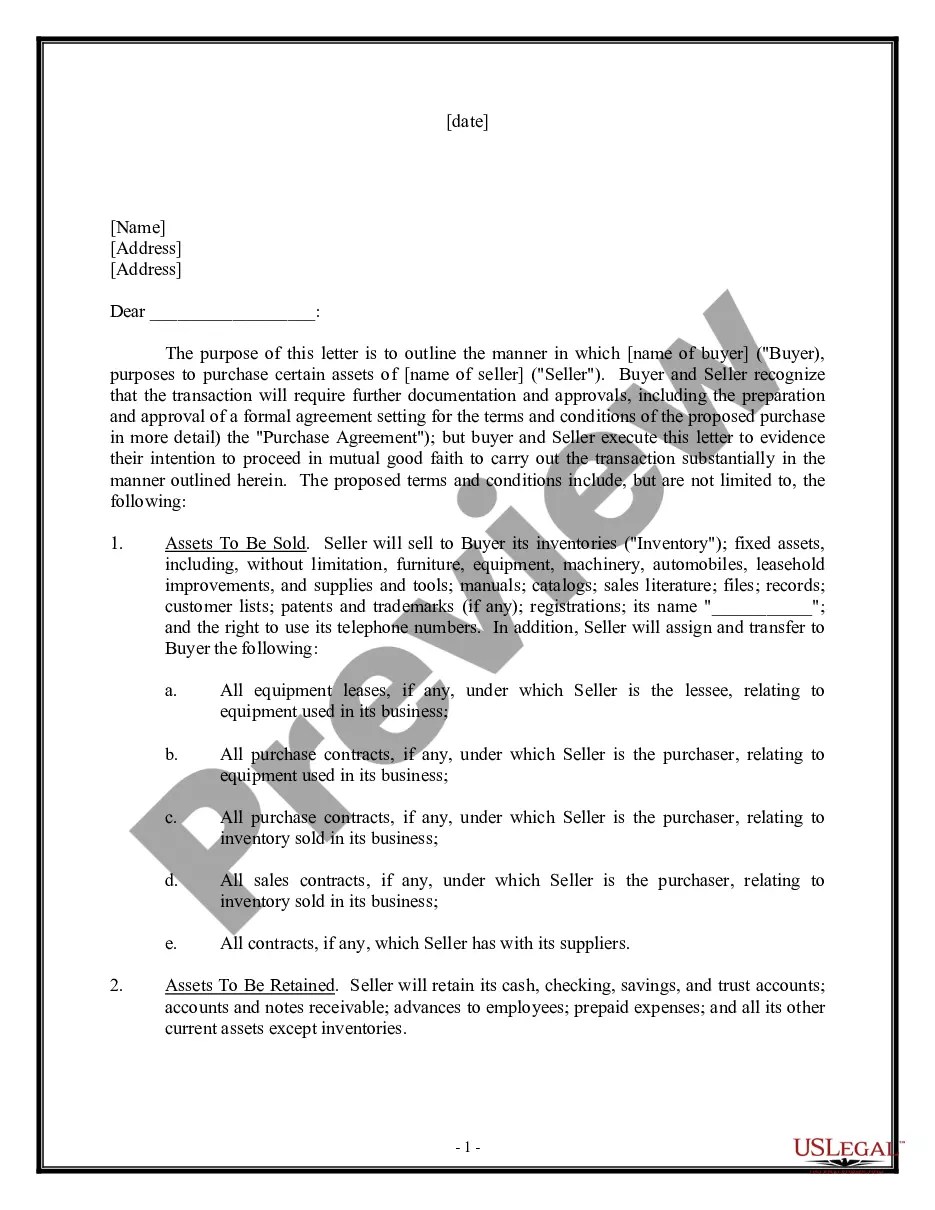
Sell Closing Property Without Consent In Los Angeles
Description

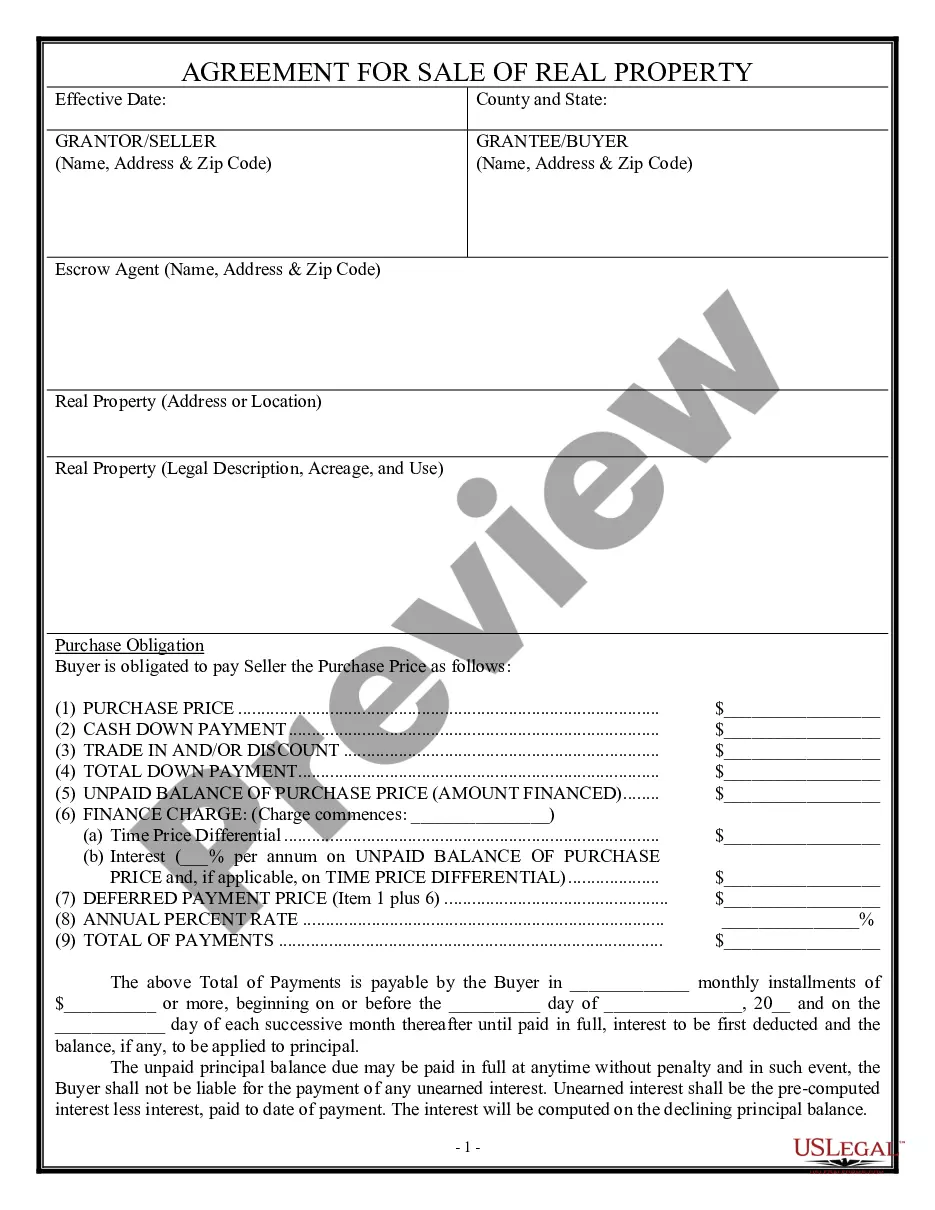
Get your form ready online
Our built-in tools help you complete, sign, share, and store your documents in one place.
Make edits, fill in missing information, and update formatting in US Legal Forms—just like you would in MS Word.
Download a copy, print it, send it by email, or mail it via USPS—whatever works best for your next step.
Sign and collect signatures with our SignNow integration. Send to multiple recipients, set reminders, and more. Go Premium to unlock E-Sign.
If this form requires notarization, complete it online through a secure video call—no need to meet a notary in person or wait for an appointment.
We protect your documents and personal data by following strict security and privacy standards.

Make edits, fill in missing information, and update formatting in US Legal Forms—just like you would in MS Word.

Download a copy, print it, send it by email, or mail it via USPS—whatever works best for your next step.

Sign and collect signatures with our SignNow integration. Send to multiple recipients, set reminders, and more. Go Premium to unlock E-Sign.

If this form requires notarization, complete it online through a secure video call—no need to meet a notary in person or wait for an appointment.

We protect your documents and personal data by following strict security and privacy standards.
Looking for another form?




Form popularity
FAQ
Post-sale statute of limitations for liabilities In real estate, the majority of liability claims fall under the civil statutes of limitations category. Here are a few examples of the statute of limitation periods in five states: California: 4 years for written contracts, 3 years for property damage.
The buyer takes on the responsibility for any future repairs, no matter how severe. Buyer's Responsibility: After the inspection period, the buyer is fully responsible for the property. This means any repairs, upgrades, or issues that arise after the sale are the buyer's problem.
Deed fraud — also called home title fraud, title theft, or house stealing — is the illegal transfer and recording of a real estate title without the knowledge or consent of the legal owner. Criminals often target vacant properties — such as vacation homes — especially if the legal owner is deceased.
If they target unoccupied vacation homes or rental properties, thieves can use the forged deed to sell the home without your knowledge and pocket the proceeds.
A person who does this without a title interest in the property or authority from you commits a criminal act. It's called fraud, but he is really “stealing” your property. The short answer is yes. Anyone can sell your property without your consent.
One spouse should ask the court to issue an order allowing for the sale, and it would be highly unusual for the court to deny the request even if the other spouse objects to the sale. So when the home equity is in danger, then one spouse can probably force the sale of the house.
Check with your county clerk. They may have a property fraud alert system for which you can sign up. Also let them know that you have experienced suspicious activity and that you believe someone may be trying to steal your title or other fraudulent activity. Talk to your title company, and mortgage company as well.
Can a house sale fall through after exchange of contracts? Yes, although it is not common for this to happen, a property sale can fall through even at this point of the sale.
This report is mandatory before the close of escrow. The seller must obtain the report and provideMoreThis report is mandatory before the close of escrow. The seller must obtain the report and provide it to the buyer ensuring all necessary compliance issues are addressed before the sale is finalized.