Closure Any Property For Division In Illinois
Description

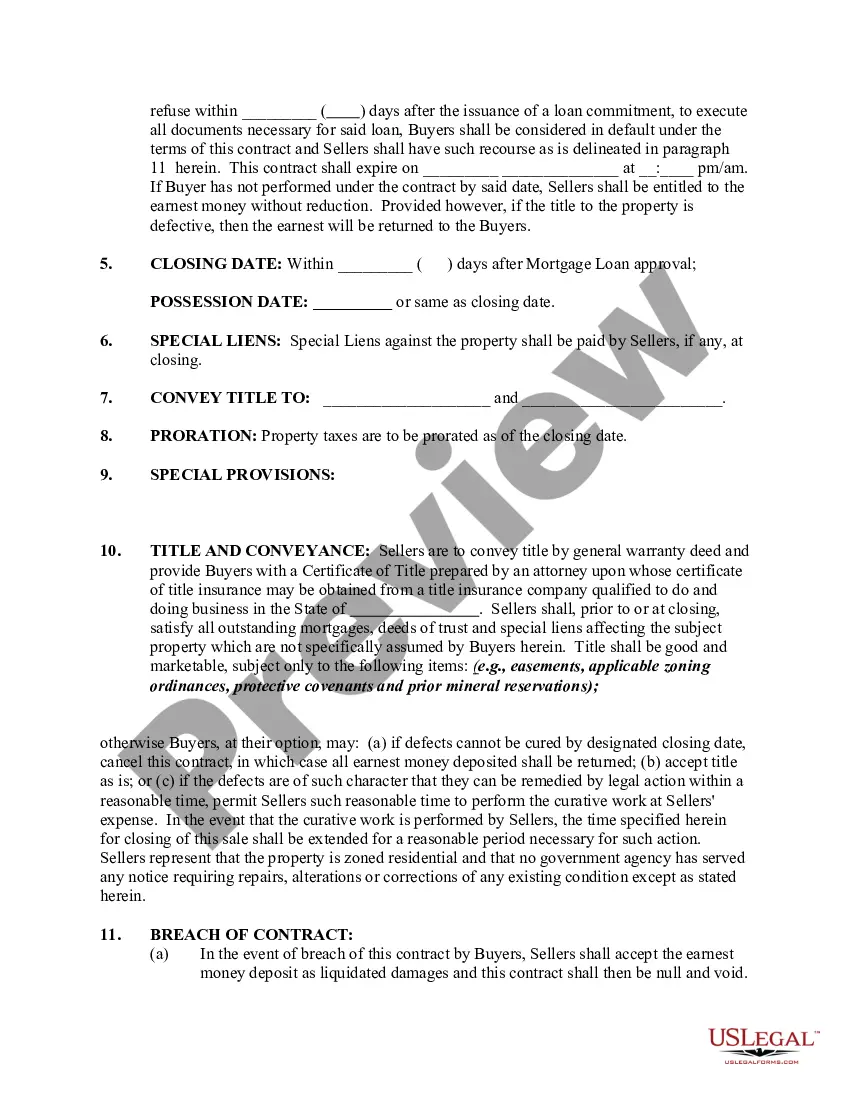
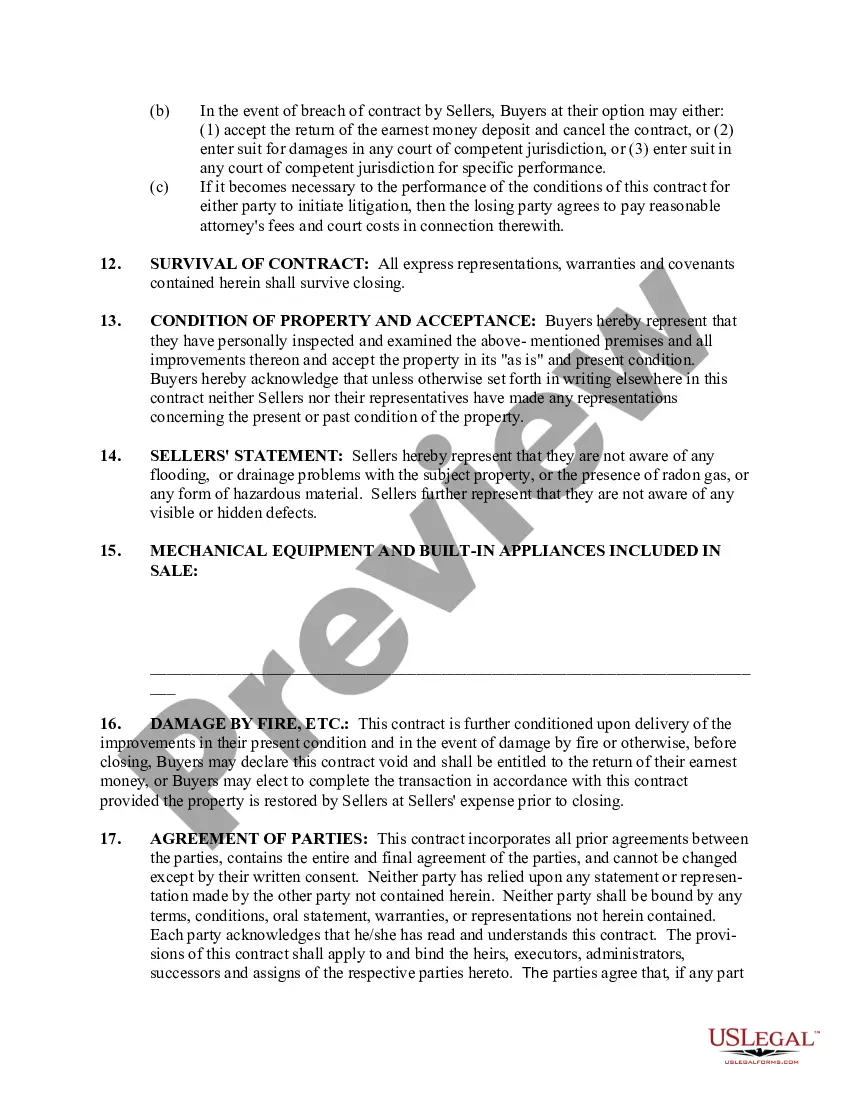
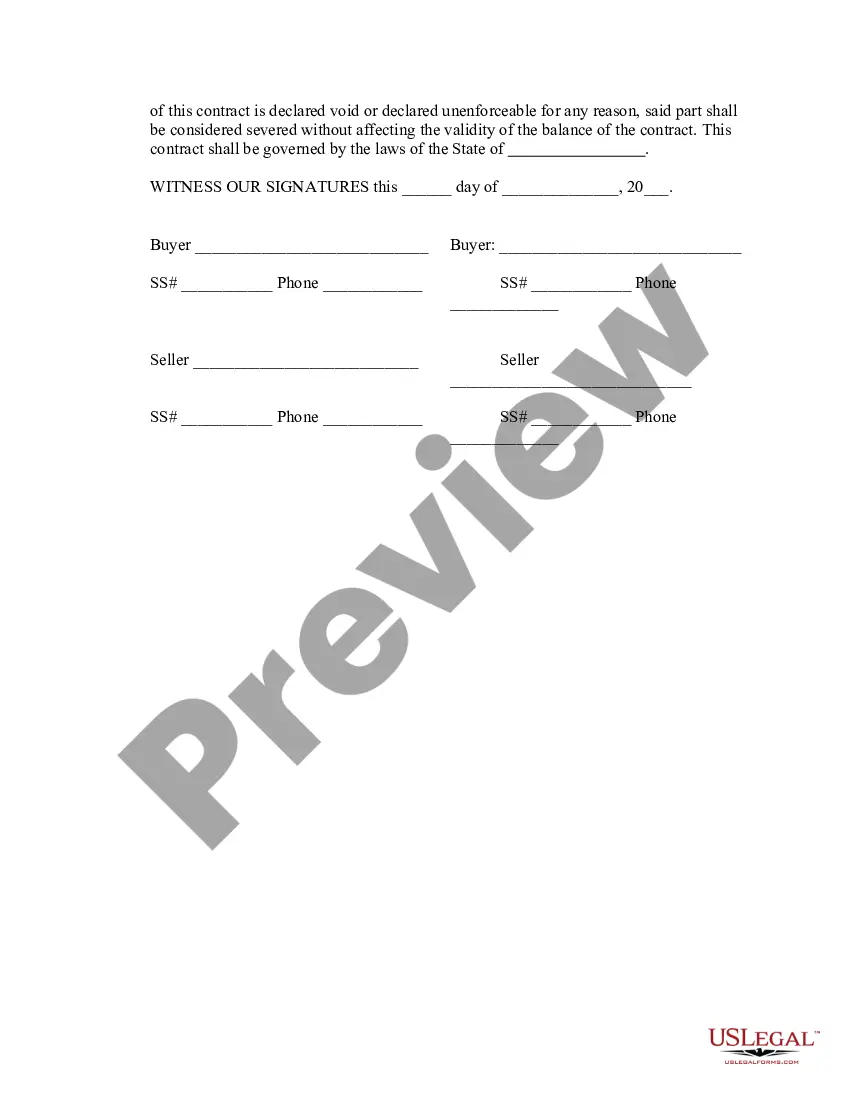
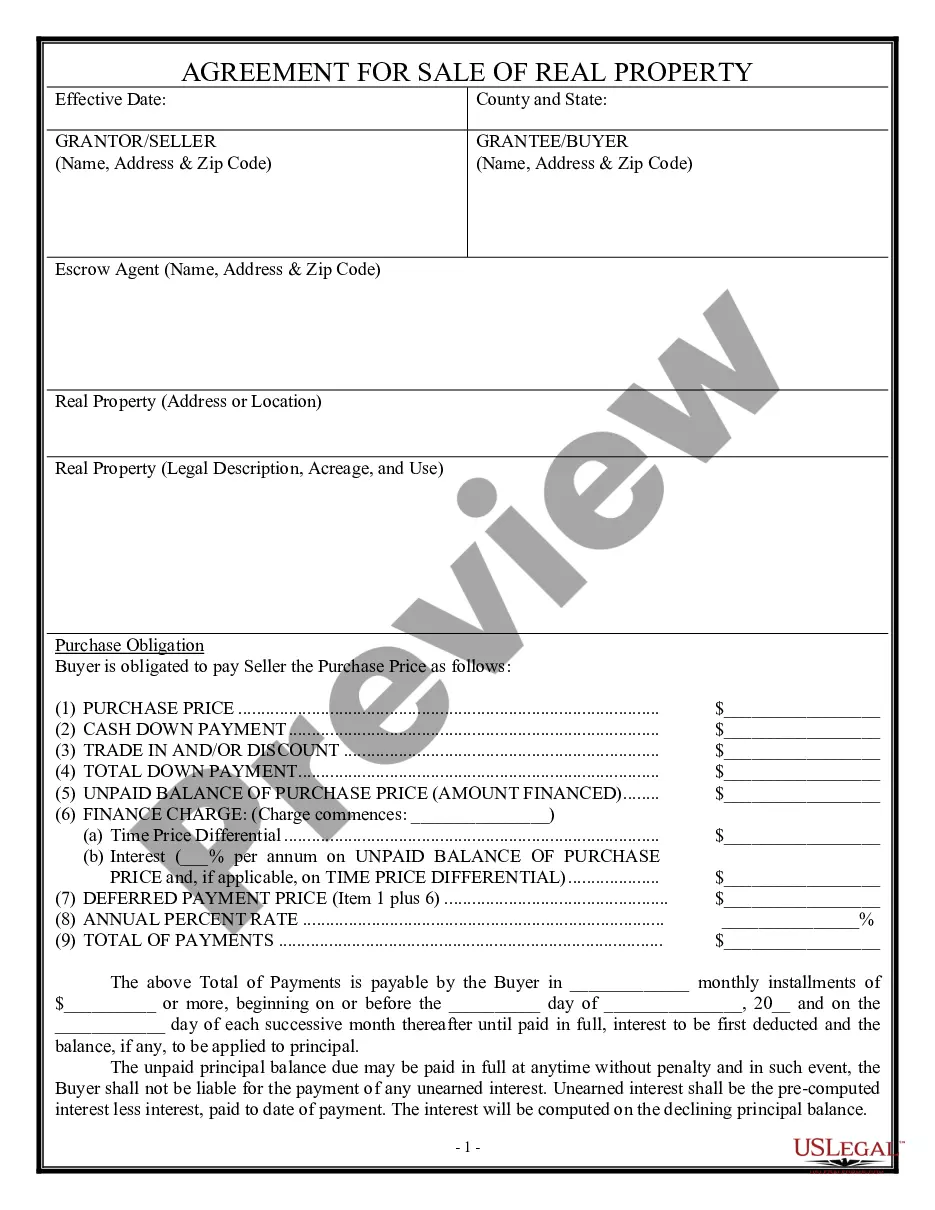
Get your form ready online
Our built-in tools help you complete, sign, share, and store your documents in one place.
Make edits, fill in missing information, and update formatting in US Legal Forms—just like you would in MS Word.
Download a copy, print it, send it by email, or mail it via USPS—whatever works best for your next step.
Sign and collect signatures with our SignNow integration. Send to multiple recipients, set reminders, and more. Go Premium to unlock E-Sign.
If this form requires notarization, complete it online through a secure video call—no need to meet a notary in person or wait for an appointment.
We protect your documents and personal data by following strict security and privacy standards.

Make edits, fill in missing information, and update formatting in US Legal Forms—just like you would in MS Word.

Download a copy, print it, send it by email, or mail it via USPS—whatever works best for your next step.

Sign and collect signatures with our SignNow integration. Send to multiple recipients, set reminders, and more. Go Premium to unlock E-Sign.

If this form requires notarization, complete it online through a secure video call—no need to meet a notary in person or wait for an appointment.

We protect your documents and personal data by following strict security and privacy standards.
Looking for another form?







Form popularity
FAQ
An intangible asset is a non-monetary asset that cannot be seen or touched. “Patents or goodwill are good examples,” says Florence Bessette, Business Advisor, BDC Advisory Services.
When parties can't come to an agreement, the court decides how to split property. Illinois is an “equitable distribution” state, which means the court won't simply divide marital property evenly. Rather than splitting everything 50/50, they look at each party's current situation and future needs.
Illinois is an equitable division state, so marital property does not have to be split evenly. Marital property is property owned by both parties. This type of property is split during the property division phase of a divorce. Marital property does not have to be split evenly, rather it is split equitably.
Generally, women suffer more financially than do men from divorce.
What assets may be protected from division in divorce. Assets that may be protected from equitable distribution during a divorce are typically belong to one of two types: premarital property that has been kept from being commingled or transitioned and gifts or inheritances.
Under Illinois law, a party can only be kicked out by court order and the court will only order it if not doing so would harm the physical or mental well-being of a spouse or child. The order can determine whether a party should have sole access to the home and if a party needs to be kicked out.
A partition action must be initiated with a verified complaint filed in the circuit court of the county where the land is located. 735 ILCS 5/17-101. The verified complaint needs to include a particular description of the premises sought to be divided.
Examples of marital property include the marital home, retirement accounts, and vehicles. Illinois is an equitable division state, so marital property does not have to be split evenly. Marital property is property owned by both parties. This type of property is split during the property division phase of a divorce.
Under Illinois divorce laws, a judge will divide marital assets and physical property based on equitable distribution. This means the court will split property fairly. Keep in mind that this does not mean a straight 50/50 division based on the value of property and assets. Instead, the judge will weigh certain factors.
