Closing Property Title Format In Illinois
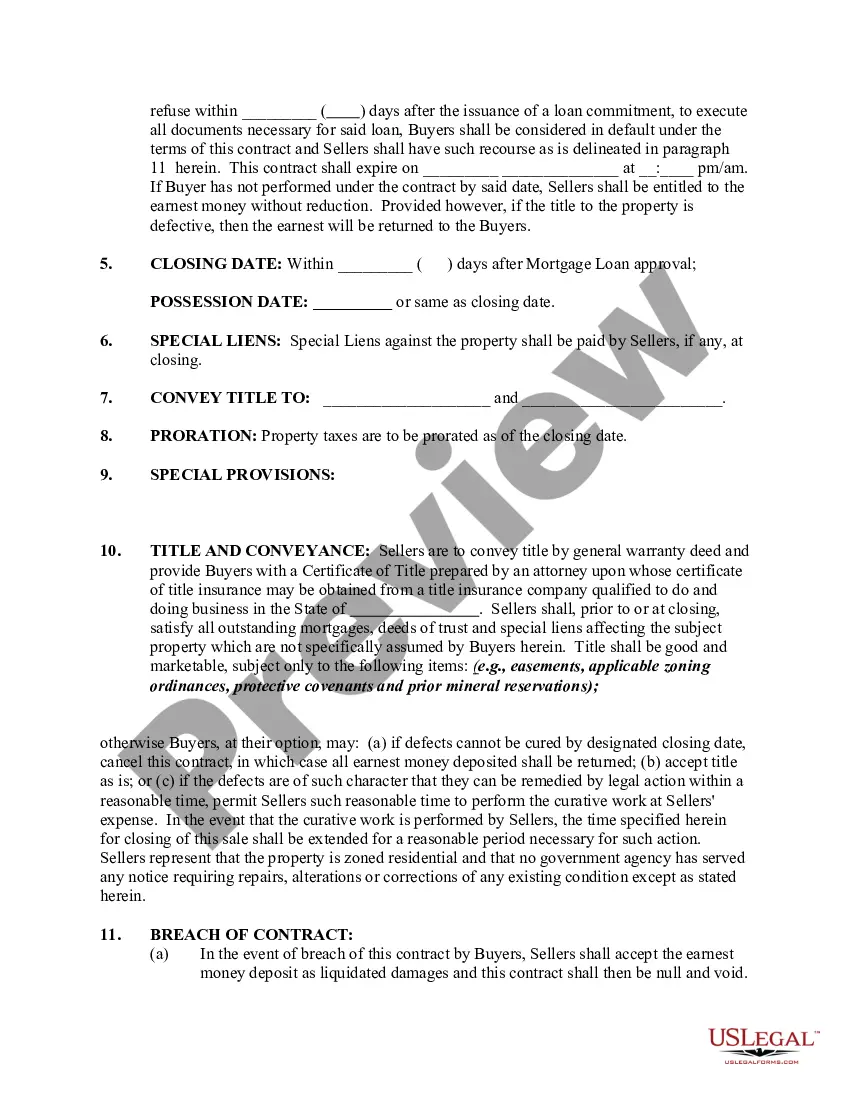
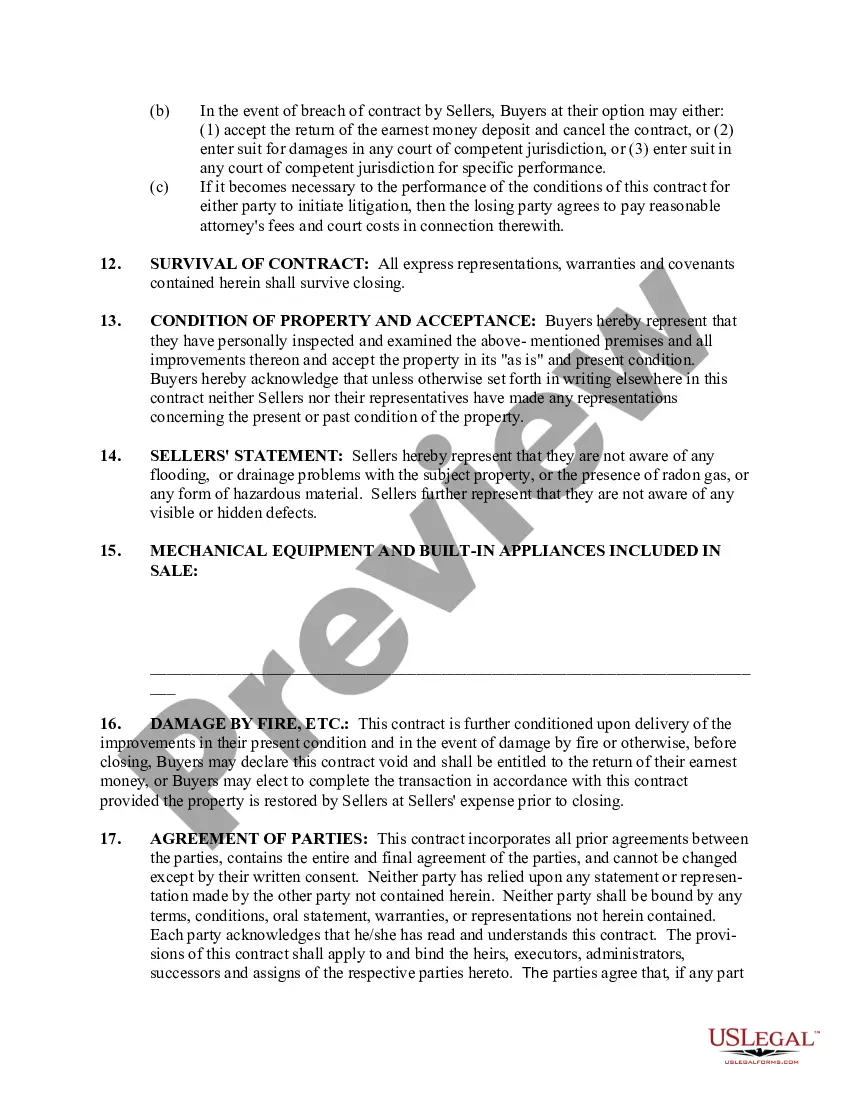
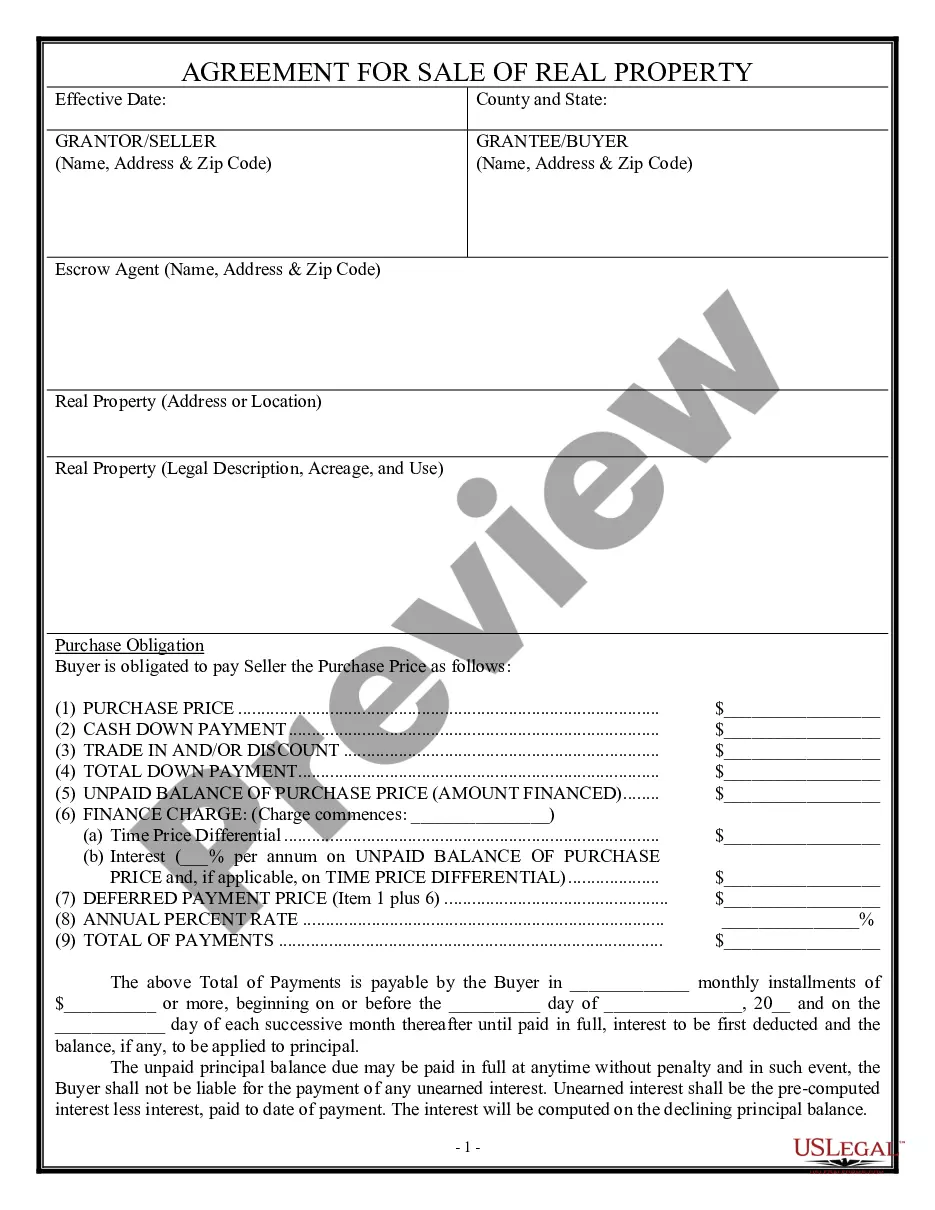
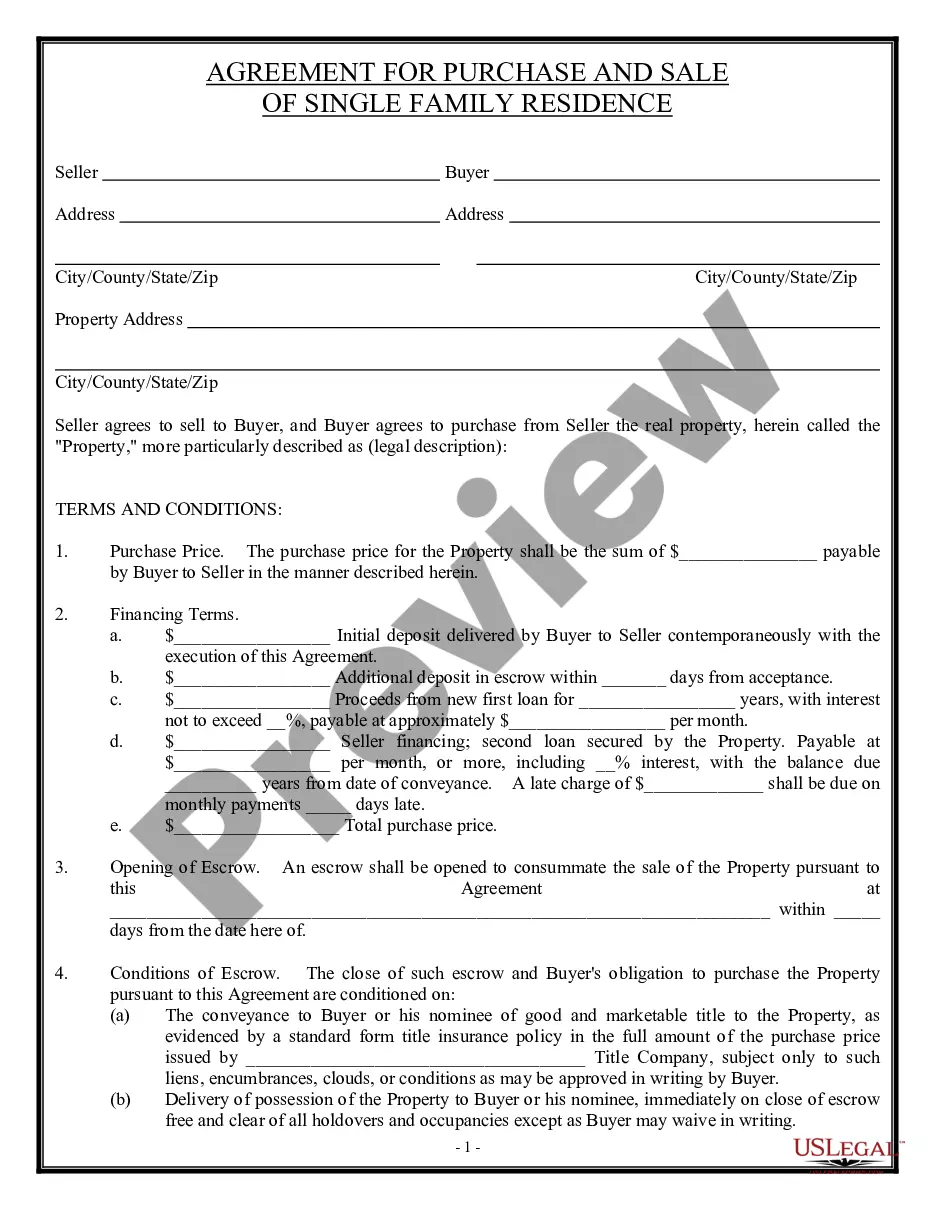
Description


Get your form ready online
Our built-in tools help you complete, sign, share, and store your documents in one place.
Make edits, fill in missing information, and update formatting in US Legal Forms—just like you would in MS Word.
Download a copy, print it, send it by email, or mail it via USPS—whatever works best for your next step.
Sign and collect signatures with our SignNow integration. Send to multiple recipients, set reminders, and more. Go Premium to unlock E-Sign.
If this form requires notarization, complete it online through a secure video call—no need to meet a notary in person or wait for an appointment.
We protect your documents and personal data by following strict security and privacy standards.

Make edits, fill in missing information, and update formatting in US Legal Forms—just like you would in MS Word.

Download a copy, print it, send it by email, or mail it via USPS—whatever works best for your next step.

Sign and collect signatures with our SignNow integration. Send to multiple recipients, set reminders, and more. Go Premium to unlock E-Sign.

If this form requires notarization, complete it online through a secure video call—no need to meet a notary in person or wait for an appointment.

We protect your documents and personal data by following strict security and privacy standards.
Looking for another form?








Form popularity
FAQ
Also, in IL, attorneys are title agents. They receive some of their compensation from the title company. The seller's attorney picks the title company and this is where the closing is held. The seller buys their title insurance from this company.
You must file either (1) Form PTAX-203 and any required documents with the deed or trust document or (2) an exemption notation on the original deed or trust document at the County Recorder's office within the county where the property is located.
The buyer/seller may choose whoever they want. Title companies work with other title companies who handle things for the other party sometimes.
Also, in IL, attorneys are title agents. They receive some of their compensation from the title company. The seller's attorney picks the title company and this is where the closing is held. The seller buys their title insurance from this company.
Closings are typically a collective effort scheduled by your your settlement attorney/agent and lender. They'll schedule the closing for a time that is convenient for both you and your real estate agent, so that all may attend.
Transfer the Title: Execute a deed, transferring ownership from the seller to the buyer. This document must be signed and notarized. Record the Deed: Submit the signed deed to the county recorder's office to create an official public record of the ownership change.
So do not touch that part. And that's it so you sign your title it is now transferable. You do notMoreSo do not touch that part. And that's it so you sign your title it is now transferable. You do not mean to flip your title over and touch the back that is for us.
When it comes to buying and selling property, Illinois is considered an "attorney state." Lawyers participate in the real estate sale process as a matter of custom and practice. But there are no laws or ordinances that require a buyer or seller to use one.
On closing day itself, the homebuyer must sign a lot of paperwork that finalizes the deal. Often, many other parties are present for closing day, including the seller, the lender, real estate agents, the closing agent and an attorney who will review the paperwork being signed.
On closing day, the ownership of the property is transferred to you, the buyer. This day consists of transferring funds from escrow, providing mortgage and title fees, and updating the deed of the house to your name.
