Closing Property Title With Deed In Houston
Description

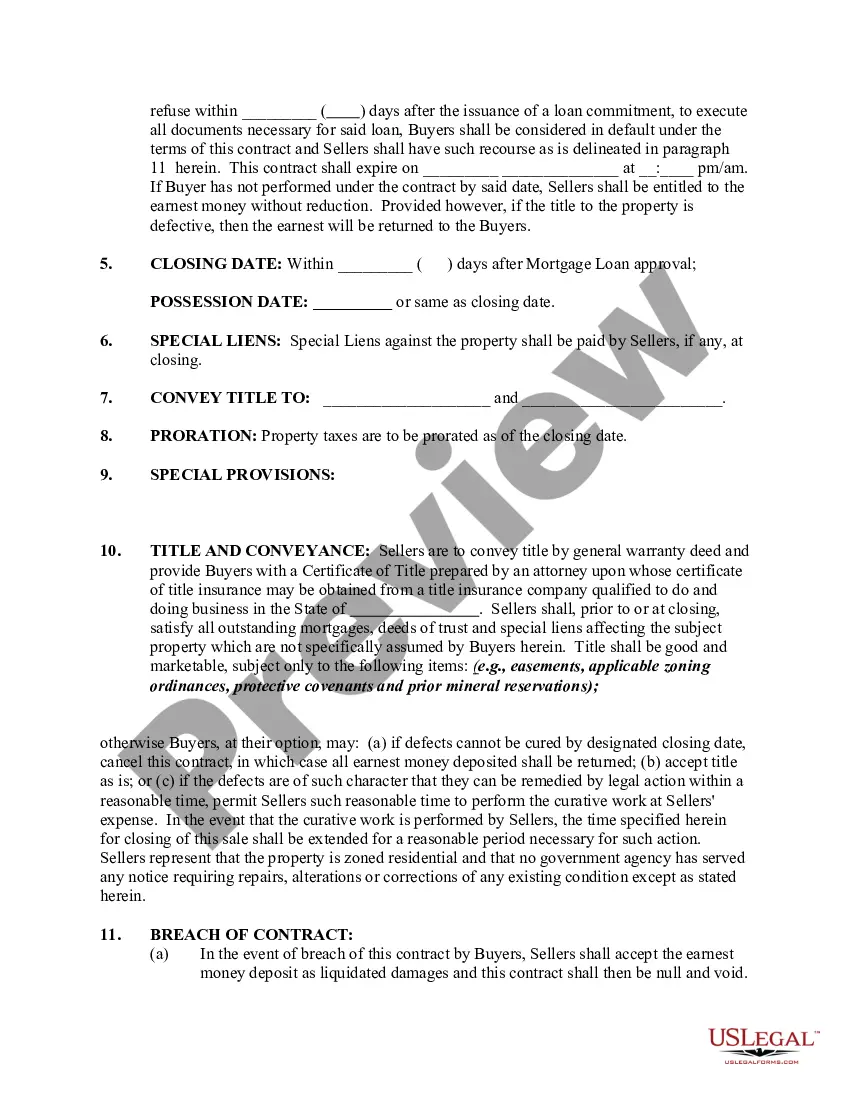
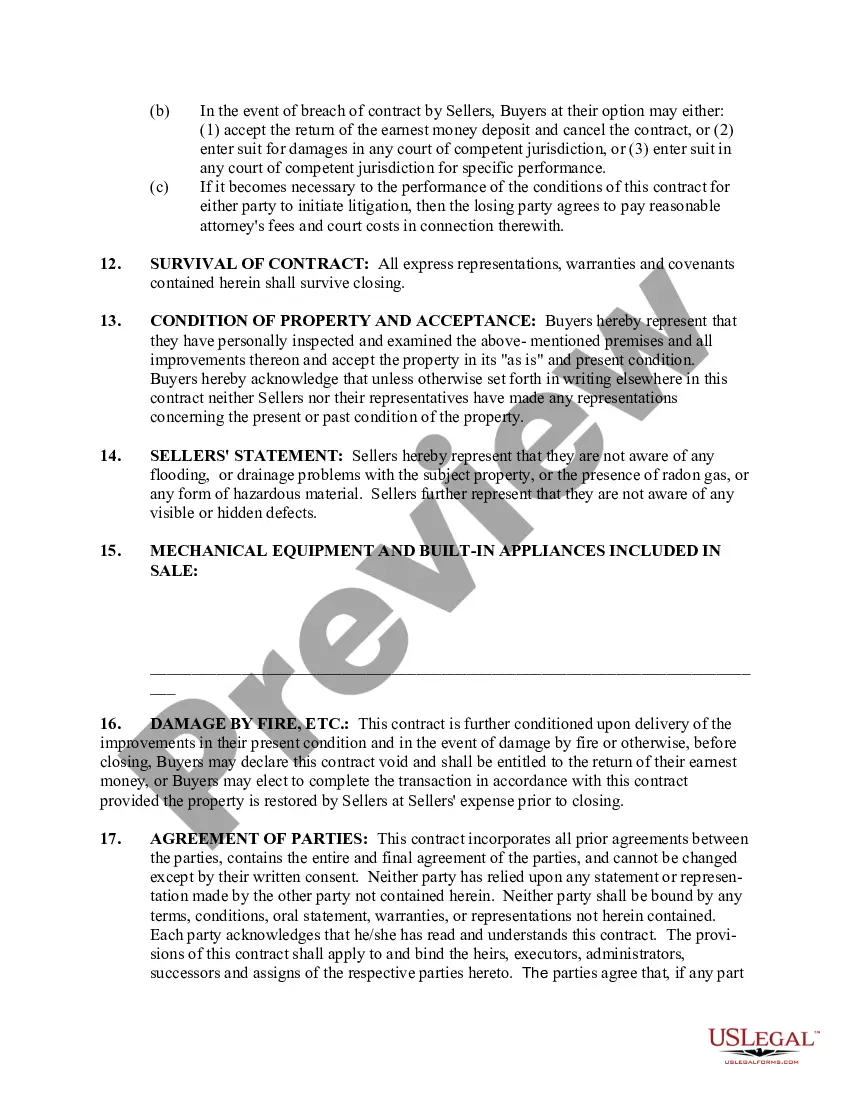
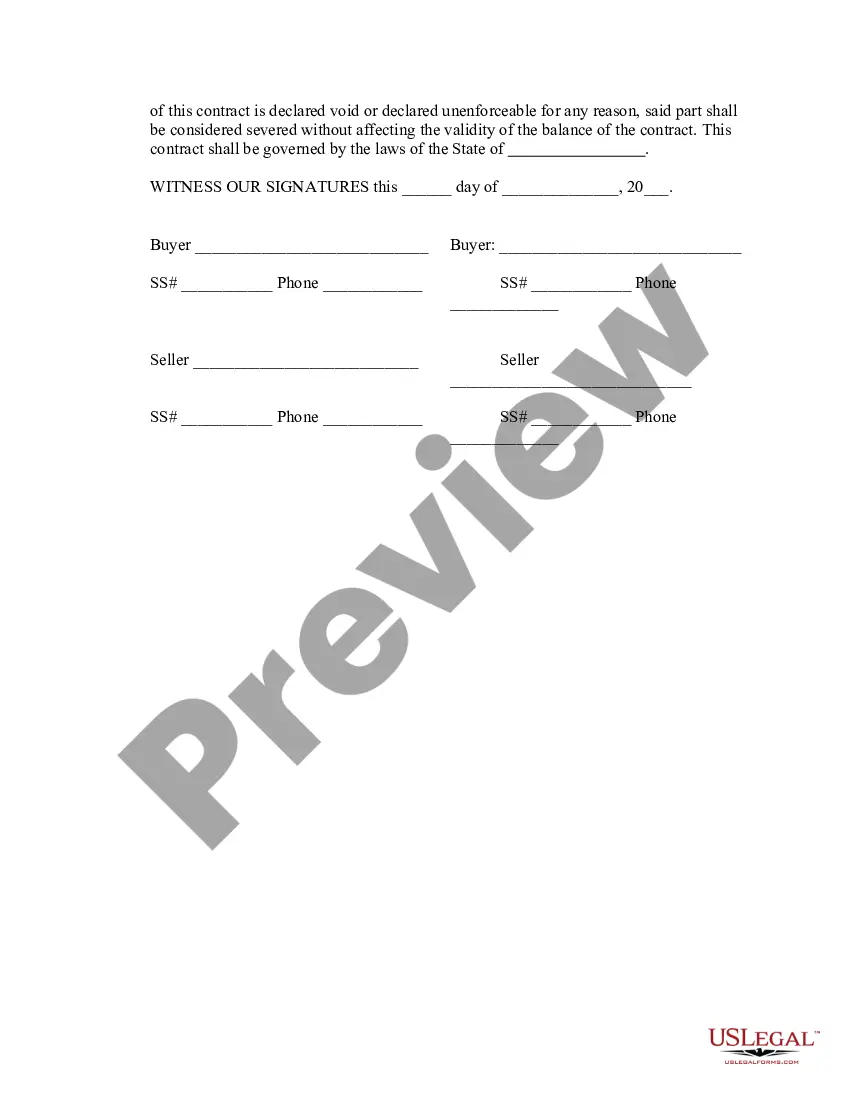
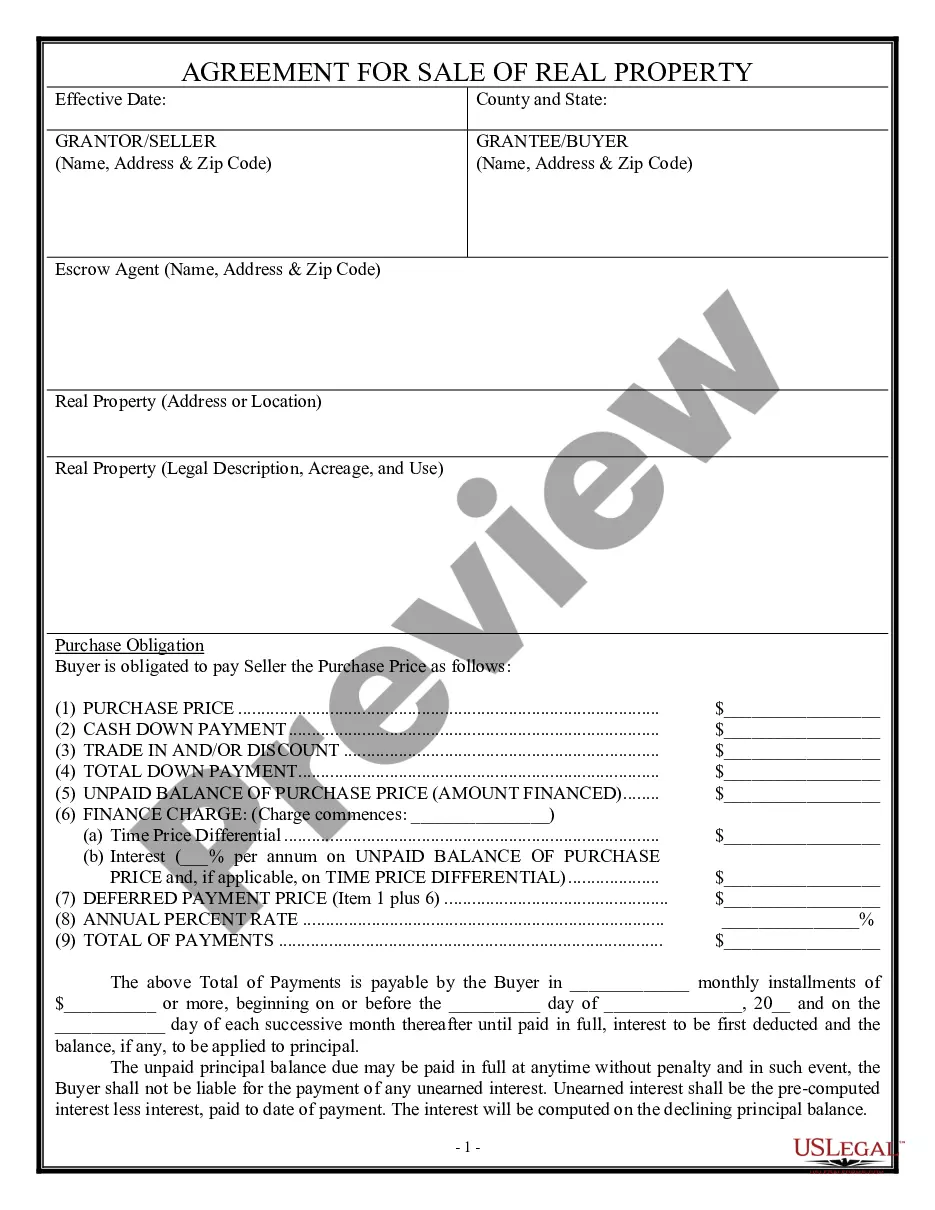
Get your form ready online
Our built-in tools help you complete, sign, share, and store your documents in one place.
Make edits, fill in missing information, and update formatting in US Legal Forms—just like you would in MS Word.
Download a copy, print it, send it by email, or mail it via USPS—whatever works best for your next step.
Sign and collect signatures with our SignNow integration. Send to multiple recipients, set reminders, and more. Go Premium to unlock E-Sign.
If this form requires notarization, complete it online through a secure video call—no need to meet a notary in person or wait for an appointment.
We protect your documents and personal data by following strict security and privacy standards.

Make edits, fill in missing information, and update formatting in US Legal Forms—just like you would in MS Word.

Download a copy, print it, send it by email, or mail it via USPS—whatever works best for your next step.

Sign and collect signatures with our SignNow integration. Send to multiple recipients, set reminders, and more. Go Premium to unlock E-Sign.

If this form requires notarization, complete it online through a secure video call—no need to meet a notary in person or wait for an appointment.

We protect your documents and personal data by following strict security and privacy standards.
Looking for another form?










Form popularity
FAQ
A major drawback of a contract for deed for buyers is that the seller retains the legal title to the property until the payment plan is completed. On one hand, this means that they're responsible for things like property taxes. On the other hand, the buyer lacks security and rights to their home.
Deed or official record: Original deed, warranty deed or deed of trust to the property. A utility bill dated between April 2022 and present, must also be included. Mortgage documentation: Mortgage statement, mortgage promissory note or the closing disclosure form.
Essential Deed Elements Legal capacity: The grantor must have the legal capacity to transfer the property, and the grantee must be capable of receiving the grant for the property.
Title – The legal right to ownership. Deed – The document transferring title from one party to another.
A general warranty deed is the strongest deed because it offers the most protection. A quitclaim deed is usually the weakest deed because it offers the least amount of protection.
When you own a home, the deed is the physical document that proves ownership. The title is the concept of legal ownership that the deed grants you. You can think of the deed as the document that transfers, or passes on, the title or the right to ownership. When you buy a home, you need both.
Once a deed has been recorded by the County Clerk's Office, copies of the deed may be requested if the original deed has been misplaced. Plain copies can be found by using the Official Public Records Search and selecting "Land Records". A certified copy may be purchased through request either in person or by mail.
It is also important to understand that in Texas, a valid deed must be drafted by an attorney. Simply writing up a deed on your own and having it notarized does not make the document legally binding.
In Texas, you record your deed with the County Clerk in the county where the property exists. If the property is in more than one county, record it in each. It is important to record your deed. In Texas, the property is legally transferred when the grantee accepts the signed deed.
