Tour Manager Contract For Construction In Washington
Description









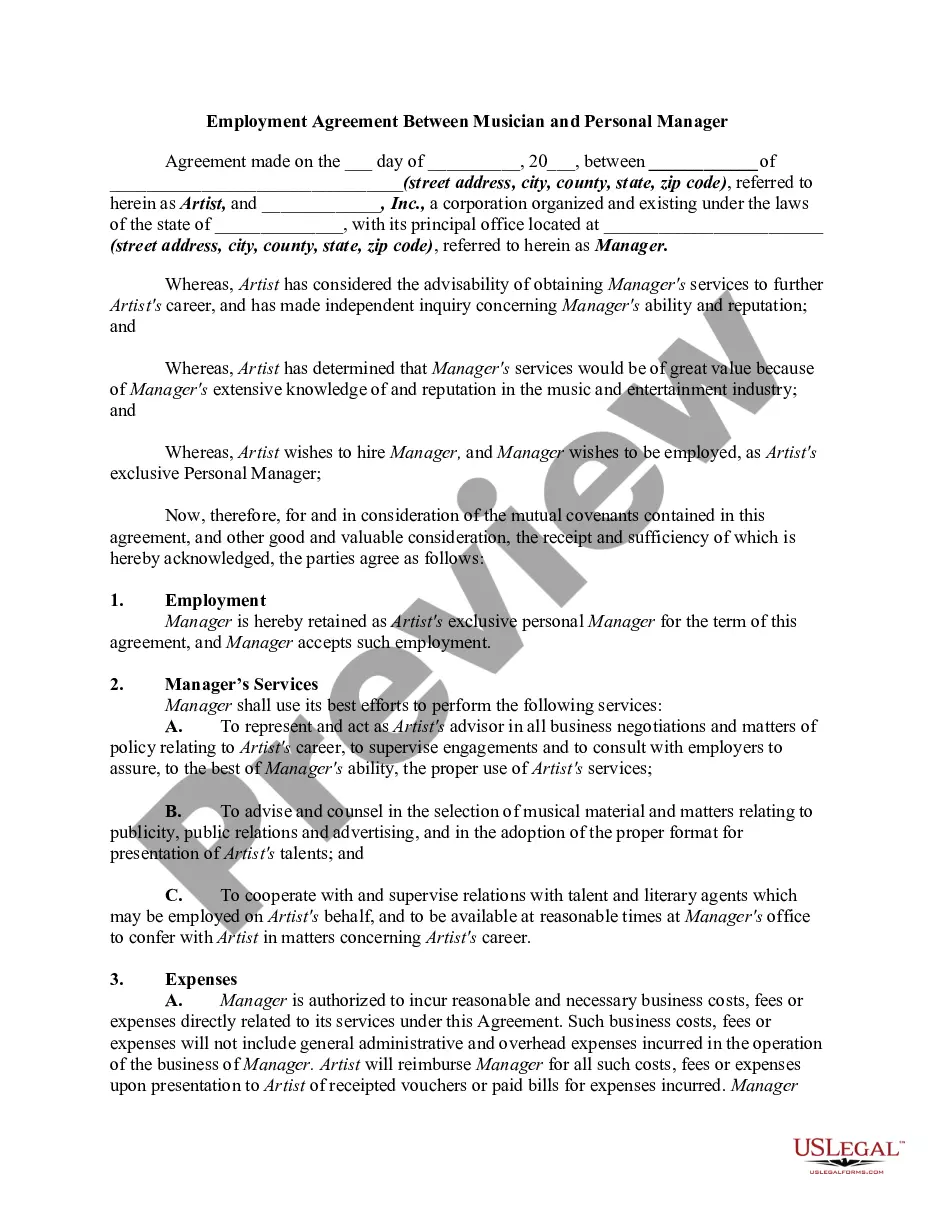
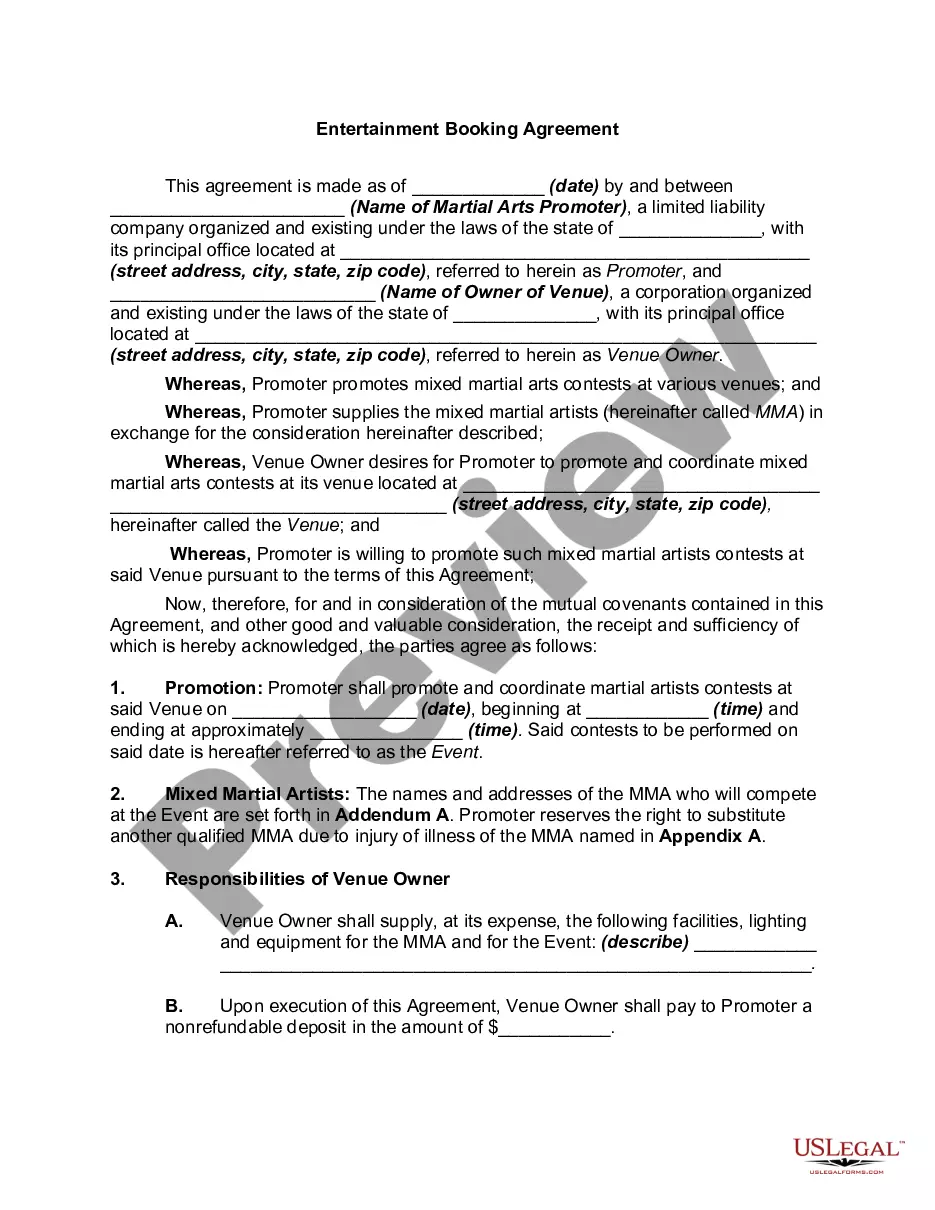
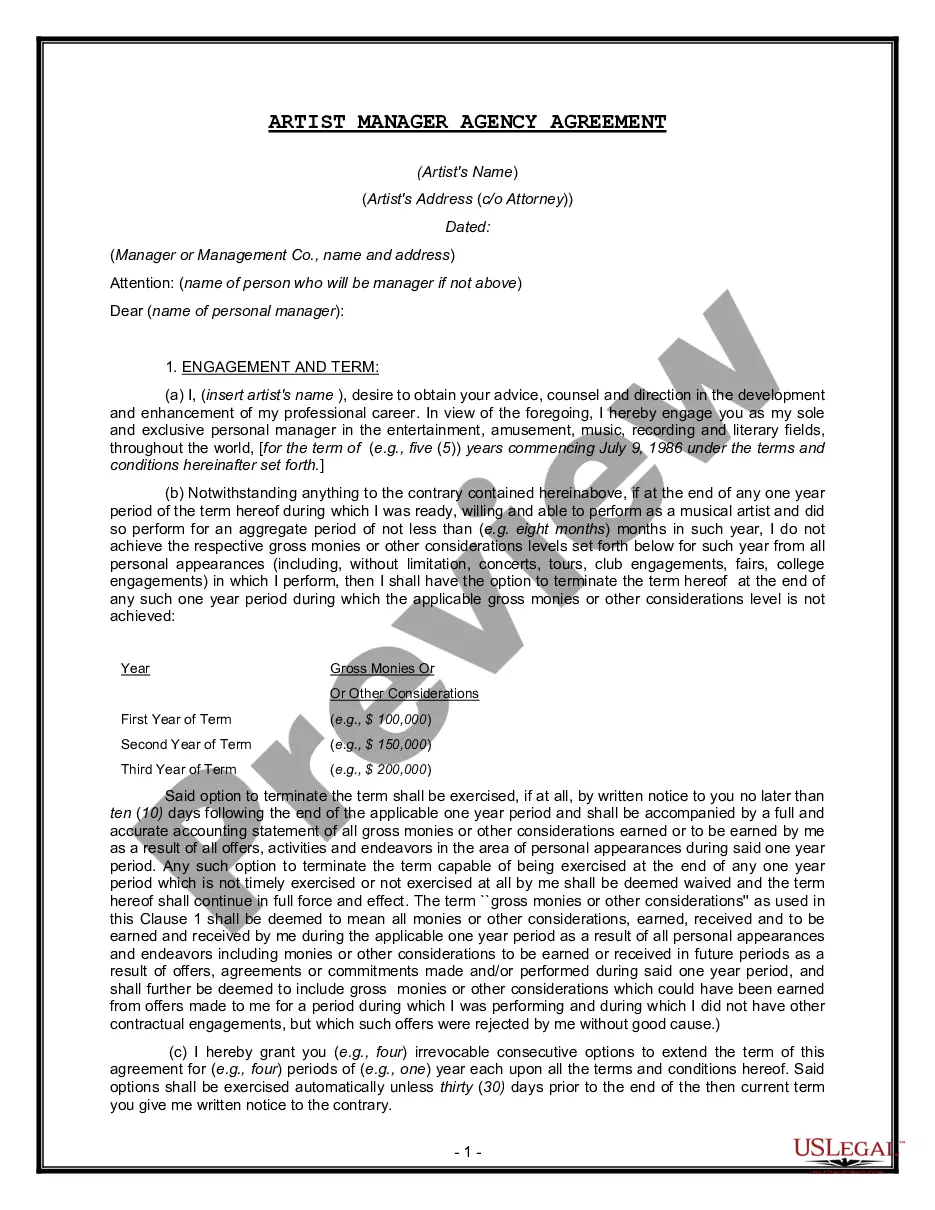
Get your form ready online
Our built-in tools help you complete, sign, share, and store your documents in one place.
Make edits, fill in missing information, and update formatting in US Legal Forms—just like you would in MS Word.
Download a copy, print it, send it by email, or mail it via USPS—whatever works best for your next step.
Sign and collect signatures with our SignNow integration. Send to multiple recipients, set reminders, and more. Go Premium to unlock E-Sign.
If this form requires notarization, complete it online through a secure video call—no need to meet a notary in person or wait for an appointment.
We protect your documents and personal data by following strict security and privacy standards.

Make edits, fill in missing information, and update formatting in US Legal Forms—just like you would in MS Word.

Download a copy, print it, send it by email, or mail it via USPS—whatever works best for your next step.

Sign and collect signatures with our SignNow integration. Send to multiple recipients, set reminders, and more. Go Premium to unlock E-Sign.

If this form requires notarization, complete it online through a secure video call—no need to meet a notary in person or wait for an appointment.

We protect your documents and personal data by following strict security and privacy standards.
Looking for another form?









Form popularity
FAQ
What to avoid in construction contracts Unclear scope of work and specifications: An ambiguous scope of work can cause misinterpretation. Missing change order procedures: Not having change order procedures is a risk as construction projects rarely go exactly ing to plan.
10 Different Types of Contracts Type of ContractEveryday Use Implied Contracts Common in everyday transactions like dining out. Express Contracts Standard in formal business agreements. Simple Contracts Used for straightforward services or transactions. Unconscionable Contracts Often challenged in court for fairness.10 more rows •
Construction management contracts encompass the work and/or materials required for a building project. Typically, they will address: Project/deliverable specifications. Labor and material requirements. Timelines for completion/delivery.
This good practice framework defines the four blocks – structure and resources, delivery, development, and strategy – comprising 11 areas (Figure 1) that organisations should consider when planning and delivering contract management.
Unlike lump sum contracts, which require a well-defined scope of work, T&M contracts are often used for projects where the scope is less certain.
Contract Management is the process of managing contracts, deliverables, deadlines, contract terms and conditions while ensuring customer satisfaction. Public and private organizations know that purchasing does not end when the contract is awarded.
To bid on federal construction contracts, you must apply for a profile on the System for Award Management (SAM). Once you've registered for this centralized online portal at SAM, you can use its search function to find federal construction bidding projects.
Job Order Contracting (JOC) is an on-call construction services contract where construction work and performance is determined by issuing Work Orders with the contractor during a fixed period of time.
Exploring the key stages of the contract management lifecycle Stage 1: Contract Initiation. Stage 2: Contract Creation and Negotiation. Stage 3: Contract Approval. Stage 4: Contract Execution. Stage 5: Contract Monitoring and Management. Stage 6: Contract Renewal or Termination.
Some examples of Contract Management activities are: Phone calls with suppliers; Meetings with suppliers; Score carding of suppliers; Site visits; Analysing performance information; Problem solving; Benchmarking against other similar contracts/suppliers; Analysing management information.
