Closing Property Title Without Paying Taxes In Hennepin
Description

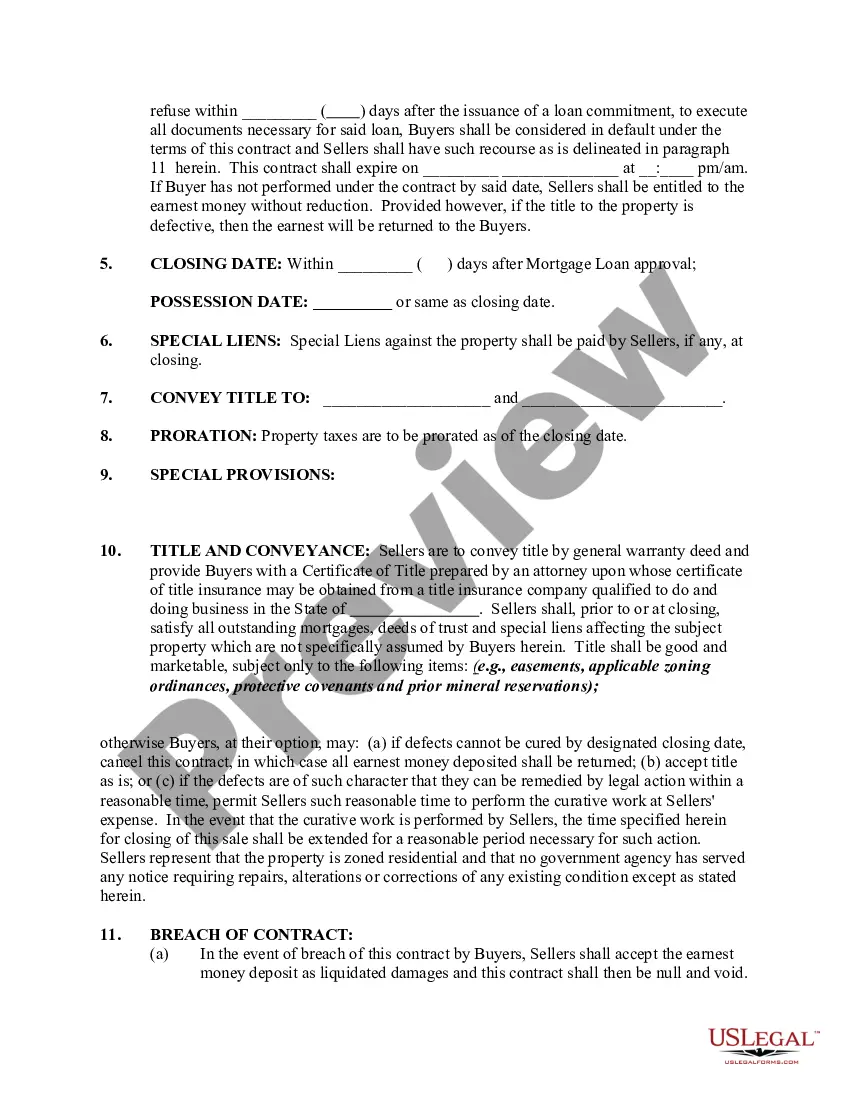
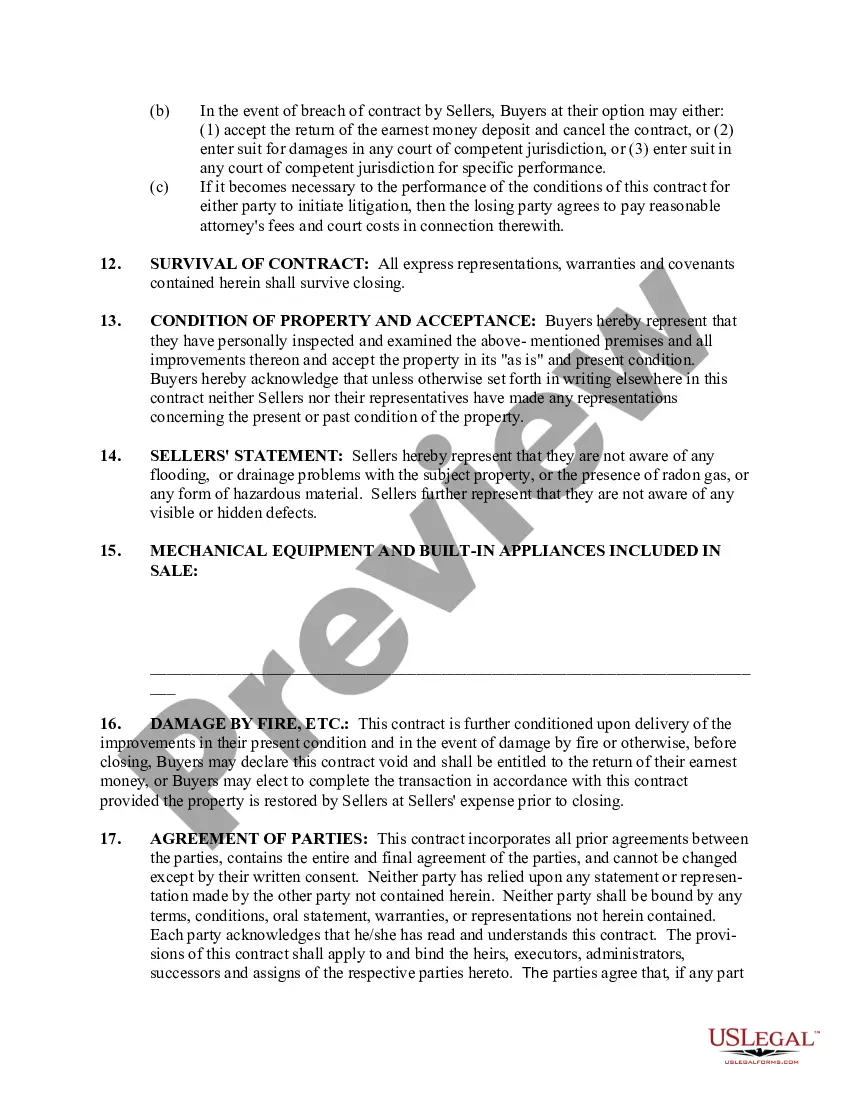
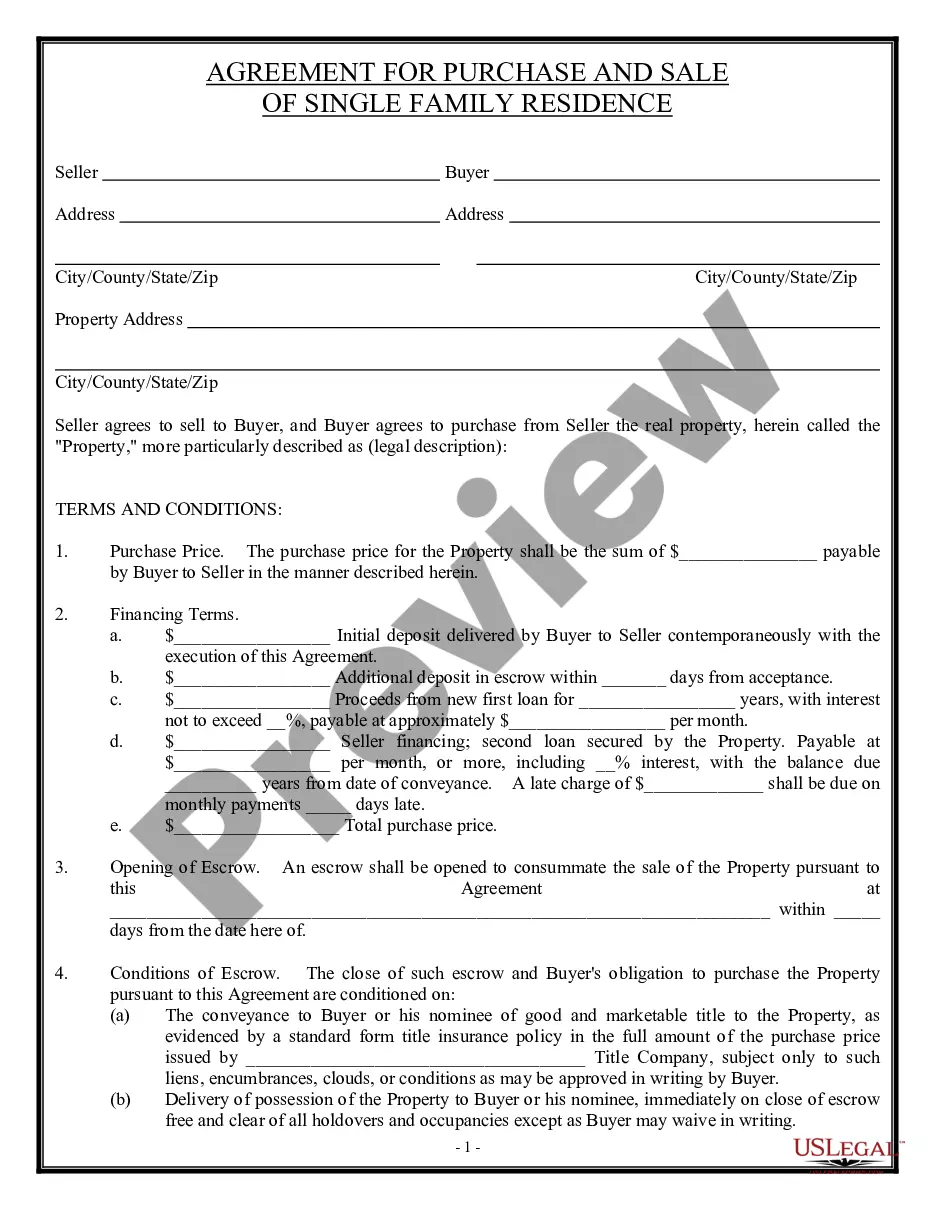
Get your form ready online
Our built-in tools help you complete, sign, share, and store your documents in one place.
Make edits, fill in missing information, and update formatting in US Legal Forms—just like you would in MS Word.
Download a copy, print it, send it by email, or mail it via USPS—whatever works best for your next step.
Sign and collect signatures with our SignNow integration. Send to multiple recipients, set reminders, and more. Go Premium to unlock E-Sign.
If this form requires notarization, complete it online through a secure video call—no need to meet a notary in person or wait for an appointment.
We protect your documents and personal data by following strict security and privacy standards.

Make edits, fill in missing information, and update formatting in US Legal Forms—just like you would in MS Word.

Download a copy, print it, send it by email, or mail it via USPS—whatever works best for your next step.

Sign and collect signatures with our SignNow integration. Send to multiple recipients, set reminders, and more. Go Premium to unlock E-Sign.

If this form requires notarization, complete it online through a secure video call—no need to meet a notary in person or wait for an appointment.

We protect your documents and personal data by following strict security and privacy standards.
Looking for another form?

Form popularity
FAQ
Some types of properties are exempt from real estate taxes. These include qualifying nonprofit, religious and government properties. Senior citizens, veterans and those eligible for STAR (the School Tax Relief program) may qualify for exemptions as well.
Avoiding the tax requires changing one's permanent home (domicile) to another state or reducing the amount of Minnesota property owned. Affluent individuals may be willing to change their domiciles to avoid paying potentially multimillion-dollar state estate tax liabilities.
In Minnesota, property taxes are usually split between the buyer and seller at closing. The seller pays the property's taxes for the time they owned the home before the sale.
Homesteads. Homestead is a program to reduce property taxes for owners who also occupy their home and are a Minnesota resident. You can qualify for this tax reduction if you own and occupy your house as your main place of residence or are a relative of an owner living in the owner's house.
Some of the most common tax-exempt property types are: Churches or places of worship. Institutions of public charity. All properties used exclusively for public purposes, including public hospitals, schools, burial grounds, etc.
Apply by November 1 to defer your property taxes the following year. You may apply in the year you turn 65. Once accepted, you do not need to reapply yearly. For Torrens property, the report is a copy of the current certificate of title, available from your county recorder's office.
Overview of Tyler v. Hennepin County. In 2023, the United States Supreme Court ruled in Tyler that the forfeiture of a Minnesota property for nonpayment of taxes resulted in a governmental taking without just compensation because the forced collection recovered more than what was owed to the government—to Caeser.
