Closing Any Property Within The State In Harris
Description

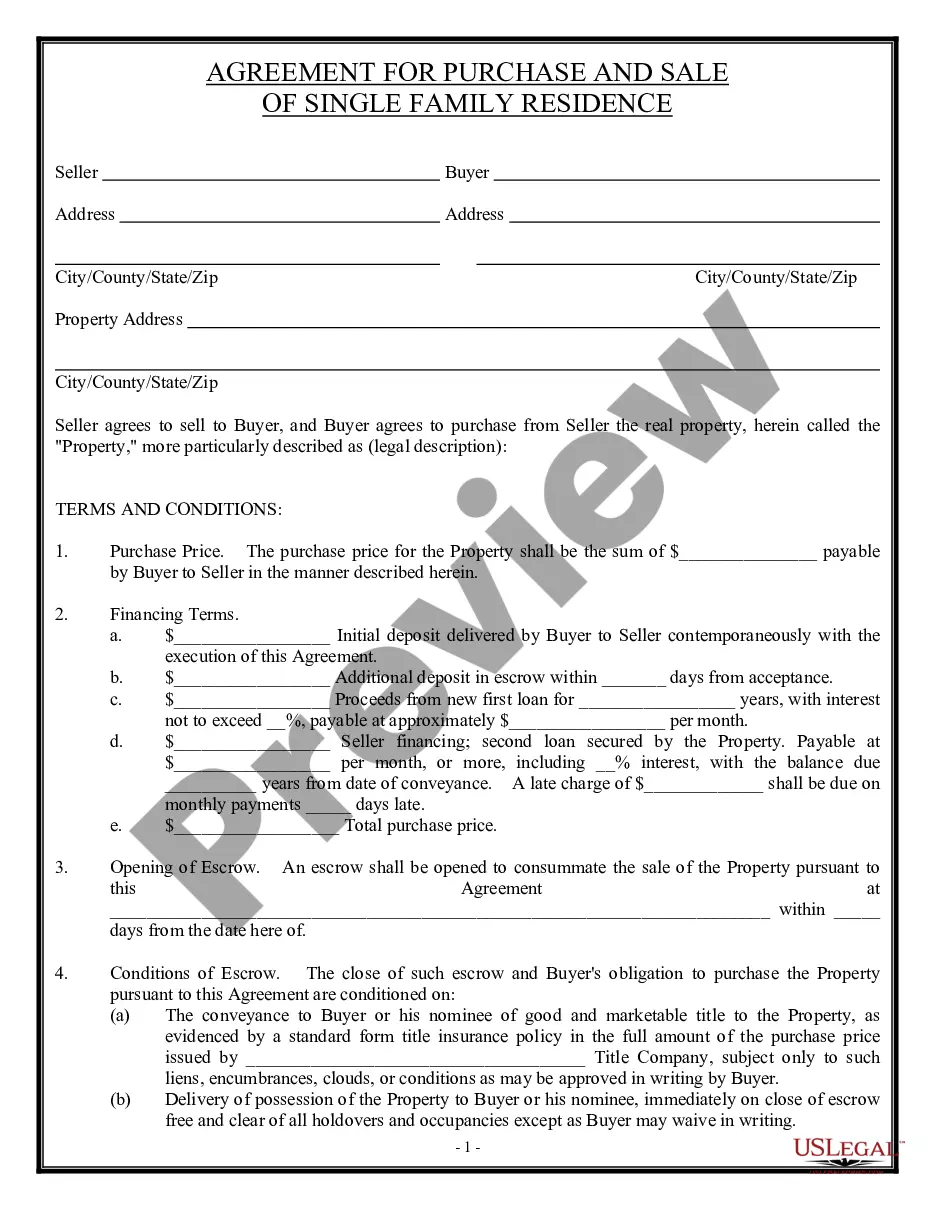
Get your form ready online
Our built-in tools help you complete, sign, share, and store your documents in one place.
Make edits, fill in missing information, and update formatting in US Legal Forms—just like you would in MS Word.
Download a copy, print it, send it by email, or mail it via USPS—whatever works best for your next step.
Sign and collect signatures with our SignNow integration. Send to multiple recipients, set reminders, and more. Go Premium to unlock E-Sign.
If this form requires notarization, complete it online through a secure video call—no need to meet a notary in person or wait for an appointment.
We protect your documents and personal data by following strict security and privacy standards.

Make edits, fill in missing information, and update formatting in US Legal Forms—just like you would in MS Word.

Download a copy, print it, send it by email, or mail it via USPS—whatever works best for your next step.

Sign and collect signatures with our SignNow integration. Send to multiple recipients, set reminders, and more. Go Premium to unlock E-Sign.

If this form requires notarization, complete it online through a secure video call—no need to meet a notary in person or wait for an appointment.

We protect your documents and personal data by following strict security and privacy standards.
Looking for another form?


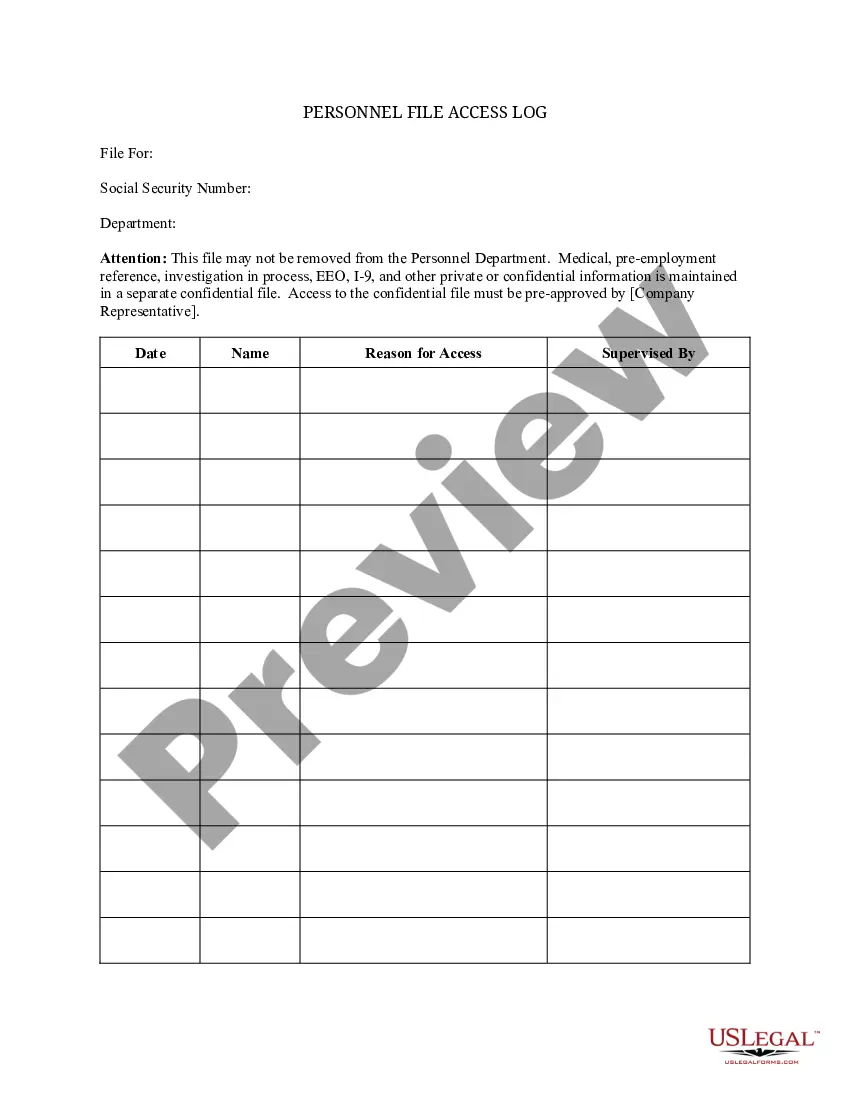





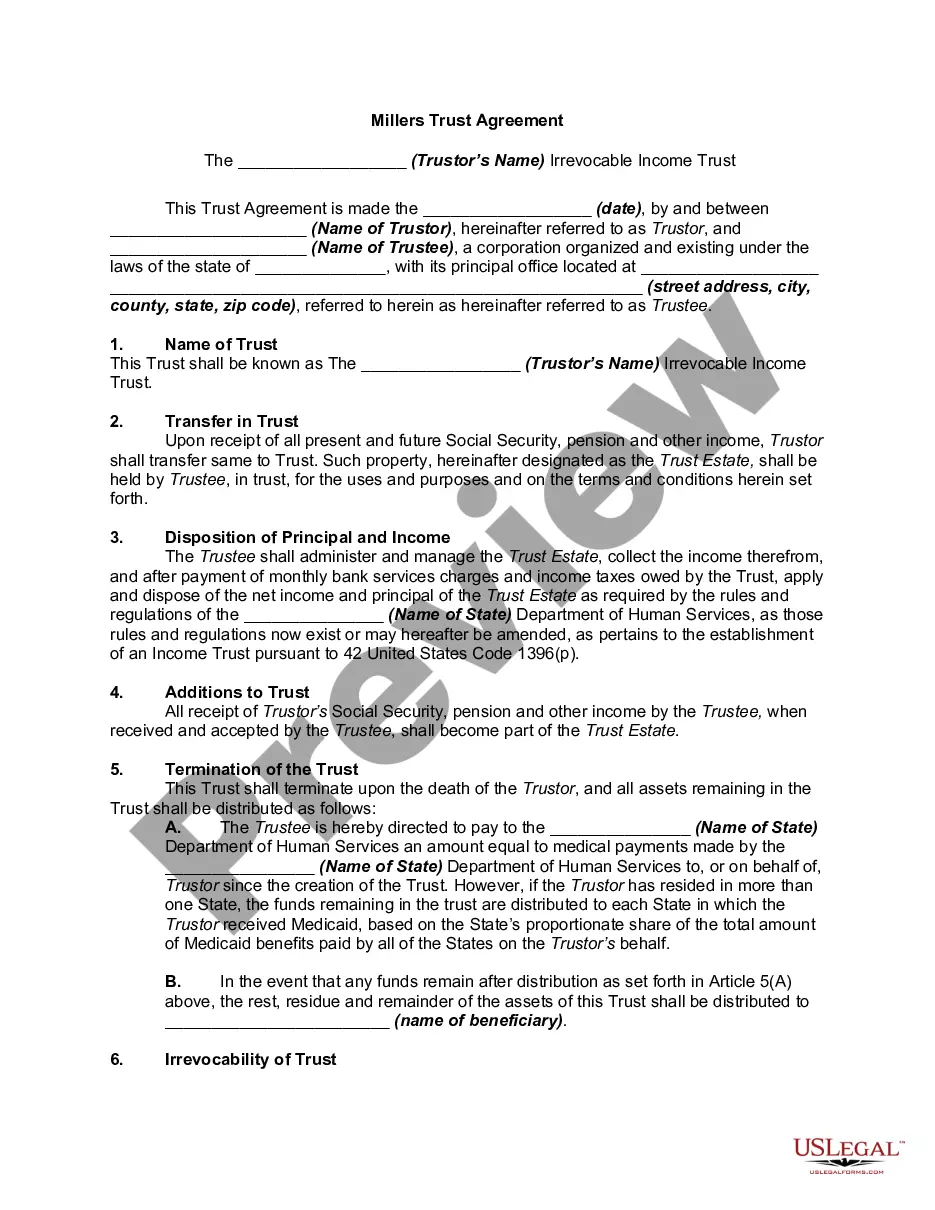
Form popularity
FAQ
No. Simply paying property taxes for a piece of real estate is not enough to establish ownership under Texas law. This is a common myth, but someone cannot take your property by paying the taxes in Texas. Rather, the best indication of ownership is often “clear title,” regardless of who pays the taxes.
Yes, you must register with the Harris County Tax Office to bid at the Tax Sale. You can find Registration information here: .hctax/Property/TaxSales/TaxSales. You can register online at any time or in person on the day of the auction beginning at am.
In Texas, tax lien sales occur through public auctions, which are typically held monthly by the county sheriff's office. Interested investors must first register for the auction, often requiring a refundable deposit.
Once the affidavit has been recorded, the heirs are identified in the property records as the new owners of the property. Thereafter, the heir or heirs may transfer or sell the property if they choose to do so. At that point, the deed most commonly used to transfer the property is a General Warranty Deed.
Contact the Harris County clerk's office to get the required form, or check out Texas Easy Lien online options. Once you've collected the information listed above, follow these steps: Fill out the form completely. Attach a copy of your contract, if relevant.
The affidavit of heirship is used when the decedent had no unpaid debts and there was no other requirement that probate be filed. It is often used when there is a third party who requires the affidavit before transacting business with the heir as owner of the property.
Texas probate law sets a strict statute of limitations of only four years for any heir or beneficiary to make a legal claim for inheritance. The four-year clock starts ticking as soon as the adoption is complete for adopted children. For other heirs or beneficiaries, it begins on the date of the parent's death.
Property Tax Notice of Protest forms are available: online at .hcad. by telephone at 713-957-7800. at HCAD offices located at 13013 Northwest Freeway. at any Harris County Tax Office.
In the Real Property Department of the Harris County Clerk's Office. The documents may be filed in person or by mail. If filing in person, a photo I.D. is required.
Under Texas law, the affidavit must be filled out by two disinterested parties—individuals who have no financial interest in the estate and are not heirs. These individuals must know the decedent's family structure and history well enough to verify the heir's relationship to the decedent.
