Sell Closing Property For Money In Georgia
Description

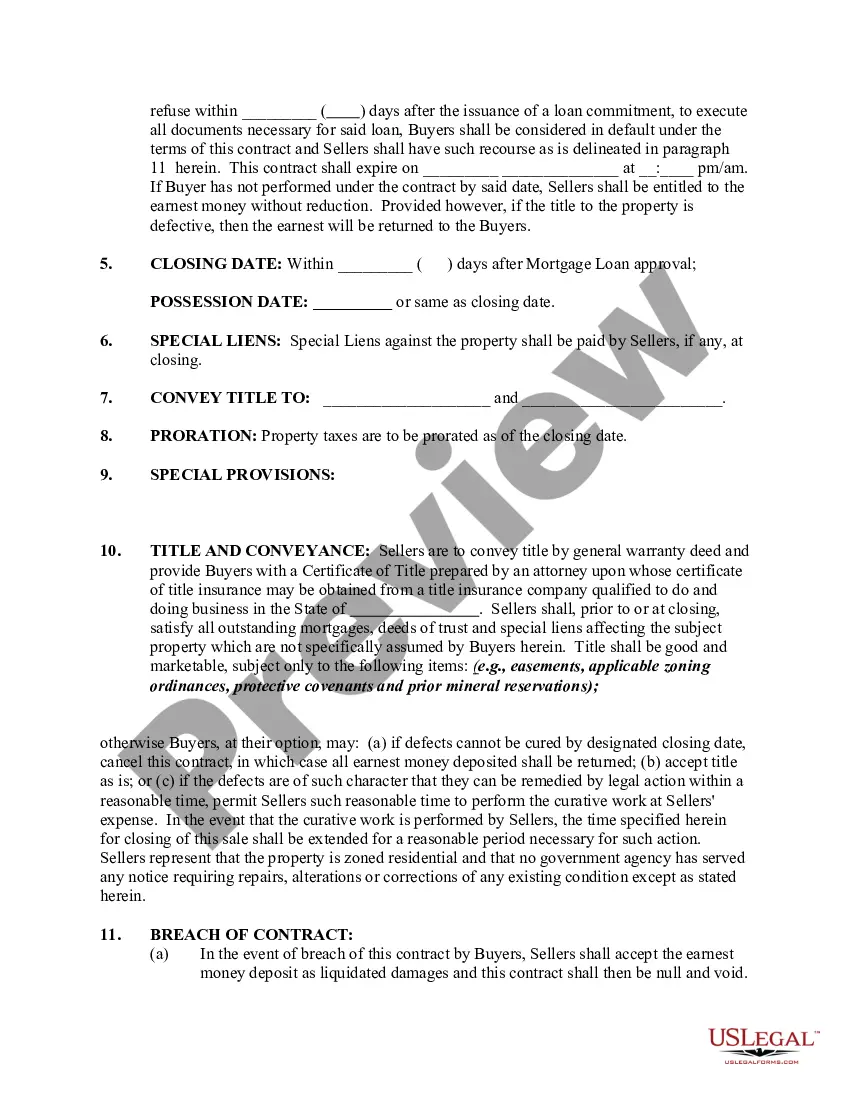
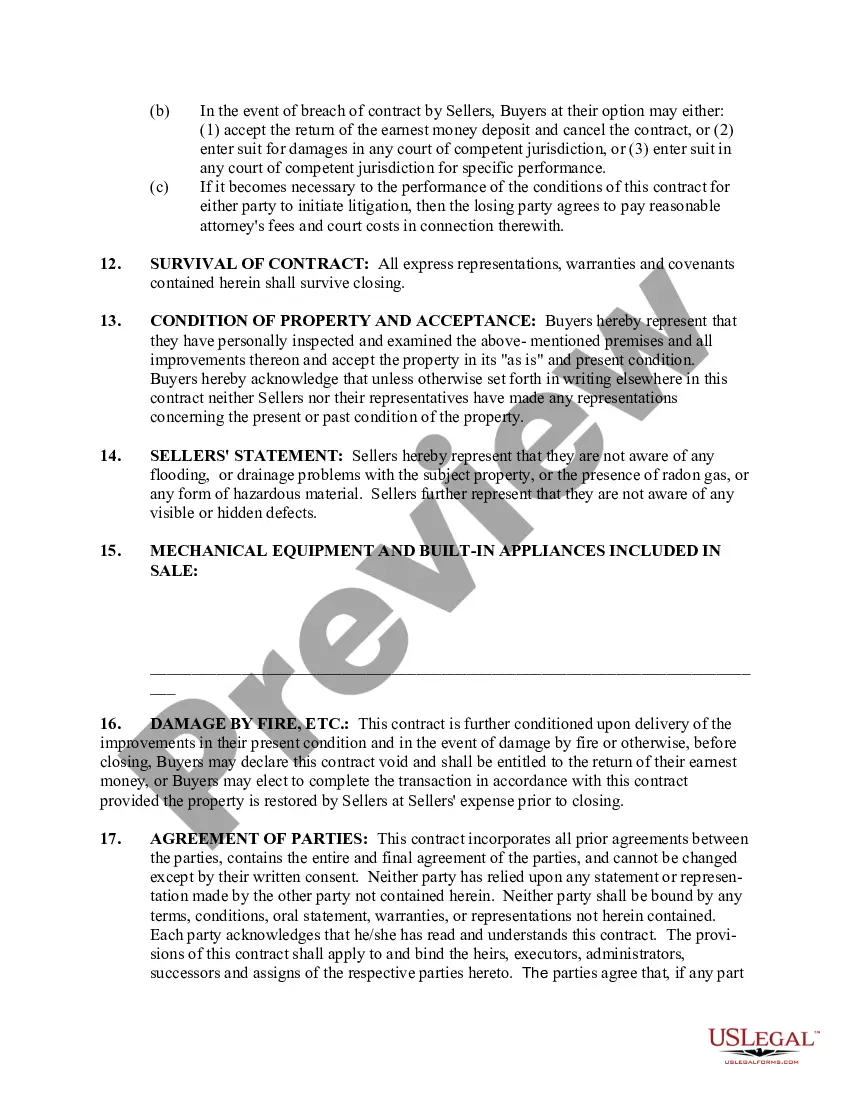
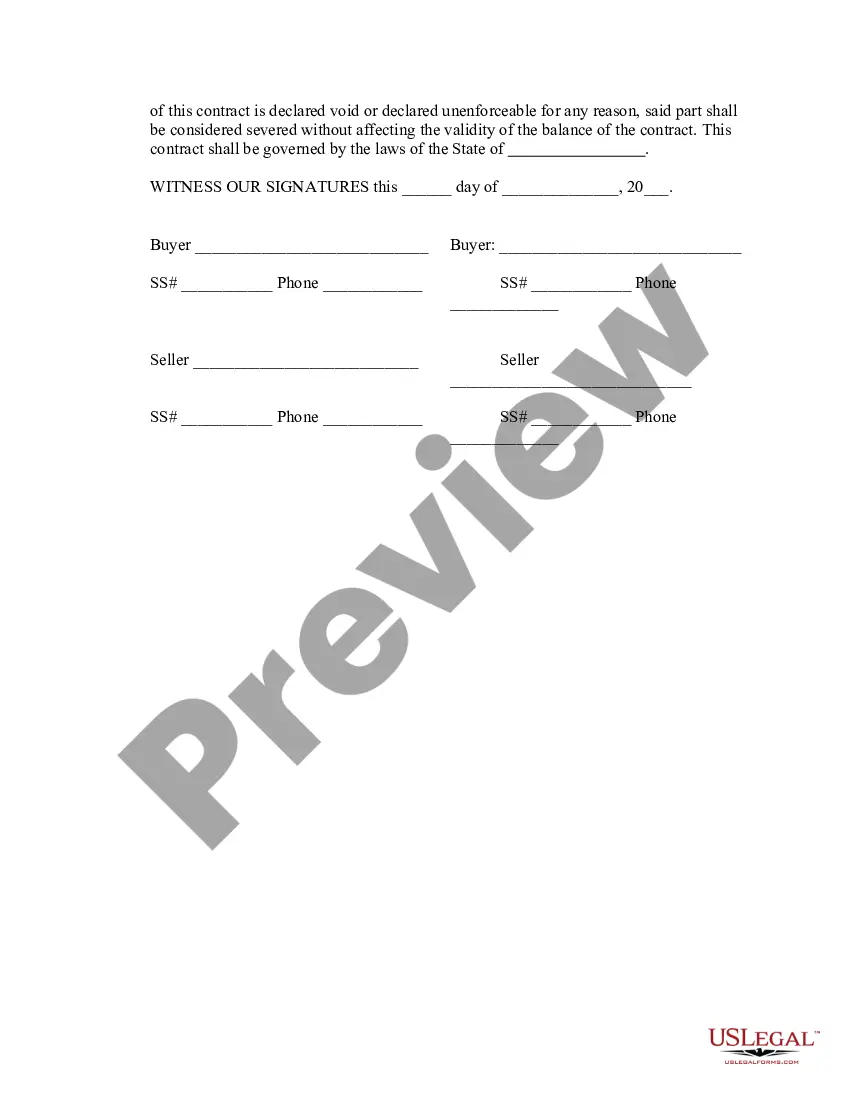
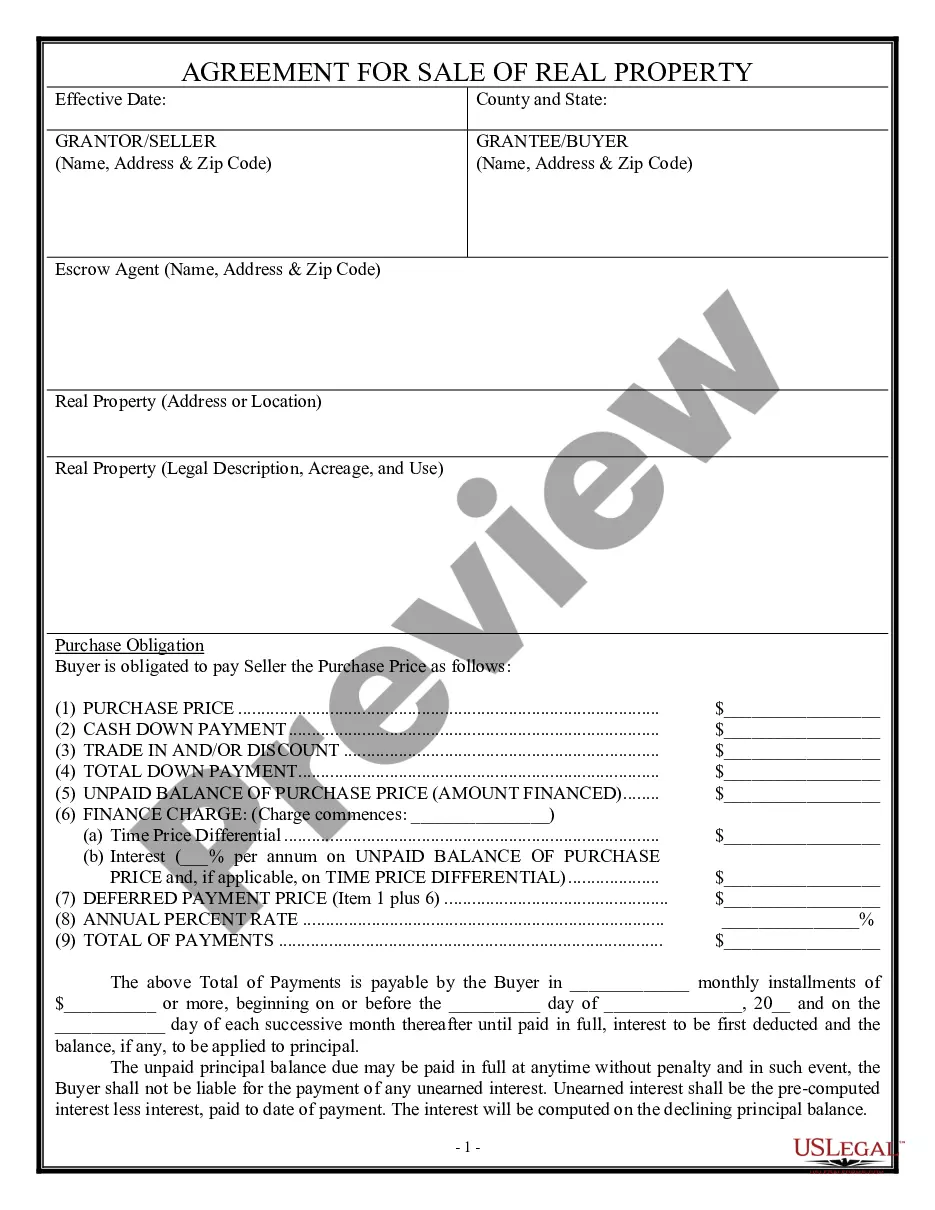
Get your form ready online
Our built-in tools help you complete, sign, share, and store your documents in one place.
Make edits, fill in missing information, and update formatting in US Legal Forms—just like you would in MS Word.
Download a copy, print it, send it by email, or mail it via USPS—whatever works best for your next step.
Sign and collect signatures with our SignNow integration. Send to multiple recipients, set reminders, and more. Go Premium to unlock E-Sign.
If this form requires notarization, complete it online through a secure video call—no need to meet a notary in person or wait for an appointment.
We protect your documents and personal data by following strict security and privacy standards.

Make edits, fill in missing information, and update formatting in US Legal Forms—just like you would in MS Word.

Download a copy, print it, send it by email, or mail it via USPS—whatever works best for your next step.

Sign and collect signatures with our SignNow integration. Send to multiple recipients, set reminders, and more. Go Premium to unlock E-Sign.

If this form requires notarization, complete it online through a secure video call—no need to meet a notary in person or wait for an appointment.

We protect your documents and personal data by following strict security and privacy standards.
Looking for another form?




Form popularity
FAQ
Example: Estimated closing costs on a $400,000 home Total adjusted orgination charges$5,100 Initial escrow account deposit $708 Prepaid interest $750 Homeowner's insurance $1,000 Total estimated closing costs $9,15813 more rows
Sellers do not usually need to be present at a Georgia closing. Typically, the buyers will sign the final documents at the office of their title company or escrow agent or virtually, and also pick up the keys.
So, closing in the Spring or Summer will generally mean that the buyer will be responsible for paying the actual bill when it is issued. To avoid getting a freebee, the seller will prepay a prorata share of the taxes to the buyer at the time of closing.
Scotty: Not as a personal representative, but in Georgia, an attorney is required to complete all aspects of the closing. So, ultimately an attorney will have to be involved as part of the closing process.
To sell land in Georgia, you'll need several key documents: the property deed, tax records, a recent land survey, and a seller's disclosure statement. Having these documents ready in advance will streamline the sale process and give buyers confidence in the transaction.
An Attorney is Required Anyone selling, conveying, obtaining a reverse mortgage, or refinancing real estate in Georgia needs an attorney to conduct the closing. Conducting the closing is more than witnessing and notarizing documents at the closing table.
Georgia requires a real estate closing attorney One of the most important things about selling land in Georgia is that the state requires a licensed attorney to oversee the closing process. That's right - in Georgia, you can't just have a title company handle the paperwork and call it a day.
