Sell Closing Property Without Consent In Florida
Description

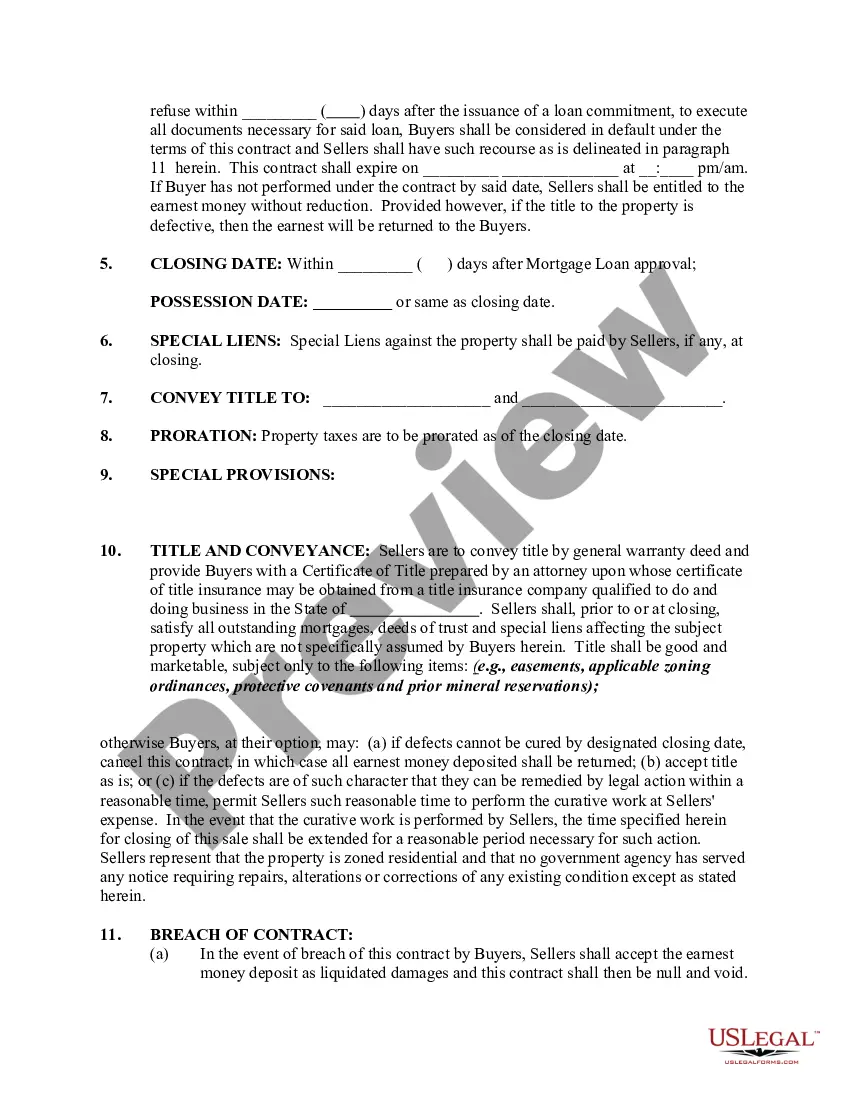
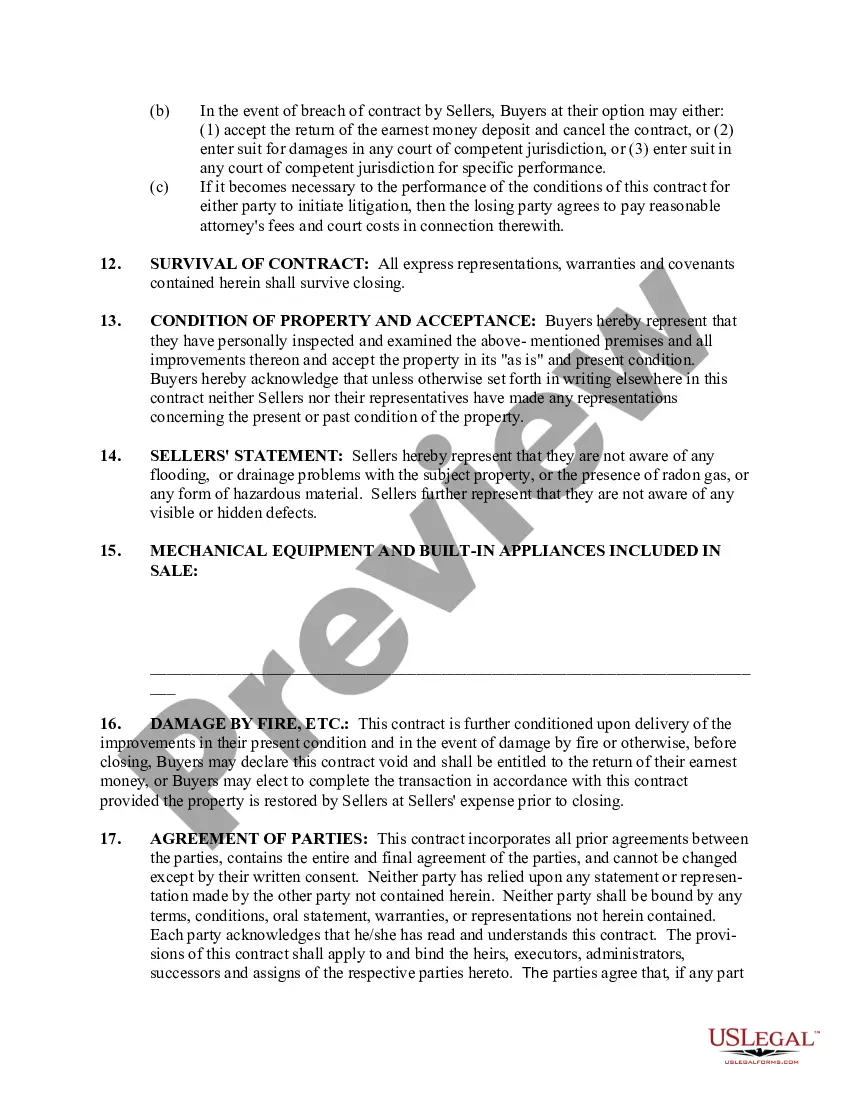
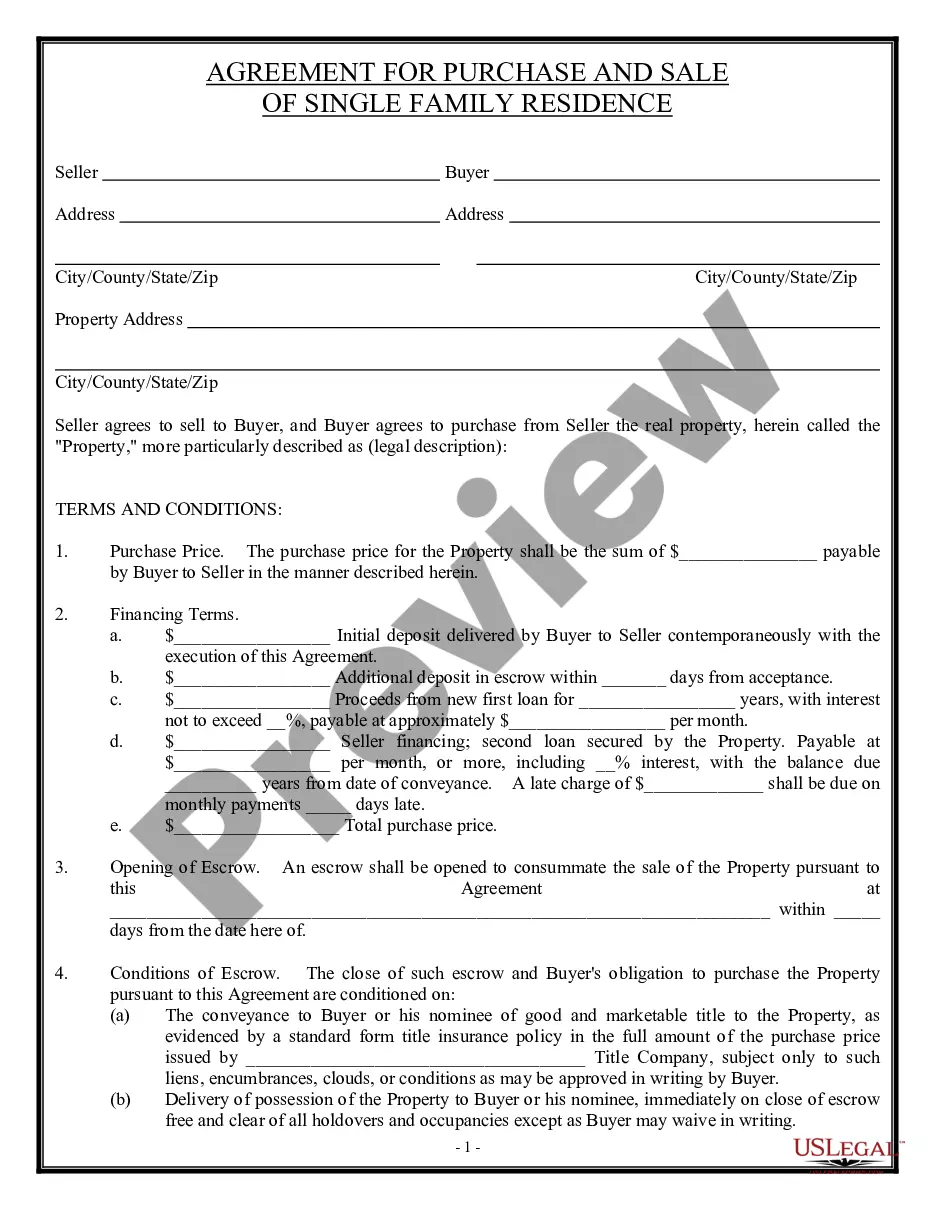
Get your form ready online
Our built-in tools help you complete, sign, share, and store your documents in one place.
Make edits, fill in missing information, and update formatting in US Legal Forms—just like you would in MS Word.
Download a copy, print it, send it by email, or mail it via USPS—whatever works best for your next step.
Sign and collect signatures with our SignNow integration. Send to multiple recipients, set reminders, and more. Go Premium to unlock E-Sign.
If this form requires notarization, complete it online through a secure video call—no need to meet a notary in person or wait for an appointment.
We protect your documents and personal data by following strict security and privacy standards.

Make edits, fill in missing information, and update formatting in US Legal Forms—just like you would in MS Word.

Download a copy, print it, send it by email, or mail it via USPS—whatever works best for your next step.

Sign and collect signatures with our SignNow integration. Send to multiple recipients, set reminders, and more. Go Premium to unlock E-Sign.

If this form requires notarization, complete it online through a secure video call—no need to meet a notary in person or wait for an appointment.

We protect your documents and personal data by following strict security and privacy standards.
Looking for another form?
Form popularity
FAQ
If you back out without cause, the buyer can bring legal action for breach of contract. That means you could be facing a lawsuit where the buyer seeks compensation. Depending on the buyer, the lawsuit may seek financial compensation or even specific performance, forcing you to sell your home.
So, state law puts a duty on sellers to fully inform buyers about known issues with a home or property for sale. If they fail this duty, buyers can pursue a claim against the individual or agency that sold it.
When negotiating a situation where one spouse can buy out the other spouse is impossible, a court order to sell the house might be necessary. The court-ordered sale process begins with one party filing a partition action. Once the court issues the sale order, the property is: Appraised.
If the Grantor suspects foul play or fraud, then it is up to him to bring a lawsuit against the party that committed the fraud in order to have the court enter a judgment declaring the deed void. Thereafter, awarding title back to the original grantor.
I'm sorry to hear about your situation. No, you could not do that. ing to the Florida constitution, in order to sell or mortgage your home, you must get your spouse to sign the deed or mortgage. This applies even if you owned the property prior to the marriage and even if your spouse's name was never on the deed.
restricted community is one in which a homeowners' association outlines and enforces rules. Those rules can regulate the way the neighborhood or subdivision looks and the way the properties in it can be used.
If the Grantor suspects foul play or fraud, then it is up to him to bring a lawsuit against the party that committed the fraud in order to have the court enter a judgment declaring the deed void. Thereafter, awarding title back to the original grantor.
Lack of Proper Execution: In Florida, a deed must be signed by the Grantor(s) (commonly the seller(s)), notarized, and witnessed by two disinterested people (the notary may act as one witness). Failure to meet these formal requirements can render the deed invalid.
Florida, as with most other states, prohibits the removal of a co-owner from the title of real property without their consent.
A quit claim deed is the easiest way to change property title in Florida. This type of deed is used to (1) add or remove family members from the title, (2) transfer property to an LLC, (3) transfer property to a living trust, and (4) remove an ex-spouse from the title.